Imagine stepping out of your front door each morning and being greeted by a beautifully designed garden bed that not only enhances your home’s curb appeal but also brings a touch of nature to your everyday life. Designing a front garden bed is more than just arranging plants—it’s about crafting a welcoming space that reflects your personality and style.
Whether you have a sprawling lawn or a compact patch, the secret lies in understanding how to blend colors, textures, and shapes to create a harmonious look. You don’t need to be a professional landscaper to achieve this; with a few simple tips and tricks, you can transform your front garden into a stunning visual masterpiece.
Curious to know how? Keep reading to discover practical steps and creative ideas that will help you design the perfect front garden bed. Your neighbors will envy the vibrant, inviting outdoor space you create, and you’ll enjoy every moment spent in your personal slice of paradise.

Credit: www.youtube.com
Planning Your Garden Bed
Designing a front garden bed begins with choosing the right plants that complement your home’s style. Consider sunlight, soil, and water needs to ensure healthy growth. Arrange plants by height, color, and texture for visual appeal and balance.
Planning Your Garden Bed Creating the perfect front garden bed requires a thoughtful approach to design and functionality. The planning phase is crucial in turning your vision into reality. It’s not just about picking plants; it’s about understanding the space, sunlight, and creating a harmonious layout. Let’s dive into the essential aspects of planning your garden bed.Assessing Space And Sunlight
Start by evaluating the available space in your front garden. Measure the dimensions carefully to understand how much room you have for planting. Consider the shape and contours of your garden bed. Is it rectangular, circular, or more abstract? Sunlight is another key factor. Observe the garden throughout the day to identify areas that receive full sun, partial shade, or remain shaded. Different plants thrive under different light conditions, so knowing this will guide your plant choices.Choosing The Right Plants
Choosing plants isn’t just about picking what’s pretty. Consider the climate and soil type in your area. Do you want perennials that come back year after year, or annuals for a burst of color? Think about the height, spread, and color of the plants to ensure they complement each other and fit the space. Mixing textures and colors can add depth and interest to your garden bed.Designing Layout And Patterns
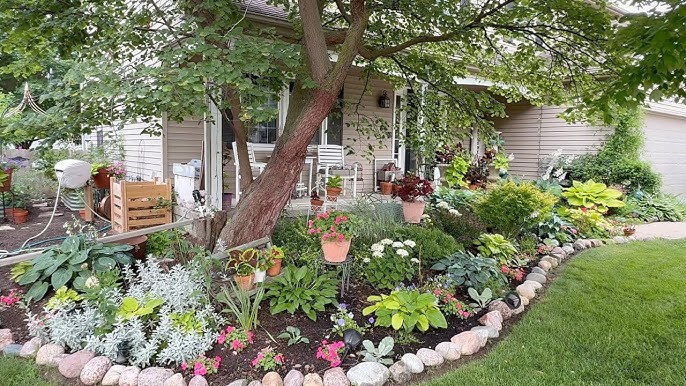
Now comes the fun part—designing the layout. Arrange plants in a way that creates a visual flow. For instance, place taller plants at the back and shorter ones at the front to create layers. Patterns can add a unique touch. Consider symmetrical designs for a formal look or a more random, natural arrangement for a relaxed feel. Use curves and angles to create movement and guide the eye through the garden. Would you like to create pathways or focal points with garden ornaments? Think about how these elements fit into your design. With these insights, your front garden bed will be both beautiful and functional, reflecting your personal style and the natural environment.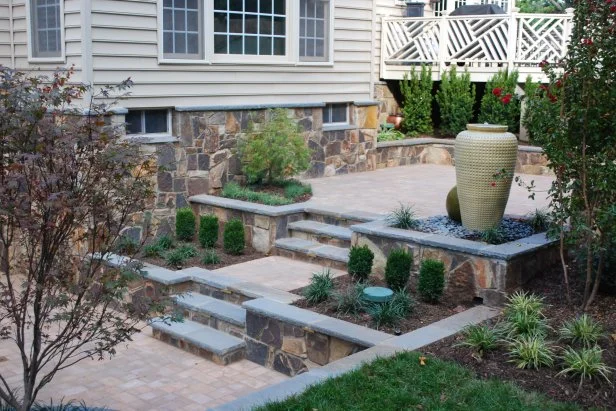
Credit: www.hgtv.com
Selecting Plants For Visual Impact
Choosing the right plants can transform your front garden bed into a stunning visual masterpiece. Mix vibrant flowers with lush greenery for a striking contrast. Consider plant height and texture to create depth and interest.
Selecting the right plants can transform your front garden bed. The right mix offers a stunning visual appeal. Plants should complement each other in color and texture. They should also bloom throughout different seasons. Consider native and low-maintenance options. This ensures your garden remains vibrant and easy to care for.Color And Texture Considerations
Color and texture play a vital role in garden design. Choose plants with varied leaf shapes and sizes. This adds depth and interest. Use contrasting colors for a dynamic effect. For a calming look, pick plants in similar hues. Think about how plants will look at different times of the year.Seasonal Blooming Choices
Select plants that bloom in different seasons. Spring flowers bring early color to your garden. Summer blooms keep the garden lively and bright. Autumn plants add warm tones as the year ends. Winter evergreens ensure your garden never looks bare. This strategy keeps your garden vibrant all year round.Native And Low-maintenance Options
Native plants are well-suited to your local climate. They often require less water and care. These plants attract local wildlife, like birds and butterflies. Low-maintenance options save time and effort. They reduce the need for frequent watering and pruning. This makes gardening more enjoyable and less demanding.Preparing The Soil
Preparing the soil involves removing weeds and rocks to create a clean base. Add organic compost to enhance nutrient levels. Ensure proper drainage by mixing sand or gravel for healthy plant growth.
Designing a front garden bed begins with preparing the soil. Healthy soil is the foundation for vibrant plants. Before planting, ensure the soil is ready to support growth. This involves testing its quality, adding mulch, and ensuring proper drainage. Each step plays a vital role in creating a flourishing garden.Testing And Improving Soil Quality
Start with a soil test to understand its composition. Knowing the pH level is essential for plant health. Use a testing kit available at garden stores. Adjust the pH if needed; lime raises it, sulfur lowers it. Enhance soil quality by adding organic matter like compost. It improves texture and provides nutrients. Healthy soil leads to stronger plants and better blooms.Mulching For Moisture Retention
Mulch is crucial in retaining soil moisture. It prevents water evaporation and keeps roots cool. Choose organic mulch like straw or wood chips. Spread it evenly around plants, but avoid touching stems. Mulch also suppresses weeds, reducing garden maintenance. Regularly check mulch depth to maintain moisture levels.Creating Proper Drainage
Drainage ensures excess water flows away from plants. Poor drainage leads to root rot and plant diseases. Observe your garden after rain; puddles indicate drainage issues. Install drainage solutions if needed, such as gravel or perforated pipes. Raised beds are an excellent option for improving drainage. Proper drainage helps plants thrive by preventing waterlogging.
Credit: www.pinterest.com
Planting Techniques
Designing a front garden bed involves choosing vibrant plants and arranging them for visual harmony. Consider plant height and bloom season to ensure year-round appeal. Use mulch to retain moisture and suppress weeds, enhancing the garden’s aesthetics.
Planting techniques are crucial for a thriving front garden bed. The right techniques ensure healthy plant growth and enhance visual appeal. Understanding these methods helps create a beautiful and sustainable garden.Spacing And Depth Guidelines
Proper spacing ensures plants have room to grow. Crowded plants compete for nutrients and sunlight. Use a ruler to space seeds as per packet instructions. This helps in achieving optimal plant health. Planting depth is equally important. Shallow planting exposes roots to air, causing dehydration. Deep planting can suffocate young roots. Follow seed packet depth recommendations for best results.Companion Planting Strategies
Companion planting enhances garden health. Certain plants benefit from each other when grown together. For example, marigolds repel pests from vegetables. Beans fix nitrogen, enriching soil for other plants. Consider plant height and sun needs. Tall plants provide shade for sun-sensitive neighbors. This creates a balanced ecosystem in your garden bed.Watering And Fertilizing Tips
Watering is vital for plant survival. Early morning is the best time to water. This prevents evaporation and fungal diseases. Deep watering encourages strong root systems. Fertilizing provides essential nutrients. Use organic fertilizers for a natural approach. Apply according to plant needs and soil conditions. Over-fertilizing can harm plants. Always follow package instructions.Adding Decorative Elements
Enhance your front garden bed by adding decorative elements like stones, sculptures, or colorful pots. These items bring personality and charm to the space. Balance is key; ensure decorations complement plant colors and textures.
Adding decorative elements to your front garden bed can transform a simple landscape into a captivating visual experience. These elements not only enhance the aesthetic appeal but also add personality and character to your garden. Whether it’s through hardscapes, garden art, or lighting, each addition offers a unique opportunity to express your style and creativity.Incorporating Hardscapes
Hardscapes like pathways, stones, and benches can add structure and contrast to your garden. Consider using natural stones or bricks to create a charming path leading through your flower beds. A well-placed bench invites visitors to linger and enjoy the beauty of your garden. Think about the texture and color of materials. A gravel path can add a rustic touch, while a smooth, paved path offers a more formal look. You might even incorporate a small retaining wall to create depth and dimension.Using Garden Art And Ornaments
Garden art and ornaments are a fantastic way to infuse personality into your garden. From whimsical sculptures to elegant birdbaths, these elements can become focal points. Choose pieces that reflect your interests or complement the overall theme of your garden. Mix and match different sizes and styles for variety. A small, colorful statue among greenery can catch the eye, while a larger piece might serve as the centerpiece. Remember, less is often more—choose a few key pieces to avoid a cluttered look.Lighting For Evening Appeal
Lighting can transform your garden into a magical space once the sun sets. Use solar-powered lights along pathways to guide the way and highlight plants or decorations. String lights can add a cozy, inviting atmosphere perfect for evening gatherings. Consider the type of lighting that best suits your garden’s theme. Soft, warm lights create a relaxing mood, while brighter lights can showcase specific features. Experiment with different placements to find the most enchanting effects. How do you want your garden to be seen at night? Lighting not only extends the usability of your garden but also enhances its beauty in unexpected ways.Maintaining Your Garden Bed
Designing a front garden bed involves choosing the right plants and layout. Consider plant colors and heights for visual interest. Ensure the garden complements your home’s architecture.
Maintaining your garden bed keeps it vibrant and healthy. A well-maintained garden bed enhances your home’s curb appeal. It requires regular attention and care. Below are key practices for maintaining your front garden bed.Regular Pruning And Deadheading
Pruning helps plants grow better. Remove any dead or diseased branches. This encourages new growth and blooms. Deadheading, or removing spent flowers, keeps plants looking fresh. It also prevents unwanted seed production. Regular checks make this task easier.Weed And Pest Control
Weeds compete with your plants for nutrients. Regularly pull them out by hand. Use mulch to suppress weed growth. It also keeps soil moist. Watch for pests that harm plants. Natural repellents can help. Ladybugs, for example, eat aphids. Keep your plants healthy to resist pests.Seasonal Adjustments And Care
Each season brings different challenges. Spring is for fertilizing and planting. Summer needs extra watering. Fall is time to clean and prepare for winter. Protect plants from frost. Use blankets or covers for delicate species. Adjust your care routine with the seasons. This keeps your garden thriving all year.Frequently Asked Questions
What Plants Are Best For Front Garden Beds?
Choosing the right plants is crucial for a front garden bed. Opt for low-maintenance perennials, colorful annuals, and shrubs that complement your home’s exterior. Consider native species for easier care. Mix heights and textures for visual interest, and ensure they thrive in your local climate and soil conditions.
How Do I Prepare Soil For Planting?
Start by clearing weeds and debris. Improve soil quality by mixing in compost or organic matter. Test the soil’s pH and adjust as necessary to suit your chosen plants. Ensure proper drainage to prevent waterlogging. A well-prepared soil foundation encourages healthy plant growth and reduces maintenance needs.
What Are Some Design Tips For Garden Beds?
Begin with a focal point to draw attention. Use a variety of plant heights and textures for depth. Consider color schemes that enhance your home’s aesthetic. Incorporate pathways or edging for definition. Ensure easy access for maintenance. Design with symmetry or balance to create a harmonious look.
How Often Should I Water My Garden Beds?
Watering frequency depends on plant types and climate. Generally, water deeply once or twice a week, ensuring soil stays moist but not waterlogged. Adjust based on rainfall and seasonal changes. Early morning or late afternoon watering reduces evaporation and supports plant health.
Conclusion
Creating a front garden bed can enhance your home’s curb appeal. Start with a clear plan and choose plants that suit your climate. Use color and texture for visual interest. Keep maintenance in mind for long-lasting beauty. The right tools and materials make the job easier.
Remember, a well-designed garden bed can be a welcoming sight for guests. Enjoy the process of designing your garden space. It reflects your style and adds value to your home. Happy gardening!