Imagine stepping into your backyard during the crisp, cool days of fall and being greeted by a vibrant tapestry of colors, textures, and scents. Designing a flower garden in the fall isn’t just about extending your garden’s life; it’s about creating a captivating sanctuary that delights the senses and soothes the soul.
Fall offers you a unique opportunity to plant with intention, using the rich palette of autumn to craft a garden that is both beautiful and resilient. But where do you start? And how can you ensure your garden is the envy of the neighborhood?
In this guide, we will walk you through simple, actionable steps to design your flower garden this fall. By the end, you’ll have all the tools you need to transform your outdoor space into a breathtaking autumn retreat. Ready to dive in? Let’s get started.
Credit: www.dripworks.com
Planning Your Fall Flower Garden
Designing a flower garden in fall requires thoughtful planning. A well-planned garden brings vibrant colors and beauty. Fall offers a unique opportunity to refresh your garden space. With the right approach, your garden can thrive even in cooler weather.
Choosing The Right Location
Selecting the perfect spot is crucial. Find a place that gets enough sunlight. Most fall flowers need 6-8 hours of sunlight daily. Consider the proximity to water sources. Easy access to water makes maintenance simpler. Avoid areas prone to strong winds. Wind can damage delicate flowers. Think about the view from your home. A visually pleasing garden enhances your living space.
Assessing Soil Quality
Check the soil type before planting. Good soil supports healthy plant growth. Look for soil that drains well. Poor drainage can lead to root rot. Test the soil pH level. Most flowers thrive in slightly acidic soil. Add compost to enrich the soil. Compost improves fertility and structure. Ensure the soil is free of pests. Healthy soil deters harmful insects.
Selecting Fall Blooms
Selecting vibrant fall blooms enhances your garden’s charm. Choose hardy perennials like asters and chrysanthemums. Mix with ornamental grasses for texture and color contrast.
Selecting the right flowers for a fall garden can be a delightful task. Fall blooms offer a unique opportunity to add color and life to your garden during a season often associated with endings. By choosing the right flowers, you can create a stunning display that not only beautifies your space but also lifts your spirits as the days grow shorter.Best Flowers For Autumn
Consider planting mums, asters, and pansies. These flowers are well-suited for cooler temperatures and offer vibrant colors. Chrysanthemums, commonly known as mums, come in a variety of hues like deep reds, oranges, and yellows, making them a fall favorite. Asters provide a daisy-like appearance in shades of purple and pink, adding a touch of elegance. Pansies are another excellent choice, known for their cheerful “faces” and ability to thrive in cooler weather. They come in a multitude of colors, giving you plenty of options to play with.Color Combinations For Seasonal Appeal
Think about the colors that resonate with you during autumn. Mixing warm tones like red, orange, and yellow can create a classic fall look. Pairing these with cooler colors such as purple or blue can add depth and contrast to your garden design. Experiment with combinations that mimic the changing leaves. For instance, try a mix of burnt orange mums with purple asters for a striking display. You could also consider yellow pansies alongside burgundy foliage for a sophisticated palette. Creating a color scheme that reflects the essence of fall can transform your garden into a seasonal masterpiece. Which colors do you think would best capture the beauty of autumn in your garden?Garden Layout Ideas
Designing a flower garden in fall brings vibrant colors to your yard. Choose hardy perennials and fall-blooming flowers. Arrange plants in layers for depth and texture.
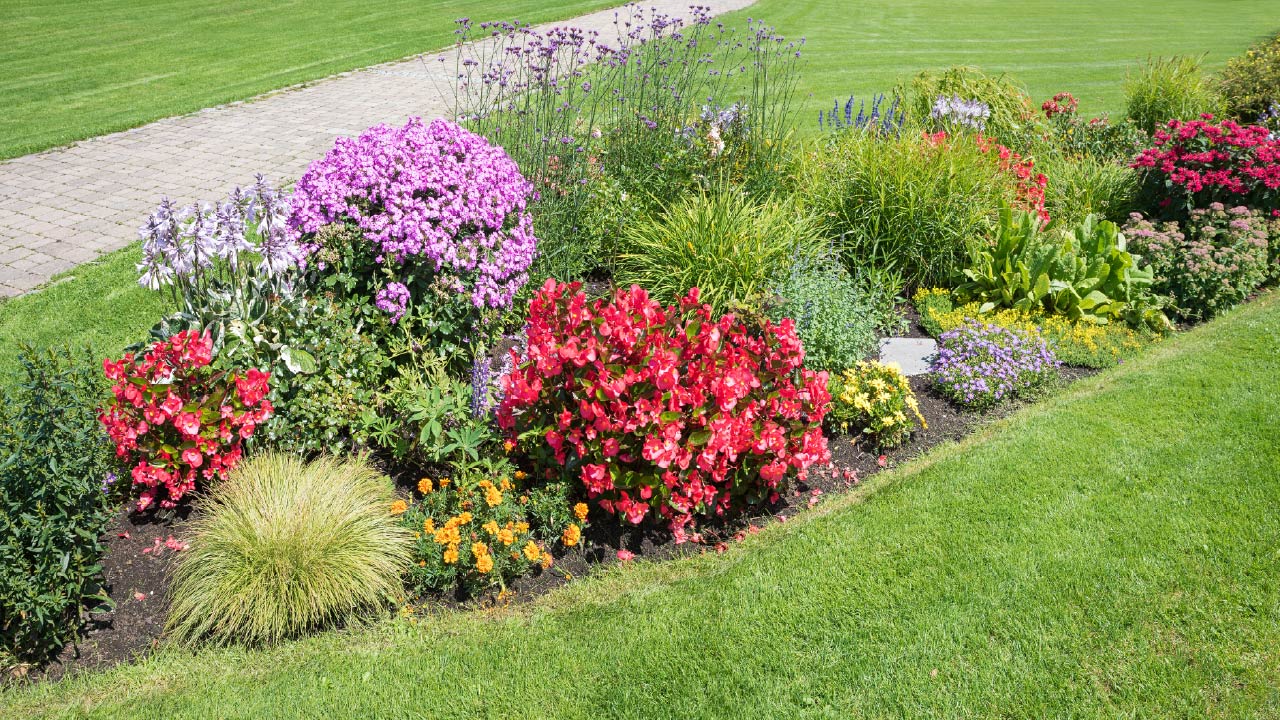
Designing a flower garden in the fall can be a delightful experience, especially when you focus on creative garden layout ideas. A well-thought-out layout not only enhances the beauty of your garden but also makes it functional and accessible. Whether you’re a seasoned gardener or a beginner, incorporating key elements like focal points, pathways, and borders can transform your garden into a stunning autumn retreat.Creating Focal Points
Focal points draw the eye and create a sense of order and interest in your garden. Consider adding a striking sculpture, a birdbath, or a unique plant arrangement. I once added a vintage metal bench in my garden, surrounded by chrysanthemums and ornamental grasses. It became a favorite spot to enjoy the crisp fall mornings with a cup of coffee. What element could you add to make your garden uniquely yours?Incorporating Pathways And Borders
Pathways guide you through your garden, making it easy to navigate while adding structure. Simple stone paths or wooden stepping stones can add a rustic charm. Borders, on the other hand, help define your garden beds and keep everything tidy. Use materials like bricks or stones to create clean lines. A friend of mine used sunken logs for an eco-friendly border that blended seamlessly with the autumn landscape. What creative ideas can you think of to enhance your garden’s pathways and borders?Preparing The Soil
Preparing the Soil Ensure your flower garden thrives by enriching the soil with compost. Remove weeds and debris to create a clean slate. Turn the soil to improve drainage and aeration, setting the foundation for healthy blooms.
Preparing the Soil Fall is the perfect time to prepare your flower garden’s soil. Healthy soil ensures your plants thrive, offering vibrant blooms. Start by assessing the soil’s condition. Check for compaction, drainage, and nutrient levels. Addressing these factors lays a solid foundation for a blooming spring garden.Composting Techniques
Composting enriches soil with organic matter. Collect kitchen scraps like fruit peels and vegetable leftovers. Add yard waste such as leaves and grass clippings. Layer these materials in a compost bin. Turn the pile weekly to aerate it. Composting speeds up decomposition. After a few months, you’ll have rich compost to nourish your garden.Using Mulch Effectively
Mulch protects soil and retains moisture. It prevents weed growth and adds nutrients as it breaks down. Choose organic mulch like wood chips or straw. Spread a 2-3 inch layer over your flower beds. Keep mulch away from plant stems to prevent rot. Mulching in fall helps insulate roots during winter.Planting Strategies
Designing a flower garden in fall requires strategic planning. The right planting strategies ensure vibrant blooms come spring. Consider specific techniques to optimize growth and beauty.
Spacing And Depth Considerations
Proper spacing gives plants room to grow. Crowded plants compete for nutrients and light. Allow enough space between each plant.
Depth is crucial for root health. Plant bulbs at the right depth for optimal growth. Generally, dig holes two to three times the bulb height. Adjust based on soil type and bulb size.
Watering Essentials
Watering is key to successful planting. Keep soil moist, not soggy. Overwatering can harm roots and promote disease.
Water newly planted areas deeply. This encourages strong root development. Check soil moisture regularly, especially in dry spells.
Maintenance Tips
Design a vibrant flower garden in fall by choosing hardy blooms and planning for color contrast. Prepare the soil by adding compost and mulch to maintain moisture and warmth. Arrange plants in layers for a fuller look and ensure they receive adequate sunlight.
Maintaining your flower garden in the fall ensures vibrant blooms next spring. Regular care keeps plants healthy and beautiful. Understanding key maintenance tasks can transform your garden into a colorful paradise. Here are some essential tips for nurturing your fall garden.Pruning For Health
Pruning helps plants grow stronger. Trim dead or diseased branches to boost growth. Cut back perennials to encourage new blooms. Use clean, sharp tools for precise cuts. Avoid over-pruning to prevent stress on plants. Proper pruning enhances beauty and health.Pest And Disease Management
Monitor plants for signs of pests. Look for holes in leaves or damaged stems. Use organic sprays to deter insects safely. Remove infected plants to stop disease spread. Keep the garden clean to reduce pest habitats. Healthy plants resist pests better. Regular checks ensure a thriving garden. Maintain your garden with care. It rewards you with lush blooms.Enhancing Garden Aesthetics
Designing a flower garden in fall offers a unique opportunity. You can enhance its aesthetics with thoughtful additions. Fall gardens can be vibrant and inviting. With the right touches, they become magical spaces.
Adding Decorative Elements
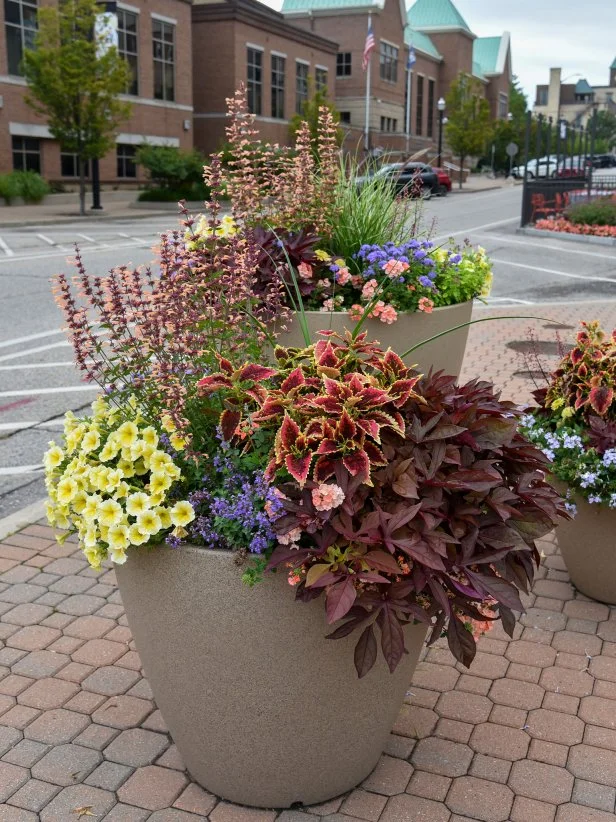
Incorporate charming decorations to elevate your garden’s appeal. Use colorful pots and planters to add visual interest. Consider garden sculptures or statues for a focal point. Wind chimes can introduce soothing sounds. Bird baths attract wildlife, adding life to your garden. Choose elements that complement your garden’s style.
Lighting For Evening Ambiance
Lighting transforms your garden into a nighttime oasis. Solar-powered lights are eco-friendly and easy to install. String lights create a warm and cozy atmosphere. Pathway lights ensure safe navigation through your garden. Highlight unique plants with spotlights for dramatic effects. Lanterns add a rustic charm, perfect for fall evenings.

Credit: www.containedcreations.com
Credit: www.hgtv.com
Frequently Asked Questions
What Plants Thrive In Fall Flower Gardens?
Many plants thrive in fall gardens, including chrysanthemums, asters, and pansies. These flowers bloom beautifully in cooler temperatures. Consider adding ornamental grasses and kale for texture and color. These choices ensure a vibrant garden throughout the fall season.
How Can I Prepare Soil For Fall Planting?
Begin by clearing debris and weeds from the garden bed. Add compost to enrich the soil and improve drainage. Test soil pH and adjust accordingly with lime or sulfur. Proper soil preparation ensures healthy growth for fall plants.
What Colors Are Best For Fall Gardens?
Opt for warm colors like red, orange, and yellow. These hues reflect the autumn season and create a cozy ambiance. Combine with purple and white for contrast. Selecting the right colors enhances your garden’s visual appeal.
Can I Plant Bulbs In Fall Flower Gardens?
Yes, fall is ideal for planting spring-blooming bulbs like tulips and daffodils. Choose a sunny spot with well-draining soil. Plant bulbs at the recommended depth and water them well. This ensures beautiful blooms come spring.
Conclusion
Designing a flower garden in fall can be rewarding. The vibrant colors and cool weather create a unique atmosphere. Choose hardy plants that thrive in cooler temperatures. Plan your layout with care for maximum beauty. Consider pathways and plant arrangements for easy access.
Regular maintenance keeps your garden thriving. Water, prune, and protect from frost. Enjoy the peaceful ambiance of a fall garden. It’s a perfect way to connect with nature. Your garden can be a delightful retreat. Start planning today and watch your garden flourish.
Happy gardening!







