
Are you tired of watching your garden struggle under relentless rain every summer? If you’re passionate about gardening, you know the frustration of seeing your plants drown or rot in overly soggy soil.
But here’s the good news: container gardening can be your perfect solution. This method not only gives you control over your plants’ environment but also lets you showcase your creativity. Imagine vibrant blooms and lush greenery thriving despite the downpour! We’ll guide you through designing a container garden that flourishes even in the wettest conditions.
Get ready to transform your soggy garden woes into a thriving oasis, and keep reading to discover the secrets to success!
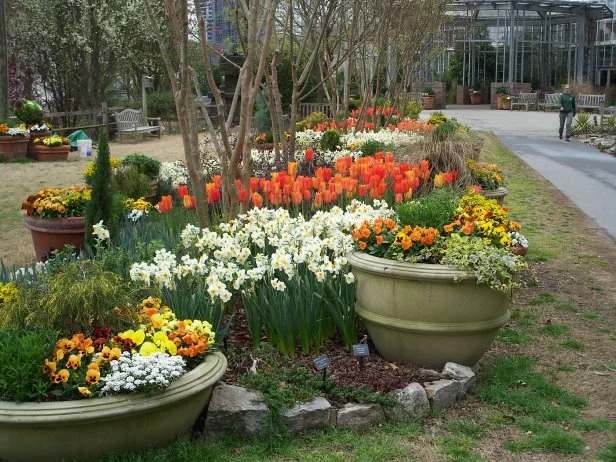
Credit: www.hgtv.com
Choosing The Right Containers
Selecting suitable containers prevents waterlogging in wet summers. Ensure containers have good drainage to keep plants healthy. Opt for materials like terracotta or ceramic for better moisture management.
Choosing the right containers for your container garden during wet summers is crucial for maintaining healthy plants and a vibrant outdoor space. With the right containers, you can ensure proper drainage, stability, and aesthetic appeal, which are all essential when battling excessive moisture. Let’s dive into the important considerations for selecting the perfect containers for your garden.Material Considerations
When selecting containers, the material is a key factor. Materials like terracotta are porous and allow for good airflow, which can be beneficial in wet climates as they help the soil dry out faster. However, they can also crack in colder weather, so consider using composite materials or plastic, which are more durable and retain heat better. Think about weight as well. Heavy containers like stone or ceramic can provide stability during strong winds or heavy rainfalls. On the other hand, lighter materials like fiberglass or plastic are easier to move, which might be a priority if you need to relocate plants quickly to shield them from harsh weather.Size And Shape Selection
Size and shape are just as important as material. Larger containers hold more soil, which can absorb more water, reducing the risk of waterlogging in heavy rain. They also offer more room for root growth, which is essential for plant health. Consider the shape as well. Taller containers can provide better drainage, allowing excess water to escape more effectively. But ensure they are stable enough not to tip over during a storm. Flat, wide containers can be ideal for plants with spreading roots, but they might need more frequent drainage checks. When you select your containers, think about how they fit together in your garden space. Do they create an appealing visual balance? Are you maximizing your space? These considerations can make your garden not only functional but also a delight to behold. Remember, your container choices can make or break your garden’s success during wet summers. Are you ready to make the right selections for thriving plants?Selecting Suitable Plants
Choosing the right plants is key for a container garden during wet summers. Opt for varieties that thrive in moist conditions, like ferns or hostas. Ensure proper drainage to prevent root rot and maintain healthy growth.
Selecting suitable plants for a container garden during wet summers is vital. Excessive moisture can pose challenges, but the right choices can thrive. Proper plant selection ensures your garden remains vibrant and healthy. Consider plants that tolerate wet conditions, resist diseases, and maintain beauty.Water-tolerant Species
Choose plants that love water. Many species thrive in wet environments. Consider plants like ferns, hostas, and astilbes. These plants enjoy the moisture and grow lush. They add texture and color to your garden. Native plants can also be a great option. They are naturally adapted to local conditions.Avoiding Root Rot
Root rot is a common problem in wet soil. To prevent it, select plants with strong roots. Look for varieties known for their resilience. Ensure pots have good drainage. This helps excess water escape. Using a layer of gravel can improve drainage. Regularly check plants for signs of rot. Remove affected parts promptly to save the plant.Soil And Drainage Solutions
Designing container gardens for wet summers involves selecting well-draining soil and choosing plants that thrive in moisture. Elevate pots to prevent waterlogging and ensure proper drainage by using materials like gravel at the bottom.
Soil and drainage are vital for container gardens during wet summers. Excessive rainfall can lead to waterlogged soil, harming plant roots. Implementing effective soil and drainage strategies ensures healthy growth. Discover how to enhance your container garden’s resilience.Optimal Soil Mix
Choose a well-draining soil mix. Combine quality potting soil with coarse sand or perlite. This blend prevents soil compaction and allows air flow. Add organic matter like compost for nutrients. Ensure the mix holds moisture without staying soggy. A balanced soil mix promotes strong roots and healthy plants.Improving Drainage
Ensure containers have adequate drainage holes. This allows excess water to escape, preventing root rot. Elevate pots slightly using small stones or pot feet. This increases airflow underneath. Consider adding a layer of gravel at the bottom. It aids in faster drainage. Regularly check and unclog holes. Effective drainage maintains optimal moisture levels.Placement Strategies
Choose containers with good drainage to prevent waterlogging during wet summers. Use moisture-loving plants like ferns and hostas for a thriving garden. Arrange plants strategically to ensure sunlight and proper air circulation.
Placement strategies are crucial for container gardens during wet summers. Thoughtful positioning ensures plants thrive despite excess moisture. Containers can be moved easily, allowing flexibility in finding the best spot for each plant.Sunlight And Shade
Sunlight levels affect plant growth significantly. Place containers where they receive optimal light. Some plants need full sun, while others prefer shade. Observe your garden’s light patterns throughout the day. Choose spots that balance light needs with moisture conditions. A mix of sun and shade can help reduce waterlogging risks.Wind Protection
Strong winds can damage plants and dry out soil. Locate containers where wind is less forceful. Near walls or hedges often provides natural windbreaks. This protects plants and helps maintain soil moisture. Avoid open areas where wind is strongest. Consider using screens or temporary barriers for extra shielding. Proper placement helps balance environmental factors. This ensures your container garden thrives during wet summers.Water Management Techniques
Designing a container garden during wet summers can be challenging. Excessive rain can lead to problems like waterlogging and plant diseases. Implementing effective water management techniques is crucial for success. These methods help maintain healthy plants even in heavy rains.
Using Mulch Effectively
Mulch can protect your container garden from excess moisture. It acts as a barrier, reducing evaporation and preventing soil compaction. Choose organic mulch like straw or wood chips for best results. Spread a 2-inch layer over the soil surface. This layer helps regulate soil temperature and retains essential nutrients.
Mulch also suppresses weed growth. Weeds compete with your plants for nutrients and water. By minimizing weeds, your plants have better access to resources. Remember to keep mulch away from plant stems. This prevents moisture buildup, which can lead to rot.
Avoiding Waterlogging
Waterlogged soil suffocates plant roots, leading to poor growth. To prevent this, ensure containers have drainage holes. These holes allow excess water to escape, keeping soil well-drained. Use a potting mix that drains easily. Avoid garden soil, as it tends to compact and retain water.
Elevate containers slightly to improve drainage. Placing containers on bricks or stands helps excess water flow away. Monitor your garden regularly. Check soil moisture by inserting a finger into the soil. Water only when the top inch is dry.
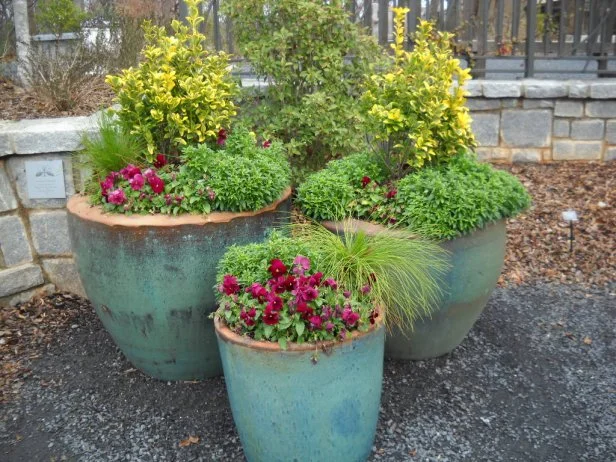
Credit: www.hgtv.com
Maintenance Tips
Designing a container garden for wet summers requires careful plant selection and drainage. Choose moisture-loving plants and ensure pots have drainage holes. Elevate containers slightly to prevent waterlogging.
Designing a container garden during wet summers can be challenging. Proper maintenance ensures your plants thrive despite frequent rain. Regular attention to plant health and garden conditions is crucial. Here are some maintenance tips to help your container garden flourish.Regular Inspections
Check your container garden daily. Look for signs of waterlogging. Ensure pots have proper drainage to prevent root rot. Assess soil moisture by touch. If the soil feels wet, avoid watering. Remove dead leaves and debris. This prevents fungus and mold growth.Pest And Disease Control
Wet conditions attract pests and diseases. Inspect plants for signs of infestation. Use organic pesticides to manage pests. Keep foliage dry to prevent fungal infections. Space plants to improve air circulation. This reduces the risk of mildew and other diseases. Trim affected areas to contain spread. Clean tools after use to prevent disease transfer.Creative Design Ideas
Designing container gardens for wet summers involves selecting plants that thrive in moisture-rich conditions. Choose containers with good drainage to prevent root rot. Incorporate colorful foliage and hardy flowers to add vibrancy and resilience against excessive rainfall.
Creating a container garden during wet summers can be a delightful experience. The abundance of water offers unique design opportunities. Embrace the moisture and explore creative ideas to make your garden thrive. From vertical arrangements to vibrant color mixes, every element can enhance your garden’s beauty and functionality. Dive into these design concepts and transform your space into a lush oasis.Vertical Gardening
Vertical gardening is perfect for small spaces. Utilize walls, fences, or trellises to elevate your plants. Choose waterproof containers to protect against excess moisture. Opt for cascading plants like ferns and ivy. They add depth and texture. Hang pots at varying heights for visual interest. This method maximizes space and keeps plants away from soggy ground.Color And Texture Combinations
Mix colors and textures for a striking garden display. Use bright flowers like marigolds and petunias. They contrast beautifully with leafy greens. Incorporate plants with different leaf shapes. This adds variety and intrigue. Select a mix of hardy and delicate plants. Ensure they flourish in wet conditions. Group contrasting colors for a vibrant look. Use pots of different materials for added texture. This creates a visually dynamic garden.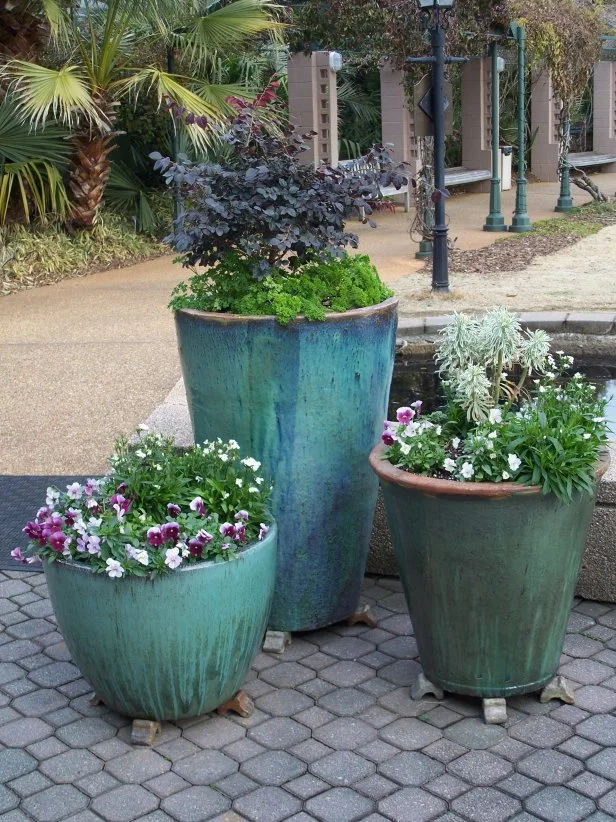
Credit: www.hgtv.com
Frequently Asked Questions
How Can I Protect Container Plants From Excess Rain?
Excess rain can damage container plants. Use well-draining soil and elevate containers to prevent waterlogging. Consider using saucers to catch overflow. Move containers to sheltered areas during heavy rainfall. Regularly check for drainage blockages to ensure plants remain healthy.
What Are The Best Plants For Wet Summers?
Choose plants that thrive in moist conditions. Ferns, hostas, and astilbes are excellent choices. These plants tolerate wet soil and flourish in high humidity. Ensure proper drainage to avoid root rot. Research plant compatibility with your region’s climate for optimal growth.
How Do I Prevent Root Rot In Containers?
To prevent root rot, ensure containers have proper drainage. Use soil mixes designed for containers, which improve drainage. Water plants sparingly and avoid waterlogging. Elevate pots on stands to enhance airflow. Regularly inspect plants for signs of root rot and act promptly.
Can I Use Mulch In Container Gardens?
Yes, mulch helps retain moisture and regulate soil temperature in container gardens. Use organic mulch like shredded bark or straw. Apply a thin layer to prevent soil compaction and weeds. Mulch also enhances the aesthetic of your container garden and protects roots.
Conclusion
Creating a container garden in wet summers is achievable. Choose water-tolerant plants. Drainage is key. Use containers with drainage holes. Elevate pots to avoid waterlogging. Consider using lightweight soil mixes. These dry faster. Place containers in spots with good airflow.
This helps prevent mold. Keep an eye on your plants. Adjust care as needed. Enjoy your vibrant, thriving garden. Even in the rain. With these tips, your container garden will flourish beautifully. Happy gardening!







