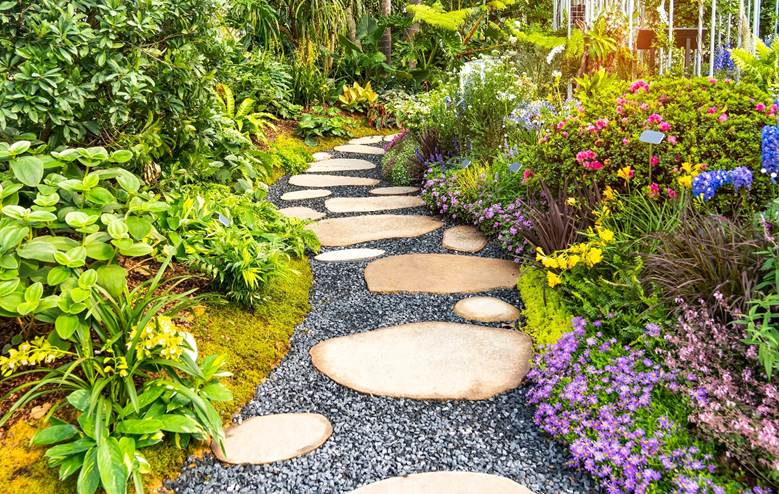
Imagine stepping into your backyard and being greeted by a beautiful, inviting walkway leading to your garden. This path is not just functional; it’s a stunning feature that enhances the overall look of your outdoor space.
If you’ve been dreaming of designing a back walkway with garden pavers and gravel, you’re in the right place. This article will guide you through creating a pathway that’s not only practical but also a feast for the eyes. You might be wondering why you should care about the design of your walkway.
Well, your back walkway is more than just a route to your garden. It’s an opportunity to add charm, style, and value to your home. By the end of this article, you’ll have the knowledge and inspiration to transform your outdoor area into an elegant escape, making every stroll to your garden a delightful experience. Get ready to unleash your creativity and make the most of your outdoor space!
Planning Your Walkway
Planning your walkway is crucial for creating a garden path that enhances your outdoor space. A well-designed walkway adds beauty and functionality to your garden. The planning phase sets the foundation for the entire project. Let’s explore how to design an effective walkway.
Choosing The Right Location
Start by identifying where your walkway should be. Consider areas that connect key spots in your garden. The path should lead guests to focal points like a seating area or a fountain. Think about the natural flow of movement in your garden. The location should complement existing elements and provide easy access. Avoid areas with unstable ground or water drainage issues.
Considering The Path’s Purpose
Determine the main purpose of your walkway. Is it a simple path to guide guests, or a focal point itself? A functional path should be wide enough for comfortable walking. Choose a width that suits the expected foot traffic. For decorative paths, focus on aesthetics and unique designs. Ensure the path aligns with your garden’s overall theme. Decide if the walkway will be straight or curvy. Curved paths add interest and help blend the walkway into the landscape.
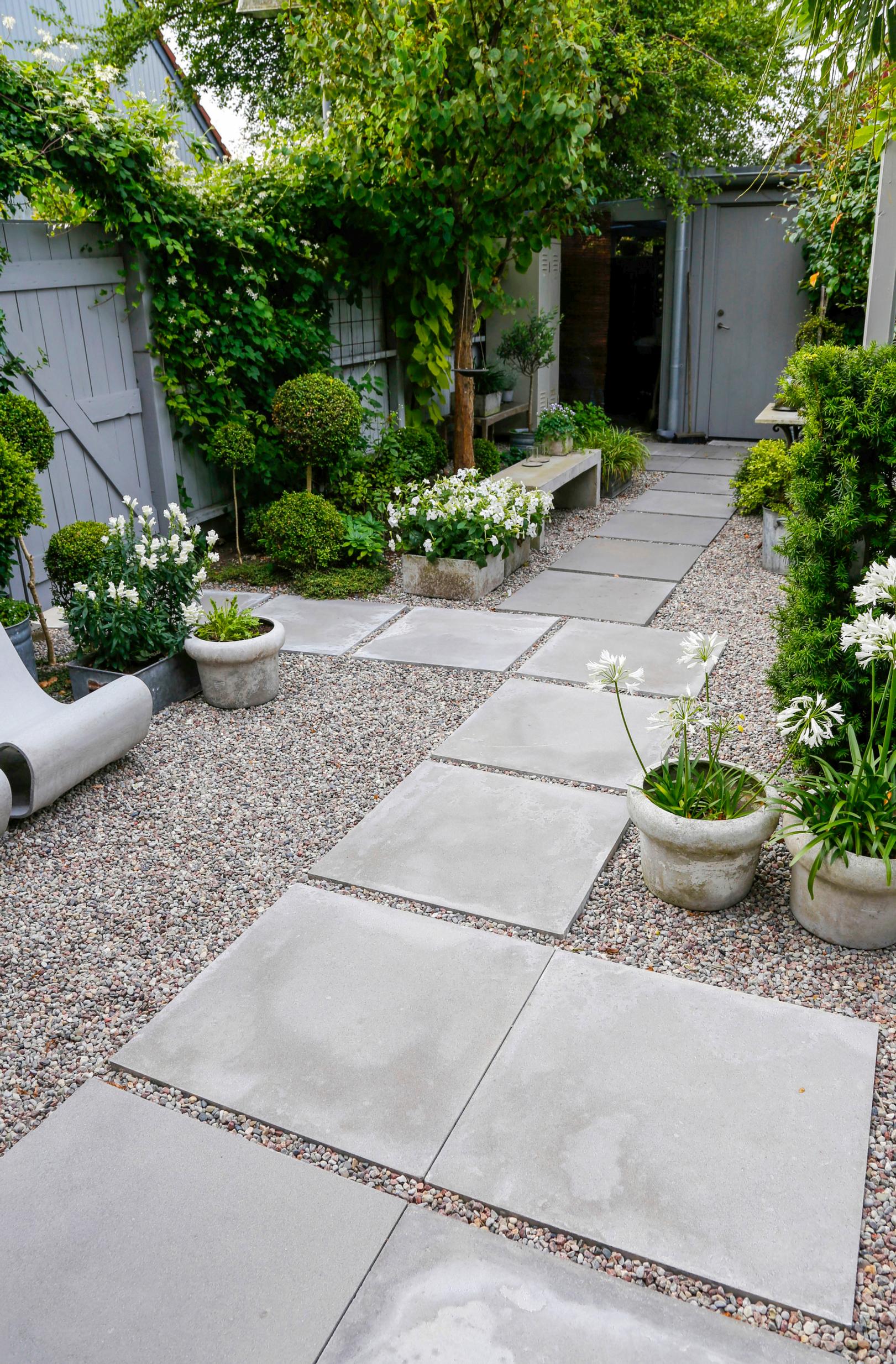
Credit: www.kotona.com
Selecting Materials
Choosing the right materials for a garden walkway involves balancing aesthetics and functionality. Pavers offer durability and a neat look, while gravel adds texture and drains water well. Mixing these elements creates a charming path that complements any garden design.
Creating a beautiful back walkway to your garden involves more than just a functional path; it’s about choosing the right materials that will complement your outdoor space. The materials you choose can significantly affect the aesthetics, durability, and maintenance of your walkway. A well-selected combination of garden pavers and gravel can add both character and practicality to your garden path, making it a welcoming and enjoyable feature.Benefits Of Garden Pavers
Garden pavers offer a variety of benefits that make them a popular choice for walkways. Their durability is unmatched, providing a long-lasting surface that can withstand heavy foot traffic and harsh weather conditions. They are available in a wide range of styles, colors, and textures, allowing you to customize your walkway to match your garden’s theme. Whether you prefer a rustic cobblestone look or a sleek modern design, pavers can provide the aesthetic appeal you desire. Maintenance is straightforward with pavers. You can easily replace individual damaged pieces without disturbing the entire path. This means your walkway can always look its best with minimal effort.Advantages Of Gravel
Gravel is an excellent material for adding a natural, relaxed feel to your garden path. It’s an affordable option that offers flexibility in design, as it can be easily shaped and adjusted to fit the contours of your garden space. The drainage capabilities of gravel are a significant advantage, especially in areas with heavy rainfall. It helps prevent water pooling, reducing the risk of damage and maintaining a dry, safe path. Gravel can also be a versatile design element. By choosing different sizes and colors, you can create interesting patterns and contrasts, enhancing the visual appeal of your garden walkway. When selecting materials for your garden path, consider how each option aligns with your aesthetic preferences, budget, and practical needs. Would you prefer the structured elegance of pavers or the organic charm of gravel?Designing The Pathway
Creating a beautiful back walkway to your garden involves thoughtful design. The pathway should blend with your garden’s aesthetics. It should also offer functionality and charm. A well-planned pathway can transform your garden experience.
Creating A Layout
Start by sketching a simple layout on paper. Consider your garden’s shape and size. Decide where you want the path to begin and end. Use a tape measure to mark the path’s width on the ground. Ensure it’s wide enough for easy walking. A standard width is about 3 feet.
Next, think about the materials. Pavers and gravel offer a rustic look. Choose materials that match your garden’s theme. Use stakes and string to outline the path’s shape. This visual aid helps you refine the layout. Adjust the path’s length and width as needed.
Incorporating Curves And Angles
Curves add a natural flow to the walkway. They create visual interest and guide the eye. Use curves to navigate around garden features. Avoid sharp angles; they can disrupt the path’s harmony.
Angles can highlight specific areas. Use them to direct attention to a focal point. Balance curves and angles for a pleasing effect. Experiment with different shapes to see what fits best.
Consider the path’s edges. Soft curves with gentle angles enhance the garden’s tranquility. Use edging materials to define the path’s boundaries. This keeps the path tidy and appealing.
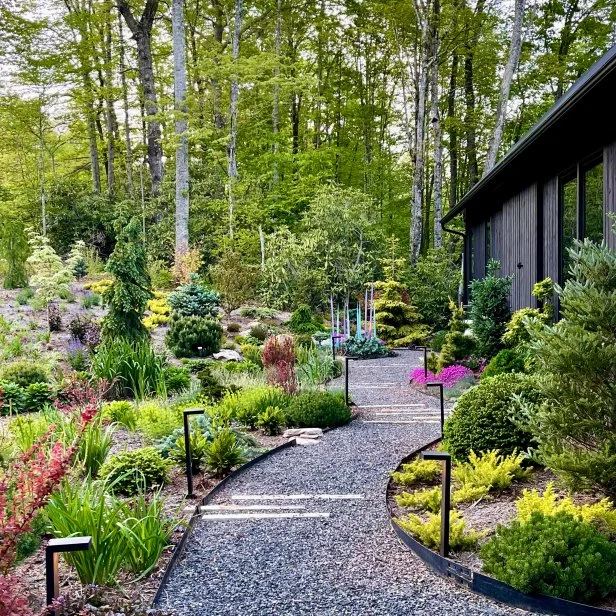
Credit: www.hgtv.com
Preparing The Ground
Preparing the ground for your back walkway to garden pavers and gravel is a crucial step that sets the foundation for a durable and aesthetically pleasing path. Think of this as laying the groundwork for a project that will enhance your garden’s accessibility and charm. Clearing the AreaStart by removing any existing vegetation, rocks, or debris in the area where you plan to lay the walkway. Use a garden shovel or a rake to clear the space thoroughly. It’s essential to have a clean slate to ensure the longevity and stability of your walkway. A well-cleared area also helps you visualize the path and make any necessary adjustments before you proceed.
Proper drainage is vital to prevent water pooling, which can undermine the stability of your pathway over time. Consider the slope of your garden and make sure it directs water away from the walkway. You might need to dig a slight trench or add gravel to areas that are prone to collecting water. This step ensures that your walkway remains safe and intact through various weather conditions.
Have you ever noticed how water can transform a simple garden path into a slippery obstacle course? By prioritizing drainage, you avoid these inconveniences and create a more enjoyable garden experience.
Installing Pavers
Designing a back walkway to your garden with pavers and gravel creates a charming path. Choose durable pavers and complement them with decorative gravel. Arrange in a pattern that guides visitors naturally to the garden space.
Designing a walkway to your garden with pavers and gravel can transform your outdoor space, adding both functionality and visual appeal. Installing pavers is a critical step in this process, offering a durable and attractive surface that can withstand weather and foot traffic. By carefully laying the foundation and arranging the pavers, you create a lasting path that invites exploration and enjoyment.Laying The Foundation
Before you lay the pavers, you must prepare a solid foundation. Begin by marking the path with stakes and string to ensure a straight line. Excavate the area to a depth of about six inches. This allows room for the gravel base and pavers. Add a layer of gravel and compact it thoroughly. This step is crucial for drainage and stability. Consider using a landscape fabric between the soil and gravel. It prevents weeds from growing through your path, saving you maintenance time later.Arranging Pavers
Once the foundation is ready, it’s time to arrange your pavers. Start from one end and work your way to the other, ensuring each paver is level. Use spacers to maintain consistent gaps between the pavers. This not only looks professional but also allows for expansion and contraction due to temperature changes. You might find a rubber mallet handy for gently tapping the pavers into place. This ensures they are snug and secure. Fill the gaps with fine sand or gravel, sweeping it across the pavers to fill the joints. This locks the pavers in place, preventing movement. Finally, consider the aesthetics. Do you prefer a uniform look or a more random pattern? Your choice can make a significant impact on the overall vibe of your garden path.Adding Gravel
Design a charming garden walkway by mixing pavers with gravel. Choose pavers that complement your garden’s style. Fill gaps with gravel for a natural look and improved drainage.
Adding gravel to your garden walkway enhances its beauty and functionality. Gravel provides a natural look and ensures proper drainage. It’s an affordable option that complements garden pavers beautifully. Once you’ve selected the right type of gravel, the next step is to spread it evenly and maintain its stability.Spreading Gravel Evenly
Begin by preparing the walkway surface. Ensure it’s clean and level. Use a shovel to distribute the gravel across the path. Aim for a uniform layer, about two to three inches thick. Use a rake to spread the gravel evenly. Check for any uneven spots and adjust as needed. Consistency in thickness prevents dips and bumps in your walkway.Maintaining Gravel Stability
Keep the gravel stable to ensure a long-lasting walkway. Use edging materials like bricks or metal strips. These help to keep the gravel in place. Compact the gravel using a tamper or roller. This process locks the stones together. Refill any areas where the gravel may have shifted. Regular maintenance checks will ensure a stable and attractive walkway.Enhancing Aesthetic Appeal
Designing a back walkway with garden pavers and gravel enhances visual charm effortlessly. Choose complementary colors and textures for a cohesive look. Arrange pavers in creative patterns to add interest and character.
Designing a back walkway with garden pavers and gravel can transform your outdoor space into a stunning visual delight. Enhancing its aesthetic appeal involves thoughtful planning and creative ideas. By adding elements like plants, borders, and lighting, you can elevate the beauty of your pathway and create a welcoming journey to your garden.Incorporating Plants And Borders
Integrating greenery along your walkway adds a natural charm that can make your path feel like a serene escape. Choose plants that complement the garden style, such as lavender for a cottage feel or succulents for a modern look. Consider adding borders with bricks or timber for a defined edge that prevents gravel from spilling onto your garden beds. This not only keeps the walkway neat but also adds an architectural element to your landscape.Lighting The Pathway
Lighting is essential for both safety and ambiance, especially if you enjoy evening strolls. Solar-powered lights are eco-friendly and cost-effective, casting a gentle glow without the need for wiring. For a dramatic effect, use spotlights to highlight key features like a water fountain or a particularly striking plant. This creates focal points that draw the eye and enhance the overall beauty of your garden. Have you thought about how lighting can transform a simple walkway into a magical path? With the right choices, your garden walkway can become an enchanting feature all year round.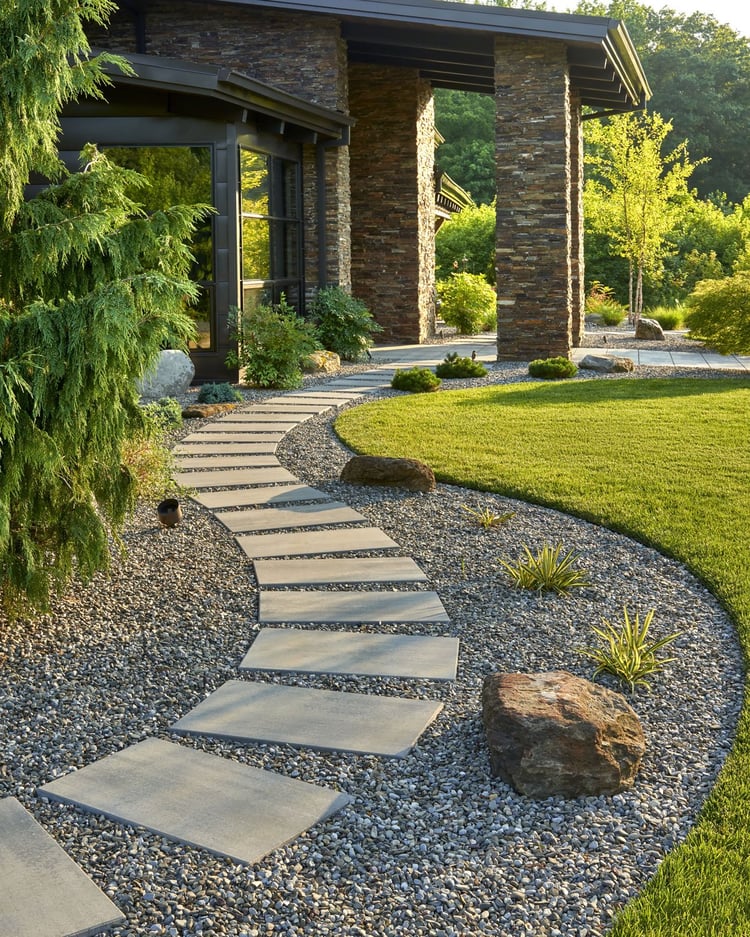
Credit: blog.techo-bloc.com
Maintenance Tips
Designing a back walkway with garden pavers and gravel enhances the outdoor space. Ensure pavers are level for a safe path. Regularly check gravel to prevent weeds and maintain a neat appearance.
Maintaining your garden walkway ensures it stays beautiful and functional. Regular care prevents damage and extends the life of your pavers and gravel. Let’s explore essential tips to keep your walkway in top shape.Regular Cleaning
Dirt and debris can accumulate on your walkway. Sweep the surface weekly to remove leaves and dirt. Use a garden hose to wash away stubborn stains and mud. For tough spots, a mild detergent can help. Ensure you rinse thoroughly to avoid residue.Repairing Damaged Sections
Inspect your walkway regularly for cracks or uneven areas. Remove any loose pavers, and fill gaps with fresh gravel. For cracked pavers, replace them promptly to prevent further damage. Use a level to ensure even alignment. Regular checks make repairs manageable and keep your walkway safe.Frequently Asked Questions
How To Choose Garden Pavers For Walkways?
Choosing garden pavers involves considering durability, aesthetics, and budget. Select materials like concrete, brick, or stone for longevity. Ensure the pavers complement your garden’s style and color scheme. Factor in cost and maintenance requirements to make an informed decision that enhances your garden walkway.
What Is The Best Gravel For Garden Paths?
The best gravel for garden paths is pea gravel or crushed stone. Pea gravel offers a smooth texture and is comfortable underfoot. Crushed stone provides stability and is ideal for areas with high foot traffic. Both options allow for effective drainage and blend seamlessly with natural landscapes.
How To Install Pavers In A Garden Walkway?
To install pavers, first clear and level the area. Lay a gravel base and compact it. Position pavers on sand, ensuring they fit tightly together. Tap them into place and fill gaps with sand or gravel. Regularly check for level and adjust as needed for a smooth finish.
Can You Combine Gravel And Pavers?
Yes, combining gravel and pavers creates a visually appealing and functional walkway. Use pavers as stepping stones within gravel for an elegant look. This combination allows for excellent drainage and reduces maintenance. It offers versatility in design while enhancing your garden’s aesthetic and accessibility.
Conclusion
Creating a beautiful walkway enhances your garden’s charm. Pavers offer durability and style. Gravel adds a rustic touch. Combine them for a unique look. Start by planning your design. Think about the walkway’s size and shape. Choose pavers that match your garden theme.
Lay them out carefully. Fill gaps with gravel. This balance brings function and beauty. Maintenance is simple. Regular cleaning keeps your path looking fresh. Enjoy your new garden walkway. It invites relaxation and exploration. Perfect for peaceful strolls and nature admiration.
Your garden becomes a personal paradise. Simple steps create lasting joy.







