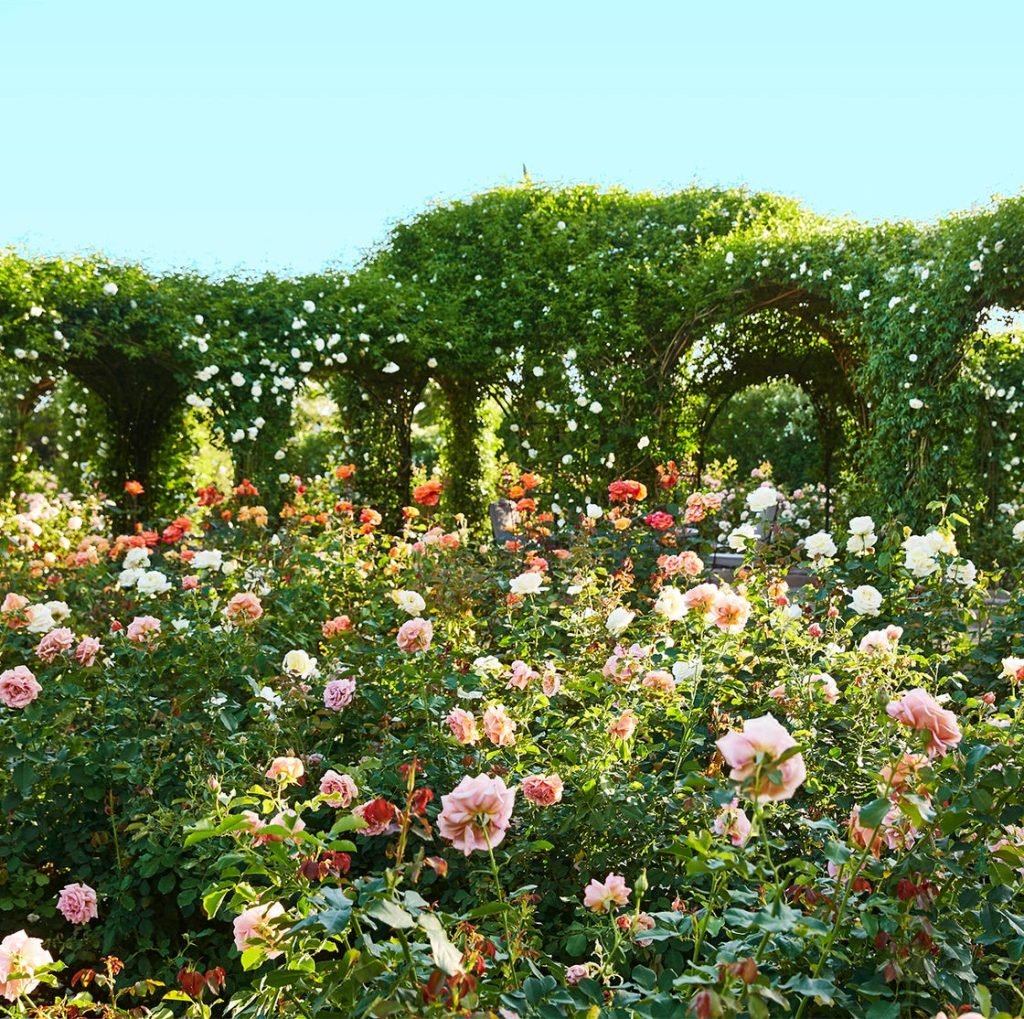
Imagine stepping into your backyard and being greeted by the enchanting scent of roses. Their vibrant colors and delicate petals can turn any garden into a captivating oasis.
Designing and planting a rose garden isn’t just about aesthetics; it’s about creating a personal sanctuary that reflects your taste and passion for nature. But where do you start? How do you choose the right roses and arrange them to create a stunning display?
This guide is here to answer those questions, offering you simple, actionable steps to transform your outdoor space into a blooming paradise. Dive in to discover the secrets to crafting a rose garden that will leave your neighbors in awe and provide you with endless joy.
Choosing The Right Location
Choosing the Right Location Pick a sunny spot with at least six hours of direct sunlight for a thriving rose garden. Ensure good drainage to prevent root rot and consider wind protection for delicate blooms.
Choosing the right location for your rose garden is crucial. Roses need specific conditions to thrive. Picking the perfect spot ensures vibrant blooms and healthy plants. Consider sunlight, soil, and water drainage. Each factor plays a vital role in your garden’s success.Sunlight Requirements
Roses love sunlight. They need at least six hours daily. Choose a spot with ample morning sun. Morning light helps dry leaves, reducing disease risk. Avoid areas with too much shade. Shaded spots lead to poor growth and fewer flowers.Soil Considerations
The right soil is essential for roses. They prefer well-drained, loamy soil. Test your garden soil’s pH level. Aim for a pH between 6.0 and 6.8. This range supports nutrient absorption. Amend soil with organic matter if needed. Compost or well-rotted manure works well.Water Drainage
Good drainage is key for healthy roses. Poor drainage can cause root rot. Avoid low-lying areas where water pools. Raised beds improve drainage and root health. Ensure your garden’s soil drains well after rain. Consider adding sand or gravel for better drainage.Selecting Rose Varieties
Selecting rose varieties can shape the beauty of your garden. Consider climate and soil before choosing. Fragrant blooms add charm and attract pollinators.
Selecting the right rose varieties is a crucial step in designing a thriving rose garden. With countless options available, making informed choices can transform your garden into a vibrant oasis. Consider factors like climate, color, fragrance, and disease resistance to ensure your roses flourish and captivate your senses.Climate-suitable Varieties
Roses are sensitive to climate, and choosing varieties suited to your region can make all the difference. If you live in a colder area, look for hardy varieties that withstand frost, such as the Rugosa rose. In warmer climates, opt for heat-tolerant roses like the Knock Out series. Research local nurseries or gardening centers for advice tailored to your local conditions.Color And Fragrance Preferences
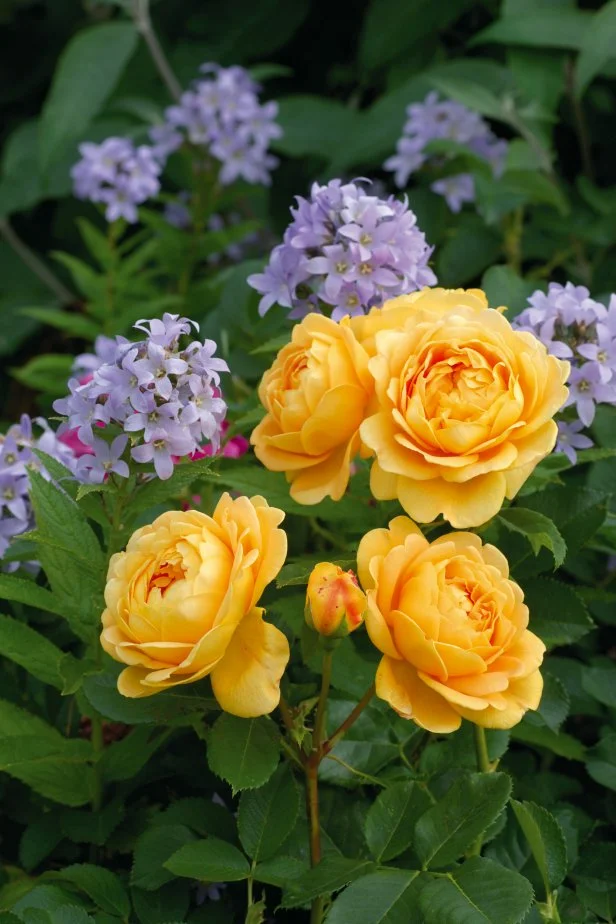
Your garden is an expression of your personality, and roses offer a dazzling palette of colors and scents. Do you prefer classic reds or vibrant yellows? Consider how the colors will complement your existing garden landscape. Fragrance is equally important; some roses offer strong perfumes while others are more subtle. Imagine walking through your garden and being greeted by your favorite scents. Make choices that evoke joy and relaxation.Disease Resistance
Disease resistance is a vital consideration for rose gardeners. Some varieties are prone to common issues like black spot or powdery mildew. Choose roses bred for resistance to these diseases, such as the Carefree Wonder or the Flower Carpet series. This reduces the need for chemical treatments and ensures healthier plants. Consult with local gardening experts to find varieties known for their resilience in your area. Each decision in selecting rose varieties shapes the beauty and longevity of your garden. What choices will you make to create your perfect rose sanctuary?Garden Design Essentials
Creating a rose garden can be a rewarding experience. Understanding garden design essentials is key. This foundation sets the stage for a thriving and beautiful space. Whether you’re a novice or experienced gardener, a well-planned layout makes all the difference. Let’s explore the essential elements.
Layout And Spacing
Start with a clear plan for your garden layout. Roses need ample space to grow. Arrange them with at least 2-3 feet apart. This ensures good air circulation and healthy growth. Group roses by color or type to create visual harmony. Consider the garden’s shape and size for the best arrangement.
Complementary Plants
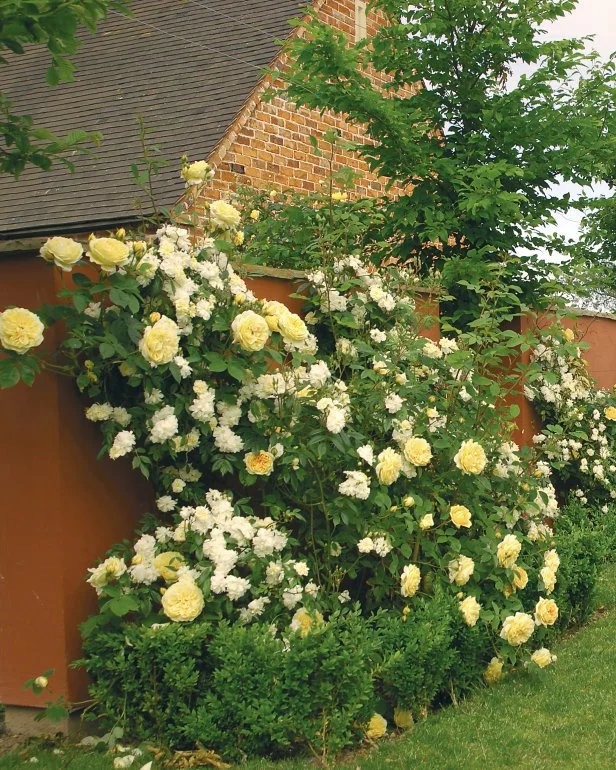
Choose plants that enhance your roses. Lavender, catmint, and salvia are great companions. They add color and fragrance. These plants also attract beneficial insects. This keeps pests away from your roses. Ensure these plants have similar sunlight and water needs. This prevents competition for resources.
Pathways And Borders
Pathways provide easy access to your roses. Use gravel, stone, or mulch for a natural look. Ensure paths are wide enough for comfortable walking. Borders define the garden’s edges. Use low hedges or decorative fences. This adds structure and keeps the garden tidy. Borders also help in managing plant spread.
Credit: www.hgtv.com
Preparing The Soil
Designing a rose garden isn’t just about choosing the perfect blooms; it’s also about ensuring the soil is primed for success. Healthy soil is the foundation upon which your roses will thrive. Before you start planting, you need to prepare the soil to provide your roses with the nutrients they need. This involves a few key steps that will help your rose garden flourish.
Soil Testing And Amendments
Understanding your soil’s current state is crucial. Invest in a soil testing kit to check for pH levels and nutrient deficiencies. These tests reveal whether your soil is acidic, neutral, or alkaline, which directly affects the health of your roses.
Once you know the results, you can make amendments. If the soil is too acidic, lime can neutralize it. For alkaline soil, sulfur might be necessary. Adjusting the soil’s pH ensures that your roses can absorb nutrients efficiently.
Composting And Fertilization
Composting is a natural way to enrich your soil. It adds organic matter, improving soil structure and nutrient content. Start a compost pile with kitchen scraps and garden waste, and let it mature over a few months.
When ready, spread the compost evenly over your garden bed. This not only provides nutrients but also improves moisture retention. Complement compost with a balanced fertilizer, focusing on one with phosphorus, which is crucial for flower production.
Tilling And Aeration
Tilling breaks up compacted soil, allowing roots to penetrate easily. Use a garden fork or tiller to loosen the soil to a depth of about 12 inches. This ensures your roses have room to grow and access to air and water.
Aeration is equally important. It increases oxygen flow and helps water reach deeper layers. Consider using a garden aerator or simply poking holes in the soil with a stick. This process mimics the natural burrowing of earthworms, which is vital for healthy soil.
As you prepare your soil, ask yourself: Are you ready to invest the time and effort for thriving roses? With well-prepared soil, your roses can bloom beautifully, rewarding your hard work with vibrant colors and enchanting fragrances.
Planting Techniques
Create a beautiful rose garden with thoughtful design and proper planting techniques. Choose a sunny spot with well-draining soil. Arrange roses by color and height for a pleasing layout.
Planting roses is a delightful and rewarding endeavor that can transform any garden into a vibrant oasis. Whether you’re a seasoned gardener or a novice, understanding the right planting techniques is crucial for nurturing these beautiful blooms. Let’s delve into some essential tips to ensure your rose garden thrives.Bare Root Vs. Potted Roses
Choosing between bare root and potted roses can significantly impact your gardening success. Bare root roses, typically planted in early spring, offer the advantage of establishing quickly as they awaken with the season. They might seem like lifeless twigs but don’t be deceived—once planted, they spring to life with astonishing vigor. On the other hand, potted roses provide the flexibility to plant any time during the growing season. They come with established roots and foliage, giving you instant gratification. However, they require more attentive care initially to ensure they acclimate well to their new environment. Consider what fits your schedule and gardening style. Do you prefer the patient anticipation of bare root roses or the immediate beauty of potted ones?Planting Depth And Spacing
Proper planting depth is crucial for the health of your roses. Aim to plant bare root roses with the graft union just above the soil line. This allows the plant to anchor itself firmly and encourage robust growth. For potted roses, plant them at the same depth they were in their container to avoid stress. Spacing is equally important—roses need room to breathe. Crowding can lead to disease and poor growth. Ensure a gap of about 18 to 36 inches between plants, depending on the variety. Remember, roses flourish when they have ample space to spread their roots and petals. Have you ever noticed how crowded plants struggle to bloom? Give your roses the space they deserve.Mulching And Watering
Mulching is your rose garden’s best friend. It helps retain moisture, suppress weeds, and maintain a stable soil temperature. Apply a layer of organic mulch like shredded bark or straw, leaving a small gap around the base of each rose to prevent rot. Watering requires a delicate balance. Roses need deep watering to establish strong roots, but overwatering can lead to disease. Aim for watering once a week, adjusting for climate and soil conditions. A drip irrigation system can be a practical solution to ensure consistent moisture levels. Did you know that overwatering can be more harmful than underwatering? Monitor the soil moisture, and let your roses teach you what they need. By embracing these planting techniques, you’ll set the foundation for a flourishing rose garden. Your roses will reward you with beauty and fragrance, making every effort worthwhile.
Credit: www.youtube.com
Caring For Roses
Designing and planting a rose garden involves selecting the right rose varieties and preparing the soil carefully. Arrange plants with enough space for growth and consider sunlight needs. Regular watering and pruning keep roses healthy and vibrant, enhancing the beauty of your garden year-round.
Caring for roses is both an art and a science. To keep your rose garden thriving, you need to focus on a few key areas. With the right care, you can enjoy vibrant blooms and healthy plants all season long.Pruning And Deadheading
Pruning is essential for maintaining the shape and health of your rose bushes. Trim back dead or weak stems to encourage new growth and improve air circulation. Deadheading, or removing spent blooms, promotes continued blooming and keeps your garden looking tidy. Don’t be afraid to get hands-on with your roses. Regularly check for any stems that cross each other. This can prevent disease and ensure that your roses have room to flourish.Pest And Disease Control
Roses can fall prey to various pests and diseases. Keep an eye out for common issues like aphids, black spot, and powdery mildew. Using a gentle soap spray can be an effective way to control pests without harming beneficial insects. You might be surprised at how effective a simple water spray can be in dislodging aphids. Check your roses regularly, as early intervention is key to keeping your plants healthy.Seasonal Maintenance
Roses need different care at different times of the year. In spring, focus on feeding and mulching to give your roses a strong start. Summer is the time to keep them watered and deadheaded. Autumn is perfect for another round of pruning and preparing your roses for winter. Have you considered adding a layer of mulch to protect the roots from frost? Your roses will thank you come springtime.Enhancing Garden Aesthetics
Enhancing your rose garden’s aesthetics creates a visual delight. With the right elements, you can transform your garden into a charming sanctuary. Consider adding decor, water features, and lighting to elevate its beauty. Each element adds a unique touch, making your garden a personal paradise.
Using Garden Decor
Garden decor adds personality and charm. Choose items that complement your roses. Statues, trellises, and benches blend well. Select colors that enhance rose hues. Arrange them thoughtfully for a balanced look. Keep decor minimal to avoid clutter. Let the roses remain the focal point.
Incorporating Water Features
Water features bring tranquility. A small pond or fountain works wonders. The sound of water soothes the soul. It attracts birds, adding life to your garden. Position it centrally for the best view. Ensure it’s safe and accessible. The water’s sparkle adds a magical touch.
Lighting And Nighttime Appeal
Lighting extends garden enjoyment into the evening. Soft lights create a warm glow. Use solar lights for efficiency. Place them along pathways and near features. Highlight roses with uplighting. Create a romantic atmosphere at night. Your garden becomes a nighttime retreat.
Credit: www.hgtv.com
Frequently Asked Questions
What Are The Best Roses For Beginners?
For beginners, choose hardy, disease-resistant varieties like Knock Out, Easy Elegance, or Drift roses. These roses are low-maintenance and bloom profusely. They require minimal pruning and are adaptable to various climates. Starting with these types will ensure a successful and satisfying rose gardening experience for novices.
How To Prepare Soil For Rose Planting?
Prepare soil by ensuring it is well-draining and rich in organic matter. Amend with compost or aged manure to improve fertility. Test soil pH; roses prefer slightly acidic soil, around 6. 0-6. 8. Proper soil preparation boosts rose health and enhances blooming, ensuring a beautiful garden.
When Is The Best Time To Plant Roses?
The best time to plant roses is early spring or fall. These seasons offer ideal conditions for root establishment. Avoid planting in extreme temperatures. Ensure the soil is workable and free from frost. Planting during these times helps roses thrive and bloom effectively.
How To Care For A Rose Garden?
Care for a rose garden by watering deeply, ensuring roots receive moisture. Prune regularly to remove dead or diseased wood. Fertilize with rose-specific nutrients during growing season. Monitor for pests and diseases. This regular maintenance encourages healthy growth and vibrant blooms.
Conclusion
Creating a rose garden brings beauty and joy to your space. Start with a plan. Choose roses that suit your climate. Prepare the soil well for healthy growth. Place each rose with care and space them properly. Water and mulch to keep them thriving.
Regular pruning helps roses bloom better. Enjoy watching your garden grow. The process is rewarding and calming. Share the experience with family and friends. They will appreciate the lovely blooms. Your rose garden will be a cherished part of your home.
Keep nurturing it with love and patience.







