Imagine stepping outside your home and being greeted by a vibrant display of resilient beauty. Designing an outdoor cactus garden might be your perfect ticket to creating a stunning yet low-maintenance landscape.
You don’t need a green thumb to appreciate the charm and practicality of these remarkable plants. With their unique shapes and textures, cacti offer endless possibilities for creativity and design. Plus, they thrive in various climates, making them ideal for any outdoor space.
Whether you’re looking to add a touch of the desert to your backyard or simply want a garden that’s easy to care for, this guide will show you how to transform your outdoor area into a captivating cactus haven. Discover the secrets to selecting the right species, arranging them for maximum impact, and ensuring they flourish in your garden, keeping your space beautiful all year round. Keep reading to unlock the potential of your outdoor sanctuary.
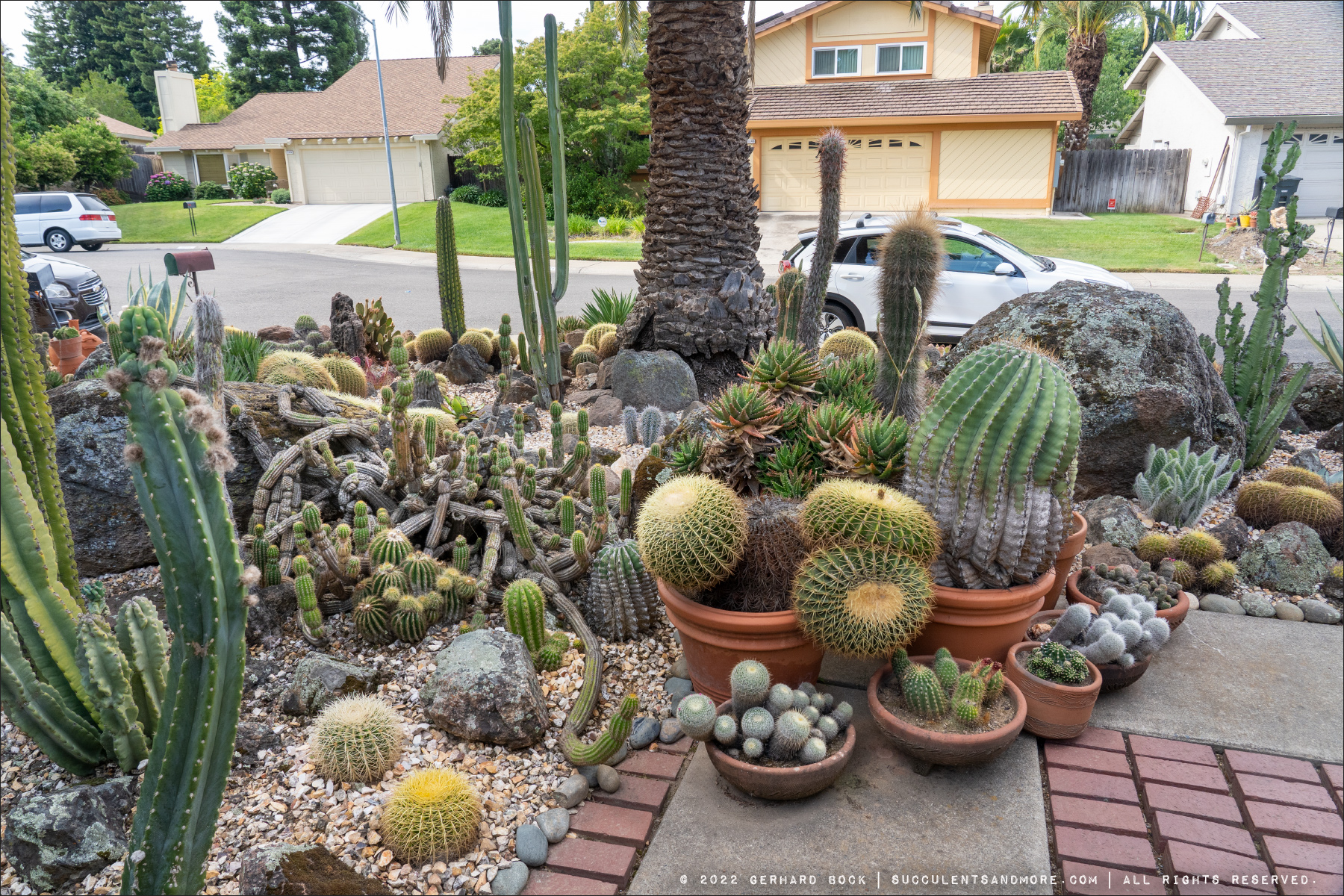
Credit: www.succulentsandmore.com
Choosing The Right Location
Selecting an ideal spot is crucial for a thriving outdoor cactus garden. Choose a location with ample sunlight and well-drained soil. Ensure the area is sheltered from strong winds and extreme weather conditions.
Choosing the right location for your outdoor cactus garden is crucial. The perfect spot can make your garden thrive, showcasing a variety of cacti in their full glory. Let’s explore the essential factors to consider for your garden’s location.Sunlight Requirements
Cacti are sun-loving plants, needing plenty of bright light to grow well. Aim for a location that receives at least six hours of direct sunlight daily. If you’re unsure, observe your potential garden spot at different times to ensure consistent sunlight exposure.Drainage Considerations
Proper drainage is vital to prevent waterlogging, which can harm cacti. Choose a location with sandy or gravelly soil, as these types allow water to drain quickly. If your soil is heavy, consider building raised beds or incorporating sand or small pebbles to improve drainage.Wind Protection
While cacti are resilient, strong winds can damage them. Select a spot that offers some natural windbreaks, like a fence or a row of shrubs. If your garden is in a particularly windy area, consider installing a windbreak to shield your plants. Choosing the right location is about balancing these factors to create an ideal environment for your cacti. Is there a spot in your garden that ticks all these boxes? If so, you’re well on your way to creating a thriving outdoor cactus garden.Selecting Cactus Varieties
Choosing the right cactus varieties is key to designing a stunning outdoor garden. Consider climate adaptability and visual appeal. Mix sizes and colors for a lively display that thrives in your specific environment.
Selecting the right cactus varieties is crucial for a thriving outdoor garden. Different species offer unique shapes, colors, and textures. Understanding these characteristics helps create a diverse and visually appealing space. Let’s explore how to choose the best cactus varieties for your garden.Popular Cactus Types
Several cactus types are perfect for outdoor gardens. The Saguaro is iconic with its tall, columnar shape. The Prickly Pear has flat, paddle-like pads and vibrant flowers. The Barrel Cactus is round and can add interesting form. Each type brings something special to your garden.Climate Suitability
Cacti thrive in different climates. Some prefer hot, dry environments. Others can tolerate cooler temperatures. Research your local climate before selecting varieties. Ensure they can survive your region’s conditions. This increases their chances of thriving and reduces maintenance.Color And Texture
Cacti offer a range of colors and textures. Some have smooth, green skins. Others have spines and ribs. Flowers can be bright reds, yellows, or pinks. Mixing these elements creates visual interest. Choose varieties that complement each other and your garden’s design.Soil Preparation
Preparing the soil is key for a thriving outdoor cactus garden. Ensure good drainage by mixing sand and gravel into the soil. This prevents water from pooling around the cactus roots.
Preparing the soil is crucial for a thriving outdoor cactus garden. Cacti need special soil conditions to grow well. With the right soil, your cactus garden will flourish and stay healthy. Let’s explore how to prepare the perfect soil for your cactus garden.Ideal Soil Composition
Cacti need soil that drains well and doesn’t hold water. The ideal soil mix includes sand, gravel, and regular potting soil. This combination prevents water from pooling around the roots. You can also use a commercial cactus mix available at garden centers.Improving Soil Drainage
Good drainage is vital for cactus health. To improve drainage, add coarse sand or perlite to your soil. Use these materials in equal parts with your existing soil. This mix allows water to pass through quickly, preventing root rot. Raised garden beds can also help with drainage.Nutrient Requirements
Cacti need fewer nutrients than other plants. A balanced, slow-release fertilizer works best. Use it sparingly, only during the growing season. Over-fertilizing can harm your cacti. Check the soil’s pH level, aiming for a slightly acidic range of 6.0 to 7.0. This helps cacti absorb nutrients efficiently.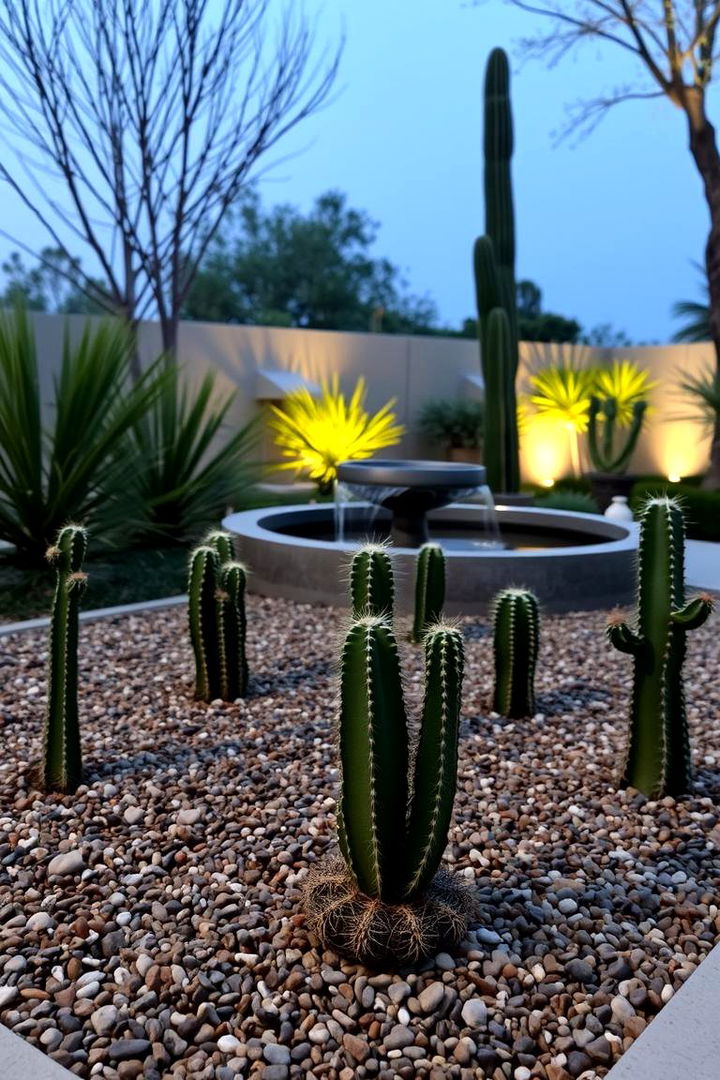
Credit: www.lostateminor.com
Garden Layout Planning
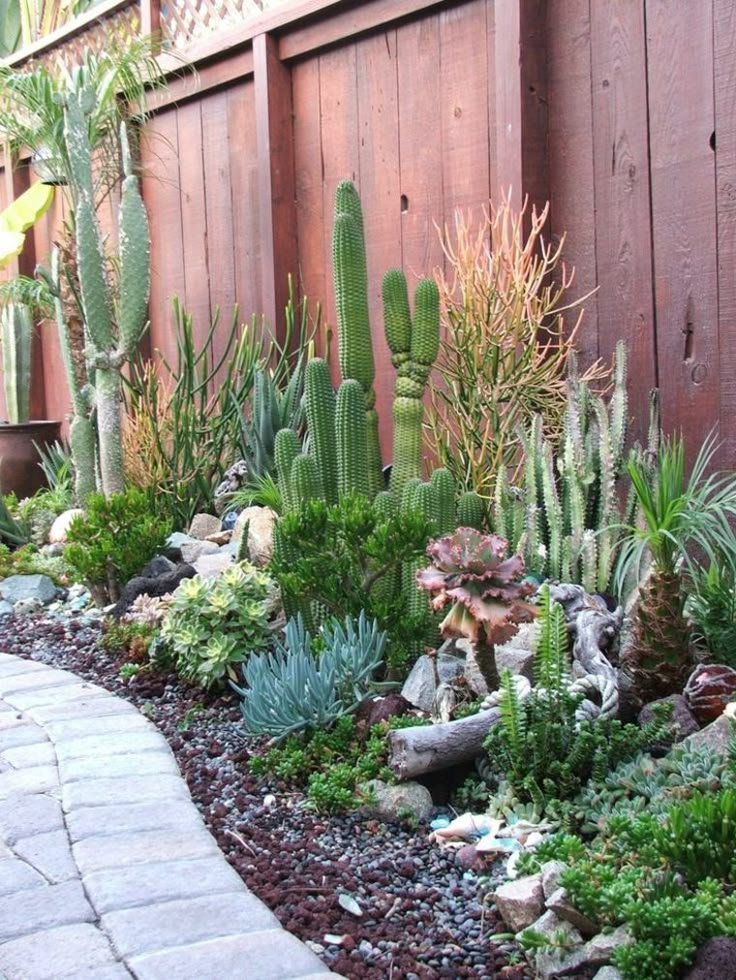
Designing an outdoor cactus garden involves selecting diverse cactus species and arranging them to create a natural desert look. Consider sunlight, drainage, and spacing for optimal growth. Incorporate rocks and gravel for a harmonious design that mimics their native habitat.
Garden layout planning is essential for a thriving outdoor cactus garden. It requires thoughtful design and careful consideration. A well-planned layout enhances the garden’s beauty and functionality. It provides structure and a sense of harmony.Creating Focal Points
Focal points draw attention to specific areas in the garden. Use large, striking cacti as centerpieces. Consider unique shapes or vibrant colors. Sculptures or garden art can also serve as focal points. Place them strategically to guide the eye. This creates a balanced and engaging visual experience.Spacing And Grouping
Proper spacing ensures cacti have room to grow. It prevents overcrowding and allows for air circulation. Group similar types together for a cohesive look. Vary the heights and textures for interest. Use contrasting colors to make each group stand out. This adds depth to the garden layout.Incorporating Pathways
Pathways provide access and structure to your garden. Use gravel or stone for natural-looking paths. They should wind through the garden naturally. Paths should lead visitors to different sections. This encourages exploration and enjoyment. A clear path layout also ensures easy maintenance.Cactus Planting Techniques
Creating an outdoor cactus garden involves selecting a variety of cactus types suited for your climate. Arrange plants in well-drained soil with ample sunlight exposure. Incorporate rocks and pebbles for visual interest and improved drainage.
Designing an outdoor cactus garden can be a rewarding experience. Cactus plants bring unique beauty to any landscape. Their resilience and varied shapes make them ideal for garden enthusiasts. Understanding the right planting techniques ensures healthy growth. This section will guide you through the process.Handling With Care
Cacti are delicate despite their tough appearance. Handle them gently during planting. Use gloves to protect your hands from spines. Some cacti have fragile roots; hold them by their stem base. Never squeeze or grip them tightly.Rooting And Potting
Choose a well-draining pot. Cacti need space to grow, so select appropriately sized pots. Ensure the soil is dry before planting. Position the cactus in the center. Cover its roots with soil, leaving the stem exposed. Lightly press the soil around its base.Watering After Planting
Water sparingly after planting. Cacti thrive in dry conditions. Overwatering can harm their roots. Wait a few days before the first watering. Allow the soil to dry between watering sessions. Monitor moisture levels for healthy growth.Watering And Maintenance
Cacti thrive with minimal watering. Water deeply, then let soil dry out completely. Regular checks help maintain healthy growth.
Designing an outdoor cactus garden involves understanding its watering and maintenance needs. Cacti are resilient, yet they require specific care to thrive. Proper watering, fertilization, and pest control are essential for a flourishing garden.Watering Schedule
Cacti need a careful watering routine. They prefer dry soil over constant moisture. Water once every two weeks in warmer months. During winter, reduce watering to once a month. Always ensure the soil is completely dry before watering.Fertilization Tips
Fertilize cacti during their growth period. Use a low-nitrogen fertilizer for best results. Apply fertilizer every two months in spring and summer. Avoid fertilizing during winter dormancy.Pest And Disease Control
Cacti are susceptible to pests like mealybugs. Inspect plants regularly for signs of infestation. Use insecticidal soap for treatment if needed. Remove diseased parts promptly to prevent spread. Ensure good air circulation to ward off fungal diseases.Adding Decorative Elements
Incorporate colorful stones and unique pots to enhance your outdoor cactus garden. Arrange seating areas for relaxation and style. Use lighting to highlight the beauty of your cacti at night.
Designing an outdoor cactus garden is not just about choosing the right cacti; it’s also about adding decorative elements that enhance the overall aesthetics of your space. These elements can transform your garden from a simple collection of plants into a vibrant, living masterpiece. Let’s explore how you can add some flair with rocks, complementary plants, and unique garden art.Rocks And Gravel
Rocks and gravel are essential for any cactus garden. They not only provide excellent drainage but also add texture and contrast. You can use large boulders as focal points, creating a natural, rugged look that complements the cacti. Gravel, on the other hand, is perfect for filling in spaces between plants. Choose a color that contrasts with your cacti to make them stand out. Have you considered using crushed granite or lava rocks for a unique touch?Complementary Plants
While cacti are the stars of the show, complementary plants can enhance the visual appeal. Consider adding succulents like agave or aloe, which thrive in similar conditions. These plants can introduce different shapes and colors, creating a more dynamic garden. You can also include drought-tolerant grasses or flowering plants to add movement and seasonal interest. Choose plants that won’t compete with your cacti for water and nutrients.Garden Art And Ornaments
Garden art and ornaments offer endless possibilities to express your personal style. Think about adding metal sculptures or ceramic pieces that can withstand the elements. These can serve as conversation starters and add character to your garden. Wind chimes or small fountains can introduce sound and movement, enhancing the sensory experience. Have you thought about how a well-placed sculpture might catch the light at different times of day? By thoughtfully selecting and placing these decorative elements, your outdoor cactus garden can become a true oasis that reflects your personality and creativity.
Credit: www.youtube.com
Seasonal Care Tips
Design an outdoor cactus garden by selecting hardy varieties suited for your climate. Arrange them in well-draining soil to prevent root rot. Incorporate rocks and pebbles for a natural desert look and ensure they receive plenty of sunlight for optimal growth.
Designing an outdoor cactus garden is a rewarding experience, but it requires understanding the seasonal needs of your plants. Cacti, though resilient, have specific care requirements during different times of the year. Let’s dive into some essential seasonal care tips to ensure your cactus garden thrives year-round.Winter Protection
Winter can be harsh for cacti, especially if temperatures drop below freezing. Protect your cactus garden by covering plants with frost cloths or burlap. This adds a layer of insulation against chilling winds and frost. Consider moving potted cacti indoors or to a sheltered area during severe cold spells. If your garden is in an area prone to winter rains, ensure proper drainage to prevent waterlogged roots, as this can lead to rot.Summer Care
During the summer months, cacti appreciate additional sunlight but be cautious of intense heat. While they enjoy warmth, scorching temperatures can lead to sunburn. You might find your cacti needing some shade during the hottest parts of the day. Watering needs shift in summer. While cacti are drought-tolerant, they still require hydration. Aim to water deeply but infrequently, allowing the soil to dry out completely between waterings. This mimics their natural desert environment.Pruning And Cleanup
Regular maintenance keeps your cactus garden looking sharp and healthy. Pruning is not just about aesthetics; it removes dead or damaged sections which could harbor pests or diseases. Use clean, sharp tools when pruning. It’s essential to maintain cleanliness to prevent infections. After pruning, clear away debris promptly. This prevents unwanted insects from making themselves at home in your garden. How do you ensure your garden is ready for each season? By observing and understanding the specific needs of your cacti, you can make informed decisions that promote their health and beauty.Frequently Asked Questions
What Types Of Cactus Are Best For Outdoors?
Choosing the right cactus is crucial for your garden. Opt for hardy varieties like Echinocereus, Opuntia, and Ferocactus. These types thrive in outdoor conditions and withstand various weather elements. They offer diverse shapes and sizes, enhancing the aesthetic appeal of your garden.
How Do I Prepare The Soil For Cactus?
Proper soil preparation ensures cactus health. Use well-draining soil with sand, gravel, and potting mix. This prevents waterlogging and root rot. Adding organic matter enriches the soil, providing essential nutrients. Ensure the soil is loose and aerated for optimal cactus growth.
What Are The Sunlight Requirements For Cactus Gardens?
Cacti require ample sunlight to thrive. Position your garden in a spot with at least six hours of direct sunlight daily. This promotes healthy growth and flowering. Avoid placing cacti in shaded areas, as insufficient light can hinder their development and cause weak stems.
How Often Should I Water Outdoor Cacti?
Watering outdoor cacti requires care. Generally, water them every two to four weeks. Ensure the soil is dry before watering. Overwatering can lead to root rot, harming the plants. Adjust the frequency based on rainfall and temperature to maintain ideal moisture levels.
Conclusion
Creating an outdoor cactus garden can be rewarding and fun. Cacti are low-maintenance and thrive in sunny spots. Choose various shapes and sizes for visual interest. Use sandy soil for better drainage and avoid overwatering. Arrange your plants thoughtfully for a natural look.
Add rocks or gravel for texture and charm. Regularly check for pests and remove dead parts. Enjoy the beauty and simplicity of your cactus garden. It’s a great way to enhance your outdoor space. Start today and watch your garden grow.