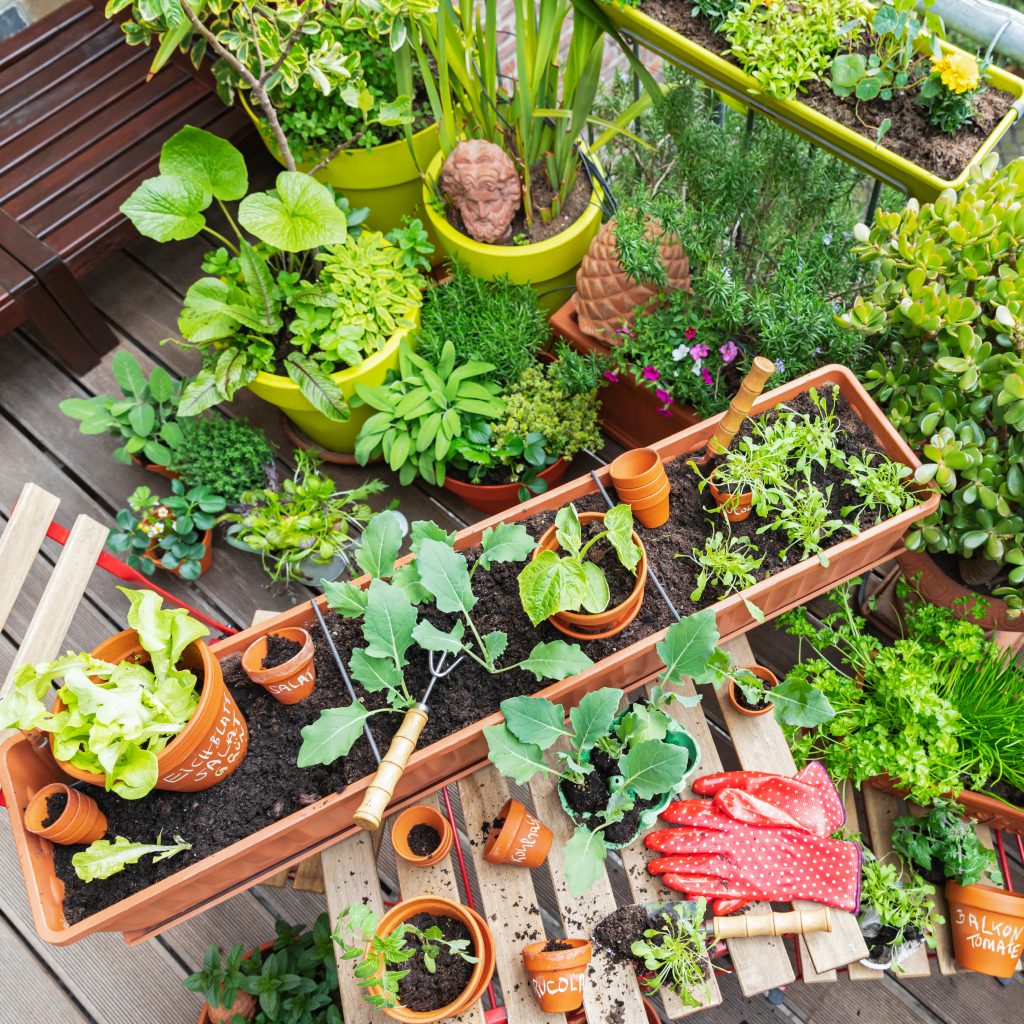
Imagine stepping out into your backyard and picking fresh, vibrant vegetables for your dinner. The crisp snap of a carrot, the juicy burst of a ripe tomato, all grown by you in your very own organic vegetable garden.
It might seem like a dream, but it’s entirely possible with the right guidance. Designing an organic vegetable garden isn’t just about planting seeds; it’s about creating a sustainable oasis that nourishes both body and soul. This guide will walk you through every step you need to take to transform your outdoor space into a fruitful garden paradise.
Whether you’re a seasoned gardener or a complete novice, you’ll find valuable tips to get your hands dirty and your garden flourishing. Ready to dig in and discover how to create your own organic vegetable haven? Keep reading to learn the secrets that will make your garden not just grow, but thrive.
Credit: www.homesandgardens.com
Choosing The Right Location
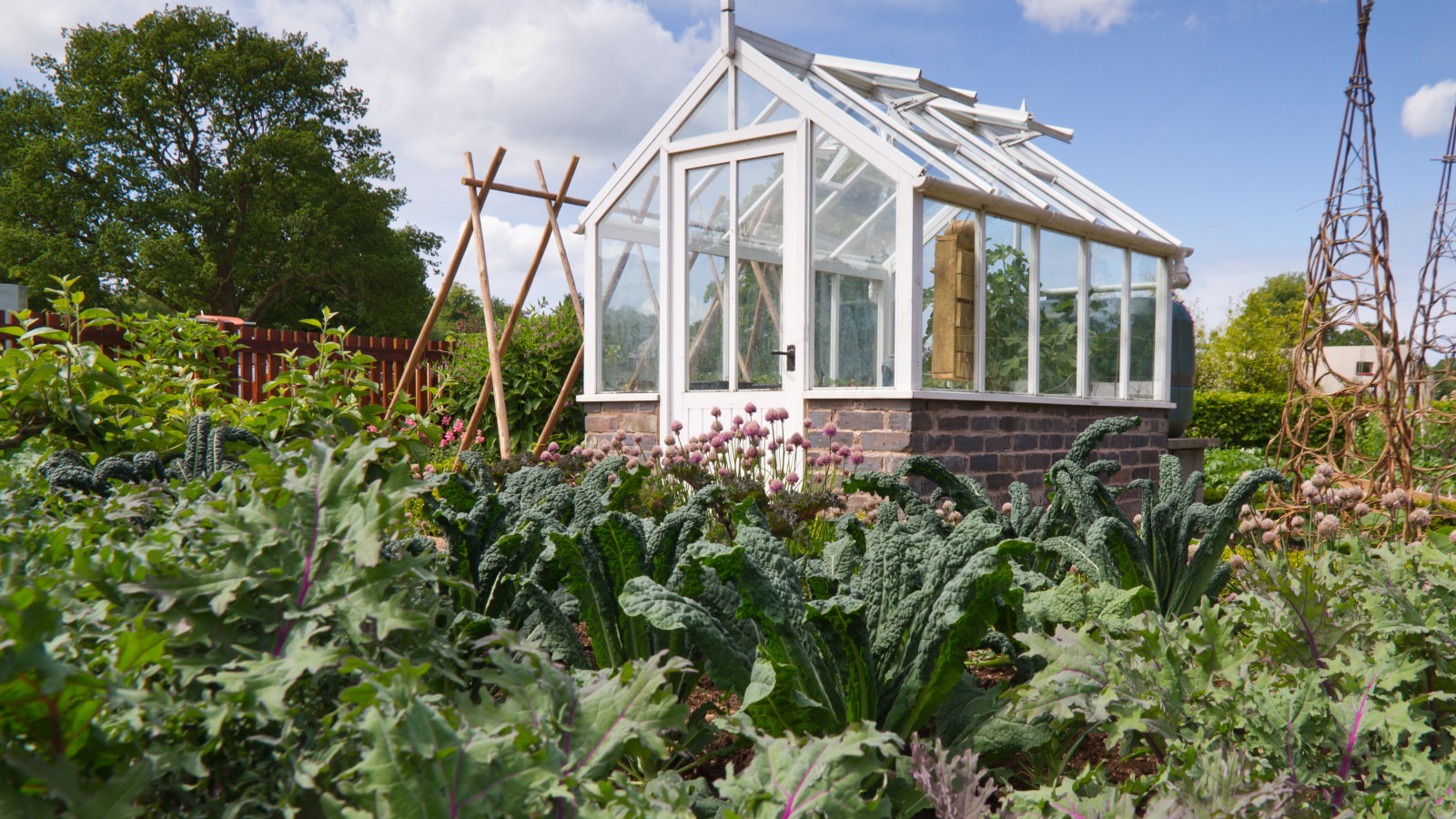
Designing an organic vegetable garden begins with selecting the perfect location. The right spot can make the difference between thriving plants and lackluster growth. Consider sunlight, soil, and accessibility as you make your choice. Let’s dive into these essential factors.
Sunlight Requirements
Most vegetables crave sunlight, needing around six to eight hours of direct exposure daily. Walk around your yard at different times to observe where the sun shines longest. If your garden is shaded, options like leafy greens and root vegetables can still flourish. Remember, sunlight is your garden’s energy source; choose wisely to fuel robust growth.
Soil Quality
Rich, well-draining soil is the foundation of a successful garden. Test the soil’s texture by grabbing a handful—does it crumble or feel compact? You want a balance. Consider investing in a soil test kit to uncover nutrient deficiencies. Adding compost can transform poor soil into a fertile haven, ensuring your veggies get the nourishment they need.
Accessibility
Imagine harvesting fresh tomatoes without trekking across a field. The location should be easily accessible for planting, watering, and harvesting. Close proximity to a water source saves time and effort. Also, think about your path layout—straight paths or winding ones? Accessibility ensures gardening remains a joy, not a chore.
Choosing the right location for your organic vegetable garden is more than a task—it’s an adventure in understanding your space. Where will your garden flourish best?
Credit: medium.com
Planning Your Garden Layout
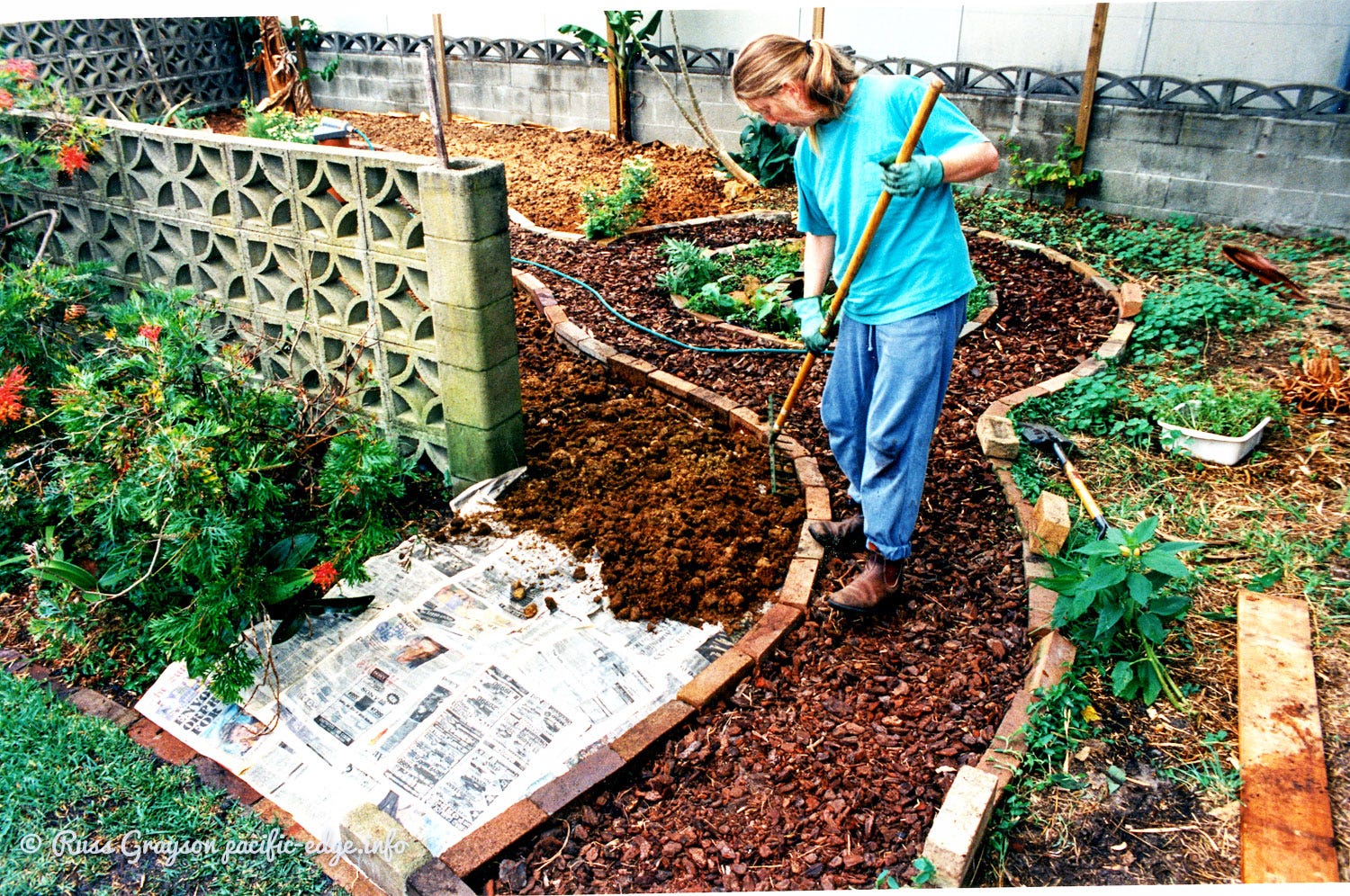
Designing an organic vegetable garden involves thoughtful planning. Consider the best spot for sunlight and water access. Arrange plants to maximize space and promote healthy growth.
Planning your garden layout is a critical step in designing an organic vegetable garden. It determines how efficiently you can grow your vegetables and how effectively you can manage your space. A well-thought-out layout can lead to healthier plants and a more bountiful harvest.Raised Beds Vs. In-ground Beds
When choosing between raised beds and in-ground beds, consider your soil quality and drainage needs. Raised beds offer better drainage and can be filled with nutrient-rich soil, making them ideal for areas with poor soil quality. They also warm up faster in spring, giving your plants a head start. In-ground beds, on the other hand, can be more cost-effective and allow you to work with the existing soil. If your soil is already healthy, you might find this option more straightforward. Think about how much bending and kneeling you’re comfortable with, as raised beds can be easier on the back.Crop Rotation Strategies
Crop rotation is an essential practice to prevent soil depletion and reduce pest buildup. Plan your garden layout so that you can change the location of plant families each year. For example, follow heavy-feeding plants like tomatoes with nitrogen-fixing plants like beans. Consider creating a rotation plan that spans at least three years. This approach helps maintain soil health and encourages diverse plant growth. What crops did you plant last season, and how can you rotate them for maximum benefit?Companion Planting
Companion planting involves growing certain plants together to boost growth and deter pests. Marigolds can ward off nematodes when planted near tomatoes. Basil thrives beside peppers and can repel aphids and mosquitoes. Plan your layout by grouping beneficial companions together. Use this strategy to naturally enhance plant health and reduce the need for chemical interventions. Have you noticed any plant pairs that seem to thrive together in your garden?Selecting The Best Vegetables
Designing an organic vegetable garden starts with selecting the best vegetables to grow. Choosing the right plants not only maximizes your harvest but also aligns with your garden’s environment and your personal preferences. Consider factors like the season, pest resistance, and local climate to ensure your garden thrives.
Seasonal Choices
Understanding the seasonal cycle of vegetables can make a significant difference in your garden’s success. Planting vegetables that naturally thrive in the current season saves time and effort. For instance, leafy greens like spinach and lettuce are perfect for cooler months, while tomatoes and peppers flourish in the summer.
Have you ever noticed how some vegetables simply refuse to grow at certain times of the year? It’s not stubbornness—it’s nature. A bit of research into seasonal charts can help you plant at just the right moment, ensuring a bountiful harvest.
Pest-resistant Varieties
Choosing pest-resistant varieties can save you from heartache and loss. Some vegetables are inherently better at fending off common garden pests. Consider planting garlic and onions, which naturally deter many insects, or opt for pest-resistant tomato breeds.
Have you considered how much time you spend battling pests? Selecting hardy varieties reduces that struggle significantly. By choosing wisely, you can enjoy more time harvesting and less time fighting off intruders.
Local Climate Considerations
Your local climate plays a crucial role in determining which vegetables will thrive. Some plants may require more sunlight or specific temperature ranges. For example, if you live in a cooler region, root vegetables like carrots and potatoes may be ideal.
Think about your local weather patterns. Are you prepared to adjust your choices based on these conditions? Observing your climate and choosing accordingly can lead to a much more successful garden.
Preparing The Soil
Healthy soil is the foundation of an organic vegetable garden. Begin by removing weeds and debris, then enrich with compost. Ensure good drainage and aeration for optimal plant growth.
Preparing the soil is crucial for a thriving organic vegetable garden. The right soil foundation enhances nutrient absorption and root growth. It sets the stage for healthy, productive plants. Here are some effective techniques to prepare your soil for optimal results.Composting Techniques
Transform kitchen scraps into nutrient-rich compost. Compost improves soil structure and fertility. Use vegetable peels, coffee grounds, and eggshells. A compost pile needs air circulation and moisture. Turn it regularly to speed up decomposition. Composting creates a natural fertilizer for your garden.Soil Amendments
Boost soil health with organic amendments. Add aged manure or bone meal for essential nutrients. These amendments enhance soil texture and water retention. Test your soil to determine its pH level. Adjust it with lime or sulfur if needed. Balanced soil supports vegetable growth and health.Mulching Benefits
Mulch protects soil and retains moisture. It reduces weed growth and erosion. Use straw, wood chips, or grass clippings. Mulch keeps soil temperatures consistent. This is crucial for root stability. It also adds organic matter over time, enriching the soil naturally.Planting Techniques
Design an organic vegetable garden by choosing a sunny spot with good drainage. Arrange plants based on their sunlight needs and companion planting benefits. Use organic compost to enrich the soil, promoting healthy growth and sustainability.
Planting techniques play a vital role in a thriving organic vegetable garden. They ensure healthy growth and maximize yield. This section delves into essential planting methods. These methods help you nurture a successful garden.Seed Starting
Starting seeds indoors provides a head start on the growing season. Use seed trays or small pots filled with quality potting mix. Ensure the mix is moist but not soggy. Plant seeds at the recommended depth. Cover them lightly with soil. Place the trays in a warm location. Light is crucial for seedling growth. Use grow lights if necessary. Keep soil consistently moist by misting. This prevents seedlings from drying out. Thin seedlings to prevent overcrowding. This encourages strong growth and reduces competition.Transplanting Tips
Transplanting requires care to avoid shocking young plants. Begin by hardening off seedlings. Gradually expose them to outdoor conditions. This strengthens their resilience. Choose a cloudy day for transplanting. It reduces stress on plants. Dig a hole slightly larger than the root ball. Gently remove the plant from its pot. Handle it by the leaves, not the stem. Place the root ball in the hole. Fill with soil and water well. Space transplants according to guidelines. This ensures optimal growth and airflow.Spacing Guidelines
Proper spacing is key to a productive garden. Each plant needs room to grow. Check seed packets for spacing recommendations. Overcrowding leads to competition for nutrients. It also increases disease risk. Use a measuring tool or garden marker. Create rows with consistent spacing. Consider mature plant size when planning. This helps maintain a neat garden layout. Proper spacing enhances sunlight exposure. It improves air circulation, reducing pest issues.Watering Strategies
Efficient watering strategies ensure your organic vegetable garden thrives. Use drip irrigation or soaker hoses for consistent moisture. Mulch helps retain water and reduce evaporation.
Designing an organic vegetable garden requires thoughtful planning, especially for watering strategies. Proper watering ensures healthy growth and maximizes yield. The challenge lies in finding efficient methods that conserve resources while nurturing plants.Irrigation Systems
Choosing the right irrigation system is crucial. Drip irrigation delivers water directly to roots, minimizing waste. It reduces evaporation and runoff, making it ideal for organic gardens. Soaker hoses, another option, provide gentle watering. They are easy to install and maintain, ensuring consistent moisture.Water Conservation Methods
Water conservation is vital for sustainable gardening. Mulching around plants retains soil moisture, reducing the need for frequent watering. Rain barrels collect rainwater, offering a natural source. This reduces reliance on tap water and lowers costs. Using native plants, which require less water, further enhances conservation efforts.Signs Of Overwatering
Overwatering can harm your garden. Yellowing leaves indicate excess moisture. Slow growth and root rot are other signs. Pay attention to soil condition. If it remains soggy, reduce watering frequency. Test soil by inserting a finger; if it’s wet below the surface, hold off on watering. Monitoring plant health helps maintain balance.Managing Pests And Diseases
Designing an organic vegetable garden requires careful planning to manage pests and diseases. Use companion planting to deter harmful insects naturally. Maintain soil health through crop rotation and organic fertilizers to boost plant immunity.
Managing pests and diseases in your organic vegetable garden is crucial for maintaining healthy plants and maximizing your harvest. Organic gardening emphasizes working with nature, not against it. This means employing strategies that are both effective and environmentally friendly. Let’s explore how you can achieve this balance.Natural Pest Control
Implementing natural pest control methods can save your garden from harmful chemicals. Companion planting is a great way to deter pests; for example, planting marigolds can repel nematodes. Another effective approach is to encourage beneficial insects like ladybugs and lacewings. These natural predators feed on pests such as aphids and caterpillars. Creating a habitat with diverse plants can invite these helpful allies into your garden.Disease Prevention
Preventing diseases before they start is key to a thriving garden. Crop rotation is a simple practice that can reduce the buildup of pathogens in the soil. By changing the location of your plants each season, you disrupt the life cycle of diseases. Keep your plants healthy by ensuring they have enough space and air circulation. This reduces the chances of fungal infections, which thrive in damp, crowded conditions. Water your plants at the base to keep leaves dry and discourage mildew.Healthy Plant Practices
Regularly check your plants for signs of stress or infestation. Early detection can save your crops from larger issues. Remove any diseased or damaged parts immediately to prevent spread. Consider making your own compost tea to boost plant immunity. This nutrient-rich brew can strengthen plants, making them less susceptible to diseases and pests. Remember, a healthy plant is your best defense against garden invaders. Are you ready to tackle pests and diseases in your organic vegetable garden? By adopting these natural and proactive strategies, you can create a resilient garden that thrives without harmful chemicals. What steps will you take today to ensure a bountiful, healthy harvest?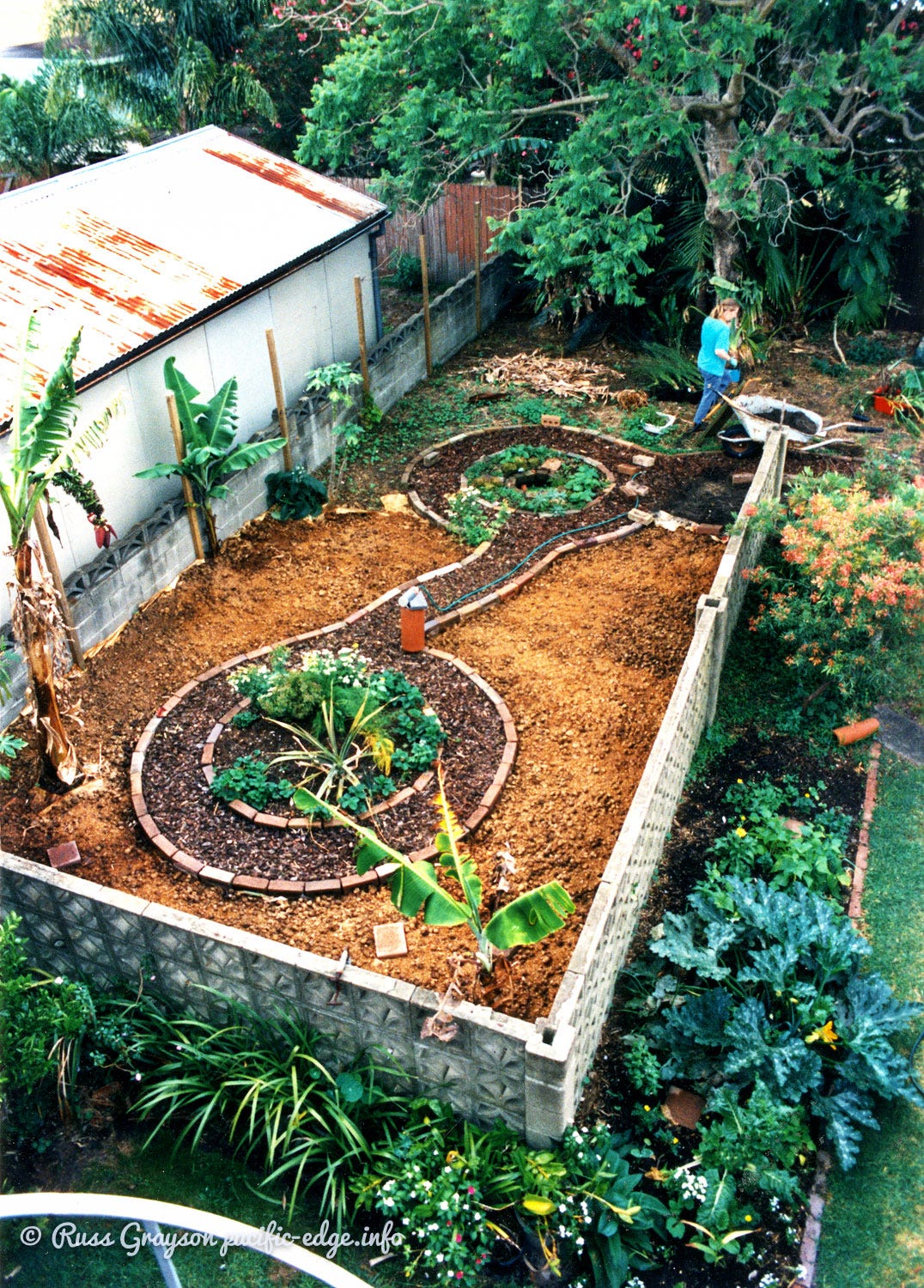
Credit: medium.com
Harvesting And Maintenance
Regular harvesting boosts plant growth and ensures a steady supply of fresh produce. Consistent maintenance, like weeding and watering, keeps the garden healthy and thriving.
Designing an organic vegetable garden is a rewarding journey that culminates in the joy of harvest. However, successful harvesting and maintenance require careful planning and consistent effort. Let’s delve into how you can optimize these crucial aspects to ensure your garden thrives and continues to provide bountiful yields.Optimal Harvest Times
Timing is everything when it comes to harvesting. Picking vegetables at their peak ensures the best flavor and nutritional value. For example, tomatoes are best when fully red and firm, while lettuce should be harvested before it bolts to seed. A simple way to track harvest times is to maintain a garden journal. Note down planting dates and expected harvest periods. This helps you plan and stagger your harvest, avoiding an overwhelming glut or disappointing shortage. Do you know that early morning is the best time to harvest? Vegetables are crisp and hydrated, making them less prone to wilting. So set that alarm and enjoy the serene beauty of your garden as you gather your produce.Garden Maintenance Routines
Regular maintenance is the backbone of a thriving organic garden. Start with daily checks for pests and diseases. Quick intervention can save your plants from potential damage. Weeding is another essential task. Weeds compete with your veggies for nutrients and water. Regularly remove them to ensure your plants have ample resources to grow. Watering is crucial, especially during dry spells. However, overwatering can be just as harmful as under-watering. Feel the soil; if it’s dry an inch below the surface, it’s time to water.Post-harvest Care
Once you’ve harvested, proper post-harvest care is key. Wash your vegetables to remove dirt and potential pests. Use cold water to maintain freshness and prevent spoilage. Consider storing your produce in the right conditions. Root vegetables like carrots do well in a cool, dark place, while leafy greens prefer the fridge. Don’t forget about composting your garden waste. This not only reduces waste but also enriches your soil for future planting. Think of it as giving back to the garden that nourishes you. In your organic gardening journey, what unique challenges have you faced during harvest and maintenance? Share your experiences and tips below!Frequently Asked Questions
What Is The Best Soil For Organic Vegetables?
Organic vegetables thrive in nutrient-rich, well-draining soil. Amend your garden soil with compost or aged manure. This boosts nutrient content and improves soil structure. Ensure pH levels between 6. 0 and 7. 0 for optimal growth. Regularly test your soil and adjust as needed for the best results.
How Much Sunlight Do Vegetables Need?
Vegetables generally need 6 to 8 hours of sunlight daily. Leafy greens can tolerate less sunlight, while fruiting plants need full sun. Assess your garden’s sun exposure before planting. Sunlight ensures healthy growth and boosts vegetable yields. Adjust plant placement based on sun requirements.
How Often Should I Water My Garden?
Water your garden deeply once or twice a week. Frequency depends on soil type, climate, and plant needs. Ensure soil stays moist but not waterlogged. Water early morning or late afternoon to minimize evaporation. Use drip irrigation or soaker hoses for efficient watering.
Which Vegetables Are Ideal For Beginners?
Beginner gardeners should start with easy-to-grow vegetables. Consider planting lettuce, radishes, carrots, or zucchini. These vegetables have short growing cycles and are low-maintenance. Choose disease-resistant varieties for better success. Ensure proper spacing and sunlight for healthy growth.
Conclusion
Creating an organic vegetable garden is rewarding and fun. Start small with easy vegetables. Use natural compost to enrich your soil. Water regularly but avoid overwatering. Rotate crops to keep soil healthy. Keep pests away with natural solutions. Enjoy fresh, homegrown produce right in your backyard.
Gardening connects you with nature and promotes healthy eating. Share your harvest with friends and family. Each step brings you closer to a sustainable lifestyle. Happy gardening!







