Imagine stepping into your backyard and picking fresh, juicy fruits straight from the tree. An orchard garden isn’t just a patch of land; it’s a personal haven bursting with life and flavor.
Whether you’re dreaming of apples, cherries, or peaches, designing your own orchard garden can be both rewarding and delightful. But where do you start? How do you ensure your trees thrive and bear delicious fruits year after year? In this guide, you’ll discover practical tips and expert insights to transform your space into a fruitful oasis.
From choosing the right trees to nurturing them to maturity, we’ll cover everything you need to know to get your orchard garden flourishing. Get ready to dig into the secrets of successful orchard design and make your garden the envy of the neighborhood. Your journey to a fruitful paradise starts here!
Choosing The Right Location
Selecting the ideal location for an orchard garden ensures healthy growth. Aim for a sunny spot with well-drained soil. Consider proximity to water sources and protection from strong winds.
Choosing the Right Location for your orchard garden is crucial. A well-chosen spot ensures healthy growth and abundant harvests. Think of it as setting the stage for your fruit trees to thrive. Several factors can influence your decision. Let’s explore them in detail.Assessing Sunlight And Shade
Fruit trees need plenty of sunlight. At least 6-8 hours a day. Find a spot that gets full sun most of the day. Avoid areas blocked by buildings or tall trees. Too much shade can hinder fruit production. Observe the sunlight pattern in your chosen area. This will help you make a better decision.Evaluating Soil Quality
Good soil is vital for tree health. Test the soil in your chosen location. Look for soil that’s rich in nutrients and well-draining. Poor soil can be improved with compost or organic matter. Check the pH level too. Most fruit trees prefer slightly acidic to neutral soil. Adjust the soil pH if necessary. Healthy soil leads to healthy trees.Considering Water Accessibility
Water is essential for an orchard garden. Ensure your site has easy water access. Consider proximity to water sources like taps or rain barrels. Trees need consistent watering, especially in dry periods. A location near water can simplify irrigation. Plan for efficient water use to support your orchard.
Credit: no.pinterest.com
Selecting Fruit Varieties
Choosing the right fruit varieties is essential for a thriving orchard garden. Consider climate, soil type, and space when selecting. Opt for disease-resistant and locally adapted fruits to ensure a bountiful harvest.
Designing an orchard garden begins with selecting the right fruit varieties that will thrive in your environment. This decision is crucial because it sets the foundation for your garden’s success and productivity. Let’s explore how to make informed choices for your orchard garden.Understanding Climate Compatibility
Choosing fruit varieties that are compatible with your local climate is essential. Consider the temperature range, rainfall, and sunlight your area receives. If you live in a region with cold winters, apple and pear trees might be ideal due to their hardiness. On the other hand, citrus fruits flourish in warmer climates. Researching your area’s USDA hardiness zone can provide valuable insights into which fruit trees will thrive in your garden.Exploring Popular Fruit Choices
The choice of fruits for your orchard should reflect both personal taste and market demand. Apples, peaches, and cherries are popular choices due to their versatility and wide appeal. However, don’t overlook unique options like persimmons or figs, which can add diversity to your garden. Think about what fruits your family enjoys and what can offer the best yield for potential selling.Considering Pollination Needs
Pollination is a critical factor in fruit production. Some fruit trees are self-pollinating, while others require cross-pollination to bear fruit. Understanding these needs can impact your planting decisions. For example, most apple varieties need a partner for successful pollination, whereas peach trees can often stand alone. Ensure you have compatible pollinators nearby or consider planting multiple varieties to ensure a bountiful harvest. Making these choices requires careful thought and planning. Have you considered how the fruit varieties you choose will shape your orchard’s future? By addressing these aspects, you’re setting the stage for a thriving, fruitful garden.Planning The Layout
Designing an orchard garden involves careful planning of the layout. Consider sunlight, water flow, and tree spacing. This ensures healthy growth and easy maintenance.
Planning the layout of your orchard garden is a crucial step that sets the foundation for its success. A well-thought-out design not only enhances the aesthetic appeal but also ensures the efficient use of space, promotes healthy growth, and makes maintenance easier. With careful planning, you can create a beautiful, productive orchard that thrives year after year.Deciding Tree Spacing
Selecting the right spacing for your trees is vital for their growth and productivity. Crowding them can lead to competition for resources, while too much distance can waste valuable garden space. Consider the mature size of each tree species and the amount of sunlight each requires. Use a simple measuring tape to map out the area, leaving room for growth. If you plan to plant dwarf or semi-dwarf varieties, they can be spaced closer together, typically around 8 to 12 feet apart. Full-size trees might need up to 20 feet. Think about how you will access the fruit and if you need room for ladders or equipment.Creating Pathways For Access
Pathways are essential in any orchard garden for ease of movement and maintenance. Without clear paths, navigating through your garden can become challenging and potentially damage plants. Design pathways that are wide enough for easy access, ideally at least three feet in width. Gravel, wood chips, or stepping stones make excellent materials for paths, providing a stable surface that helps with drainage. Paths should lead to key areas like seating spaces or the compost bin, ensuring you can reach every tree without trampling the soil.Incorporating Companion Planting
Companion planting is a strategy that involves growing certain plants together to boost growth, deter pests, and enhance soil health. This technique can transform your orchard into a thriving ecosystem, benefiting both trees and crops. Consider planting herbs like basil or mint near fruit trees to repel insects. Legumes are excellent for fixing nitrogen in the soil, promoting healthier tree growth. You can also add flowers that attract pollinators, increasing fruit yield. Think of your orchard as a community of plants working together, and choose companions that will support your main crops effectively. Does your orchard layout reflect the harmony between function and beauty? Remember, the layout you choose can shape the entire experience of your garden, so take the time to plan thoughtfully.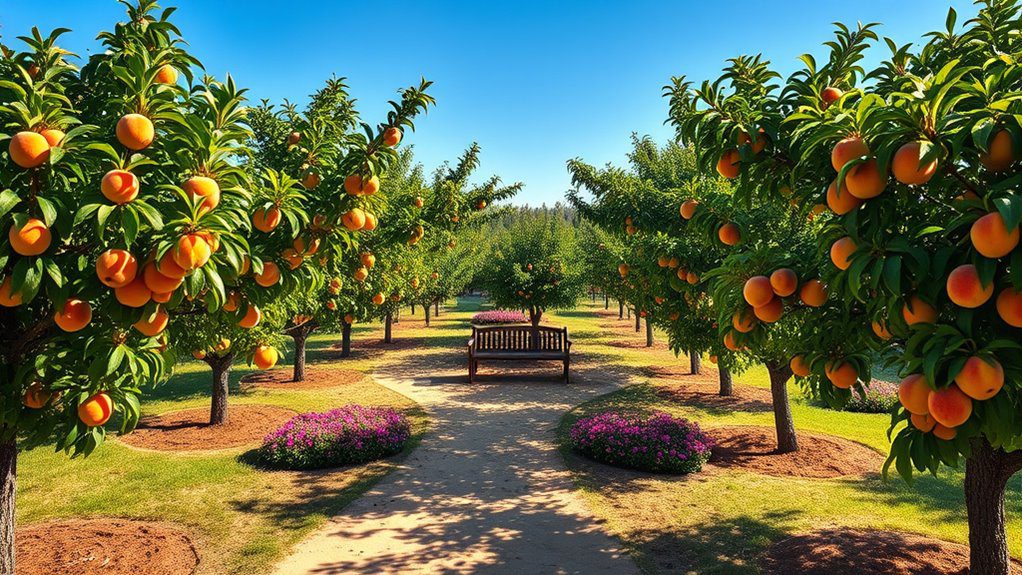
Credit: www.greenwashingindex.com
Preparing The Soil
Preparing the soil is crucial for a thriving orchard garden. Begin by clearing weeds and debris from the area. Ensure proper drainage and enrich the soil with organic matter to foster healthy tree growth.
Creating an orchard garden is a delightful endeavor that promises a bounty of fresh fruits right in your backyard. However, the journey begins with preparing the soil, which is crucial for healthy fruit trees. This foundational step ensures your orchard thrives, producing abundant harvests for years. Let’s dive into the key aspects of soil preparation.Testing And Amending The Soil
Before planting, it’s essential to know your soil’s condition. A simple soil test can reveal pH levels and nutrient deficiencies. You can purchase a DIY kit or send samples to a lab for detailed analysis. Once you know what your soil lacks, amending it becomes straightforward. For acidic soil, add lime to raise the pH. For alkaline soil, sulfur can lower it. If nutrients are missing, consider adding organic matter like compost or well-rotted manure. These amendments enrich the soil, setting the stage for healthy growth.Implementing Drainage Solutions
Proper drainage is vital to prevent root rot and other water-related issues. If your orchard site is prone to waterlogging, consider installing drainage systems. French drains or raised beds can effectively channel excess water away from your trees. Observe your site after heavy rain. Do puddles linger? If yes, it’s a sign drainage solutions are necessary. Effective drainage not only improves root health but also enhances overall tree vigor. This small adjustment can make a huge difference in your orchard’s success.Enhancing Soil Fertility
Fertile soil is the lifeblood of a thriving orchard. To boost fertility, focus on building a nutrient-rich environment. Organic fertilizers like bone meal and fish emulsion can provide essential nutrients. Mulching with straw or wood chips helps retain moisture and suppress weeds. Consider companion planting to naturally enhance fertility. Legumes like clover fix nitrogen in the soil, benefiting your fruit trees. This symbiotic relationship can lead to healthier, more productive trees. What steps are you taking to prepare your soil? By addressing these key areas, you pave the way for a fruitful orchard that rewards your efforts season after season.Planting Techniques
Designing an orchard garden involves selecting fruit trees that suit your climate and soil. Space trees properly to ensure optimal growth and air circulation. Plan the layout for easy access and maintenance, keeping paths clear and organized.
Planting techniques are crucial for a thriving orchard garden. They ensure trees grow strong and healthy. Each step in the process plays a vital role. From timing to depth, every detail matters. With proper care, your orchard can flourish beautifully.Choosing The Right Time
Timing is everything for planting success. Early spring or late fall works best. During these seasons, trees experience less stress. The soil is moist, aiding root development. Avoid extreme cold or hot periods. They can harm young trees.Proper Planting Depth
Planting depth affects tree health. Dig holes twice as wide as the root ball. Ensure the top of the root ball is level with the ground. Planting too deep can suffocate roots. Too shallow, and roots dry out easily.Initial Watering And Care
Watering is crucial after planting. Saturate the soil around the roots. This helps eliminate air pockets. Regular watering is essential in the first few weeks. Check soil moisture frequently. Mulch can help retain moisture and regulate temperature.Implementing Irrigation Systems
Implementing irrigation systems in your orchard garden is essential for ensuring your plants receive the right amount of water without wasting resources. Proper irrigation helps to maintain healthy growth, improves fruit yield, and can save you time and effort. But how do you choose the best system for your garden? Let’s dive into some practical options that you can consider.
Exploring Drip Irrigation
Drip irrigation is a popular choice among orchard gardeners for its efficiency. It delivers water directly to the roots, minimizing evaporation and water wastage. Imagine setting up a network of tubes and emitters that gently drip water right where it’s needed. This system is especially effective for fruit trees, as it keeps the foliage dry, reducing the risk of disease.
You might wonder how to install such a system. Start small by setting up drip lines around a few trees. Gradually expand as you become familiar with adjusting water flow. The key is to monitor the moisture levels and adjust accordingly to ensure your trees receive optimal hydration.
Setting Up Rainwater Collection
Rainwater collection is a sustainable way to supplement your irrigation needs. Installing barrels or tanks to collect rainwater can be a great addition to your garden. It’s a straightforward process that involves placing containers under downspouts to capture runoff.
Consider the size and location of your collection system. Ensure that your containers have secure lids to prevent debris and pests from contaminating the water. Utilizing rainwater not only conserves resources but also reduces your water bill.
Maintenance And Monitoring
Once your irrigation systems are in place, regular maintenance is crucial. Check for clogged emitters or leaks in your drip system and clean them as needed. Rainwater tanks should be inspected for algae growth and debris accumulation.
Monitoring is equally important. Keep an eye on the weather and adjust irrigation schedules based on rainfall. Use moisture meters to gauge soil conditions. Regular updates to your irrigation plan can ensure your orchard remains healthy and productive.
Have you ever thought about how your irrigation choices impact the ecosystem? Efficient water use not only benefits your garden but also contributes to conservation efforts. Make informed decisions and take pride in creating a sustainable orchard.
Managing Orchard Maintenance
Designing an orchard garden involves selecting suitable fruit trees and planning their layout. Ensure proper spacing for sunlight and air circulation. Regular maintenance like pruning and watering is essential for a healthy orchard.
Managing orchard maintenance ensures your garden thrives year-round. Regular care prevents issues and boosts productivity. Attention to detail is key for healthy fruit production. Focus on tasks that support tree growth and health. Maintenance involves pruning, pest control, and seasonal routines. Consistent effort in each area pays off with bountiful harvests.Pruning For Health And Productivity
Pruning keeps trees healthy and encourages fruit production. It removes dead or diseased branches. This improves air circulation and sunlight penetration. Use clean, sharp tools for precise cuts. Aim for a balanced shape with open centers. Prune in late winter or early spring for best results.Pest And Disease Control
Pests and diseases threaten orchard health. Inspect trees regularly for signs of infestation. Use organic or chemical treatments as needed. Maintain cleanliness to reduce risk. Remove fallen fruit and debris promptly. Encourage beneficial insects like ladybugs and bees. They help control harmful pests naturally.Seasonal Care Routines
Seasonal routines keep your orchard thriving. Water trees deeply during dry spells. Mulch around bases to retain moisture. Fertilize in spring for strong growth. Adjust care according to weather changes. Monitor trees in different seasons for unique needs. Consistent care supports year-long health and productivity.
Credit: www.youtube.com
Enhancing Biodiversity
Designing an orchard garden goes beyond planting fruit trees. It involves creating a vibrant ecosystem. A key element is enhancing biodiversity. This not only supports healthy plant growth but also fosters a resilient environment.
By incorporating diverse species, the orchard becomes self-sustaining. It attracts beneficial insects and supports local wildlife.
Attracting Beneficial Insects
Beneficial insects play a crucial role in any garden. They control pests and pollinate plants. To attract them, plant flowers that bloom throughout the year. Herbs like dill, fennel, and coriander are excellent choices.
These plants provide nectar and pollen. They draw bees, ladybugs, and hoverflies. These insects help keep harmful pests in check.
Integrating Native Plants
Native plants are adapted to the local environment. They require less maintenance and water. Including them in your orchard promotes biodiversity. They provide food and shelter for native wildlife.
Choose a variety of native shrubs, trees, and ground covers. They can improve soil health and attract local pollinators.
Building Habitats For Wildlife
Creating wildlife habitats enriches your orchard. Birds, frogs, and small mammals contribute to a balanced ecosystem. Build birdhouses and bat boxes to invite these creatures.
Consider adding a small pond or water feature. It will attract amphibians and provide drinking water for animals. Logs and rocks can offer shelter to various critters.
Harvesting And Storing Produce
An orchard garden isn’t just about the beauty of blossoming fruit trees; it’s also about the bountiful harvest they provide. Harvesting and storing produce effectively can make all the difference in enjoying the fruits of your labor long after the season ends. Mastering the timing and techniques of harvesting, along with smart storage solutions, ensures your produce remains fresh and flavorful.
Identifying Optimal Harvest Time
Knowing when to harvest is crucial for optimal flavor and texture. Every fruit has its unique signs of ripeness. Apples often change color and feel firm yet yield slightly under pressure. Pears might be ready when they detach easily from the stem. It’s a rewarding experience when you find that perfect moment.
Consider the climate and seasonal changes in your area. A sudden cold snap might mean harvesting earlier than planned. Listen to local advice and keep a close watch on your orchard to ensure you’re picking at the best time.
Techniques For Picking And Handling
Picking fruit properly helps maintain its quality. Use gentle motions to avoid bruising. For fruits like cherries, use scissors to clip stems, ensuring the fruit remains intact. Handling with care prevents damage that might lead to spoilage.
Keep baskets or containers nearby to collect your fruits. Avoid overloading them to prevent squashing. It’s often best to harvest in the morning, when fruits are cool and less likely to bruise.
Storage Solutions For Longevity
Effective storage prolongs the life of your produce. Apples and pears can be stored in a cool, dark place with good ventilation, like a cellar. Layer them with paper to avoid contact and prevent rot.
Consider using refrigerators for berries to maintain their freshness. A tip is to store them unwashed to prevent mold growth. If you’re dealing with large quantities, think about canning or freezing to preserve them for months.
Have you thought about sharing excess produce with friends or donating to local food banks? It’s a satisfying way to ensure nothing goes to waste while contributing to the community.
Frequently Asked Questions
What Is The Best Location For An Orchard?
Selecting the right location is crucial for your orchard. Choose a spot with ample sunlight, good drainage, and protection from strong winds. Ensure the soil is fertile and well-aerated. Avoid areas prone to frost or flooding. These factors help your fruit trees thrive and produce abundant harvests.
How Do I Choose Fruit Trees For My Orchard?
Choose fruit trees that suit your climate and soil. Consider your personal preferences and market demand. Select trees with staggered harvest times for variety. Opt for disease-resistant varieties to minimize maintenance. Consult local nurseries for recommendations tailored to your area.
What Are The Steps To Prepare Orchard Soil?
Start by testing your soil for nutrients and pH levels. Amend the soil based on test results, adding compost or fertilizers as needed. Ensure proper drainage to prevent root rot. Consider mulching to retain moisture and suppress weeds. These steps will create an ideal environment for healthy fruit trees.
How Do I Maintain An Orchard Garden?
Regular maintenance is key to a thriving orchard. Prune trees to encourage growth and remove diseased branches. Water consistently, especially during dry periods. Monitor for pests and diseases, taking action promptly. Fertilize according to your trees’ needs. Proper care ensures a healthy, productive orchard.
Conclusion
Designing an orchard garden creates a peaceful and fruitful space. Choose the right fruit trees for your climate. Plan the layout carefully for easy access and maintenance. Use companion plants to support healthy growth. Regular pruning keeps trees productive. Watering is crucial for thriving plants.
Mulch helps conserve moisture and suppress weeds. Protect your orchard from pests naturally. Enjoy the beauty and bounty of your garden. Patience is key. Watch your orchard flourish and provide delicious fruits. Share your harvest with family and friends. Embrace the joy of growing your own food.