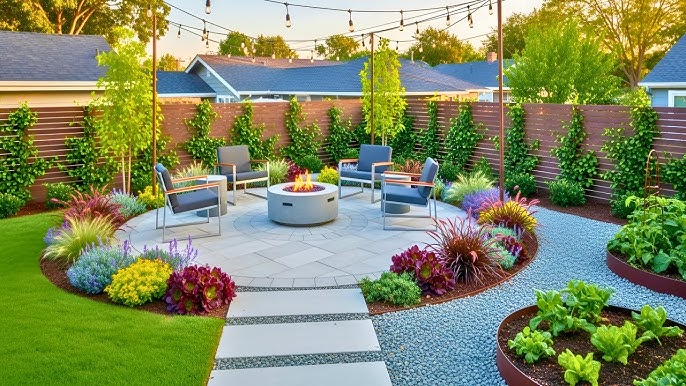
Imagine stepping into your garden, feeling the tranquility that only nature can offer, without the stress of endless upkeep. Designing an easy care garden might be the solution you’ve been dreaming of.
You don’t need to be a gardening expert to create a beautiful, low-maintenance outdoor space. With the right tips and tricks, you can enjoy a lush garden that practically takes care of itself. Are you ready to discover how to transform your outdoor space into a haven of relaxation?
Dive into our guide and learn how you can cultivate a garden that suits your lifestyle, leaving you more time to savor its beauty rather than toil away in it.
Credit: www.extraspace.com
Choosing The Right Plants
Designing an easy care garden starts with selecting the right plants. The beauty of a garden doesn’t have to come with high maintenance. Choosing plants that thrive with minimal attention can transform your garden into a sanctuary without demanding too much of your time. Think of it as building a relationship with nature where both parties benefit. But how do you decide which plants fit the bill for your easy-care garden?
Low-maintenance Varieties
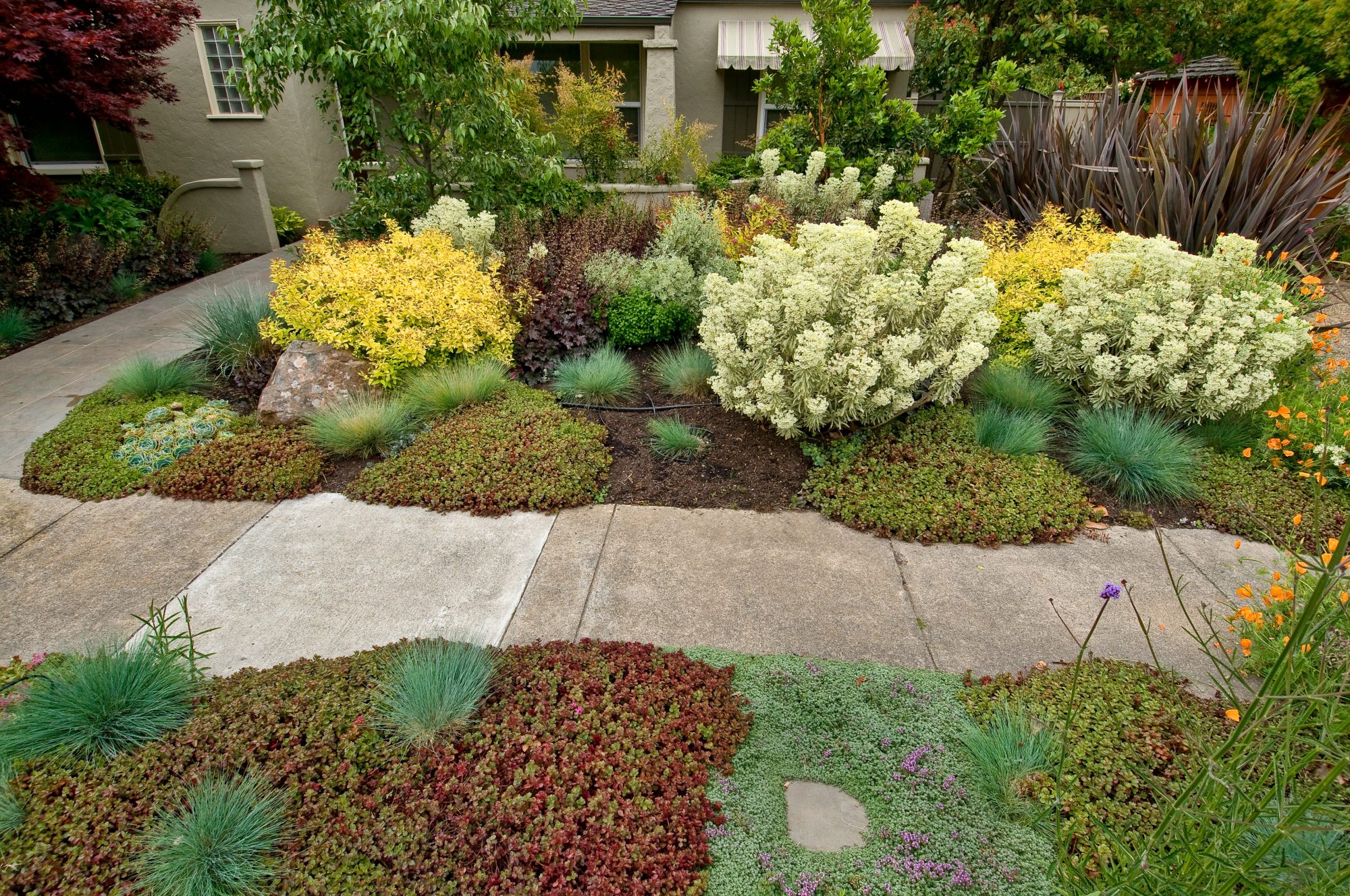
Low-maintenance plants are the backbone of any easy-care garden. These varieties are tough, resilient, and can withstand different climates and conditions. Consider succulents or native plants, which are naturally adapted to your local environment. Native plants have evolved to thrive in the conditions of your area, meaning less water and less worry. Succulents, on the other hand, can survive with minimal watering, making them perfect for busy gardeners.
Think back to a time when you visited a friend’s garden and marveled at its beauty. Chances are, it was filled with hardy varieties that could endure neglect yet still bloom splendidly. Such plants ensure your garden remains vibrant even if life gets hectic.
Perennials Vs. Annuals
Choosing between perennials and annuals can be a game-changer in garden maintenance. Perennials, like daylilies or lavender, come back year after year, reducing the need for replanting and saving you time and effort. They establish deep roots, making them more drought-resistant and less reliant on frequent care.
On the other hand, annuals such as marigolds or zinnias offer vivid color but require replanting each year. They demand a bit more attention but can be worth the effort if you enjoy experimenting with different colors and patterns each season. The real question is: do you prefer the consistency of perennials or the versatility of annuals?
Ultimately, the choice between perennials and annuals depends on your lifestyle and how much time you wish to dedicate to your garden. Balancing both can provide the best of both worlds, offering a stable foundation with occasional bursts of seasonal color.
Soil Preparation
Preparing soil is key for an easy care garden. Remove weeds and loosen soil for better water absorption. Mixing in compost enriches the soil, promoting healthy plant growth with less maintenance.
Soil preparation is the foundation of an easy care garden. Healthy soil supports strong plant growth. It also reduces the need for constant maintenance. Preparing your soil well can lead to a beautiful, low-maintenance garden. Let’s explore how to improve soil quality and ensure efficient drainage.Improving Soil Quality
Good soil promotes strong plant growth. Start by testing your soil. This tells you its pH and nutrient levels. Amend the soil with organic matter. Compost is ideal. It adds nutrients and improves soil texture. Mix compost into the top few inches of soil. This helps plants access nutrients easily. Consider adding aged manure. It’s rich in nutrients. Use it sparingly to avoid burning plants.Efficient Drainage Solutions
Proper drainage prevents waterlogging. Waterlogged soil harms plant roots. Check your garden’s drainage before planting. Dig a hole and fill it with water. If it drains quickly, that’s good. If not, you need solutions. Use raised beds. They improve drainage naturally. Another option is to mix sand into the soil. Sand helps water move through the soil. Consider installing a French drain. It redirects excess water away. This keeps your plants’ roots healthy.Watering Techniques
Watering your garden effectively is crucial for maintaining an easy-care garden. Understanding different watering techniques can save you time and ensure your plants thrive with minimal effort. Let’s explore some practical ways to keep your garden well-watered without the hassle.
Automated Irrigation Systems
Automated irrigation systems can be a game-changer for those who want to minimize garden maintenance. These systems, such as drip irrigation or soaker hoses, deliver water directly to the root zone, ensuring plants get exactly what they need. Imagine relaxing on your patio while your garden waters itself, leaving you more time to enjoy your blooms.
Setting up an automated system is straightforward. Many systems come with timers, allowing you to adjust watering schedules based on weather changes. Have you ever thought about how much water you could save by only watering when necessary?
- Drip irrigation: Ideal for flower beds and vegetable gardens.
- Soaker hoses: Perfect for row crops or long garden beds.
- Smart controllers: Adjust watering based on real-time weather conditions.
Drought-resistant Options
Consider incorporating drought-resistant plants into your garden. These plants require less water and are perfect for those looking to reduce their garden’s water consumption. Have you noticed how succulents thrive even with minimal care?
Native plants are often drought-tolerant and adapted to your local climate. By choosing these hardy varieties, you can create a garden that withstands dry spells with ease. Your garden can be both beautiful and sustainable with the right plant selection.
- Succulents: Low maintenance and diverse in variety.
- Lavender: Requires little water and adds fragrance to your garden.
- Ornamental grasses: Provides texture and are highly drought-tolerant.
Reevaluating your watering techniques can lead to a thriving, low-maintenance garden. Are you ready to transform your gardening routine?
Mulching Benefits
Mulching is like giving your garden a warm blanket that offers multiple benefits, making it easier to care for. It’s a simple technique that can transform your garden with just a few layers. Imagine reducing your workload while boosting plant health—mulching does just that. Let’s explore how mulching can make your garden more manageable, focusing on two primary benefits: weed control and moisture retention.
Weed Control
Weeds are the uninvited guests in every garden. They compete with your plants for nutrients and can quickly take over. Mulching acts as a natural barrier, preventing sunlight from reaching weed seeds. Without sunlight, those pesky weeds struggle to grow, reducing the time and effort you spend pulling them out.
Consider using organic mulches like bark chips or straw. They not only suppress weeds but also break down over time, enriching the soil. A well-mulched garden can significantly cut down on weeding chores. Have you ever found yourself spending hours battling weeds? Mulching could be your secret weapon against them.
Moisture Retention
Watering can be a daily task, especially in the sweltering summer heat. Mulching helps lock in moisture, ensuring your plants stay hydrated longer. It acts as a sponge, absorbing water and slowly releasing it as needed. This means less frequent watering and more time enjoying your garden.
Picture your plants thriving even during dry spells. Mulching helps maintain consistent soil moisture levels, which is crucial for healthy root systems. Opt for mulches like shredded leaves or grass clippings that add nutrients as they decompose. Have you ever noticed how your garden looks after a heavy rain? With mulching, you can capture some of that magic every day.
Garden Layout Strategies
Designing an easy care garden starts with smart layout strategies. A well-planned layout saves time and effort. It ensures your garden remains beautiful with minimal upkeep. Let’s explore effective garden layout strategies to create an easy care garden.
Space Optimization
Make the most of your garden space. Use vertical gardening for small areas. Plant climbers or use stacked pots. Choose compact or dwarf plant varieties. This allows more plants in less space. Opt for multi-functional furniture or decor. Benches with storage are a great choice.
Organize plants based on sunlight needs. Group shade-loving plants together. Place sun-loving ones in brighter spots. This avoids unnecessary plant moving. Use borders and edges to define spaces. It creates a neat and organized look.
Pathways And Access
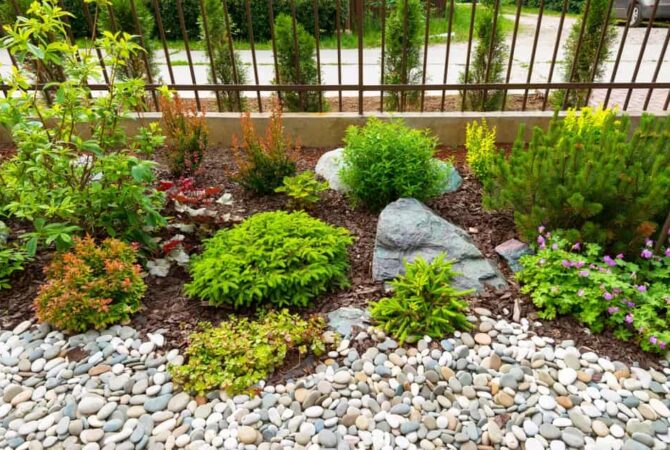
Ensure clear pathways for easy access. Use materials like gravel or stepping stones. They are low-maintenance and durable. Make paths wide enough for comfortable walking. This prevents plants from getting trampled.
Plan garden access points wisely. Ensure you can reach every plant easily. This makes watering and pruning hassle-free. Consider raised beds for easy access. They reduce the need for bending or kneeling.
Credit: www.bladecutters.net
Maintaining Your Garden
Designing an easy care garden involves choosing low-maintenance plants. Group plants with similar water needs for efficiency. Use mulch to reduce weeds and conserve moisture.
Maintaining Your Garden A well-designed garden needs care to stay beautiful. Simple tasks can make a big difference. Regular maintenance keeps plants healthy and vibrant. It’s about knowing what your garden needs and when. Understanding seasonal tasks is key for success.Seasonal Tasks
Different seasons demand different efforts. Spring is for planting new seeds. Summer calls for watering and watching for pests. Autumn is about clearing dead leaves. Winter requires protecting plants from frost. Each season brings unique challenges. Prepare for them in advance.Pruning And Deadheading
Pruning keeps plants tidy and promotes growth. Remove overgrown branches regularly. Deadheading is about cutting off faded flowers. This encourages new blooms and keeps plants looking fresh. Both tasks improve the garden’s overall appearance. They are simple but effective in maintaining beauty.Pest Management
Designing an easy-care garden involves smart pest management. Choose pest-resistant plants to minimize care efforts. Regularly inspect your garden for pests and use natural remedies when needed.
Pest Management is a crucial aspect of designing an easy care garden. Without a proper plan, pests can quickly turn your serene outdoor space into a battleground. The good news is that managing these uninvited guests doesn’t have to be complicated or harmful to the environment. By integrating simple strategies and using natural solutions, you can maintain a healthy and thriving garden.Natural Solutions
Embrace the power of nature to keep your garden pest-free. Consider planting marigolds, which are known to repel aphids and nematodes. You can also introduce beneficial insects like ladybugs that feast on common garden pests. Homemade sprays can be incredibly effective. A mixture of water and a few drops of dish soap can deter many soft-bodied insects. Remember to test a small area first to ensure your plants are not sensitive to the solution. A friend once shared how he managed to keep his vegetable garden thriving by using crushed eggshells. The eggshells deterred snails and slugs, acting as a natural barrier. Have you tried any creative, natural pest solutions in your garden?Preventative Measures
Prevention is often easier than dealing with an infestation. Begin by selecting pest-resistant plant varieties. Many seed packets specify resistance to specific pests, making your choices more informed. Regularly inspect your plants for early signs of pest problems. Catching issues early can prevent them from spreading. Consider creating barriers using row covers to protect your crops from flying insects. Healthy plants are less susceptible to pest attacks. Ensure your garden receives adequate water and nutrients. Over-fertilizing can attract pests, so balance is key. Have you noticed a correlation between plant health and pest presence in your garden?Sustainable Practices
Designing an easy care garden involves choosing native plants that require less water and maintenance. Incorporating mulch helps retain moisture and suppress weeds. Implementing efficient irrigation systems like drip irrigation conserves water and ensures healthy plant growth.
Designing an easy care garden doesn’t mean sacrificing sustainability. Embracing sustainable practices not only reduces your garden’s environmental impact but also simplifies maintenance. By focusing on eco-friendly materials and composting techniques, you can create a garden that’s both beautiful and low-maintenance.Eco-friendly Materials
Choosing eco-friendly materials in your garden can make a big difference. Opt for recycled or repurposed items for your garden beds, like reclaimed wood or metal. They add character and reduce waste. Consider using organic mulch from local sources. It retains moisture and suppresses weeds, cutting down on maintenance. Have you thought about using natural stone or gravel for paths? They offer durability without the need for chemical treatments.Composting Techniques
Composting is a fantastic way to enrich your soil while reducing waste. Start a compost pile or bin in a corner of your garden. Use kitchen scraps like vegetable peels and coffee grounds mixed with garden waste. Balance greens and browns to maintain a healthy compost. Too much of one can slow down the process. Turn your compost regularly to aerate it, speeding up decomposition. Is your garden small? Try a worm bin for compact composting. Worms speed up the process and provide nutrient-rich castings for your plants.
Credit: thegardenconcept.com
Frequently Asked Questions
What Are Easy Care Garden Plants?
Easy care plants require minimal maintenance and thrive in diverse conditions. Popular options include lavender, succulents, and ornamental grasses. These plants resist pests and diseases, needing less water and pruning. Selecting native species further enhances garden sustainability by adapting to local climates.
Choose wisely to simplify gardening efforts.
How To Reduce Garden Maintenance?
Reducing garden maintenance involves selecting low-maintenance plants and using mulch. Mulch retains moisture and suppresses weeds, reducing watering frequency. Grouping plants with similar needs simplifies care routines. Automated irrigation systems also save time. Regularly inspect for pests to prevent damage without constant attention.
Which Soil Type Is Best For Easy Care Gardens?
Loamy soil is ideal for easy care gardens. It balances moisture retention and drainage, promoting healthy plant growth. Adding organic matter improves soil structure and fertility. Conduct a soil test to identify existing properties and make necessary amendments. This ensures plants receive optimal nutrients.
How To Design A Water-efficient Garden?
Design a water-efficient garden by incorporating drought-tolerant plants and using efficient irrigation systems. Choose native species adapted to local rainfall patterns. Implement rainwater harvesting and soil amendments to retain moisture. Mulching further reduces evaporation. Create zones based on water needs to optimize usage.
Conclusion
Creating an easy care garden boosts your home’s beauty effortlessly. Choose low-maintenance plants that thrive with little fuss. Plan your layout for easy access and maintenance. Use mulch to retain moisture and reduce weeds. Smart irrigation saves water and time.
Enjoy colorful blooms without the work. Regular pruning keeps your garden neat. Simple steps lead to a rewarding garden experience. Anyone can design a garden that’s easy to care for. With these tips, gardening becomes a pleasure, not a chore.
Embrace simplicity and watch your garden thrive with less effort.







