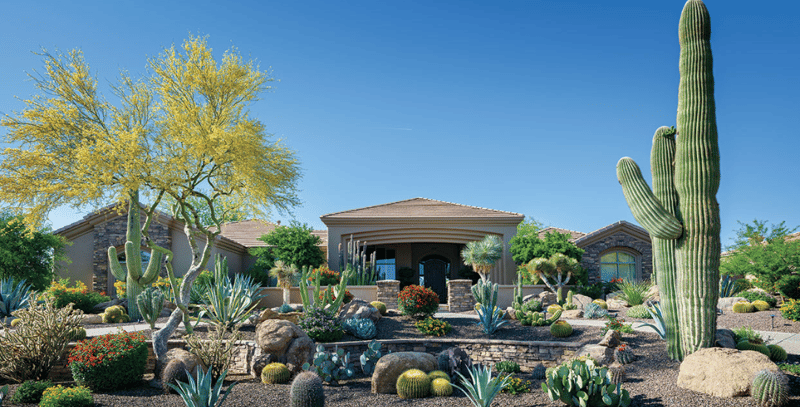
Imagine stepping into your garden, a serene oasis where water scarcity is no longer a concern and vibrant plants thrive effortlessly. Xeriscaping is the art of designing such a garden, using minimal water while maximizing beauty and sustainability.
If you’ve ever felt burdened by high water bills or guilty about your environmental footprint, this gardening approach might just be your solution. In this guide, you’ll discover how to transform your outdoor space into a haven that respects nature and your wallet.
You’ll learn practical tips and creative ideas to craft a garden that not only conserves water but also enhances your home’s aesthetic appeal. Whether you’re a seasoned gardener or a curious beginner, understanding xeriscape design can revolutionize the way you interact with your environment. Are you ready to save time, money, and the planet while enjoying a lush and inviting garden? Dive in to uncover the secrets of xeriscape gardening and unlock the potential of your outdoor space.
Benefits Of Xeriscaping
Designing a xeriscape garden can conserve water and reduce maintenance efforts. Native plants thrive with minimal watering, creating a sustainable landscape. This eco-friendly approach supports biodiversity and lowers utility bills.
Designing a xeriscape garden offers numerous benefits that go beyond just saving water. As you embrace this sustainable gardening approach, you will discover how it transforms your outdoor space into a thriving ecosystem. Xeriscaping is not only practical but also a rewarding way to garden smartly and responsibly.Water Conservation
Xeriscaping drastically reduces your garden’s need for irrigation. By choosing drought-resistant plants, you’ll cut down on water usage significantly. Imagine the relief of lower water bills and contributing to water conservation in your community.Low Maintenance
These gardens are designed to thrive with minimal intervention. You won’t need to spend your weekends mowing or dealing with high-maintenance plants. This means more time to relax and enjoy your garden instead of constantly tending to it.Environmental Benefits
Xeriscaping promotes biodiversity by attracting pollinators like bees and butterflies. Native plants support local wildlife and create a balanced ecosystem. You’ll be surprised at how vibrant your garden becomes as it hosts a variety of beneficial insects.Cost Savings
With less water and maintenance, your gardening costs will decrease. Think about the savings on fertilizers, pest control, and even equipment. Xeriscaping is a smart investment that pays off over time.Aesthetic Appeal
Who says a water-efficient garden can’t be beautiful? With a variety of textures, colors, and plant types, your garden will be visually stunning. You might find yourself getting compliments from neighbors and friends who are inspired by your creative design.Resilience To Climate Change
As weather patterns become unpredictable, xeriscape gardens adapt better to these changes. Their drought-tolerant nature means they can withstand dry spells without losing their charm. How prepared is your garden for the future? By considering these benefits, you’ll see how xeriscaping is not just about conserving resources but also enhancing your garden’s beauty and functionality. What changes can you make today to start enjoying these advantages?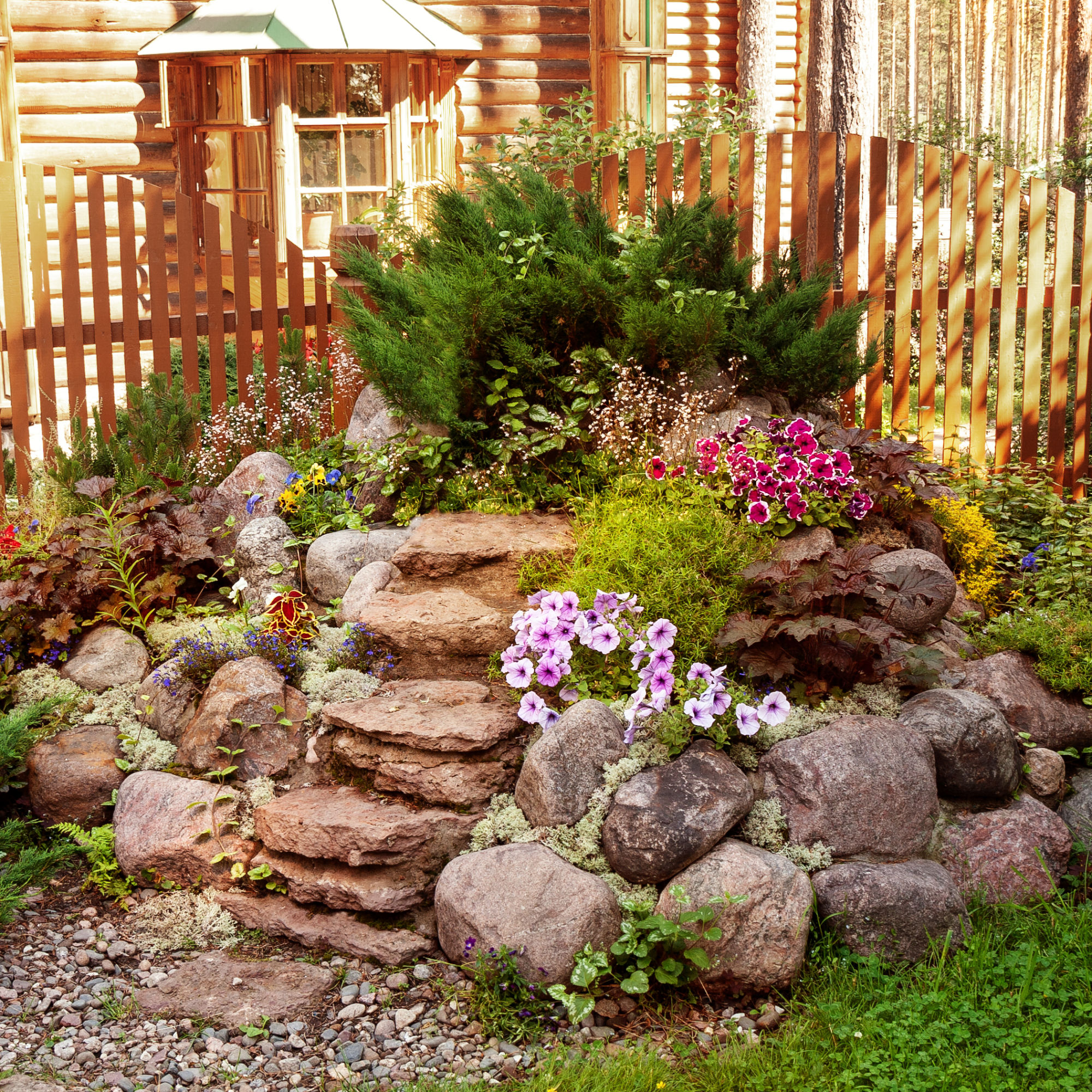
Credit: www.gardeningknowhow.com
Planning Your Xeriscape Garden
Designing a xeriscape garden involves selecting drought-resistant plants and organizing them efficiently. Focus on minimizing water use by incorporating gravel, mulch, and native species. Consider the garden’s sun exposure and soil type to ensure plant health and sustainability.
Planning your xeriscape garden involves thoughtful design and careful preparation. Start by understanding your landscape’s unique features. This helps you create a garden that thrives with minimal water. A well-planned xeriscape garden not only conserves water but also enhances the beauty of your space. Below are key steps to guide you in planning your xeriscape garden.Assessing Your Space
Begin by evaluating your garden’s characteristics. Check the soil type, sunlight, and slope. These factors influence plant choice. Observe how water flows in your yard. This helps you manage water effectively. Identify areas that stay wet or dry. This knowledge assists in plant placement. Take note of existing plants and structures. Decide which to keep or remove. Consider the overall size and shape of your garden. A clear understanding of your space helps in designing an efficient layout.Defining Zones
Divide your garden into zones based on water needs. Group plants with similar water requirements together. This practice, called hydrozoning, saves water and simplifies maintenance. Create a high-water-use zone near the house. Use this area for decorative plants or a small lawn. Designate low-water-use zones farther away. These zones can feature drought-tolerant plants. Consider pathways and seating areas. These elements create structure and guide movement. Plan for shade and windbreaks to protect plants. A well-zoned garden balances beauty and sustainability. With careful planning, your xeriscape garden will be a thriving, water-wise landscape.Choosing Drought-resistant Plants
Selecting drought-resistant plants is key in xeriscape garden design. These plants thrive with minimal water, reducing maintenance and conserving resources. Embrace native species for a resilient and beautiful landscape.
Choosing drought-resistant plants is key to a successful xeriscape garden. These plants thrive with minimal water, making them ideal for dry climates. Selecting the right plants ensures your garden stays vibrant and healthy with less maintenance. Let’s explore how to make the best choices.Native Plant Selection
Native plants adapt well to local conditions. They require less water and care. You benefit from their natural resistance to pests and diseases. Local nurseries are great places to find these plants. Many offer a variety of native species suited to your area. Choose plants that complement each other in color and texture. This creates an appealing garden that flourishes in its environment.Companion Planting
Companion planting enhances plant growth and health. Pairing plants with similar water needs prevents overwatering or underwatering. Some plants provide shade or wind protection to their companions. This helps in conserving moisture in the soil. Mixing herbs and flowers can deter pests naturally. Choose combinations that support each other’s growth. This leads to a more resilient and diverse garden ecosystem. Incorporate these strategies for a thriving xeriscape. Your garden will be a beautiful, sustainable sanctuary.Soil Preparation Techniques
Preparing soil for a xeriscape garden involves careful planning and efficient techniques. Focus on improving soil drainage and quality. Add organic matter like compost to enrich and aerate the soil. Consider using mulches to retain moisture and suppress weeds. These steps help create a sustainable and water-efficient garden.
Designing a xeriscape garden starts with understanding how to prepare the soil effectively. The soil is the foundation for your garden, and improving its quality can drastically enhance plant growth and water retention. While xeriscaping emphasizes water conservation, it’s essential to strike a balance between soil health and moisture management.Improving Soil Quality
Healthy soil is crucial for a successful xeriscape garden. Begin by assessing your soil’s texture and drainage capabilities. Sandy soils drain too quickly, while clay soils retain too much water. Aim for a loamy texture, which balances both drainage and moisture retention. Add organic matter such as compost or well-rotted manure to improve soil structure. This boosts the soil’s ability to retain moisture without becoming waterlogged. By enhancing nutrient content, plants become more resilient, even in dry conditions. Test your soil’s pH level. Most xeriscape plants thrive in slightly acidic to neutral soil. Adjust pH by adding lime for acidic soils or sulfur for alkaline ones. This ensures your plants have the optimal environment to absorb nutrients efficiently.Mulching Methods
Mulching is a vital technique in xeriscaping to conserve soil moisture and suppress weeds. Select mulch types that suit your garden’s aesthetic and functional needs. Organic mulches like bark chips or straw decompose over time, enriching the soil. Spread a layer of mulch around plants, ensuring it’s thick enough to prevent evaporation but not so deep that it suffocates the roots. A 2-3 inch layer is ideal for most xeriscape gardens. Consider inorganic mulches such as gravel or pebbles for areas prone to erosion. While they don’t enrich the soil, they are excellent for moisture retention and adding a decorative touch. Have you tried different mulching techniques in your garden? Observing the impact can help refine your approach and create a thriving xeriscape garden tailored to your needs.Efficient Irrigation Systems
Designing a xeriscape garden involves choosing native plants that thrive in dry conditions. Efficient irrigation systems, like drip irrigation, help conserve water by delivering moisture directly to plant roots. This method reduces waste and supports sustainable landscaping.
Designing a xeriscape garden is not just about choosing drought-resistant plants; it’s also about setting up efficient irrigation systems that conserve water. The aim is to provide your plants with the necessary hydration while minimizing water waste. Let’s dive into two effective methods to keep your xeriscape garden thriving.Drip Irrigation Setup
Drip irrigation is a highly efficient way to water your xeriscape garden. It delivers water directly to the plant’s roots, reducing evaporation and runoff. Setting up a drip system is relatively straightforward. Begin by laying out the tubing to reach all your plants. Ensure each plant has a dedicated emitter to provide consistent moisture. Adjust the flow rate based on the plant’s water needs. This precision helps save water and supports plant health. Imagine having a garden that practically waters itself!Rainwater Harvesting
Rainwater harvesting is another excellent way to irrigate your xeriscape garden. It involves collecting rainwater from roofs and storing it for dry periods. Install gutters and downspouts to channel water into storage barrels or tanks. This water can be used during times of scarce rainfall, reducing reliance on municipal water sources. Consider using a gravity-fed system to distribute the water, which saves energy. Are you ready to turn rainy days into garden growth opportunities?
Credit: www.youtube.com
Designing Aesthetic Elements
Designing aesthetic elements in a xeriscape garden transforms functional space into visual delight. A well-designed xeriscape blends beauty with sustainability. It uses minimal water while offering striking visual appeal. Thoughtful design brings harmony and balance to the garden. It creates a space that invites relaxation and enjoyment. Focus on materials that enhance the natural landscape.
Incorporating Hardscapes
Hardscapes add structure and definition to a xeriscape garden. Use pathways to guide visitors through the garden. Stone steps can create visual interest and ease navigation. Patios provide areas for seating and social interaction. Walls and fences define garden boundaries. They offer privacy and protection from the elements. Use materials like stone, concrete, and wood. They complement the natural beauty of drought-tolerant plants.
Consider installing water features. They add tranquility and a soothing sound. Even in a xeriscape, small fountains or ponds can be included. They use recirculating systems to conserve water. Hardscapes should blend seamlessly with the natural elements. They must enhance, not overpower, the garden’s design.
Using Decorative Gravel
Decorative gravel is a versatile element in xeriscape gardens. It reduces water usage while adding texture and color. Gravel paths guide visitors and prevent soil erosion. Use different sizes and colors to create visual interest. Large rocks can serve as focal points or seating areas. They add a rugged elegance to the landscape.
Gravel beds can replace traditional lawns. They offer a low-maintenance alternative that conserves water. Gravel combined with drought-tolerant plants creates a striking contrast. It highlights the plants’ colors and textures. Consider using gravel as mulch around plants. It helps retain moisture and prevents weed growth. Gravel complements other hardscape elements. Together, they create a cohesive and visually appealing design.
Maintenance Strategies
Designing a xeriscape garden involves selecting drought-tolerant plants and efficient irrigation systems. Incorporate native species to reduce water usage. Mulching helps retain moisture and suppress weeds.
Maintaining a xeriscape garden involves specific strategies that ensure your landscape remains vibrant and healthy. Unlike traditional gardens, xeriscapes are designed to minimize water use, but they still require regular attention. Focus on tasks like pruning, trimming, and weed management to keep your garden thriving. These activities not only enhance the beauty of your space but also contribute to its efficiency and sustainability. Let’s explore how to effectively manage these tasks.Pruning And Trimming
Pruning and trimming are crucial for promoting plant health in your xeriscape garden. Regularly assess your plants and remove any dead or overgrown parts. This helps prevent disease and encourages new growth. Consider the natural growth patterns of your plants. Trimming according to these patterns will maintain their shape and vigor. Engage in pruning during the early morning or late afternoon when temperatures are cooler. This reduces stress on the plants and makes the task more enjoyable for you.Weed Management
Weeds can quickly become a nuisance if left unchecked in a xeriscape garden. Regular monitoring and removal are essential to prevent them from competing with your plants for nutrients and water. Utilize mulch as a barrier to minimize weed growth. It also helps retain soil moisture, benefiting your water-efficient plants. Try manual removal methods, such as hand-pulling or using a hoe. These techniques are effective and allow you to address weeds without disrupting the ecosystem.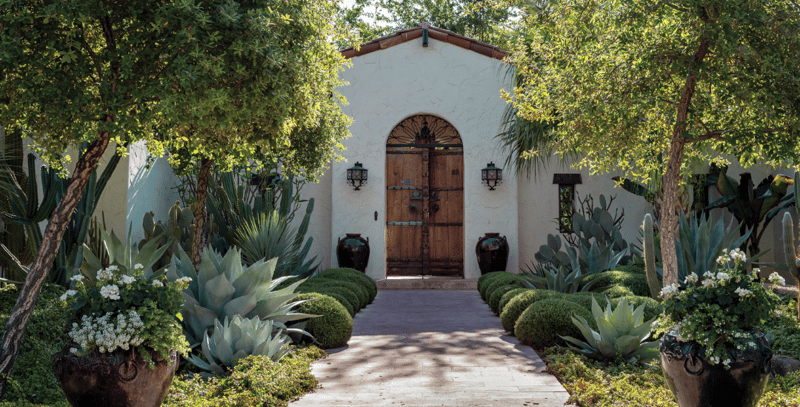
Credit: blog.moonvalleynurseries.com
Frequently Asked Questions
What Is A Xeriscape Garden?
A xeriscape garden is a landscape designed to minimize water use. It uses drought-resistant plants and efficient irrigation systems. This garden style is ideal for arid climates. It promotes sustainability and reduces maintenance needs. Xeriscaping also supports local ecosystems and biodiversity.
How Do I Start Xeriscaping?
Start by assessing your garden’s sunlight, soil, and climate. Choose drought-tolerant plants suited for your area. Plan a layout focusing on efficient water use. Incorporate mulch to retain moisture. Use drip irrigation systems for effective watering. Regularly maintain your garden to ensure plant health.
Which Plants Are Best For Xeriscaping?
Native, drought-tolerant plants are ideal for xeriscaping. Consider succulents like agave and cacti for low water needs. Lavender, sage, and ornamental grasses thrive in dry conditions. Research local plants that naturally resist drought. These choices will ensure a sustainable and vibrant garden.
How Does Xeriscaping Save Water?
Xeriscaping saves water by using drought-tolerant plants and efficient irrigation systems. Mulching helps retain soil moisture. Drip irrigation targets specific plants, reducing waste. This approach minimizes water consumption compared to traditional gardens. It is an eco-friendly solution for conserving precious resources.
Conclusion
Creating a xeriscape garden is smart and sustainable. It saves water and looks beautiful. You can design it with a few simple steps. Choose native plants that need less water. Use mulch to retain moisture. Arrange rocks and gravel for decoration.
This type of garden is easy to maintain. It also helps the environment. Enjoy your garden that thrives with little effort. Your space will be vibrant and eco-friendly. Start planning today and embrace nature’s beauty. A xeriscape garden is a rewarding project for any home.