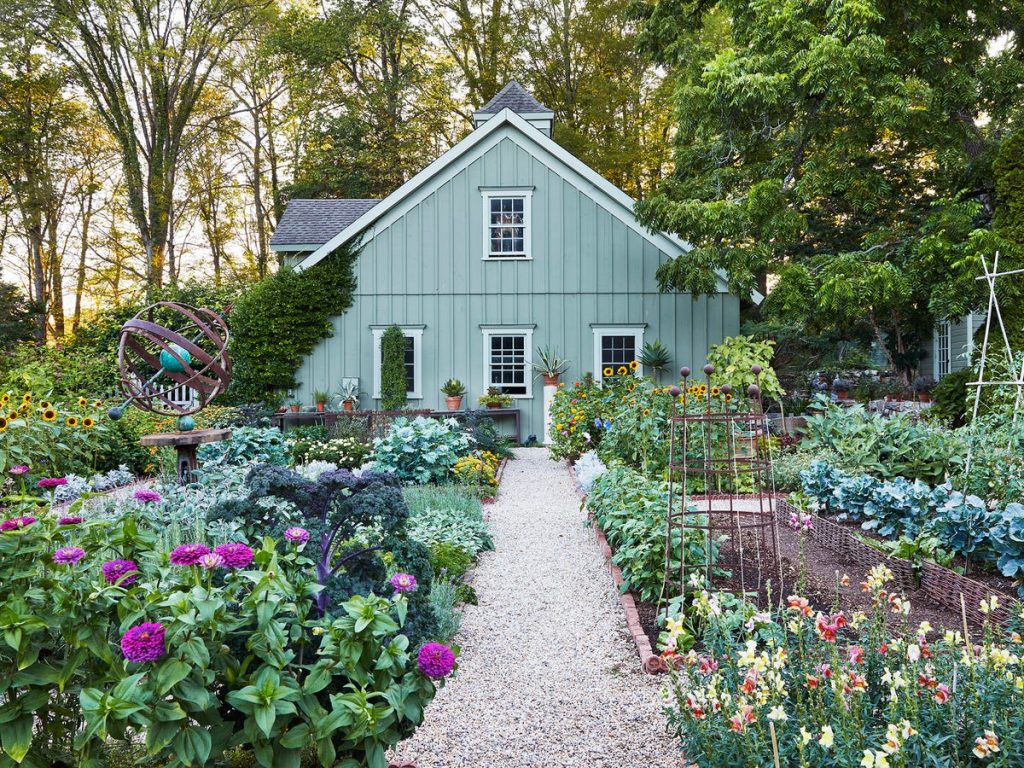
Are you dreaming of stepping outside your door to pick fresh, juicy tomatoes, crisp lettuce, or fragrant herbs right from your own garden? Designing a veggie garden might seem daunting, but it’s easier and more rewarding than you think.
Imagine the satisfaction of knowing exactly where your food comes from and the joy of tasting produce harvested at its peak. Whether you have a spacious backyard or a tiny balcony, you can create a thriving vegetable garden. In this guide, you’ll discover simple steps to plan the perfect layout, choose the right plants, and ensure your garden flourishes.
Ready to transform your outdoor space into a lush, edible paradise? Let’s dig in and get started!
Planning Your Veggie Garden
Designing a veggie garden involves selecting the right location with ample sunlight and good soil. Plan your layout by grouping plants with similar needs together. Consider pathways for easy access and maintenance.
Planning Your Veggie Garden Designing a veggie garden can be one of the most rewarding endeavors you undertake. Not only does it bring fresh produce right to your doorstep, but it also allows you to connect with nature in a meaningful way. Before you start digging, a little planning can save you a lot of hassle down the road.Choosing The Right Location
The location of your garden is crucial to its success. Look for a spot that gets at least six to eight hours of sunlight per day. Sunlight is the lifeline for your veggies, so ensure there are no tall trees or structures casting long shadows over your plants. Consider proximity to water sources. You don’t want to be lugging a hose across your yard every time your plants get thirsty. Think about convenience—closer to your home can mean you’ll tend to it more often.Assessing Soil Quality
Healthy soil is the foundation of a flourishing veggie garden. Conduct a simple soil test to check for pH levels and nutrient content. This can guide you in understanding what amendments might be necessary. Is your soil sandy, clayey, or loamy? Different plants thrive in different soil types, so knowing yours helps in selecting what to grow. If needed, enrich the soil with organic matter like compost to enhance fertility and drainage.Deciding On Garden Size
How much time do you have for gardening? Your available time and commitment levels should dictate the size of your garden. A small, well-maintained plot can be more productive than a large, neglected one. Start small if you’re a beginner. You can always expand as you gain confidence. Think about what vegetables you love to eat and make a list—it’ll help in deciding the dimensions that suit your needs. Planning your veggie garden with these considerations in mind sets the stage for a thriving oasis. What will you plant first?Selecting Vegetables
Selecting vegetables carefully ensures a thriving veggie garden. Consider climate, soil type, and available space to choose the best varieties. Mixing leafy greens, root vegetables, and herbs can enhance both aesthetics and yield.
Selecting the right vegetables is crucial for a thriving veggie garden. It involves understanding your climate, soil, and garden space. The right choices can lead to a bountiful harvest, while the wrong ones might lead to frustration. Here, we explore key factors to help you make the best selections.Seasonal Considerations
Different vegetables thrive in different seasons. Cool-season crops like lettuce and spinach grow well in spring and fall. Warm-season vegetables like tomatoes and peppers need summer heat. Understand your local climate. This helps in deciding what to plant and when.Understanding Plant Compatibility
Some plants grow better together, while others don’t. This is known as plant compatibility. Beans and corn, for example, are good companions. On the other hand, avoid planting onions near beans. Companion planting can enhance growth and reduce pests.Choosing Heirloom Vs. Hybrid
Heirloom vegetables are open-pollinated and have a rich history. They offer unique flavors and colors. Hybrids are bred for specific traits like disease resistance. They usually provide higher yields. Decide what matters most to you: tradition or performance. Both options have their own set of benefits.Garden Layout Design
Designing a veggie garden layout requires thoughtful planning. A well-planned garden maximizes space and yield. Different layouts suit different needs and spaces. Consider factors like soil, sunlight, and climate.
Row Planting Vs. Raised Beds
Row planting is traditional and straightforward. It works well in larger spaces. Rows are usually single lines of plants. They allow easy access for weeding and harvesting. Raised beds offer more control. They improve drainage and soil quality. Beds can be built to any height. This makes them accessible for those with mobility issues.
Vertical Gardening Options
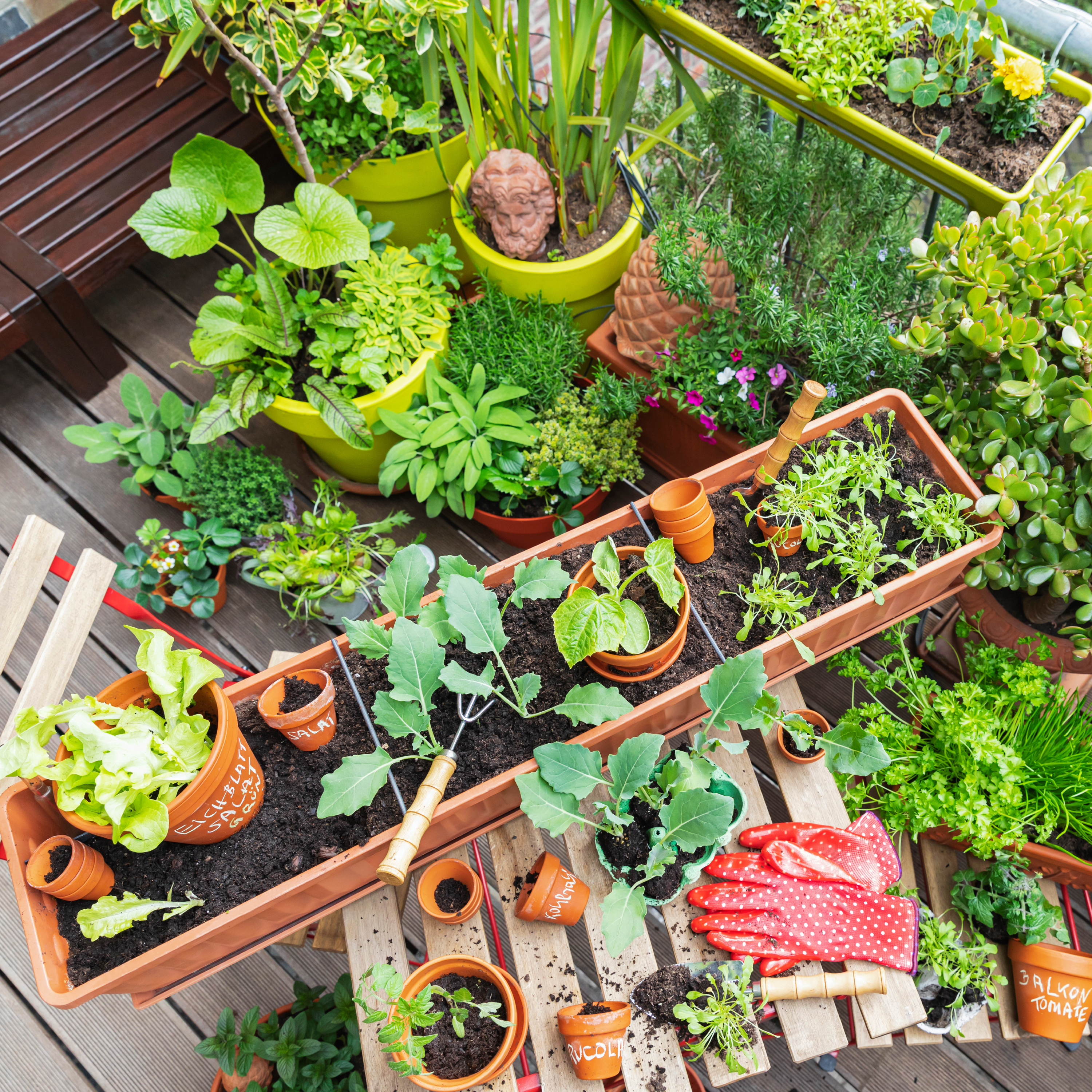
Vertical gardening saves space. It uses structures to grow plants upwards. Trellises and wall planters are common. This method suits small gardens or urban spaces. It’s ideal for climbing plants like beans and peas. Vertical structures also add visual interest.
Incorporating Companion Planting
Companion planting pairs plants that benefit each other. Some plants repel pests or attract beneficial insects. For example, planting marigolds with tomatoes deters nematodes. Basil planted near peppers enhances growth and flavor. This method can increase yield and reduce chemical use.
Credit: www.gardeningknowhow.com
Preparing The Soil
Preparing the Soil Healthy soil is key to a thriving veggie garden. Begin by removing weeds and debris. Then, loosen the soil with a shovel or tiller. Mix in organic compost to enrich nutrients. This creates a fertile foundation for your plants to grow strong and productive.
Designing a veggie garden is a rewarding endeavor. Before planting, soil preparation is crucial. Healthy soil ensures robust plant growth.Testing And Amending Soil
Begin with a soil test. It reveals nutrient levels and pH balance. A simple kit from a garden store works well. Based on results, add amendments. For acidic soil, use lime to adjust pH. For alkaline soil, sulfur can help. Organic matter boosts fertility. Consider adding compost or aged manure.Composting Techniques
Composting enriches soil naturally. Start a compost pile in a sunny spot. Use kitchen scraps, grass clippings, and dry leaves. Turn the pile weekly to aerate. Maintain moisture by watering lightly. In a few months, compost is ready. Spread it evenly over the garden bed.Mulching Strategies
Mulching conserves moisture and suppresses weeds. Organic mulches like straw or wood chips are ideal. Spread mulch around plants, leaving space near stems. It regulates soil temperature and improves structure. Replace mulch as it breaks down over time. This maintains its protective layer.Planting Techniques
Design a veggie garden by selecting a sunny spot and plotting rows for easy access. Use companion planting to maximize growth and natural pest control. Ensure proper spacing for each vegetable to thrive and consider soil type for optimal results.
Designing a veggie garden is a rewarding experience. One key aspect is mastering planting techniques. These techniques ensure your garden flourishes. By focusing on seed starting, transplanting, and spacing, you set a solid foundation for healthy plants. Let’s dive into these essential techniques.Seed Starting Tips
Starting seeds indoors gives them a head start. Use containers like peat pots or trays. Ensure they have drainage holes. Fill them with seed-starting mix. It’s light and well-drained. Plant seeds at the depth recommended on the packet. Water them gently using a spray bottle. Keep the soil moist but not soaked. Place containers in a warm spot. Natural light or grow lights work best. Monitor daily for sprouting.Transplanting Seedlings
Transplant seedlings once they have two sets of true leaves. Harden them off first. This means gradually exposing them to outdoor conditions. Start by placing them outside for a few hours daily. Increase time over a week. Choose a cloudy day for transplanting. It reduces transplant shock. Dig holes in your garden bed. Make them twice as wide as the root ball. Gently remove seedlings from their containers. Place them in the holes. Fill gaps with soil. Water thoroughly to settle the roots.Spacing And Depth Guidelines
Proper spacing helps plants thrive. Crowded plants compete for nutrients. Check seed packets for spacing details. Use a ruler or stick to measure distances. Plant at the correct depth. Too deep can suffocate seeds. Too shallow may expose roots. Follow packet instructions carefully. For rows, maintain even spacing. This allows easy access for watering and harvesting. Happy planting!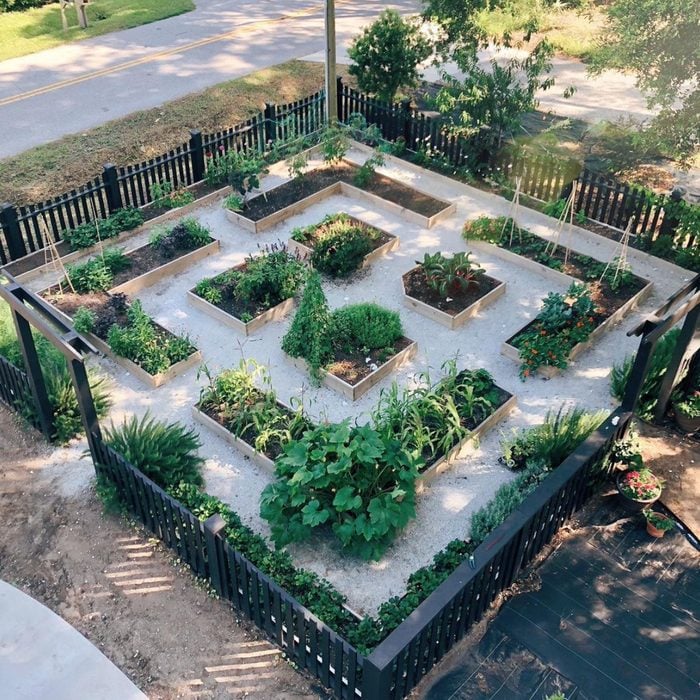
Credit: www.familyhandyman.com
Watering And Irrigation
Proper watering and irrigation ensure your veggie garden thrives. Plan an efficient system to save water and time. Consider drip irrigation or soaker hoses for even moisture distribution.
Designing a veggie garden involves more than just planting seeds in the soil. Watering and irrigation are vital for a lush and productive garden. Without proper watering, even the most carefully planned garden can wither. So, how do you ensure your garden gets the right amount of moisture?Setting Up Efficient Systems
Creating an efficient irrigation system can save you time and water. Drip irrigation is an excellent choice, especially for vegetable gardens. It delivers water directly to the plant roots, minimizing waste. Consider installing a timer to automate watering schedules. This ensures your plants receive consistent moisture, which is crucial during dry spells. Consistency is key, but overwatering can be as harmful as under-watering.Understanding Plant Water Needs
Each plant has its own water requirements. Leafy greens like lettuce need more frequent watering compared to drought-resistant herbs like rosemary. Understanding these needs can prevent water wastage and ensure lush growth. Observe your plants closely. Are the leaves wilting or turning yellow? These could be signs of over or under-watering. Adjust your irrigation system to meet these specific needs.Rainwater Harvesting
Rainwater is a free resource that can reduce your water bills and benefit your garden. Setting up a rain barrel to collect runoff from your roof can provide a sustainable water source. This not only conserves water but also reduces your carbon footprint. Consider the placement of your rain barrel. It should be close to your garden for easy access. Use this water, especially during dry seasons, to keep your veggie garden thriving. Have you ever thought about how much more vibrant your garden could be with efficient watering? Implementing these strategies will help you grow a successful veggie garden with less effort and more enjoyment.Pest And Disease Management
Designing a veggie garden involves careful planning for pest and disease management. Choose resistant plant varieties and maintain healthy soil to prevent infestations. Regular monitoring and natural remedies like companion planting can keep your garden thriving.
Designing a veggie garden is a rewarding endeavor, but managing pests and diseases is crucial to ensuring your garden thrives. Every gardener faces this challenge, yet with the right strategies, you can protect your plants without resorting to harmful chemicals. Let’s explore some practical methods to keep your garden healthy and productive.Identifying Common Pests
Knowing the enemy is half the battle. Common pests in vegetable gardens include aphids, caterpillars, and snails. Aphids often appear as tiny green bugs clustered on new plant growth, while caterpillars leave visible holes in leaves. Snails are notorious for chewing through tender plants at night. Regularly inspect your plants, noting any unusual spots, holes, or discoloration. Spotting problems early helps in taking swift action.Natural Pest Control Methods
Chemical pesticides can harm beneficial insects and disrupt your garden’s ecosystem. Consider natural alternatives like introducing ladybugs to tackle aphids or using neem oil spray for a wide range of pests. You can also use diatomaceous earth around plant bases to deter snails and slugs. Creating barriers with copper tape or crushed eggshells can be surprisingly effective against these slimy intruders. Have you tried using insect-repelling plants, like marigolds, to protect your veggies? It’s worth the experiment.Preventing Plant Diseases
Diseases often strike when conditions are optimal for pathogens but poor for plants. Rotate your crops each season to reduce soil-borne diseases, and ensure good air circulation by spacing plants appropriately. Watering in the morning allows plants to dry out during the day, minimizing fungal infections. Have you ever noticed how a simple mulch layer can keep soil moist and suppress disease? It’s an easy yet effective step. Regularly remove any diseased leaves or plants to prevent the spread of infection. Managing pests and diseases in your veggie garden requires vigilance and creativity. By focusing on prevention and using natural remedies, you can enjoy a lush and productive garden without compromising on health or sustainability.Maintaining Your Garden
Designing a veggie garden involves selecting a sunny spot with good soil drainage. Plan the layout for easy access and efficient watering. Choose a mix of vegetables suited to your climate and space.
Maintaining your garden is where the magic happens. A well-maintained veggie garden not only looks vibrant but also ensures a bountiful harvest. It’s about creating a routine that nourishes both the plants and your gardening spirit.Regular Weeding Practices
Weeds are the uninvited guests in your garden. They compete with your veggies for nutrients, water, and sunlight. Regular weeding is essential to keep your garden healthy. Set aside time each week for weeding. Pull them out by the roots to prevent regrowth. Consider using mulch to suppress weed growth and retain soil moisture.Pruning And Trimming Tips
Pruning keeps your plants healthy and productive. It involves removing dead or diseased branches to encourage growth. Use sharp, clean tools to prevent the spread of disease. Trim your plants in the morning when they’re less stressed. For example, tomatoes benefit from pinching off the suckers to focus energy on fruit production.Seasonal Cleanup
Each season brings its own challenges and opportunities for your garden. Seasonal cleanup is crucial to prepare your garden for the next phase. In spring, clear away winter debris and check soil health. In autumn, remove any dead plants and add organic matter to enrich the soil. Do you have a plan to tackle seasonal changes in your garden?Harvesting Your Vegetables
Harvesting your vegetables can be one of the most rewarding parts of gardening. You’ve nurtured your plants from tiny seeds or seedlings, and now it’s time to enjoy the fruits—or rather, the veggies—of your labor. Knowing when and how to harvest ensures you get the freshest and tastiest produce possible.
Signs Of Ripeness
Each vegetable has its own signals to indicate it’s ready for picking. Tomatoes, for example, should be fully colored and slightly soft to the touch. Peppers can be harvested when they reach the desired size, but waiting for full color often enhances their flavor. Zucchinis are best picked when they are about 6-8 inches long for tender and flavorful flesh. Keep an eye on the size, color, and texture to determine ripeness. Do you know that waiting too long can sometimes lead to bitter tastes or overly seedy vegetables?
Best Harvesting Techniques
- Use Clean Tools:Ensure your scissors or knives are clean to avoid spreading diseases.
- Cut, Don’t Yank:Cut vegetables from the plant rather than pulling them to prevent damage.
- Morning Harvest:Pick vegetables in the morning when they are most hydrated for the best taste.
Consider your technique. I once discovered that simply twisting tomatoes off the vine left the plant healthier and ready for the next batch. What’s your go-to method for harvesting?
Storing Fresh Produce
Proper storage can extend the life of your veggies significantly. Leafy greens like lettuce and spinach should be washed, dried, and stored in the fridge with a damp towel. Root vegetables such as carrots and beets last longer if you remove their greens and store them in a cool, dark place. Did you know that tomatoes continue to ripen after picking and should be kept at room temperature? Experiment with different storage methods to find what keeps your veggies freshest.

Credit: www.youtube.com
Frequently Asked Questions
What Are The Best Vegetables For Beginners?
Start with easy-to-grow vegetables like tomatoes, lettuce, and carrots. These plants require minimal care and offer a high yield. Choose crops suited to your climate and soil type for optimal growth. Beginners should focus on vegetables that are resilient and adaptable to various growing conditions.
How To Choose A Garden Layout?
Select a layout based on available space and sunlight. Raised beds are ideal for small areas, while rows suit larger spaces. Consider accessibility for watering and maintenance. Ensure optimal sunlight exposure by placing taller plants at the north end of the garden.
How To Improve Soil Quality For Veggies?
Enhance soil by adding organic matter like compost or aged manure. This boosts nutrients and drainage. Test soil pH and amend with lime or sulfur if necessary. Rotate crops annually to prevent nutrient depletion and maintain healthy soil.
How Often Should I Water My Veggie Garden?
Water deeply once or twice a week, depending on weather. Ensure soil remains moist but not waterlogged. Early morning is the best time to water, reducing evaporation. Adjust frequency based on plant needs and rainfall to maintain optimal growth conditions.
Conclusion
Designing a veggie garden can be a fun project. Start small, and choose easy plants. Think about sunlight and soil quality. Plan the layout for easy access to plants. Use raised beds for better drainage. Mulch helps keep weeds away.
Keep tools handy for quick maintenance. Water your plants regularly. Enjoy watching your garden grow. Share your harvest with friends or family. Gardening is a rewarding experience. It brings joy and fresh produce. Your garden will improve with time. Happy gardening!







