Imagine stepping into your backyard and picking fresh, juicy tomatoes right off the vine or snipping fragrant basil leaves for your pasta dinner. Designing your own vegetable garden in Georgia can turn this dream into a reality.
But where do you start? The unique climate and soil conditions in Georgia present both challenges and opportunities for gardeners. Whether you’re a seasoned green thumb or a complete beginner, knowing how to tailor your garden to this environment is key.
In this guide, you’ll discover simple yet effective strategies to create a flourishing vegetable garden right in your own backyard. Ready to transform your outdoor space into a bountiful oasis? Let’s dig in and explore the secrets to a successful vegetable garden design in Georgia.
Choosing The Right Location
Choosing the Right Location Select a sunny spot with well-drained soil for your vegetable garden in Georgia. Ensure the area is easily accessible for watering and maintenance. Avoid shaded areas to promote healthy growth.
Choosing the right location for your vegetable garden in Georgia is crucial for success. The state’s climate offers diverse conditions, so selecting the optimal spot ensures your plants thrive. Consider sunlight, soil, and water access when deciding the best location.Assessing Sunlight Exposure
Vegetables need sunlight to grow well. Look for a spot with 6-8 hours of direct sun. Morning sunlight is ideal as it helps dry dew and prevents diseases. Avoid shaded areas under trees or buildings. Observe how the sun moves across your yard throughout the day.Evaluating Soil Quality
Good soil is key for healthy plants. Georgia’s soil varies greatly. Check if your garden area has rich, loamy soil or clay. Loamy soil drains well and holds nutrients. Perform a simple soil test to check pH levels and nutrient content. Amend soil with organic matter if needed.Considering Water Access
Watering is vital, especially in hot Georgia summers. Choose a spot near a water source like a hose or faucet. Ensure easy access for watering cans or hoses. Proper drainage is also important. Avoid areas where water collects after rain. Consider investing in drip irrigation for efficiency.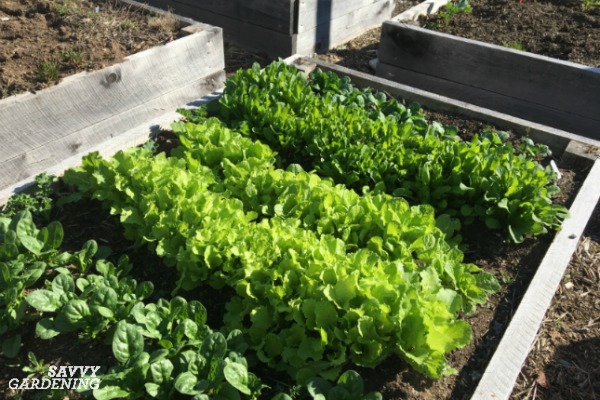
Credit: savvygardening.com
Selecting Suitable Vegetables
Choosing the right vegetables for a Georgia garden involves understanding the climate and soil conditions. Opt for crops like tomatoes, peppers, and okra, which thrive in the state’s warm temperatures. Consider planting in raised beds to improve drainage and soil quality.
Designing a vegetable garden in Georgia can be an exciting venture, offering you fresh produce right at your doorstep. One of the most crucial aspects is selecting vegetables that thrive in your local environment. Understanding the unique climate and planting seasons of Georgia will help you make informed choices, ensuring your garden flourishes throughout the year.Understanding Georgia’s Climate
Georgia’s climate varies from the humid subtropical conditions in the south to the milder temperatures in the north. The state experiences hot summers and mild winters, which can influence your vegetable choices. Consider vegetables that can withstand the heat, such as okra, sweet potatoes, and peppers, which are well-suited for Georgia’s summer months.Seasonal Planting Guide
Knowing when to plant is as important as knowing what to plant. In Georgia, spring is ideal for cool-season crops like lettuce, spinach, and broccoli. These crops can be started indoors in late winter and transplanted outside once the threat of frost has passed. As summer approaches, shift to heat-loving vegetables like tomatoes and cucumbers. Fall is perfect for a second round of cool-season planting, allowing you to enjoy fresh greens well into the colder months.Companion Planting Strategies
Pairing certain vegetables together can boost growth and deter pests naturally. Consider planting basil alongside tomatoes; it can enhance flavor and help repel insects. Carrots and onions make a great team, as they don’t compete for the same nutrients. By strategically grouping your plants, you can maximize space and improve overall garden health. Have you ever thought about which vegetables complement each other? Experimenting with companion planting can lead to surprising results and a more bountiful harvest.Planning The Layout
Planning the Layout Consider Georgia’s climate when designing your vegetable garden. Arrange plants to maximize sunlight and ensure good airflow. Group vegetables with similar watering needs together for efficient irrigation.
Planning the layout of your vegetable garden in Georgia is crucial for success. A well-thought-out design ensures plants thrive and maintenance is easy. Consider sunlight, water access, and plant compatibility.Space Optimization Techniques
Maximize your garden’s productivity with smart space usage. Vertical gardening can save space and boost yield. Use trellises for climbing plants like beans and cucumbers. Companion planting helps, too. Pair plants that benefit each other, like tomatoes with basil.Raised Beds Vs. Ground Planting
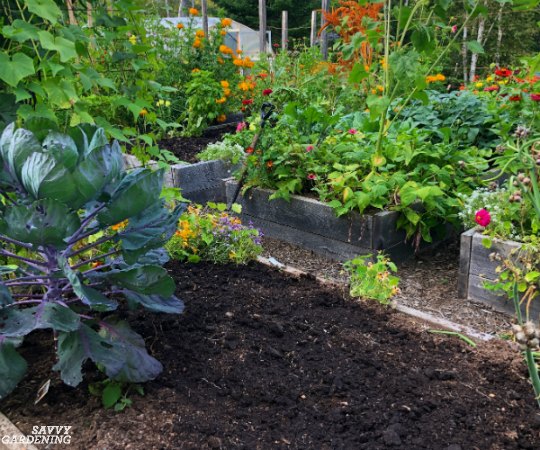
Raised beds offer many benefits for Georgia gardens. They improve drainage, especially in heavy clay soils. Raised beds also warm up faster in spring, extending your growing season. Ground planting is less costly and uses existing soil. Choose based on your budget and soil type.Pathways And Accessibility
Designing pathways is key for garden accessibility. Ensure paths are wide enough for easy movement and tools. Use materials like mulch or gravel for a clean, dry walkway. Raised pathways prevent soil compaction and protect plant roots. Make sure every plant is within reach for easy care.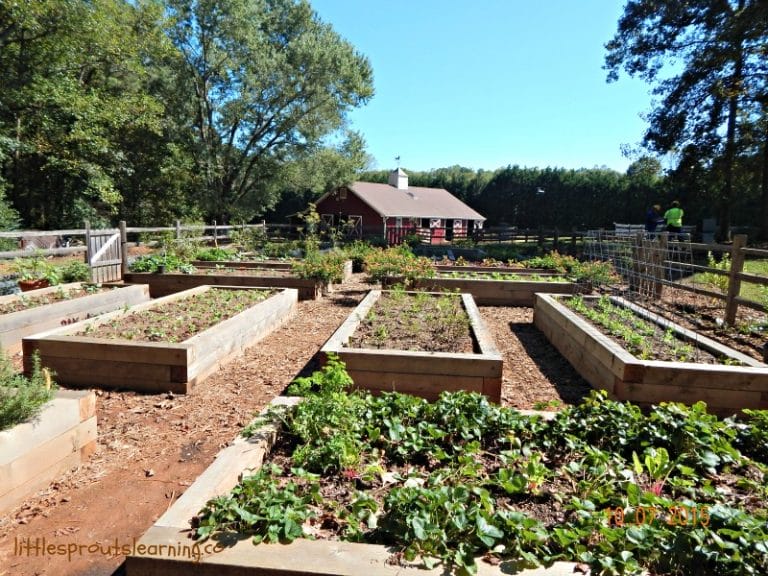
Credit: littlesproutslearning.co
Soil Preparation Techniques
Preparing soil in Georgia involves clearing debris, testing pH levels, and enriching with compost. Loamy soil is ideal for vegetables, ensuring proper drainage and nutrient retention. Regular tilling enhances soil aeration, promoting healthy root growth for a bountiful harvest.
Designing a vegetable garden in Georgia is an exciting venture that begins with understanding the soil. The state’s diverse climate can support a wide range of vegetables, but the key to a thriving garden lies in effective soil preparation techniques. Proper soil preparation ensures that your plants have the right environment to grow strong and healthy. Let’s dive into some essential techniques for preparing your garden soil.Testing And Amending Soil
Before planting, it’s crucial to test your soil. A soil test reveals the pH level and nutrient composition, guiding you on necessary amendments. Consider using a home soil test kit or sending samples to a local extension office. Once you have the results, you can amend your soil by adding lime to raise pH or sulfur to lower it, ensuring the perfect growing conditions for your vegetables.Mulching Benefits
Mulching offers several advantages for your vegetable garden. It helps retain moisture, suppresses weeds, and regulates soil temperature. In Georgia’s warm climate, these benefits are particularly valuable. Use organic materials like straw, grass clippings, or wood chips as mulch to enrich the soil and maintain optimal conditions for plant growth.Organic Matter Integration
Integrating organic matter is a game-changer for enhancing soil fertility. Organic matter improves soil structure, increases nutrient availability, and boosts microbial activity. Incorporate compost or well-rotted manure into your soil to provide a rich supply of nutrients. This will not only improve soil health but also support the robust growth of your vegetables. Do you ever wonder how much difference a little compost can make? Start small and witness how organic matter transforms your garden’s productivity.Irrigation Solutions
Designing a vegetable garden in Georgia requires understanding the local climate and soil conditions. Proper irrigation solutions ensure your plants receive adequate water, promoting healthy growth. Consider drip irrigation systems for efficient water use, especially during dry spells.
Designing a vegetable garden in Georgia requires smart planning, especially when it comes to irrigation. Georgia’s climate can be challenging, with its hot summers and occasional droughts. So how do you ensure your veggies receive the right amount of water without wasting resources? Let’s delve into effective irrigation solutions that can make your garden thrive.Drip Irrigation Systems
Drip irrigation is an excellent choice for Georgia gardeners. It delivers water directly to the plant’s roots, reducing evaporation and ensuring each plant gets the moisture it needs. Imagine saving water while keeping your veggies happy—sounds like a win-win, right? You can set up a basic system with hoses and emitters or go for a more advanced setup with timers and sensors. This system is especially useful for those with a busy lifestyle, as it automates watering and reduces manual labor.Rainwater Harvesting
Why not harness Georgia’s occasional rain showers to hydrate your garden? Rainwater harvesting is a sustainable solution that not only saves water but also lowers your utility bills. Installing a rain barrel under a downspout is a simple way to collect rainwater, which can be used to irrigate your garden. It’s like turning Mother Nature into your personal garden assistant. Plus, rainwater is free from chemicals often found in tap water, providing a purer drink for your plants.Efficient Watering Practices
Efficient watering is all about timing and technique. Water your garden early in the morning or late in the afternoon to minimize evaporation. Use a soaker hose or a watering wand to target the base of the plants rather than spraying leaves, which can lead to disease. Think about your garden’s layout—group plants with similar water needs together to streamline the process. Have you considered mulching? It can help retain moisture in the soil, reducing the frequency of watering. By focusing on these irrigation solutions, you can make the most of your gardening efforts and ensure your vegetable garden flourishes in Georgia’s unique climate.Pest And Disease Management
Design a vegetable garden in Georgia by focusing on pest and disease management. Choose resistant plant varieties and implement crop rotation. Use natural predators and organic solutions to control unwanted pests.
Managing pests and diseases is a crucial part of maintaining a healthy vegetable garden in Georgia. The state’s humid climate and warm temperatures can create ideal conditions for various pests and diseases that might threaten your crops. But don’t worry, there are effective strategies you can use to protect your plants. Let’s dive into some practical ways to keep your garden thriving.Natural Pest Control Methods
Using natural pest control methods can be both effective and environmentally friendly. Consider introducing beneficial insects like ladybugs and praying mantises that prey on harmful pests. You might also try companion planting. For example, planting marigolds near tomatoes can deter nematodes. Another option is using homemade sprays made from garlic or chili peppers to repel unwanted visitors. Have you ever thought about using diatomaceous earth? It’s a natural powder that can combat slugs and other soft-bodied insects without harming your plants.Identifying Common Diseases
Recognizing common plant diseases early can save your garden from serious damage. Keep an eye out for symptoms like wilting, discolored leaves, or unusual spots. Powdery mildew is a frequent visitor in Georgia gardens, identifiable by its white powdery appearance on leaves. Bacterial leaf spot might also make an appearance, characterized by small, dark lesions. Knowing what to look for can help you take swift action. Have you noticed any unusual changes in your plants lately?Preventive Measures
Prevention is often the best cure when it comes to pest and disease management. Start by selecting disease-resistant varieties suited for Georgia’s climate. Regularly rotate your crops to prevent soil-borne diseases from taking hold. Ensure adequate spacing between plants for proper air circulation, reducing the risk of fungal infections. Keep your garden clean by removing debris that might harbor pests. Have you considered mulching? It can help retain moisture while suppressing weeds that might harbor pests.Maintaining Your Garden
Designing a vegetable garden in Georgia requires understanding local climate and soil conditions. Select native plants suited for Georgia’s warm seasons. Incorporate raised beds to improve drainage and simplify maintenance.
Maintaining your vegetable garden in Georgia requires consistent attention and care. The climate presents unique challenges, but with the right approach, your garden can thrive. Regular maintenance not only ensures a healthy yield but also keeps pests and diseases at bay.Regular Weeding And Pruning
Weeds compete with your plants for nutrients and water. Regular weeding is crucial. Aim to weed at least once a week. This prevents weeds from taking hold. Use a hand tool for precision and to avoid disturbing plant roots. Pruning helps keep plants healthy. Remove dead or diseased leaves promptly. This encourages growth and reduces the risk of disease.Fertilization Schedule
A good fertilization schedule supports plant health. Georgia’s soil varies in nutrient content. Conduct a soil test to determine nutrient needs. Apply organic fertilizers in early spring. This provides a strong start for your plants. Mid-season fertilization boosts growth. Use compost or a balanced fertilizer. Follow package instructions for best results.Seasonal Cleanup Tips
Seasonal cleanup prepares your garden for changes in weather. In spring, remove debris and old mulch. This reduces pest habitats. Refresh mulch to retain moisture and regulate soil temperature. In fall, clear out dead plants. This prevents disease over winter. Cover crops protect soil and add nutrients. Plan for winter protection if needed. Proper cleanup promotes a healthy garden year-round.
Credit: savvygardening.com
Harvesting Techniques
Designing a vegetable garden in Georgia requires understanding local climate and soil conditions. Opt for raised beds to improve drainage and soil quality. Select native plants that thrive in Georgia’s heat and humidity for a successful harvest.
Designing a vegetable garden in Georgia is an exciting endeavor, but knowing how to harvest your produce effectively is crucial for maximizing your yield and ensuring your hard work pays off. Harvesting techniques can vary widely, and mastering them can lead to fresher and more flavorful vegetables. Let’s dive into some practical tips that can help you gather your garden bounty with confidence.Identifying Harvest Time
Recognizing the right moment to harvest is key. Each vegetable has a specific sign when it’s ready to be picked. For instance, tomatoes should be harvested when they achieve their full color and are slightly soft to the touch. In contrast, cucumbers are best picked when they are firm and dark green. Regularly checking your garden and observing these signs will help ensure you pick your produce at its peak.Proper Harvesting Methods
Using the right tools and techniques is essential for a successful harvest. A sharp knife or scissors is often your best friend, especially for leafy greens and herbs. This prevents unnecessary damage to the plant, allowing it to continue growing. For root vegetables like carrots and potatoes, gently loosen the soil before lifting them to avoid breakage. Clean cuts and gentle handling will not only preserve the quality of your vegetables but also encourage more growth.Storage Solutions
Once you’ve successfully harvested your crops, proper storage is crucial to extend their freshness. For most leafy greens, wrapping them in a damp paper towel and storing them in a plastic bag in the refrigerator works wonders. Root vegetables, on the other hand, prefer a dark, cool place like a cellar. But what about those juicy tomatoes? Store them at room temperature to maintain their flavor and texture. Have you ever thought about how different storage techniques can impact the taste and longevity of your produce? Implementing the right storage solutions can make a significant difference in your culinary experience. By paying attention to these simple yet effective harvesting techniques, you can enjoy the fruits of your labor and relish in the freshness of your homegrown vegetables. Happy gardening!Frequently Asked Questions
What Is The Best Time To Plant In Georgia?
In Georgia, the best time to plant a vegetable garden is spring. This allows crops to benefit from the warm growing season. Cooler-season vegetables can be planted in early spring or fall. Always check local frost dates to ensure optimal planting times.
How Do I Choose Vegetables For Georgia’s Climate?
Choose vegetables that thrive in Georgia’s warm climate, like tomatoes, peppers, and squash. Consider planting collard greens and kale in cooler months. Check the USDA Hardiness Zone map for more specific guidance on suitable vegetables for your region.
What Soil Type Is Ideal For Georgia Gardens?
Georgia soil often requires amendments for optimal vegetable growth. Sandy loam is ideal, offering good drainage and nutrient retention. Add organic matter like compost or well-rotted manure to improve soil structure and fertility. Conduct a soil test to determine nutrient needs.
How Often Should I Water My Georgia Vegetable Garden?
Water your vegetable garden deeply once or twice a week. This encourages deep root growth. Georgia’s hot summers may require more frequent watering. Early morning is the best time to water, reducing evaporation and fungal diseases. Always adjust based on rainfall and plant needs.
Conclusion
Planning a vegetable garden in Georgia is rewarding and fun. With the right design, plants thrive and yield delicious produce. Focus on sunlight, soil, and water needs. Choose local vegetables for best results. Remember to space plants for optimal growth.
Use raised beds to protect against pests and ensure good drainage. Gardening offers fresh food and joy. Explore different layouts and find what works best. Adjust your garden as seasons change. Enjoy the bounty of your efforts. Gardening connects you with nature while boosting health.
Start small and expand as you learn. Happy gardening in Georgia!