Imagine stepping into your own personal peace garden, a sanctuary where every element speaks to your soul, offering tranquility and solace. One of the most impactful ways to personalize this space is by designing a tile that captures the essence of serenity.
You might be wondering, how can a simple tile influence the ambiance of your garden? The answer lies in thoughtful design choices that resonate with your personal sense of calm and beauty. In this guide, you’ll discover how to create a tile that not only enhances the visual appeal of your peace garden but also enriches your emotional experience every time you step into this sacred space.
From selecting the right materials to choosing colors and patterns that evoke a sense of peace, each step is crafted to help you connect more deeply with your surroundings. Don’t just design a tile; create a piece of art that speaks to your heart, ensuring your garden remains a haven of peace and tranquility. Dive in and learn how to make your vision come to life.
Choosing The Right Materials
Selecting durable and natural materials ensures lasting beauty in a peace garden. Consider stones or ceramics for a calming effect. These materials withstand weather changes and maintain their charm over time.
Choosing the right materials for your peace garden tiles is vital. The materials define the look and feel of the garden. They also affect the durability and sustainability of the space. Choosing the right materials ensures your garden remains beautiful and serene.Durability And Weather Resistance
Tiles in a peace garden face the elements. Sun, rain, and frost can take a toll. Selecting durable materials is key. Stone and ceramic are popular choices. They withstand harsh weather and wear. Concrete is another strong option. It’s versatile and robust.Eco-friendly Options
Sustainability is crucial in modern design. Recycled materials can be a great choice. They reduce environmental impact and add character. Bamboo and cork are eco-friendly and beautiful. They offer a natural and warm aesthetic. Using local materials can also lower your carbon footprint. It supports the community and enhances your garden’s authenticity.Selecting Colors And Patterns
Choose soothing colors like green, blue, and earth tones for peace gardens. Consider gentle patterns that evoke tranquility. Harmonize the design to enhance the garden’s serene atmosphere.
Selecting Colors and Patterns Designing a tile for a peace garden is an exciting opportunity to bring calm and tranquility into an outdoor space. The right combination of colors and patterns can transform your garden into a sanctuary of peace. Let’s explore how you can choose colors and patterns that resonate with serenity and balance.Symbolic Color Choices
Colors have a powerful impact on emotions and can set the tone for your peace garden. Consider using blues and greens, which are often associated with tranquility and nature. These colors can help create a soothing atmosphere and connect the garden to its natural surroundings. Earth tones like browns and soft grays can ground the space, offering a sense of stability. You might also explore pastels for a gentle, calming effect. Think about what emotions you want to evoke as you select your palette.Harmony In Patterns
Patterns play a significant role in the overall aesthetic of your garden tiles. Symmetrical patterns can promote a sense of balance and order, which is ideal for a peace garden. Consider geometric shapes or repeating floral motifs that can enhance the tranquil vibe. Organic patterns, like flowing lines or abstract designs, can add a sense of movement and life to the space. Reflect on how different patterns interact with one another. Will they complement or clash? As you design, think about how these elements will work together to create a cohesive and peaceful environment. What story will your garden tell through its colors and patterns?Incorporating Cultural Symbols
Design tiles for peace gardens by incorporating cultural symbols. Use colors and patterns that reflect harmony and unity. This approach fosters connection among diverse visitors.
Incorporating cultural symbols into your peace garden tiles adds depth and meaning. Symbols tell stories and convey messages of unity and harmony. They connect people from different backgrounds through shared values. Designing tiles with these symbols fosters understanding and respect.Symbols Of Peace
Symbols of peace have been used throughout history. The olive branch is a classic example. It represents harmony and reconciliation. The dove is another universal emblem. It signifies hope and new beginnings. The peace sign, popularized in the 1960s, remains iconic. It stands for non-violence and global unity.Cultural Significance
Each culture has unique symbols with special meanings. In Asian cultures, the lotus flower represents purity and enlightenment. Native American cultures honor the eagle as a symbol of freedom and strength. Celtic knots symbolize eternity and interconnectedness. Incorporating these symbols respects diverse traditions. They make your peace garden a place of shared heritage.Balancing Aesthetic And Functionality
Designing a tile for a peace garden blends beauty with purpose. Choose calming colors and patterns that inspire tranquility. Ensure durability and slip-resistance for functionality in outdoor settings.
Balancing aesthetic and functionality in tile design is essential for peace gardens. These gardens are sanctuaries of tranquility, needing both beauty and practicality. The tile design must harmonize with nature, ensuring it complements the garden’s peaceful ambiance. Tiles should be inviting, durable, and blend seamlessly into the serene environment. Striking the right balance between form and function enriches the garden’s allure and utility.Functional Design Elements
Tiles must withstand weather conditions. Durability is key to longevity. Choose materials like stone or ceramic for robustness. Non-slip surfaces ensure safety during rainy days. Consider drainage channels to prevent water pooling. Keep maintenance needs low for easier upkeep.Aesthetic Appeal
Visual harmony is vital. Select colors that reflect nature’s palette. Earthy tones evoke calmness. Patterns can mimic natural textures like leaves or waves. Integrate cultural symbols for a personal touch. Opt for shapes that flow with the garden’s layout. Curved designs can enhance the garden’s organic feel.Crafting With Artistic Techniques
Designing a tile for a peace garden involves thoughtful creativity and artistic flair. Choose soothing colors and nature-inspired motifs to evoke tranquility. Hand-paint or carve designs that symbolize harmony and balance, creating a serene focal point.
Crafting with artistic techniques can elevate your peace garden design. Tiles serve as a canvas to express creativity and peace. Each piece tells a story, blending art with the tranquility of nature.Handmade Vs. Machine Made
Handmade tiles offer unique charm. Each tile is crafted with care, showcasing the artist’s touch. They bring warmth and authenticity to your garden. Variations in color and texture make each tile unique. Machine-made tiles provide uniformity. They ensure consistency in size and shape. This option is perfect for those seeking a streamlined look. While less personal, they offer precision and durability.Decorative Techniques
Decorative techniques add life to tiles. Hand-painting allows for intricate designs. Artists can use brushes or sponges. This method creates beautiful, detailed imagery. Relief carving is another technique. It involves carving patterns into the tile surface. This adds depth and dimension. The raised designs cast shadows, creating visual interest. Glazing is a popular finish. It protects the tile and adds shine. Different glazes can alter the tile’s appearance. Glossy, matte, or crackle finishes each offer unique appeal. Stenciling provides a guided approach. It helps replicate patterns with precision. Stencils are useful for beginners. They offer an easy way to create complex designs. Each technique brings its own flair. Choose based on your artistic vision.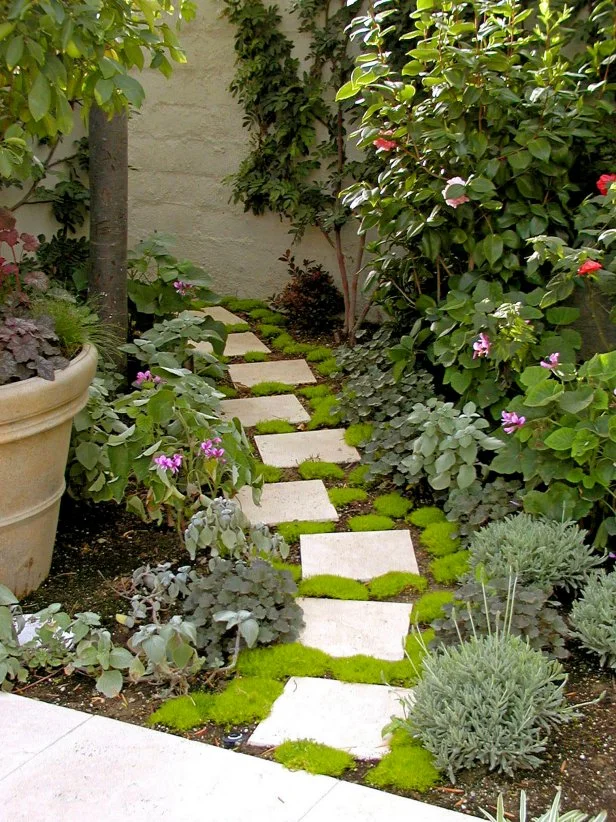
Credit: www.hgtv.com
Ensuring Sustainability
Creating tiles for a peace garden involves using eco-friendly materials. Incorporate natural colors and patterns that blend with the environment. Design tiles to reflect harmony, ensuring they are durable and sustainable.
Ensuring sustainability in designing a tile for a peace garden is crucial. The focus should be on creating an eco-friendly and lasting environment. Sustainable design reduces environmental impact and supports biodiversity. It ensures the garden remains a peaceful retreat for years.Sustainable Practices
Using recycled materials minimizes waste. Choose tiles made from eco-friendly substances. Consider locally sourced materials to reduce carbon footprint. Sustainable practices preserve natural resources. They maintain harmony in the garden’s ecosystem.- Use recycled and renewable materials.
- Opt for non-toxic finishes.
- Prioritize local resources.
Long-term Maintenance
Design tiles that require minimal upkeep. Choose materials that withstand various weather conditions. Low-maintenance tiles save time and resources. Regular checks extend the tile’s life. Proper maintenance keeps the garden inviting and serene.| Maintenance Tips | Benefits |
|---|---|
| Regular cleaning | Prevents damage and wear |
| Weather-resistant materials | Reduces replacement needs |
Integrating Natural Elements
Designing tiles for a peace garden involves incorporating natural elements like earthy colors and organic patterns. These elements create a calming atmosphere and help blend the garden seamlessly with its surroundings. Carefully selected textures add depth, inviting visitors to pause and reflect amidst nature’s beauty.
Integrating natural elements into your peace garden tile design brings tranquility. It connects the tile to the serene environment of the garden. Nature-inspired designs can enhance the calming effect of your space. By using natural textures and organic shapes, your tiles will harmonize with the garden. Let’s explore how to incorporate these elements effectively.Natural Textures
Natural textures mimic the feel of the earth. Use materials like stone or clay for an authentic look. These materials offer a tactile experience that soothes the senses. Textured surfaces can capture light differently throughout the day. This creates a dynamic visual interest in your peace garden. Consider using pebbled or rough surfaces to add depth.Organic Shapes
Organic shapes bring a fluid, natural feel to your design. They mimic the curves and lines found in nature. Avoid harsh lines or perfect circles in your tile design. Instead, use gentle curves and irregular shapes. This approach softens the overall look of the garden. Organic shapes can be inspired by leaves, water, or the horizon. These shapes help the tile blend seamlessly with its surroundings.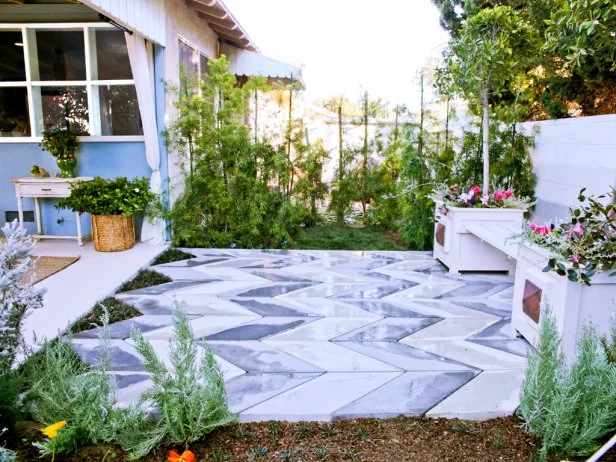
Credit: www.hgtv.com
Credit: www.houzz.com
Frequently Asked Questions
What Materials Are Best For Tile Design?
Ceramic, porcelain, and natural stone are ideal for peace garden tiles. Ceramic is versatile and affordable, while porcelain offers durability. Natural stone, like marble or granite, provides a unique aesthetic. Choose materials that complement the garden’s tranquility and withstand weather conditions.
How To Choose Tile Colors For A Garden?
Select colors that evoke peace, like soft blues, greens, or earth tones. Consider the garden’s overall theme and existing elements. Colors should blend harmoniously with plant life and pathways. Avoid overly bright hues that may distract from the garden’s calming atmosphere.
Can I Incorporate Patterns In Garden Tiles?
Yes, patterns can enhance the garden’s visual appeal. Opt for subtle designs like floral motifs or geometric shapes. Ensure patterns align with the garden’s peaceful theme. Balance is key; avoid overwhelming the space with intricate patterns. Use patterns to guide pathways or highlight specific areas.
What Tile Size Works Best For Peace Gardens?
Medium-sized tiles are ideal for peace gardens. They provide balance and ease of installation. Large tiles can create a spacious feel, while small tiles offer intricate designs. Consider the garden’s size and layout when choosing tile dimensions. Ensure tiles complement the garden’s tranquility.
Conclusion
Creating a tile for a peace garden is fulfilling. It brings beauty and serenity to any space. Choose colors and designs that evoke calmness. A simple pattern can speak volumes. Consider nature-inspired themes like flowers or leaves. Let your creativity shine through every detail.
Remember, each tile represents harmony. Enjoy the process. It’s more than crafting; it’s expressing peace. Share your creation with friends and family. Let them feel the tranquility. Your peace garden will become a cherished retreat. A place to relax and reflect.
Designing tiles can be a rewarding journey. Dive in and create your masterpiece.







