Imagine stepping into your backyard and being greeted by a stunning tiered garden, bursting with color and life. It’s a sight that captivates the senses and instantly elevates your outdoor space.
Designing a tiered garden might seem like a daunting task, but with the right guidance, you can transform your garden into a beautiful oasis. Think of the satisfaction you’ll feel when you see your plants thriving, arranged perfectly on different levels, creating a harmonious landscape.
Tiered gardens not only maximize space but also offer a unique aesthetic that can make any garden stand out. You’ll discover simple, effective strategies to design your tiered garden, tailored to your personal style and space. Whether you’re a seasoned gardener or a complete beginner, you’ll find tips and tricks to help you create a garden that reflects your vision. Let’s dive in and unlock the potential of your outdoor space!
Planning Your Tiered Garden
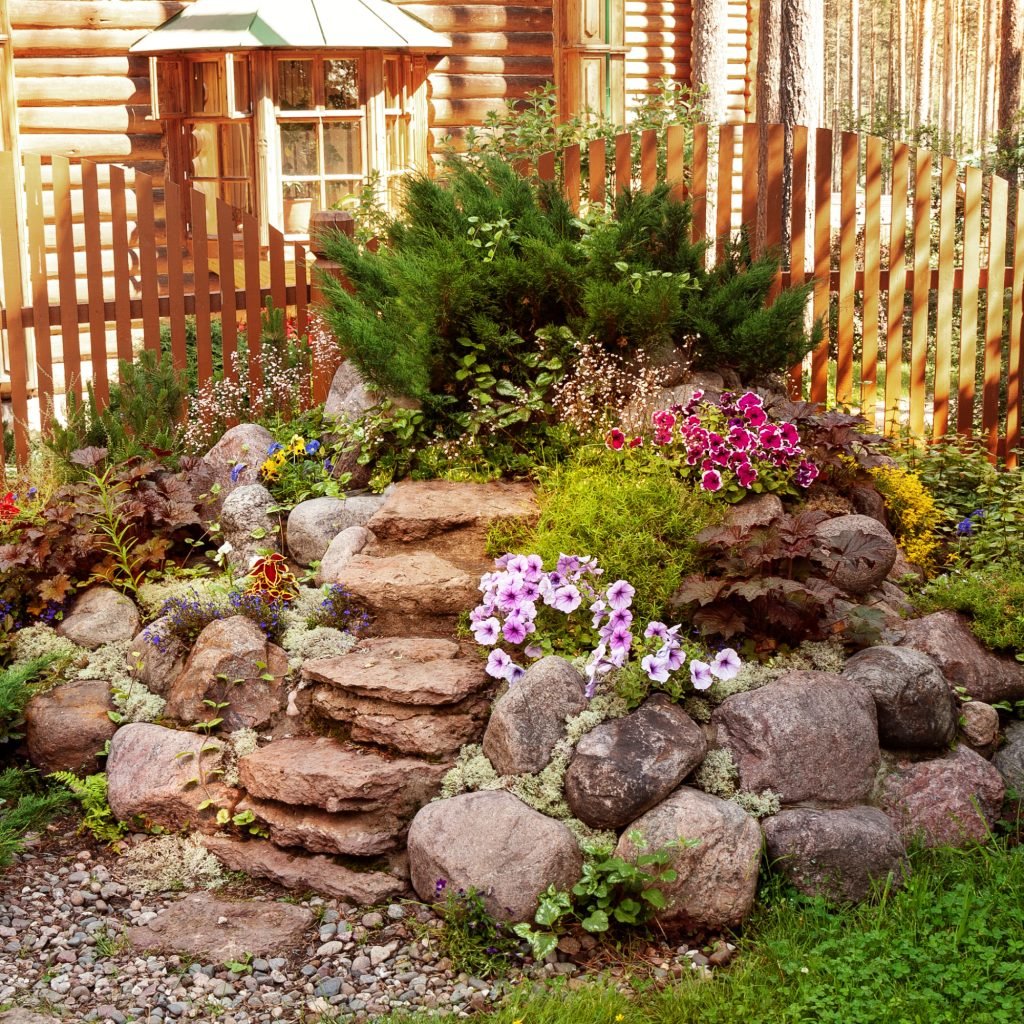
Design a tiered garden by arranging plants on different levels. Create a beautiful and organized outdoor space. Use stones or wood to form terraces, enhancing visual appeal and functionality.
Planning Your Tiered Garden can transform your outdoor space into a charming oasis. Creating layers in your garden adds visual interest and functionality. Before you start digging, careful planning is essential. This ensures your tiered garden meets your needs and fits your space.Assessing Your Space
Begin by evaluating your available space. Measure the area you plan to use for the garden. Consider the slope and natural contours of the land. A steep slope may require more tiers, while a gentle slope might need fewer. Think about sunlight exposure. Different plants thrive in different light conditions. Note any existing structures or plants that could affect your design.Choosing The Right Design Style
Your garden’s style should reflect your taste. Do you prefer a formal or informal look? A formal garden often features straight lines and symmetry. An informal design offers a more relaxed feel with curves and varied heights. Consider using natural materials like stone or wood for a rustic touch. Incorporate pathways or steps for easy access between tiers.Budget Considerations
Set a budget before beginning your garden project. Determine how much you’re willing to spend on materials and plants. DIY projects can save money, but may require more time. Hiring professionals might cost more but ensures quality work. Consider the cost of maintenance. Some designs require more upkeep than others. Choose plants and materials that fit your budget and long-term goals.Selecting Plants For Each Tier
Selecting plants for each tier involves considering sunlight, water needs, and visual appeal. Choose tall plants for the back, medium-sized in the middle, and smaller ones at the front. This arrangement ensures a balanced and harmonious garden design.
Selecting the right plants for each tier in your garden is crucial to creating a visually appealing and thriving landscape. Each tier can have its unique character and function, but the plants you choose need careful consideration. Let’s delve into some key aspects you should keep in mind when selecting plants for your tiered garden.Understanding Sunlight Requirements
Each plant has its preference for sunlight, and understanding these needs will help you position them for maximum growth. Observe your garden throughout the day to identify which tiers receive full sun, partial shade, or full shade. For a sunny top tier, consider sun-loving plants like lavender or marigolds. The middle tier might benefit from partial shade plants like ferns, while the bottom tier could host shade-tolerant species like hostas.Choosing Complementary Plant Colors
Colors play a significant role in the aesthetic appeal of your garden. Mixing colors can create a harmonious look or a vibrant contrast. If you want a calming effect, choose plants with similar color schemes, like blues and purples. For a striking effect, mix complementary colors, such as pairing bright yellows with deep blues. Experiment with different combinations to discover what pleases your eye.Incorporating Seasonal Plants
Seasonal changes can add dynamic beauty to your garden. Select plants that thrive in different seasons to ensure your garden looks beautiful year-round. Spring bulbs like tulips can start the year with a burst of color. Summer can be filled with perennials like daisies, while autumn can showcase the fiery hues of chrysanthemums. Consider how each plant will look in different seasons and what role it will play in your garden’s narrative. By considering sunlight, color, and seasonality, you can create a tiered garden that is not only beautiful but also functional. What plants will you choose for your garden tiers?Building The Structure
Creating a tiered garden involves designing levels using retaining walls or planters. This enhances visual interest and maximizes planting space. Choose materials like wood or stone for a natural look.
Designing a tiered garden is an exciting project that transforms your outdoor space into a lush, multi-dimensional oasis. The heart of this transformation lies in building the structure. It’s where creativity meets practicality, and your green thumb turns architectural. A well-built tiered garden not only maximizes space but also enhances aesthetic appeal. Ready to dig in?Materials Needed
Before you start, gather all necessary materials to ensure a smooth building process. Essential items include: – Wood or Stone: Choose based on durability and aesthetics. Wood offers a natural look, while stone provides a rustic charm. – Soil and Compost: These are critical for plant growth and structural integrity. – Tools: A shovel, hammer, nails, and a spirit level are basic but vital. Consider the type of plants you intend to grow, as this might influence your material choices. For instance, heavier materials like stone may be better suited for taller plants requiring more support.Step-by-step Construction Guide
Creating a tiered garden involves careful planning and execution. Here’s a step-by-step guide: 1. Plan Your Layout: Sketch a simple design to visualize your garden. Determine the number of tiers based on your space and desired plant variety. 2. Prepare the Ground: Level the area and remove any debris. This ensures a stable foundation for your structure. 3. Build the Base: Start with the lowest tier. Use wood or stone to create a sturdy boundary, securing it with nails or mortar. 4. Layer the Soil: Fill the base with a mixture of soil and compost. Compact it gently to avoid future settling. 5. Construct Additional Tiers: Repeat the process for each level, ensuring each tier is slightly smaller than the one below to create a stepped effect. 6. Plant Your Garden: Once the structure is complete, plant your chosen flora, starting from the top tier to prevent soil erosion.Safety Tips
Safety should always be a priority during construction. Here are some key points to consider: – Wear Protective Gear: Gloves and goggles can protect you from injuries while handling heavy materials. – Check Stability: Regularly test the stability of each tier during construction to prevent collapse. – Mind Your Back: Lift heavy objects properly to avoid strain or injury. Reflect on your personal experiences with DIY projects. Have you ever rushed through a task only to regret it later? Patience and caution are your best friends here. In crafting your tiered garden, remember that the structure is your canvas. With the right materials, a clear plan, and safety precautions, you can build a garden that not only thrives but also captivates. What will your garden say about you?
Credit: homeinthepastures.com
Maintaining A Tiered Garden
Designing a tiered garden enhances your landscape by creating depth and interest. Arrange plants by height to ensure sunlight reaches all levels. Use stones or wood to build sturdy tiers that prevent soil erosion.
Maintaining a tiered garden requires careful attention and regular care. These gardens offer a beautiful way to maximize space, but they come with their own challenges. Each level may have different needs due to varying sun exposure and soil drainage. Let’s explore some essential techniques to ensure your tiered garden thrives.Watering Techniques
Proper watering is crucial for tiered gardens. Lower tiers may retain more moisture, while upper levels dry out faster. Use a drip irrigation system for efficient water distribution. This method targets specific plants, reducing water wastage. Alternatively, water manually with a hose, focusing on the drier upper tiers. Monitor soil moisture regularly, adjusting your watering schedule based on weather and plant needs.Pruning And Trimming
Regular pruning keeps your garden neat and healthy. Trim back overgrown plants to prevent crowding. This ensures sunlight reaches all levels of your garden. Use sharp shears for clean cuts, promoting quicker healing. Remove dead or diseased branches promptly to prevent the spread of illness. Keep an eye on fast-growing species and prune them frequently to maintain balance.Pest Control Strategies
Pests can become a nuisance in tiered gardens. Natural methods like companion planting help deter harmful insects. Introduce plants that repel pests, such as marigolds or basil. Regularly inspect leaves for signs of infestation. Use organic sprays if needed, targeting specific pests without harming beneficial insects. Encourage predators like ladybugs by providing a welcoming environment.Enhancing Aesthetic Appeal
Creating a tiered garden enhances aesthetic appeal by adding layers and dimension. Use varied plant heights for visual interest. Incorporate colorful flowers and greenery for a vibrant look.
Designing a tiered garden offers a unique opportunity to blend functionality with beauty, creating a space that captivates the eye and soothes the soul. Enhancing the aesthetic appeal of your garden can transform it from a simple outdoor space into a personal haven. With thoughtful design and creativity, your tiered garden can become a stunning visual masterpiece.Adding Decorative Elements
Personalize your garden with decorative elements that reflect your style. Consider using colorful pots, vintage garden sculptures, or even a small water feature to add charm. These elements can create a narrative in your garden, making it a true extension of your personality. Think about how these pieces will look in different seasons. A ceramic birdbath might look enchanting surrounded by spring blooms, while a rustic bench can offer a cozy spot to enjoy autumn’s colors.Lighting Solutions
Strategic lighting can dramatically change the atmosphere of your garden. Solar-powered lights along the pathways can create a warm and welcoming glow as the sun sets. Fairy lights wrapped around trees or shrubs add a magical touch. Consider using spotlights to highlight specific features, such as a beautiful plant or sculpture. This not only enhances visibility but also adds depth and dimension to your garden.Creating Focal Points
Every garden benefits from a strong focal point that draws the eye and provides a sense of balance. This could be a stunning plant, a sculpture, or even a unique piece of garden furniture. When choosing a focal point, think about what you want to emphasize and how it fits into the overall design. A well-placed focal point can tie together different elements of your garden, creating a cohesive look that’s both beautiful and functional. Have you considered how these elements could transform your own garden? Enhancing the aesthetic appeal of your tiered garden is not just about visual beauty; it’s about creating a space where you feel at home.
Credit: homeinthepastures.com
Troubleshooting Common Issues
Designing a tiered garden can face common issues like uneven soil distribution and poor drainage. Ensure stability by reinforcing each level with sturdy materials. Choose plants that thrive in your climate to maintain a healthy garden.
Designing a tiered garden can be a rewarding project, offering beauty and functionality to your outdoor space. However, like any gardening endeavor, it comes with its own set of challenges. Troubleshooting common issues ensures your garden thrives and continues to bring you joy. Let’s dive into some common problems you might face and how to tackle them effectively.Addressing Soil Erosion
Soil erosion can be a significant hurdle in tiered gardens, as the slope can cause soil to wash away with rain. To combat this, consider planting ground cover plants like creeping thyme or sedum. These plants help hold the soil in place with their roots. Another effective method is using mulch or wood chips. These materials absorb water and reduce its impact on the soil. If erosion persists, adding stone barriers or retaining walls can provide additional stability.Managing Plant Diseases
Plant diseases can strike unexpectedly, threatening the health of your garden. Regularly inspecting your plants can help catch issues early. Look for signs like discolored leaves or unusual spots. Maintaining proper spacing between plants is crucial. This allows for better air circulation, reducing the chances of fungal infections. If you notice a diseased plant, remove it promptly to prevent spreading. Using organic fungicides or homemade remedies like a mixture of baking soda and water can help manage minor infections. It’s important to understand which diseases are common in your area to prepare and respond effectively.Adjusting For Weather Changes
Weather can be unpredictable, and your tiered garden needs to adapt to these changes. During dry spells, ensure your garden receives enough water. Installing a drip irrigation system can provide consistent moisture without overwatering. In colder climates, consider using frost cloths or row covers to protect plants from unexpected cold snaps. For areas prone to heavy rain, ensure your garden has proper drainage to prevent waterlogging. Reflect on how you can adapt your gardening practices as seasons change. Are there specific plants that thrive in varying weather conditions? Planning with weather in mind can make your tiered garden resilient and robust. By addressing these common issues, your tiered garden can flourish, providing a vibrant and dynamic landscape. What challenges have you faced with your garden, and how did you overcome them? Share your experiences and insights, and let’s continue to learn from one another.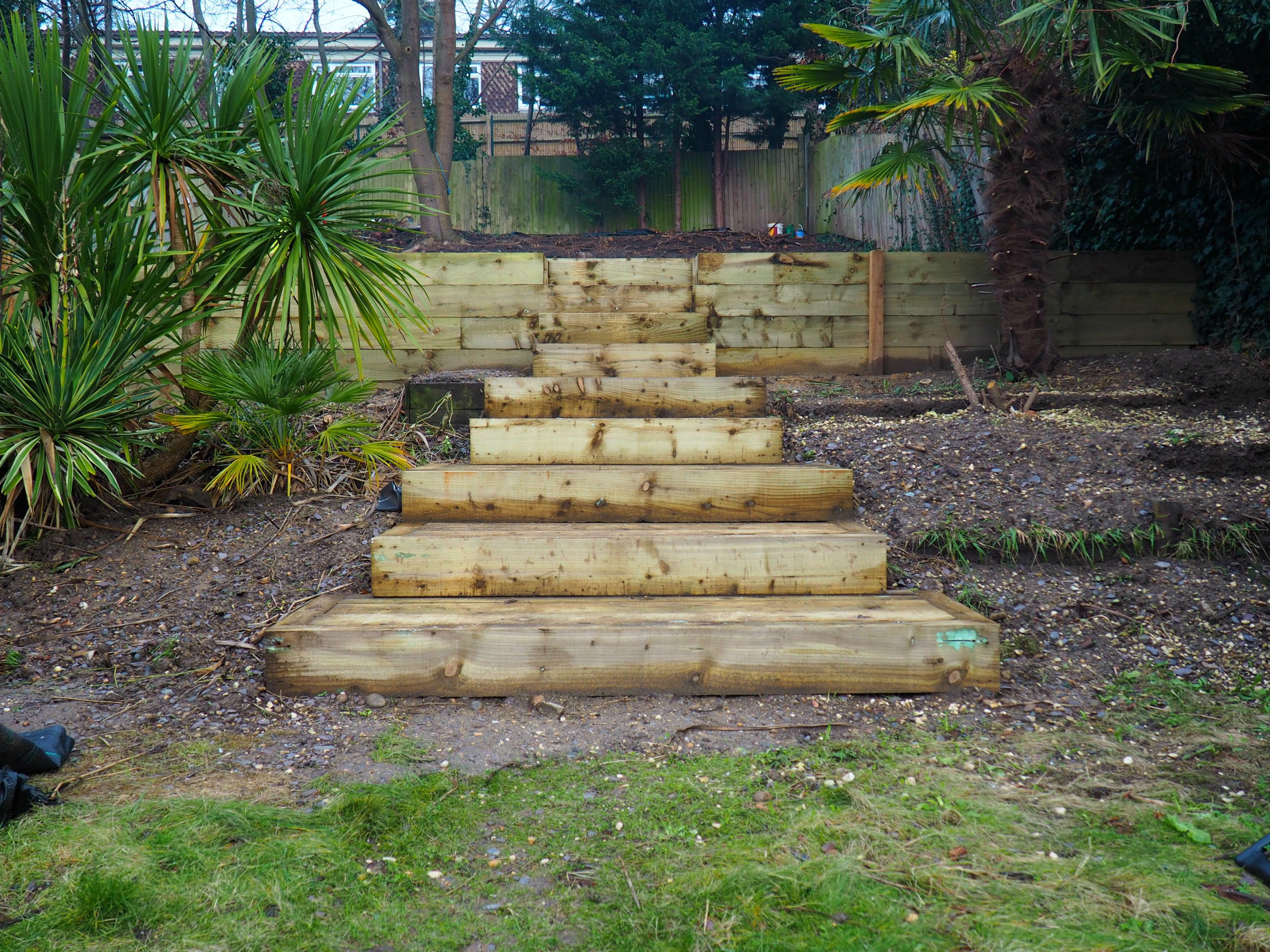
Credit: www.spiritedpuddlejumper.com
Frequently Asked Questions
What Is A Tiered Garden Design?
A tiered garden design involves creating multiple levels or terraces in your garden. This design maximizes space, improves drainage, and adds visual interest. It allows for diverse planting options, accommodating different plant types. It’s ideal for sloped landscapes, and enhances the aesthetic appeal of your garden, making it more functional and beautiful.
How Do I Start A Tiered Garden?
Begin by assessing your landscape and determining the slope. Plan the design by sketching the layout and selecting suitable plants. Use materials like wood, stone, or bricks to construct the tiers. Ensure proper drainage, and start planting once the tiers are stable.
Regular maintenance will keep the garden thriving.
What Materials Are Best For Tiers?
Stone, wood, and concrete are excellent materials for constructing garden tiers. Stone offers durability and a natural look. Wood provides a rustic appearance and is easier to work with. Concrete is strong and versatile, suitable for contemporary designs. Choose materials based on budget, aesthetics, and garden style.
Can Tiered Gardens Improve Drainage?
Yes, tiered gardens enhance drainage by allowing water to flow naturally from one level to another. This design prevents waterlogging and soil erosion. By managing water runoff efficiently, tiered gardens maintain plant health and protect your landscape. Proper drainage is crucial for a thriving garden, especially on slopes.
Conclusion
Tiered gardens offer beauty and function. Their design maximizes space. They enhance the garden’s visual appeal. Creating levels adds depth and interest. You can grow a variety of plants. Vegetables, flowers, and herbs thrive on tiers. This setup helps with drainage.
It also reduces soil erosion. Planning is key for success. Consider sunlight and water needs. Start small, then expand. Enjoy the process and your garden’s growth. With patience, your tiered garden will flourish. Embrace creativity in your design. Your outdoor space becomes a living work of art.
Happy gardening!