Imagine stepping into your backyard and feeling as though you’ve been whisked away to a lush, exotic paradise. Designing a subtropical garden can transform your outdoor space into a vibrant oasis that bursts with color and life year-round.
Whether you’re an experienced gardener or a curious beginner, creating a subtropical garden is not only achievable but also incredibly rewarding. The best part? You don’t need to live in the tropics to enjoy the beauty of these gardens. You just need the right tips and tricks to bring this vision to life.
In this guide, you’ll discover how to select the perfect plants, design your layout, and maintain your garden to thrive in your local climate. Keep reading to unlock the secrets to creating your own slice of paradise right at home.

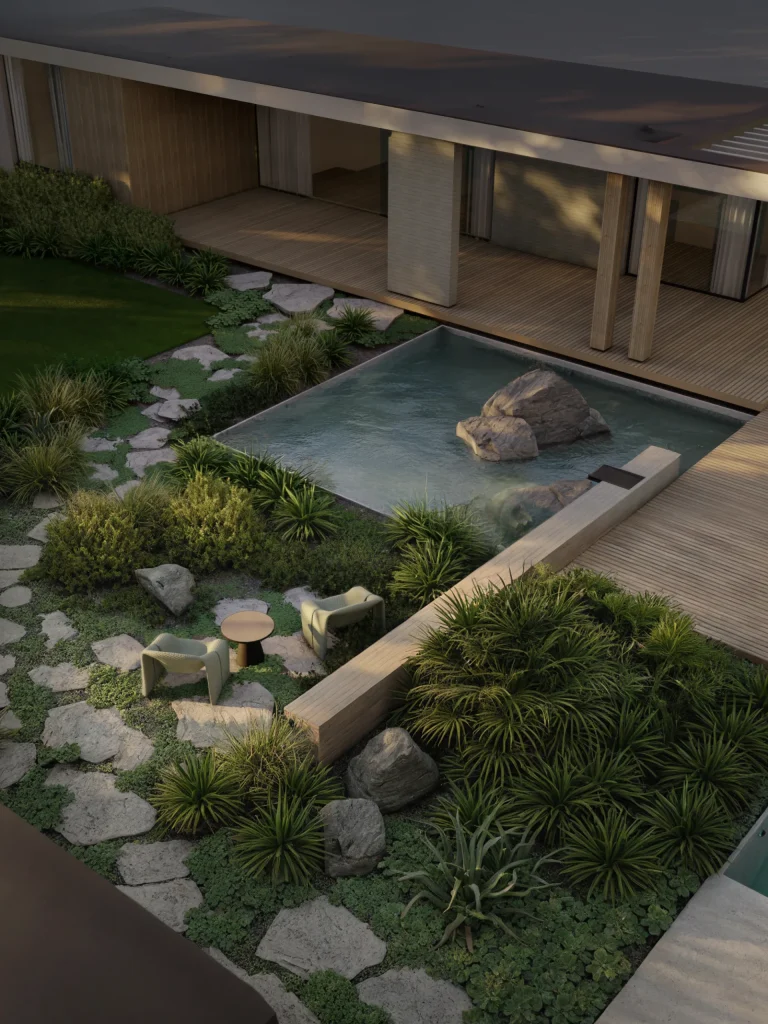
Credit: romaniuk.studio
Climate Considerations
Designing a subtropical garden is not just about choosing the right plants, but understanding the unique climate considerations that come with it. The subtropical climate offers both opportunities and challenges, making it essential to tailor your garden to the specific conditions of your region. To create a thriving garden, you need to grasp the intricacies of subtropical zones and the impact of microclimates.
Understanding Subtropical Zones
Subtropical zones are characterized by hot, humid summers and mild winters. This climate allows for a diverse range of plant species, including exotic fruits and vibrant flowers. However, it’s crucial to know the specific zone of your garden to select the most suitable plants.
Have you ever noticed how some plants flourish while others struggle? This might be due to slight variations in temperature and humidity within your zone. By understanding these nuances, you can choose plants that are not only beautiful but also resilient to your area’s conditions.
Impact Of Microclimates
Microclimates are small-scale climate variations caused by features like buildings, trees, and bodies of water. They can create pockets of warmth, shade, or moisture, affecting plant growth significantly. Recognizing these microclimates in your garden is key to maximizing plant health.
Consider the shady spot under a large tree or the sunny patch by a wall that retains heat. These areas may support plants that wouldn’t thrive elsewhere in your garden. By strategically placing plants in these microclimates, you can create a lush, dynamic subtropical garden that takes full advantage of its environment.
Are you ready to explore the microclimates in your garden? Observing and adapting to these small climate variations can make a world of difference in your garden’s success.
Plant Selection
Designing a subtropical garden requires selecting the right plants. The climate supports a variety of beautiful and vibrant plants. The right choices can create a lush, colorful paradise. Consideration of plant types ensures a thriving garden.
Native And Exotic Options
Native plants are adapted to the local climate. They need less water and care. Consider adding exotic plants for unique textures. Exotic plants can offer vibrant colors and shapes. Balance both for a diverse garden experience.
Trees And Shrubs
Trees provide structure and shade in the garden. Choose trees like palms or jacarandas for a tropical feel. Shrubs add layers and fill spaces. Opt for easy-care shrubs like hibiscus or gardenias. These plants form the backbone of the garden.
Colorful Flowers
Flowers add color and charm to the garden. Select flowers that thrive in subtropical climates. Bougainvillea and plumeria are popular for their vibrant hues. Mix seasonal flowers for year-round blooms. This ensures constant color and beauty in your garden.
Garden Layout
Designing a subtropical garden involves choosing vibrant, heat-tolerant plants and planning for ample shade. Consider pathways for easy access and incorporate water features for a refreshing touch.
The layout of a subtropical garden is both an art and a science. It involves balancing beauty with functionality. Designing a garden layout requires thoughtful planning. Consider the garden’s climate, plant types, and available space. A well-structured layout enhances the garden’s appeal and usability.Design Principles
Start with defining clear zones. These zones serve different purposes. Think about lounging areas and plant beds. Use circles or curves for a natural look. Avoid straight lines to mimic nature. Prioritize the balance between open and planted spaces. This balance provides a sense of harmony.Creating Focal Points
Focal points draw the eye and add interest. Use large plants or sculptures as focal points. A water feature can also serve this purpose. Position focal points strategically within the garden. They should not overpower the space. Instead, they should enhance the garden’s beauty.Pathways And Borders
Pathways guide movement through the garden. They should be wide and easy to navigate. Use gravel or stepping stones for a natural feel. Borders define different areas within the garden. Use low hedges or flowering plants as borders. This adds structure and color to the garden layout.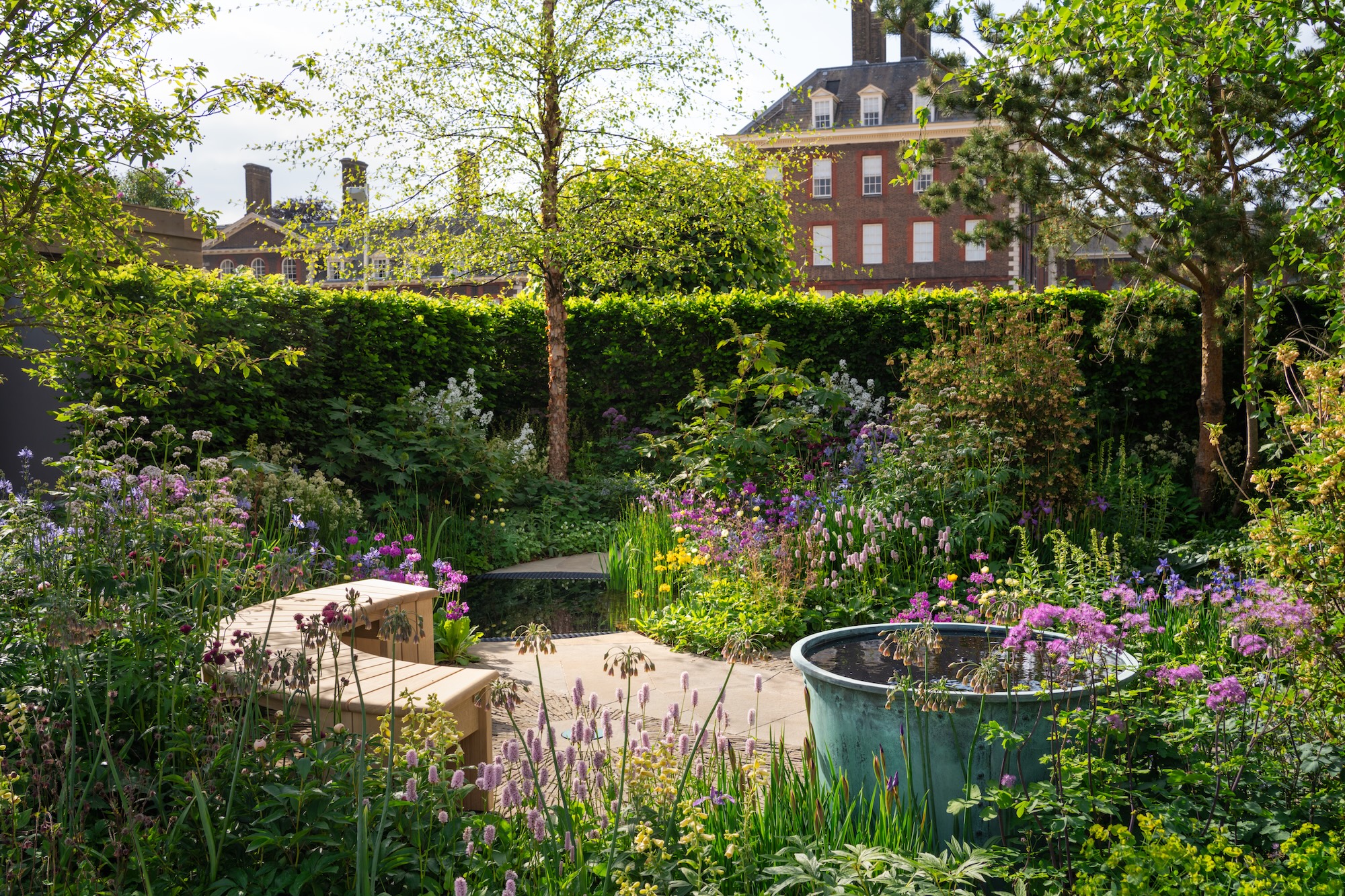
Credit: www.thesagejournal.com
Water Management
Designing a subtropical garden requires efficient water management. Utilize drought-tolerant plants that thrive in warm climates. Integrate rainwater collection systems to conserve resources and support plant health.
Managing water effectively is crucial in designing a subtropical garden. Subtropical climates often experience heavy rainfalls and dry spells. Balancing water availability ensures plant health and garden sustainability. Thoughtful water management also conserves resources and lowers costs.Irrigation Systems
Installing an efficient irrigation system is essential. Consider drip irrigation for precise water delivery. Drip systems reduce water waste by targeting plant roots. Sprinkler systems are another option for larger areas. Choose sprinklers with adjustable settings for optimal coverage. Regular maintenance prevents blockages and ensures system efficiency.Drought-resistant Plants
Select plants that thrive with minimal water. Native subtropical plants are often drought-resistant. They adapt well to local conditions and require less maintenance. Some popular choices include succulents and grasses. These plants store water and survive during dry periods. Mixing plant varieties creates a resilient garden.Water Features
Water features add beauty and tranquility to your garden. Consider a pond or a small waterfall. These features also support local wildlife. Use a recirculating pump to conserve water. Solar-powered pumps reduce energy use. Keep water features clean to avoid algae growth. Regular cleaning ensures a healthy environment.Soil Preparation
Preparing soil is key to designing a subtropical garden. Begin by loosening the soil to improve drainage. Add organic matter like compost to enrich nutrients. This creates a fertile base for vibrant plant growth.
Preparing the soil is crucial for a thriving subtropical garden. The right foundation ensures plants grow strong and healthy. This involves enhancing soil quality and using mulching to retain moisture. Let’s explore effective strategies for both.Improving Soil Quality
Rich, fertile soil supports lush plant growth. Start by testing the soil pH level. Subtropical plants prefer slightly acidic to neutral soil. Amend the soil with organic matter like compost. This enriches it with nutrients and improves drainage. Aerate the soil by turning it with a spade. This process promotes root growth. Remove any weeds or debris to give plants room to thrive.Mulching Techniques
Mulching helps conserve soil moisture. It also suppresses weeds and regulates temperature. Organic mulches, like bark or straw, are ideal. They break down and enrich the soil over time. Spread a 2 to 3-inch layer around plants. Ensure the mulch doesn’t touch plant stems. This prevents rot and allows air circulation. Regularly check and replenish mulch as needed. This keeps your garden looking neat and tidy.Maintenance Tips
Keeping a subtropical garden lush requires regular care. These gardens thrive with attention. Regular maintenance ensures plants stay healthy and vibrant. Below are key maintenance tips.
Pruning And Trimming
Pruning is crucial for plant health. Remove dead or diseased branches. Trim shrubs to maintain shape. This encourages new growth. Use clean, sharp tools for best results.
Pest And Disease Control
Monitor plants for signs of pests. Check leaves for holes or discoloration. Use natural solutions to control infestations. Neem oil and insecticidal soap are effective. Ensure proper drainage to prevent root diseases.
Seasonal Care
Subtropical gardens need seasonal adjustments. Water plants more in summer. Reduce watering during cooler months. Mulch plants to retain moisture. Protect sensitive plants from cold snaps. Use frost cloths or move pots indoors.
Enhancing Biodiversity
Designing a subtropical garden boosts biodiversity by using native plants and creating diverse habitats. Include water features and shade trees to attract varied wildlife.
Enhancing Biodiversity Designing a subtropical garden is more than just arranging plants—it’s about creating a thriving ecosystem. By enhancing biodiversity, you invite a variety of species into your garden, turning it into a lively habitat. This not only enriches the environment but also adds dynamic beauty to your outdoor space.Attracting Wildlife
To attract wildlife, think of your garden as a welcoming home for various creatures. Include elements like birdbaths, feeders, and nesting boxes. These additions invite birds, insects, and small mammals to take residence. Plant a mix of shrubs and trees to provide shelter and food. Native plants are particularly effective, as local wildlife is already adapted to them. Consider adding a small pond or water feature, which can be a haven for frogs and dragonflies.Pollinator-friendly Plants
Pollinators play a crucial role in your garden’s health. Choose plants that offer nectar and pollen to attract bees, butterflies, and hummingbirds. Brightly colored flowers like lantanas, salvias, and hibiscus are particularly attractive to these pollinators. Create layers of blooms throughout the year to ensure there’s always something for them to feed on. You might be surprised at how quickly your garden turns into a buzzing hub of activity. Can you imagine the thrill of watching a butterfly land on a flower you planted? Remember, every plant choice you make can support biodiversity. By focusing on the needs of various wildlife, your subtropical garden will not only look beautiful but also thrive with life.
Credit: romaniuk.studio
Frequently Asked Questions
What Plants Thrive In Subtropical Gardens?
Subtropical gardens flourish with plants like palms, hibiscus, and bird of paradise. These plants love warm temperatures and humid conditions. Consider adding bromeliads and orchids for color. Native plants are also ideal as they adapt well to the local climate.
How Do I Maintain A Subtropical Garden?
Regular watering and proper drainage are crucial for subtropical gardens. Use mulch to retain moisture and control weeds. Prune plants to encourage healthy growth. Fertilize with balanced nutrients to support flowering and fruiting. Monitor for pests and diseases.
Can I Grow Fruits In Subtropical Gardens?
Yes, subtropical gardens are perfect for growing fruits like mangoes, bananas, and papayas. Ensure they get ample sunlight and water. Citrus fruits also thrive well in these conditions. Plant them in well-drained soil for optimal growth.
What Soil Is Best For Subtropical Gardens?
Subtropical gardens prefer well-draining soil rich in organic matter. Sandy or loamy soils are ideal as they prevent waterlogging. Enhance soil fertility by adding compost or organic fertilizers. Test soil pH and adjust to suit plant needs.
Conclusion
Creating a subtropical garden is a rewarding journey. Choose plants that thrive in warm climates. Focus on vibrant colors and textures. Consider the garden’s layout and space. Remember, shade and water are crucial for plant health. Select hardy plants that resist pests.
Use mulch to keep soil moist. Regular pruning helps maintain shape. Enjoy the lush beauty and tranquility of your subtropical paradise. Embrace the diversity of nature. Celebrate the unique charm of each plant. Gardening connects us to the earth. It offers peace and satisfaction.
Let your garden be a place of joy and relaxation.







