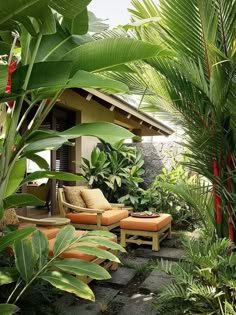
Imagine stepping into your backyard and feeling like you’ve been transported to a lush paradise. Designing a subtropical garden can turn that dream into reality.
You don’t need to live in the tropics to enjoy the vibrant colors and exotic plants that these gardens offer. With the right techniques, you can create a thriving subtropical oasis right at home. Have you ever felt the calming allure of palm trees, the vibrant hues of hibiscus, or the intoxicating scent of gardenias?
This guide will show you how to bring those elements into your garden. You’ll learn about choosing the right plants, understanding soil needs, and creating the perfect microclimate. By the end of this article, you’ll have a clear roadmap to transform your garden into a subtropical haven that you can enjoy year-round. Dive in and discover how to make your outdoor space a place where relaxation and beauty coexist effortlessly.
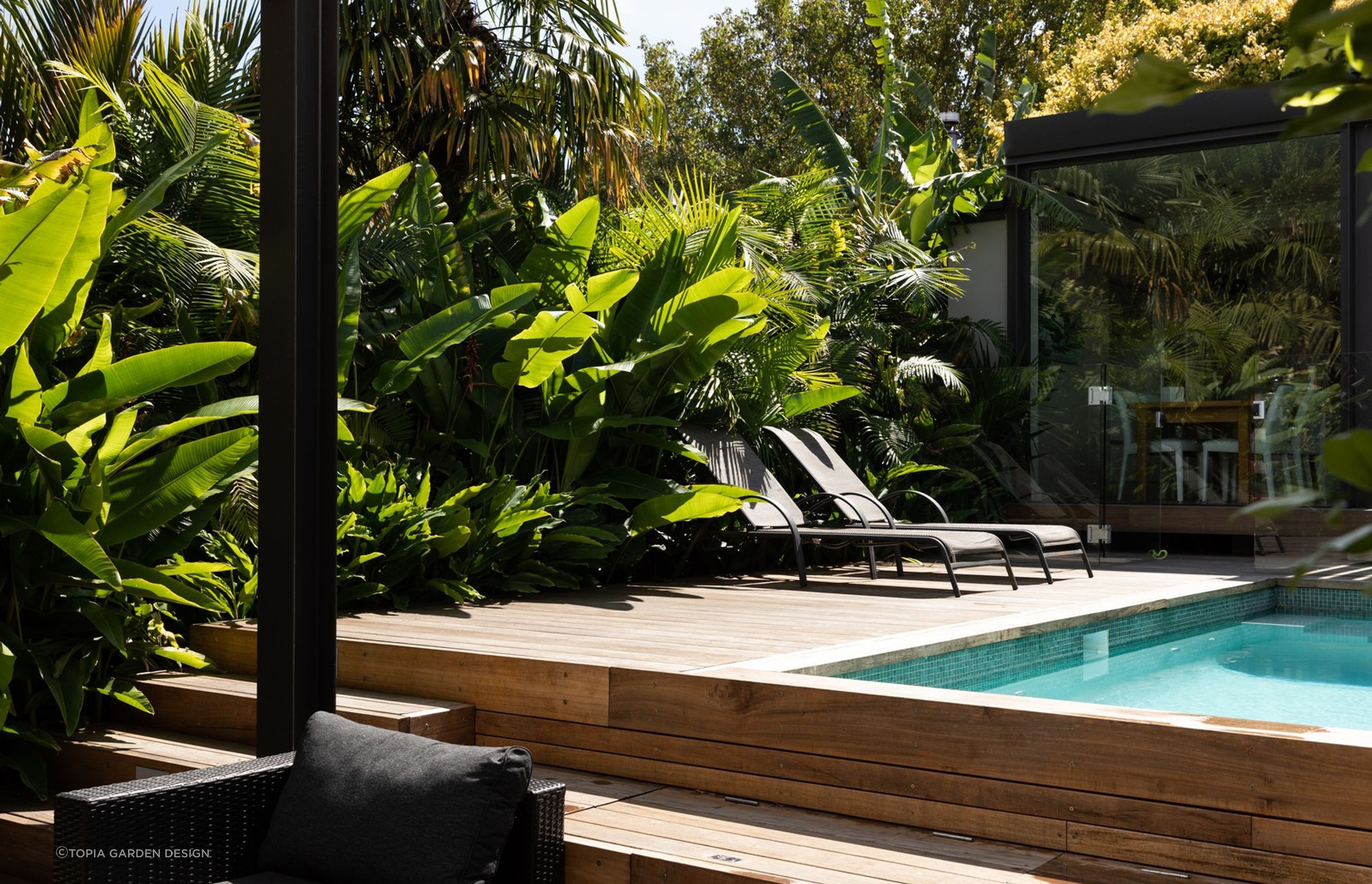
Credit: archipro.co.nz
Choosing The Right Plants
Select plants that thrive in warm climates with high humidity. Prioritize species that flourish under dappled sunlight. Opt for vibrant foliage to create a lush, tropical feel.
Choosing the right plants is crucial for a successful sub-tropical garden. The plants you select will define the garden’s character and resilience. With the right choices, your garden will thrive in warm, humid conditions and look stunning year-round.Selecting Hardy Species
Hardy plants withstand the challenges of sub-tropical climates. These plants endure heat, humidity, and occasional cold snaps. Look for species like hibiscus and bougainvillea. They adapt well and require minimal maintenance. Palms are also a great choice for structure and height.Incorporating Colorful Foliage
Add vibrant foliage to make your garden pop. Use plants like crotons and caladiums. Their leaves come in various colors and patterns. Colorful foliage provides contrast against green backdrops. This adds depth and interest to your garden’s design.Balancing Native And Exotic Plants
Combine native and exotic plants for a balanced look. Native plants adapt well to local conditions. They support local wildlife and require less water. Exotic plants add unique shapes and textures. Balance ensures a diverse and sustainable garden environment.
Credit: www.instagram.com
Understanding Climate Needs
Designing a sub-tropical garden involves selecting lush plants that thrive in warm and humid climates. Incorporating vibrant colors and unique textures creates an inviting outdoor space. Careful planning ensures your garden remains green and lively throughout the year.
Understanding the climate needs of your garden is crucial. A sub-tropical garden thrives in specific conditions. Knowing these conditions ensures your plants grow well.Temperature Considerations
Sub-tropical gardens need warmth. Daytime temperatures should range from 15°C to 30°C. Nights should stay above 10°C for optimal growth. Frost can damage plants, so provide protection during cold spells. Consider using mulch to insulate roots.Humidity And Watering Requirements
High humidity is essential for sub-tropical gardens. It prevents leaves from drying out. Regular watering is crucial. Ensure the soil remains moist but not waterlogged. Use drip irrigation for even watering. This method reduces water waste and keeps the garden healthy.Dealing With Seasonal Changes
Seasonal changes affect sub-tropical gardens. Summers can be hot and dry. Increase watering during these months. Winters bring cooler temperatures. Protect delicate plants with covers or move them indoors. Adjust your care routine with the seasons. Proper preparation keeps your garden thriving year-round.Designing Garden Layout
Designing a subtropical garden involves selecting vibrant plants that thrive in warm climates. Consider colorful foliage and lush greenery to create a tropical feel. Use diverse plant textures and heights for visual interest and a welcoming atmosphere.
Designing the layout of a subtropical garden is an exciting journey that combines creativity with practical considerations. Picture the vibrant colors and lush textures that define subtropical landscapes. To bring this vision to life, you must thoughtfully plan how each plant will contribute to the overall harmony of your garden. Let’s dive into some key aspects to consider when designing your garden layout.Creating Layers And Depth
Think about how you can create layers in your garden. Layers add depth and intrigue, making your garden feel more expansive and immersive. Start by choosing plants of varying heights and textures. Tall trees or palms can serve as the backdrop, with mid-sized shrubs creating a middle layer, and ground-cover plants filling in the foreground. This arrangement not only enhances visual appeal but also supports biodiversity by providing habitats at different levels. Consider how the layers will interact with each other. Do the colors complement or contrast? Will the taller plants provide necessary shade for the more delicate ones beneath them?Positioning For Sunlight
Sunlight is a crucial factor in a subtropical garden. Strategically position your plants to ensure they receive the optimal amount of light. Observe your garden throughout the day to identify sunny and shaded areas. Place sun-loving species where they can soak up the rays, and reserve shaded spots for plants that prefer less direct sunlight. Don’t forget to consider seasonal changes. The angle of sunlight shifts throughout the year, so plan for how this will affect your garden. Are there areas that become too sunny in summer or too shaded in winter?Maximizing Space Efficiency
Space efficiency is key, especially if you’re working with a smaller garden area. Make the most of every inch by using vertical space and creative planting techniques. Consider installing trellises or vertical planters for climbing plants, which can draw the eye upward and save ground space. Use containers to introduce variety and portability to your garden layout. Think about how pathways and seating areas can enhance the functionality of your garden. Are your walkways inviting and do they guide visitors through the most interesting parts of your garden?Soil And Fertilization
Soil and Fertilization Choose nutrient-rich soil to support diverse plant life in a subtropical garden. Regularly add organic fertilizers to maintain healthy growth and vibrant blooms.
Designing a sub-tropical garden involves thoughtful planning, especially regarding soil and fertilization. The right soil and nutrients can transform your garden into a lush paradise. A well-fertilized garden promises vibrant plant life and sustainable growth. Understanding soil quality and choosing the right fertilizers are crucial steps.Improving Soil Quality
Healthy soil is the foundation of any thriving garden. Start by assessing the soil type in your garden area. Sandy soils often need organic matter to retain moisture. Clay soils benefit from aeration and drainage improvements. Consider a soil test. This reveals nutrient levels and pH balance. Regularly amend the soil with compost or peat moss. These enrich the soil structure. Mulching helps retain moisture and suppress weeds. Keep the soil loose and airy to promote root development.Choosing The Right Fertilizers
Fertilizers boost plant growth and health. Select fertilizers based on plant needs and soil tests. Nitrogen-rich fertilizers enhance foliage growth. Phosphorus aids root development and flowering. Potassium strengthens plant resilience. Choose slow-release fertilizers for steady nutrient delivery. Read labels carefully. This ensures proper application rates and timing. Avoid over-fertilizing to prevent nutrient burn.Organic Vs. Chemical Options
Organic fertilizers offer natural nutrient sources. Examples include compost, manure, and bone meal. They improve soil health over time. Chemical fertilizers provide quick nutrient availability. They come in various formulations for specific plant needs. Organic options are eco-friendly and sustainable. Chemical fertilizers need careful handling and application. Consider both options. Balance quick results with long-term soil health. Use a combination for optimal garden growth.Watering And Irrigation
Designing a subtropical garden involves strategic watering and irrigation. Ensure proper drainage to prevent waterlogging. Choose drought-tolerant plants that thrive with minimal water.
Designing a sub-tropical garden involves creating a lush, vibrant environment that thrives in a warm climate. One of the critical aspects to consider is how you will manage watering and irrigation. Watering your plants efficiently is essential to maintain their health and vitality. Let’s dive into some practical strategies to ensure your garden flourishes without wasting resources.Efficient Watering Systems
Investing in an efficient watering system can save you time and reduce water waste. Drip irrigation is a popular choice for sub-tropical gardens. It delivers water directly to the plant roots, minimizing evaporation. Another effective option is using soaker hoses. They distribute water slowly and evenly, ensuring deep penetration into the soil. This method can also prevent overwatering, which is a common issue in these climates. Think about installing timers on your irrigation systems. They help in automating the watering schedule, ensuring your plants receive consistent moisture even when you’re not around. This is particularly useful during the hot, dry spells common in sub-tropical regions.Rainwater Harvesting
Harnessing natural resources is both economical and sustainable. Rainwater harvesting can be an excellent way to supplement your garden’s water needs. Setting up a rain barrel system is straightforward and can capture a significant amount of water during the rainy season. Position your barrels to collect runoff from your roof. This water can then be used during drier periods to keep your garden lush and thriving. Consider the quality of the rainwater you collect. It’s generally pure, but leaves and other debris can contaminate it. Use mesh filters to keep your harvested water clean and safe for your plants.Managing Drainage
Sub-tropical gardens often face challenges with drainage due to heavy rainfalls. Proper drainage is crucial to prevent waterlogging, which can damage plant roots. Ensure your garden has a slight slope to allow excess water to flow away. You can also create channels or use gravel to improve drainage in problematic areas. Observe how water flows in your garden during a heavy rain. Are there areas where water tends to pool? Address these issues by amending the soil or adjusting the landscape to facilitate better drainage. By carefully planning your watering and irrigation strategies, you can create a thriving sub-tropical garden that is both beautiful and sustainable. How will you ensure your garden gets the water it needs without wasting precious resources?
Credit: au.pinterest.com
Pest And Disease Control
Create a healthy subtropical garden by choosing pest-resistant plants. Regularly inspect leaves for early signs of disease. Implement natural controls like beneficial insects or organic sprays to maintain balance.
Designing a sub-tropical garden can be an exciting endeavor. The vibrant colors and lush foliage create an oasis of tranquility. But such beauty often invites unwanted guests. Pests and diseases can disrupt the harmony of your garden. Understanding and managing these threats is crucial for maintaining a healthy landscape. This section will guide you on effective pest and disease control techniques.Identifying Common Pests
Recognizing pests is the first step to control. Common sub-tropical garden pests include aphids, caterpillars, and whiteflies. Aphids are small, green insects that cluster on new growth. Caterpillars chew leaves, creating holes and ragged edges. Whiteflies, tiny and white, gather on the underside of leaves. Regularly inspect plants for these signs. Early detection helps prevent widespread damage.Natural Remedies And Solutions
Chemical solutions can harm your garden’s ecosystem. Opt for natural remedies to manage pests. Introduce beneficial insects like ladybugs to control aphids. Neem oil is effective against whiteflies and safe for most plants. For caterpillars, pick them by hand or apply a natural bacterial spray. These methods protect your garden without harming the environment.Preventive Measures
Prevention is better than cure. Keep your garden healthy to deter pests. Regularly prune dead or infected plant parts. Ensure proper spacing for air circulation. Water plants in the morning to prevent fungal diseases. Rotate crops to disrupt pest life cycles. These practices create a robust defense against pests and diseases.Enhancing Aesthetic Appeal
Enhancing the aesthetic appeal of a sub-tropical garden requires a creative touch. This garden style thrives on vibrant colors and unique textures. A carefully designed garden brings tranquility and beauty to your space. Here’s how to enhance its visual charm.
Incorporating Water Features
Water features add a calming effect to any garden. A small pond or a fountain can be a great addition. Choose features that complement the garden’s natural look. The soothing sound of water also attracts birds and wildlife. This enhances the garden’s lively atmosphere. Ensure water features are easy to maintain and fit the available space.
Using Garden Accessories
Garden accessories add personality to your garden. Consider using sculptures, decorative stones, or colorful pots. These accessories can accentuate the garden’s theme. Select items that reflect your personal style. Arrange them thoughtfully to avoid clutter. Each accessory should serve a purpose or highlight a plant.
Creating Focal Points
A focal point draws attention and creates interest. It can be a striking plant or a unique garden structure. Use bold colors or unusual shapes for emphasis. Place focal points where they catch the eye naturally. This could be at the end of a path or in the center of a garden bed. Focal points guide the viewer’s journey through the garden, enhancing its appeal.
Maintenance And Care
Regular watering ensures lush growth in a sub-tropical garden. Mulch helps retain soil moisture and suppress weeds. Prune plants to maintain shape and encourage new blooms.
Designing a sub-tropical garden is like crafting a vibrant oasis of lush greenery and exotic blooms. However, maintaining its beauty requires consistent attention and care. The key to a thriving sub-tropical garden lies in understanding how to manage its growth, deal with seasonal changes, and plan for the future.Regular Pruning Techniques
Regular pruning is essential to keep your sub-tropical garden looking its best. Trim away dead or diseased branches to promote healthy growth. Use sharp, clean tools to make precise cuts, reducing the risk of infection. Consider the natural shape of your plants when pruning. This helps maintain their beauty and ensures they don’t become overgrown. Did you know that pruning can also encourage more blooms? Make it a habit to inspect your garden every few weeks.Seasonal Maintenance Tips
Each season brings its own set of challenges and opportunities for your garden. During the wet season, ensure proper drainage to prevent root rot. Add mulch to retain moisture and protect roots from extreme temperature changes. In the dry months, increase watering frequency, but be mindful of overwatering. How do you prepare your garden for seasonal transitions? Regularly assess your plants’ needs and adjust your care routine accordingly.Long-term Care Strategies
Think about the long-term health of your garden. Invest in quality soil and fertilizers that support sustainable growth. Rotate plant varieties to prevent pest build-up and soil depletion. Create a maintenance calendar to track tasks and monitor plant health. Regularly revisit your garden design to ensure it still meets your aesthetic and functional needs. What future changes can enhance your garden’s beauty and resilience? By focusing on these maintenance and care strategies, your sub-tropical garden will flourish year-round, providing a haven of tranquility and beauty.Frequently Asked Questions
What Plants Thrive In Subtropical Gardens?
Subtropical gardens flourish with plants like hibiscus, bird of paradise, and palm trees. These plants thrive in warmer climates with occasional rainfall. Consider adding vibrant flowers and lush foliage to create a tropical feel. Choose plants that can withstand heat and humidity for best results.
How Do I Maintain A Subtropical Garden?
Maintaining a subtropical garden involves regular watering, mulching, and pruning. Ensure proper drainage to prevent root rot. Use organic mulch to retain moisture and suppress weeds. Regularly prune plants to encourage growth and remove dead leaves. Fertilize during growing seasons for healthy, vibrant plants.
What Are Common Pests In Subtropical Gardens?
Common pests include aphids, snails, and caterpillars. Monitor plants regularly for signs of infestation. Use natural remedies like neem oil or introduce beneficial insects. Removing debris and maintaining plant health can prevent pests. Ensure good air circulation to reduce pest problems.
How Much Sunlight Does A Subtropical Garden Need?
Subtropical gardens require ample sunlight, ideally 6-8 hours daily. Choose a sunny location to maximize growth. Some plants may need partial shade during intense heat. Adjust positioning based on plant needs and monitor for sunburn. Proper sunlight ensures healthy blooms and vibrant foliage.
Conclusion
Creating a sub-tropical garden can be a rewarding experience. It’s a blend of vibrant colors and lush greens. Choose plants that thrive in warm climates. Include palms, ferns, and colorful flowers. Focus on soil quality and drainage. Watering is key to plant health.
Use mulch to retain soil moisture. Design paths for easy access. Add seating areas to enjoy the garden’s beauty. Regular maintenance keeps your garden thriving. With thoughtful planning, your garden becomes a serene retreat. Enjoy the tranquility and beauty every day.
Nature’s touch right at home.