Imagine stepping outside your door and being greeted by a slice of nature that refreshes your senses and sparks joy. If you’ve ever wanted to create such a space, you’re in the right place.
Designing a small succulent garden is not only a delightful project but an opportunity to unleash your creativity and bring a touch of tranquility to your home. Succulents, with their diverse shapes and vibrant colors, are perfect for small spaces.
They are low-maintenance and can thrive in various environments, making them ideal companions for any gardener. Whether you have a tiny balcony, a cozy backyard, or even a sunny windowsill, you can transform these spaces into a charming oasis. You’ll discover simple, effective ways to design your own succulent garden. You’ll learn how to choose the right plants, arrange them beautifully, and care for them effortlessly. Imagine the satisfaction of watching your garden flourish, knowing it was crafted by your own hands. Get ready to dive into the world of succulents, where each plant is a masterpiece waiting to be part of your unique creation. Your dream garden is just a few steps away!

Credit: www.youtube.com
Choosing The Right Succulents
Designing a small succulent garden starts with choosing the right plants. The variety of succulents available is vast, offering a range of shapes, colors, and sizes. Selecting the right ones can transform your small space into a vibrant oasis. Let’s explore some key factors to consider when picking the perfect succulents for your garden.
Popular Varieties
Some succulents are more popular due to their easy care and stunning looks. Consider adding these to your garden:
- Echeveria:Known for its rosette shape and vibrant colors.
- Jade Plant:Features thick, shiny leaves and is very hardy.
- Aloe Vera:Offers medicinal benefits and is easy to grow.
- Hens and Chicks:Small rosettes that multiply rapidly.
Climate Considerations
Your local climate plays a crucial role in succulent selection. Some succulents thrive in hot, dry conditions. Others prefer cooler, shaded areas. Know your regional climate before choosing plants. This ensures your succulents will thrive and require less maintenance.
Color And Texture Selection
Succulents come in a variety of colors and textures. Mixing different hues adds visual interest to your garden. Consider the texture of the leaves as well. Smooth, spiky, or fuzzy textures can create depth and contrast. Plan a mix of colors and textures for a dynamic display.

Credit: m.youtube.com
Planning Your Garden Space
Designing a small succulent garden involves choosing varied plants and arranging them for visual appeal. Consider light conditions and space constraints to ensure healthy growth. Use containers or planters to create levels and add depth.
Planning Your Garden Space Creating a small succulent garden is a delightful project. It combines creativity and nature in a compact space. Planning your garden space is the first step in this journey. This involves understanding the available area and deciding on the design.Assessing Available Space
Measure the area you wish to use for your garden. Consider spaces like balconies, patios, or even windowsills. Small spaces can be transformed into beautiful gardens. Ensure the space receives enough sunlight. Succulents thrive in bright, sunny conditions. Observe how sunlight moves across your space during the day. This helps in choosing the best spot for your garden.Designing Layout And Patterns
Visualize the layout of your garden. Sketch your ideas on paper. Decide on a theme or pattern for arranging the succulents. You can group plants by color or size. Circular arrangements create focal points and harmony. Linear layouts add structure and simplicity. Experiment with different shapes and configurations. Choose pots and containers that match your design.Incorporating Garden Features
Enhance your garden with features. Add elements like rocks or pebbles for texture. Consider small sculptures or decorative items. These add character and interest to your garden. Use varied heights for a layered effect. Elevate some pots using stands or shelves. This creates depth and visual intrigue. Ensure the features complement the succulents. Keep the design balanced and cohesive.Soil And Potting Mix
Choose a well-draining soil or potting mix for succulents. This ensures healthy roots and prevents rot. Mixing sand or perlite with regular potting soil is ideal.
Designing a small succulent garden is both fun and rewarding. One key factor for success is the soil and potting mix. Succulents thrive in specific conditions. Proper soil composition is crucial for healthy growth. Let’s delve into what makes a great potting mix.Essential Soil Components
Succulents need well-draining soil to prevent root rot. Key components include:- Sand: Enhances drainage and aeration.
- Perlite: Lightens the soil and improves air flow.
- Pumice: Holds nutrients but allows excess water to escape.
Diy Potting Mix Recipes
Crafting your own mix can be simple and effective. Try this recipe:- 3 parts potting soil
- 2 parts coarse sand
- 1 part perlite or pumice
Drainage Solutions
Proper drainage is vital for succulent health. Consider these options:- Use pots with drainage holes.
- Add a layer of gravel at the bottom.
- Elevate pots using stands or trays.
Planting Techniques
Create a cozy succulent garden by selecting a sunny spot with well-draining soil. Arrange plants with varying colors and shapes for visual interest. Use decorative stones or pebbles to enhance texture and contrast.
Creating a small succulent garden can be a delightful endeavor, offering both aesthetic beauty and a touch of nature indoors. But how do you ensure that your succulents thrive and don’t just survive? It all comes down to the planting techniques you use. Understanding the nuances of planting depth, spacing, and repotting can make all the difference in nurturing a healthy and vibrant succulent garden.Proper Planting Depth
Getting the planting depth right is crucial for succulent health. Succulents need their roots to be comfortably buried, but not too deep. A good rule of thumb is to plant them at the same depth they were in their original containers. This prevents root rot and encourages healthy growth. Have you ever planted a succulent too deep and watched it struggle? Ensuring the right depth can prevent this common mistake.Spacing For Growth
Succulents need room to grow, so spacing them correctly is key. Crowding them together can lead to competition for resources and poor air circulation, which can cause them to wilt. Aim for a few inches of space between each plant. This allows them to grow freely and prevents the spread of disease. Think of it as giving your succulents their personal space—just like how we enjoy ours!Repotting Tips
Repotting is an essential part of succulent care, as these plants can outgrow their containers. When repotting, choose a pot that is slightly larger than the current one. This gives roots room to expand without overwhelming them. Handle the roots gently to avoid damage. Have you noticed a succulent looking cramped? Repotting could be the refreshing change it needs to flourish. Designing your small succulent garden with these planting techniques can transform your space into a lively, green oasis. Are you ready to see your succulents thrive and bring a touch of nature into your home? Embrace these techniques and watch your garden flourish!Watering And Maintenance
Proper watering is key for small succulent gardens. Ensure soil dries completely between watering sessions. Consistent, minimal care helps maintain their vibrant appearance.
Designing a small succulent garden is not only a rewarding endeavor but also a perfect way to bring a touch of nature indoors. However, maintaining its beauty requires some attention to detail, especially when it comes to watering and maintenance. Succulents are known for their resilience, but they still need the right care to thrive. Let’s dive into some key practices that will ensure your succulent garden remains vibrant and healthy.Watering Schedule
Understanding the watering needs of your succulents is crucial. Unlike other plants, succulents prefer a “less is more” approach. Overwatering can lead to root rot, a common issue that can quickly diminish the health of your plants. Consider establishing a regular watering routine that suits your climate. In dryer climates, watering every two weeks might suffice. In more humid environments, extending this period to three weeks or more could be beneficial. Feel the soil before watering. If it’s dry, it’s time to hydrate your plants. If it’s still damp, hold off for a few more days.Pest And Disease Control
Even the most robust succulents can fall prey to pests and diseases. Keeping a watchful eye on your garden will help you catch issues early. Common pests like mealybugs or spider mites can be managed with simple home remedies. A solution of water and mild dish soap can deter many of these invaders. Regularly inspect leaves and stems for signs of disease. Black spots or mushy areas may indicate a fungal infection. Promptly remove affected parts to prevent the spread.Pruning And Grooming
Pruning is not just about aesthetics; it’s essential for plant health. Succulents naturally shed leaves, and occasionally, you might need to intervene. Remove any dead or damaged leaves to encourage new growth. This keeps your garden looking fresh and helps prevent disease. Grooming your succulents can be therapeutic. Dust off leaves and remove debris from the soil. Your garden will thank you with vibrant colors and robust growth. Are you ready to embrace the art of succulent gardening? The joy of seeing your plants flourish with proper care is incomparable. Remember, each little effort contributes to a thriving miniature ecosystem.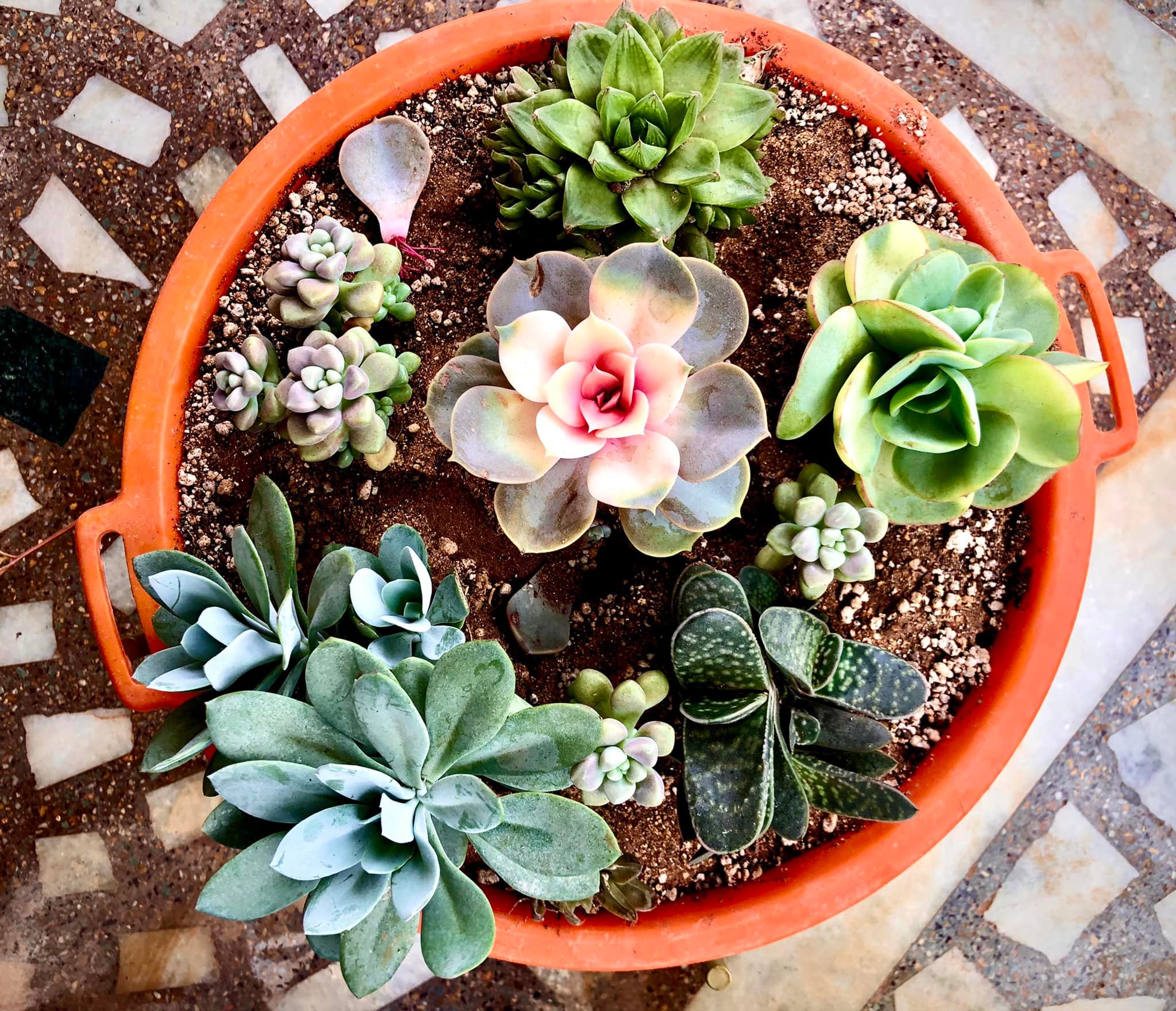
Credit: www.facebook.com
Decorative Elements
Designing a small succulent garden involves choosing varied shapes and colors for visual interest. Use decorative stones and miniature figurines to enhance the garden’s charm. Place succulents in creative containers for a unique touch.
Decorative elements bring life to your small succulent garden. They transform a simple arrangement into a personal sanctuary. Choose elements that reflect your style and enhance your garden’s beauty. Let’s explore some exciting decorative options.Using Rocks And Pebbles
Rocks and pebbles add texture and contrast. They highlight the succulents’ colors and shapes. Use different sizes and colors for a natural look. Arrange them around the plants or create pathways. Pebbles also help with drainage, keeping succulents healthy.Adding Ornaments
Ornaments bring character and charm. Select items like small statues or fairy houses. These add a whimsical touch. Bird figurines or tiny gnomes work well. Place them between plants for surprise elements. Keep them in scale with your garden’s size.Lighting Ideas
Lighting enhances your garden’s appeal, day or night. Use solar-powered lights for an eco-friendly choice. String lights create a magical atmosphere. Spotlights can highlight specific plants or features. Ensure lights are waterproof and safe for outdoor use.Seasonal Care
Designing a small succulent garden offers a charming way to bring greenery indoors. Choose different succulent types for variety in colors and textures. Arrange them in a sunny spot with well-draining soil for vibrant growth.
Designing a small succulent garden is not only about choosing the right plants and arranging them aesthetically. To ensure your succulents thrive throughout the year, understanding seasonal care is crucial. Each season presents unique challenges and opportunities for your succulent garden, requiring specific attention and strategies.Winter Protection
Succulents are generally hardy, but winter can be tough on them. If you live in an area with frosty winters, consider moving your succulents indoors or to a sheltered area. Ensure they receive adequate sunlight, perhaps by placing them near a south-facing window. If bringing them indoors isn’t an option, invest in frost cloths or old sheets to cover your succulents during cold nights. This simple step can prevent frost damage and help them survive until spring. Keep an eye out for signs of overwatering, as succulents need less water during winter.Summer Heat Management
In the summer, succulents love the sun, but too much heat can be harmful. To prevent scorching, position your garden where it gets morning sun but is shaded from the harsh afternoon rays. A patio or balcony can be perfect spots. Consider using mulch to help retain moisture in the soil, reducing the need for frequent watering. Regularly check for signs of sunburn, such as brown or white patches on the leaves, and adjust the position of your plants if needed.Fertilization Needs
Succulents have specific fertilization needs depending on the season. In spring and summer, they enter their growing phase, requiring a light feeding. Use a balanced, water-soluble fertilizer diluted to half strength every month or so. During fall and winter, reduce or stop fertilization entirely. Over-fertilizing can lead to leggy growth, which is undesirable for compact, healthy succulents. Always follow the recommended guidelines for your specific succulent species to ensure optimal growth. Are you ready to adapt your care routine with the seasons and watch your succulent garden flourish?Frequently Asked Questions
What Are The Best Succulents For Small Gardens?
Choosing compact succulents like Echeveria, Sempervivum, and Haworthia is ideal for small gardens. These varieties are low-maintenance, drought-tolerant, and offer diverse textures and colors. Their adaptability and size make them perfect for designing a small, visually appealing succulent garden that thrives in limited spaces.
How Do I Arrange Succulents Creatively?
Arrange succulents by mixing textures and colors for visual interest. Use varying heights and sizes to create depth. Combine contrasting shapes and hues to achieve a balanced look. Grouping similar plants together can enhance the garden’s aesthetic appeal and provide a harmonious yet dynamic composition.
What Soil Is Best For Succulents?
Succulents thrive in well-draining soil, which prevents root rot. Use a cactus mix or combine potting soil with sand or perlite. This mixture offers the necessary aeration and drainage that succulents need to flourish. Ensuring proper soil composition is crucial for maintaining a healthy succulent garden.
How Often Should Succulents Be Watered?
Water succulents sparingly, typically once every two weeks. Allow the soil to dry completely between waterings to prevent overwatering. Succulents are drought-tolerant and store water in their leaves. Overwatering can lead to root rot, so it’s essential to monitor soil moisture levels carefully.
Conclusion
Creating a small succulent garden is simple and rewarding. Start with the right spot; light matters. Choose containers that match your style. Soil is key; use well-draining mix. Water sparingly; succulents thrive on neglect. Mix colors and shapes for visual interest.
Keep an eye on your plants; adjust care as needed. Small spaces can become vibrant with these easy steps. Enjoy your green oasis and watch it grow. Share your garden with friends. They might want one too. Happy gardening!