Imagine stepping into your backyard and being greeted by a lush oasis that defies its modest size. Designing a small space garden can transform even the tiniest patch of land into a serene retreat.
You don’t need acres of greenery to enjoy the therapeutic benefits of gardening. Whether you have a compact balcony, a narrow urban courtyard, or a petite patio, the magic of a small space garden is within your reach. This guide will reveal how you can make the most of limited space, turning it into a vibrant sanctuary that reflects your personal style.
Get ready to discover innovative tips and clever hacks that will inspire you to create a garden paradise, no matter how small your space may be. Keep reading, and let your imagination take root.

Credit: www.goodhousekeeping.com
Choosing The Right Plants
Choosing the right plants ensures a thriving small space garden. Opt for compact, versatile varieties that suit your climate. Consider vertical growth options to maximize limited areas, creating a lush and vibrant environment.
Choosing the right plants is crucial for a small space garden. Your garden’s beauty and functionality depend on this choice. Some plants thrive in small areas, while others need more room. Understanding plant needs helps you pick the best options.Best Plants For Small Spaces
Compact plants are perfect for tiny gardens. They don’t spread much and fit well in limited spaces. Consider these options:- Herbs like basil, mint, and thyme. They grow well in pots.
- Succulents such as aloe vera and jade plant. They need little water.
- Compact vegetables like cherry tomatoes and baby carrots.
- Dwarf fruit trees such as apple and lemon trees.
- Climbing plants like peas and beans. They grow vertically and save space.
Considerations For Light And Soil
Light and soil are vital for plant growth. Each plant has different needs. Check how much sunlight your garden gets. Some plants need full sun, others prefer shade. Choose plants that match your garden’s light conditions. For example, succulents love sunlight. Ferns do better in shady areas. Soil type also matters. Some plants need rich, well-drained soil. Others can thrive in poor soil. Test your soil’s pH and nutrients. Use potting mix for containers. It provides good drainage and nutrients. By understanding these factors, you can create a thriving small space garden.Space Planning Techniques
Designing a small space garden requires smart planning. Efficient use of available space can transform a tiny area into a lush garden. Focus on maximizing every inch without overcrowding. Space planning techniques help achieve a harmonious and functional garden. Let’s explore methods to make the most out of limited space.
Vertical Gardening Ideas
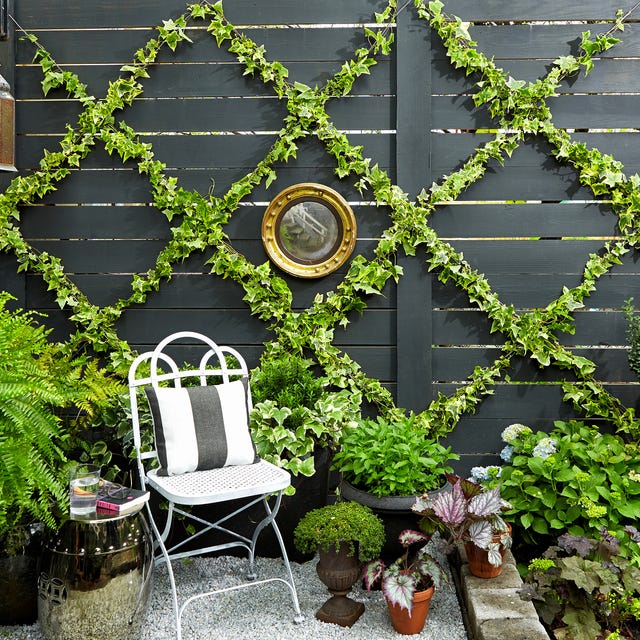
Vertical gardening is perfect for small spaces. It optimizes height, leaving more ground space. Consider using trellises for climbing plants. Wall planters can hold herbs, flowers, or small vegetables. Hanging pots are another great option. They add color and life at eye level. Vertical gardens can also act as privacy screens.
Utilizing Containers And Pots
Containers and pots offer flexibility in a small garden. They allow you to move plants easily. Choose pots of various sizes to create visual interest. Use lightweight materials for easy rearrangement. Group pots in clusters for a cohesive look. Consider using stackable pots for a tiered effect. This method saves space and adds depth.
Maximizing Garden Efficiency
Design a small space garden by using vertical planters and smart layouts. Choose compact plants and utilize every corner effectively. Brighten the area with colorful flowers and herbs for a vibrant touch.
Maximizing garden efficiency is key when designing a small space garden. With limited area, every inch counts. Smart strategies can transform your compact plot into a lush, productive oasis. Small gardens require thoughtful planning to yield big results. Let’s explore how you can make the most of your garden space.Companion Planting Strategies
Companion planting is an effective way to maximize your garden’s potential. Certain plants, when grown together, can boost each other’s growth. For instance, planting tomatoes next to basil can enhance the flavor of the tomatoes and deter pests. Think of your garden as a community where each plant has a role. Consider which plants benefit each other and plan your layout accordingly. Using companion planting, you can also manage garden pests naturally. Some plants act as natural repellents, reducing the need for chemical pesticides.Seasonal Planting Timelines
Timing is everything in a small garden. Knowing when to plant can greatly impact your harvest. Early spring is ideal for crops like lettuce and peas, while summer is perfect for tomatoes and peppers. Consider keeping a calendar to track planting and harvest times. This helps ensure you’re making the most of each season’s offerings. Rotate your crops with the seasons to keep your garden productive year-round. This not only maximizes space but also maintains soil health. By understanding the rhythms of planting, you can enjoy a continuous flow of fresh produce from your garden. Are you ready to embrace the changing seasons in your gardening journey?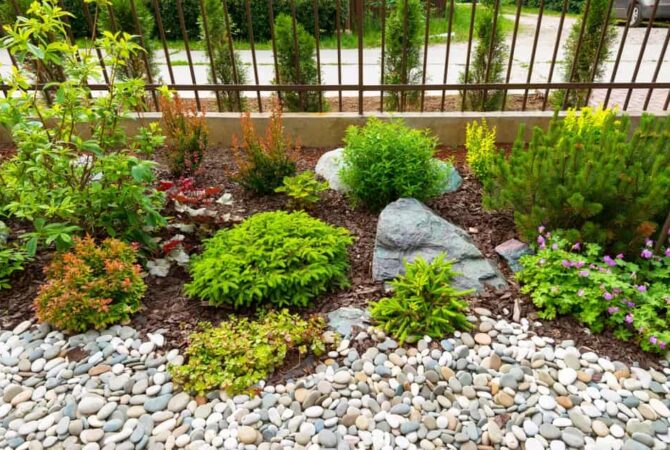
Credit: www.extraspace.com
Creative Design Elements
Designing a small space garden requires creativity and smart use of elements like vertical planting and container gardening. Maximize space by choosing compact plants and versatile furniture. Natural materials and vibrant colors enhance visual appeal, making the garden inviting and serene.
Designing a small space garden can be a delightful challenge, offering you the chance to express creativity in unique ways. Creative design elements play a significant role in transforming a compact garden into a vibrant oasis. Whether you’re working with a tiny balcony or a petite backyard, every design choice can make a big impact. Let’s dive into some creative ways to enhance your small garden space.Incorporating Art And Decor
Adding artistic elements to your garden can elevate its aesthetic appeal. Consider sculptures, wind chimes, or a small water feature to introduce visual interest. You might find a quirky piece at a local flea market that adds personality to your space. Think about how garden decor can reflect your personal style. Is there a piece that tells a story or sparks joy every time you see it? Sometimes, a simple garden mirror can create the illusion of more space, making your garden feel larger and more inviting.Color And Texture In Design
Color and texture are powerful tools in garden design, especially in small spaces. Experiment with a variety of plants that offer different foliage colors and textures. A mix of leafy greens, vibrant flowers, and textured grasses can add depth and intrigue. Arrange plants in layers to maximize visual interest. Taller plants at the back, mid-sized in the center, and shorter ones at the front can create a dynamic display. Have you ever considered the emotional impact of color in your garden? Bright colors can energize, while cool tones may soothe. Creating a well-thought-out design in a small space garden requires creativity and attention to detail. By incorporating art and decor and playing with color and texture, you can transform a small garden into a personal retreat that feels both expansive and engaging. What design elements will you choose to express your unique style?Sustainable Gardening Practices
Designing a small space garden involves maximizing every inch wisely. Vertical gardening can help grow more plants in limited areas. Choose native species for easy maintenance and better sustainability.
Designing a small space garden doesn’t just mean fitting plants into tight areas; it also involves adopting sustainable practices that benefit the environment. Sustainability in gardening is about making thoughtful choices that reduce waste and conserve resources while still creating a lush and inviting space. By using practices that are kind to the planet, you can enjoy a beautiful garden and contribute positively to your surroundings.Water Conservation Techniques
In small space gardening, every drop counts. Consider using drip irrigation systems, which deliver water directly to the plant roots, minimizing evaporation and waste. Collect rainwater in barrels to use during dry spells, reducing reliance on municipal water supplies. Mulching is another effective method to conserve water. By covering the soil with organic materials like straw or wood chips, you help retain moisture and keep the soil temperature stable. This not only saves water but also reduces the frequency of watering. Think about planting native species that are adapted to your local climate. These plants often require less water and are more resilient to local pests and diseases. Have you ever noticed how vibrant a garden looks after a rainstorm? Mimicking nature’s water delivery can lead to healthier plants.Organic Pest Control Solutions
Chemical pesticides can be harmful to both your garden and the environment. Instead, opt for organic pest control methods that are safer and equally effective. Introduce beneficial insects like ladybugs or predatory nematodes that naturally keep pest populations in check. Companion planting is another strategy to consider. Certain plants, like marigolds, can deter pests when grown alongside your main crops. This practice not only controls pests but also adds diversity and beauty to your garden. Homemade remedies can also play a role in organic pest management. A simple mix of water, soap, and garlic can be sprayed onto plants to deter many common pests. Have you tried making your own solutions? It’s a rewarding experience to see your plants thrive with your own concoctions. By focusing on these sustainable gardening practices, you’ll not only create a thriving small space garden but also play a part in nurturing the planet. What sustainable practices have you tried in your garden?Maintenance And Care
Regular watering and pruning are vital for small space gardens. Use quality soil and choose plants that thrive in limited areas. Keep the garden tidy to prevent pests and ensure healthy growth.
Maintaining a small space garden requires dedication and regular care. It is essential for the plants to thrive and remain healthy. Proper maintenance ensures that the garden remains beautiful and productive throughout the seasons. Regular attention helps prevent overgrowth and disease, keeping your garden vibrant.Regular Pruning And Trimming
Pruning is vital for plant health and garden aesthetics. It encourages new growth and shapes the plants. Trim dead leaves and branches to allow sunlight to reach every part. This prevents diseases and pests from taking hold. Use clean, sharp tools to avoid damaging plants. Regular trimming keeps plants at a manageable size, ideal for small spaces.Monitoring Plant Health
Keep an eye on your plants for signs of distress. Yellow leaves or wilting can indicate issues. Check for pests and diseases regularly. Healthy plants have vibrant leaves and steady growth. Ensure the soil is not too dry or waterlogged. Adjust watering schedules based on plant needs and weather conditions. Healthy soil leads to healthy plants.
Credit: medium.com
Frequently Asked Questions
How To Maximize Small Garden Space?
Maximize small garden space by using vertical gardening techniques. Incorporate hanging pots or shelves for plants. Choose compact plant varieties and consider raised beds. Utilize corners and edges efficiently to ensure every inch is productive. Regularly prune and maintain plants to prevent overcrowding.
What Plants Are Best For Small Gardens?
Choose compact plants like herbs, dwarf fruit trees, and small shrubs. Opt for vertical-growing species like pole beans or cucumbers. Succulents and ferns are great for ground cover. Select plants with multi-season interest to maximize visual appeal throughout the year.
How To Plan A Small Space Garden Layout?
Start by sketching a layout, considering sunlight and shade. Use containers for flexibility. Incorporate vertical elements like trellises. Allocate space for pathways and access. Ensure plants are grouped according to water and sunlight needs. Regularly review and adjust the layout for optimum growth.
What Are The Benefits Of Raised Beds?
Raised beds improve soil drainage and aeration. They help in controlling soil quality and reduce weed growth. Raised beds make gardening accessible, reducing strain from bending. They allow for efficient use of space and can be customized to suit small gardens.
Conclusion
Creating a small space garden is rewarding and fun. It transforms tiny areas into vibrant green spots. Start with a plan. Choose plants wisely, considering sunlight and space. Vertical gardening saves room and looks great. Containers and raised beds are perfect for limited spaces.
Regular care keeps your garden healthy and thriving. Watering and pruning are essential. Small gardens can be beautiful and productive. Enjoy your personal oasis, and let nature flourish in your home. Remember, every small space holds big potential for a garden.
Happy gardening!