Imagine stepping into your backyard and being greeted by a cool, refreshing oasis, even on the hottest summer day. That’s the magic of a well-designed shade garden.
You don’t need a vast space to create your own tranquil retreat; even the smallest garden can be transformed into a lush, shady sanctuary. Whether you’re dealing with limited outdoor space or aiming to add variety to your garden, designing a small shade garden is the perfect solution.
But how do you make the most of your shady spots? How can you choose the right plants and layout to maximize beauty and relaxation? You’ll discover simple yet effective strategies to design a small shade garden that will become your favorite escape. You’ll learn how to pick the best plants, arrange them for maximum impact, and even add features that elevate your garden’s charm. Get ready to turn those shaded corners into your garden’s most enchanting highlight. Stay with us, and by the end, you’ll have all the tools you need to craft your own piece of paradise.
Choosing The Right Location
Selecting the ideal spot enhances your small shade garden’s beauty. Opt for areas with partial sunlight and good soil. Consider nearby trees for natural shade.
Choosing the right location for your small shade garden is crucial to its success. Without proper placement, even the most carefully selected plants can struggle to thrive. Begin by understanding your garden’s unique microclimate, which will guide you in selecting the perfect spot.Identifying Shady Spots
Start by observing your outdoor space throughout the day. Look for areas consistently shaded by trees, fences, or buildings. These natural features can help you pinpoint the most promising locations for your shade garden. Consider the areas where you and your family enjoy spending time. A garden near a frequently used patio or path not only beautifies your space but also provides a cool respite during hot summer days.Assessing Sunlight Patterns
Observe how sunlight moves across your garden. Early morning and late afternoon are ideal times to assess sunlight patterns. Take notes on which areas receive dappled sunlight or full shade. Use a sunlight meter if you’re unsure of the light levels. These handy tools provide a clearer picture of the sunlight your chosen spot receives. This knowledge will help you select plants that will thrive in those conditions. Think about how the changing seasons will affect sunlight. Will nearby trees lose their leaves in winter, allowing more light in? Understanding these patterns ensures your garden remains vibrant all year round. Choosing the right location requires a keen eye and a bit of patience. But once you find that perfect spot, your shade garden will not only survive but flourish. Have you ever noticed how a slight shift in sunlight can change the entire mood of a space?Selecting Shade-tolerant Plants
Choosing the right shade-tolerant plants transforms small shaded areas into vibrant gardens. Ferns, hostas, and astilbes thrive in low light, adding lush greenery. Consider plant height and color to create a layered look.
Creating a small shade garden is an inviting challenge that opens up a world of lush, vibrant possibilities. The secret lies in selecting the right shade-tolerant plants that will thrive in low-light conditions. Whether you’re working with a tiny corner of your yard or a shaded patio, making informed choices about your plant selection can transform a dim space into a serene oasis.Perennials For Shade
Perennials are a wonderful choice for shade gardens because they return year after year, providing consistent beauty. Hostas are a classic option with their wide variety of leaf colors and sizes, adding texture to your garden. Consider Astilbes, known for their feathery plumes and shade tolerance, bringing a splash of color to darker areas. Ferns are another great choice, with their delicate fronds creating an elegant, woodland feel. When choosing perennials, think about the space you have—smaller varieties can fill gaps, while larger ones can create focal points.Annuals And Ground Covers
Annuals add vibrant color and can be changed out yearly to refresh your garden’s look. Impatiens are a popular choice, thriving in shade and offering a rainbow of colors. If you prefer something low-maintenance, consider ground covers like Pachysandra or Vinca Minor. These ground covers spread across the soil, filling in gaps and helping prevent weeds. Imagine a carpet of lush green foliage that makes your garden feel full and inviting—ground covers can achieve just that.Shrubs And Trees
Shrubs and small trees can provide structure and height in your shade garden. Hydrangeas are a stunning option, with their large, colorful blooms brightening up shaded areas. Rhododendrons also flourish in the shade, offering rich evergreen foliage and spring blossoms. When selecting shrubs or trees, consider their mature size and growth habits. A well-chosen shrub can act as a backdrop, while a small tree might become a centerpiece. Do you want your shade garden to have a layered look, or would you prefer a more open, airy feel? The right shrubs and trees can help you achieve either aesthetic. Choosing the right plants for your shade garden is like painting with nature’s palette. By considering perennials, annuals, and shrubs, you can create a harmonious balance that sings with every season.Creating A Functional Layout
Creating a functional layout for a small shade garden requires careful planning. The key is maximizing space while ensuring ease of access and maintenance. A well-organized garden can be both beautiful and practical. Understanding the principles of design and incorporating pathways and edging will enhance the overall experience.
Design Principles For Small Spaces
Small shade gardens need thoughtful design strategies. Focus on vertical gardening to use space efficiently. Choose plants that thrive in shade and have varied heights. Use containers and raised beds to define areas without overcrowding. Limit plant selection to avoid a cluttered appearance. Balance is crucial in small spaces. Symmetry creates harmony, while asymmetry adds interest. Consider focal points, such as a small water feature or sculpture. These elements draw attention and provide visual interest.
Incorporating Paths And Edging
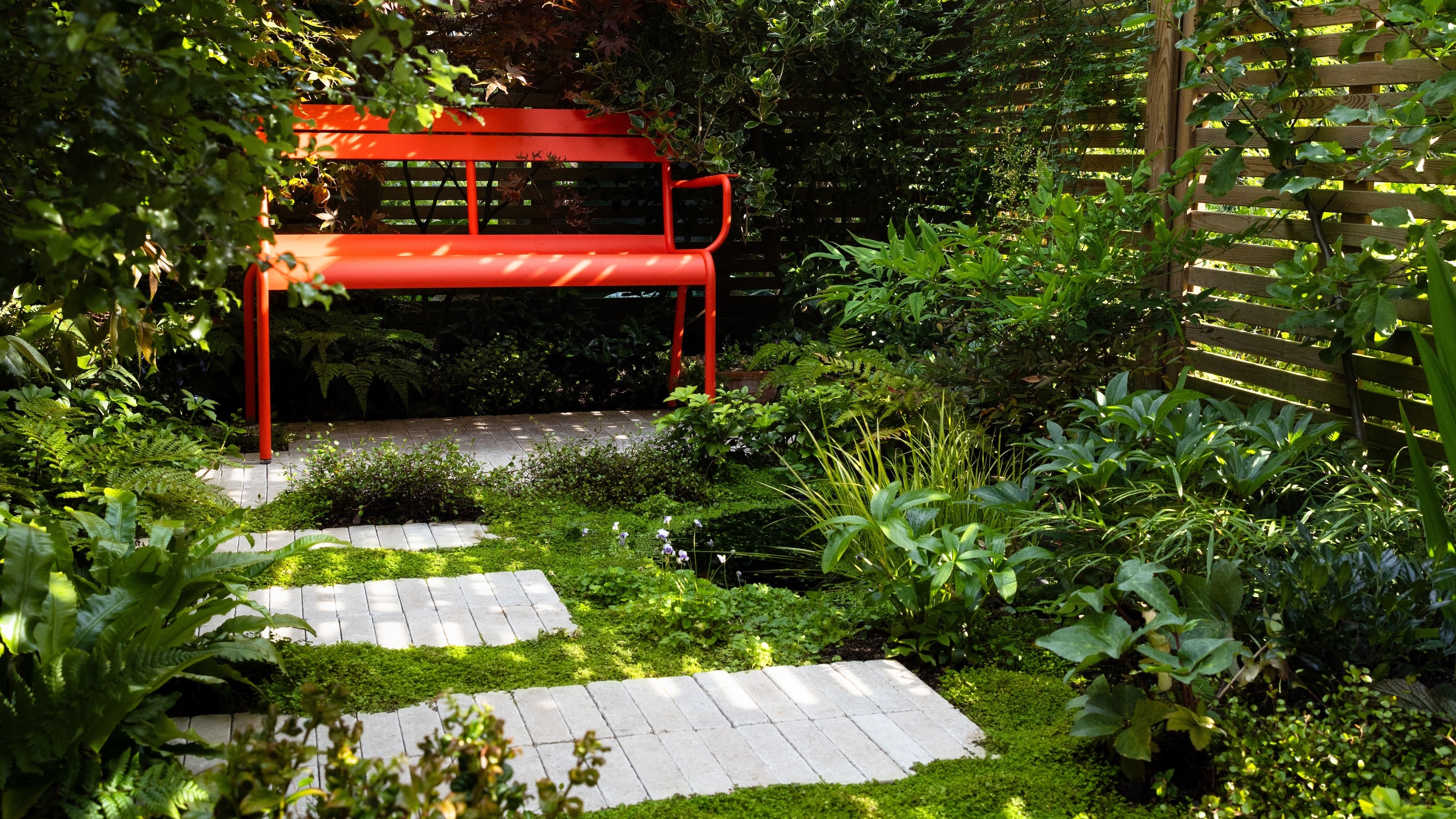
Paths guide movement and make maintenance easier. Choose materials that complement your garden’s style. Gravel, stepping stones, or wood chips work well in shade gardens. Keep paths narrow to preserve space but wide enough for comfort. Edging separates garden areas and enhances visual appeal. Use materials like stones, bricks, or metal for a clean look. Edging prevents plants from spreading and keeps your garden tidy.
Credit: www.livingetc.com
Enhancing Visual Appeal
Transform a small shade garden with vibrant colors and textures. Choose shade-loving plants like ferns and hostas. Add decorative elements such as stones and wooden benches for a cozy feel.
Enhancing Visual Appeal Designing a small shade garden is a delightful challenge. While these spaces might seem limited, they offer an opportunity to create an intimate, enchanting retreat. Enhancing visual appeal is key to transforming your shade garden into a tranquil oasis.Using Color And Texture
Color and texture play crucial roles in your garden’s aesthetics. In shaded areas, vibrant foliage can provide the burst of color that flowers typically offer. Consider plants like hostas, ferns, and coleus that thrive in shade and exhibit a variety of hues and textures. Mixing different leaf shapes and sizes can add depth and interest. Imagine the lush, broad leaves of a hosta paired with the feathery fronds of a fern. It’s a visual feast that keeps the eye moving and the heart engaged. Have you ever noticed how contrasting textures can make colors pop even more?Adding Decorative Elements
Decorative elements can transform any garden corner into a focal point. Think about adding a charming bench, a birdbath, or even a small sculpture. These features not only enhance visual appeal but also offer functionality and personal touch. Consider incorporating decorative stones or gravel pathways to guide visitors through your garden. These elements can create an inviting journey, drawing attention to your favorite plants. What story does your garden tell with its design choices? Wind chimes or small lanterns can add an auditory or lighting dimension to your garden. Imagine sitting quietly, listening to gentle chimes, surrounded by the whispering leaves of your shade garden. What could be more peaceful?Maintaining Your Shade Garden
Designing a small shade garden involves choosing plants that thrive in low light. Use compact shrubs and ground covers to maximize space. Consider adding a seating area for relaxation.
Maintaining a shade garden requires a delicate balance of care and attention. Unlike sunlit gardens, shade gardens demand specific techniques to ensure they thrive. With the right maintenance, your shaded oasis can become a lush retreat for you and local wildlife. Let’s delve into the essential practices to keep your shade garden healthy and vibrant.Watering And Soil Care
Watering a shade garden can be tricky. Shaded areas often retain moisture longer, reducing the need for frequent watering. However, it’s crucial to monitor the soil’s moisture level to avoid overwatering. Consider using a moisture meter to check the soil’s dampness. This tool can help you decide when your plants genuinely need water. Regularly check the topsoil and water when it feels dry to the touch. Soil care is equally vital. Shade gardens benefit from rich, well-drained soil. Add organic matter like compost to enhance soil quality and provide essential nutrients. This practice not only improves soil structure but also supports beneficial microorganisms.Pruning And Plant Health
Pruning is essential for maintaining plant health in a shade garden. Regular trimming prevents overcrowding and promotes air circulation. This helps reduce the risk of fungal diseases, which thrive in damp, shaded conditions. Focus on removing dead or damaged foliage. This encourages new growth and keeps your garden looking tidy. Ensure your pruning tools are sharp and clean to prevent plant damage and disease spread. Consider the health of your plants. Pay attention to signs of pests or disease. Early detection and treatment can save your plants from extensive damage. Are any leaves discolored or wilting? Address these issues promptly to maintain your garden’s vibrancy. Maintaining your shade garden may seem challenging at first, but with consistent care and attention, it will flourish. What new techniques will you try to enhance your garden’s beauty?
Credit: amateurgardening.com
Addressing Common Challenges
Creating a small shade garden involves careful planning of plant selection and layout. Choose shade-loving plants like ferns and hostas. Consider soil quality and moisture levels for healthy growth.
Designing a small shade garden comes with its own set of challenges. These can include dealing with pests and managing fungal issues. Overcoming these hurdles ensures a thriving and healthy garden. Let’s explore solutions to these common problems.Dealing With Pests
Pests can cause serious damage in a shade garden. Slugs and snails are common culprits. They love the damp conditions and can eat through plant leaves. To manage them, consider organic methods. Use barriers like crushed eggshells around plants. They deter slugs and snails effectively. Introducing natural predators like birds can help too. Bird feeders attract them to your garden. Insecticidal soaps provide a chemical-free option. Apply them directly on affected plants. They help control aphid infestations. Regular checks help catch problems early. Inspect leaves for any signs of damage.Managing Fungal Issues
Fungal issues thrive in damp, shady areas. It’s crucial to manage moisture levels. Overwatering can lead to mildew and root rot. Ensure proper drainage in your garden. Mulching helps retain moisture but avoid over-mulching. It can trap moisture and encourage fungi. Choose mulch materials like bark or wood chips. They allow better air circulation. Fungicides can be used for severe cases. Always follow instructions for safe use. Pruning is important to prevent fungal growth. Remove any dead or diseased leaves promptly. This keeps plants healthy and prevents spread.
Credit: uk.style.yahoo.com
Frequently Asked Questions
What Plants Thrive In Shade Gardens?
Plants like ferns, hostas, and astilbes thrive in shade gardens. They require less sunlight and add vibrant foliage. Choose native shade-loving species for your garden to ensure healthy growth and minimal maintenance. Incorporating various textures and colors can create an appealing and diverse shade garden landscape.
How Can I Maximize Space In A Small Garden?
Use vertical gardening techniques like trellises and hanging pots to maximize space. Opt for compact plants and staggered planting. Consider tiered or raised beds to utilize space efficiently. Proper planning and layout can make your small shade garden feel larger and more functional.
What Soil Is Best For Shade Gardens?
Shade gardens thrive in well-drained, nutrient-rich soil. Amend the soil with organic matter like compost for better growth. Ensure proper aeration to prevent root rot. Consistent moisture is key, but avoid waterlogging. Test soil pH and adjust as needed to suit specific plant requirements.
How Do I Control Pests In Shade Gardens?
Use natural pest control methods like neem oil or insecticidal soap. Introduce beneficial insects like ladybugs. Regularly inspect plants for early signs of infestations. Maintain garden hygiene by removing debris and diseased plants. Companion planting can also deter common garden pests effectively.
Conclusion
Creating a small shade garden can be simple and rewarding. Choose plants that thrive in low light. Add paths and seating for relaxation. Use containers for flexibility in design. Consider textures and colors to add interest. Keep maintenance easy with mulch and proper watering.
A small shade garden offers a peaceful retreat. Enjoy the beauty and tranquility it brings. With thoughtful planning, your garden will flourish. Embrace the calm and cool of shaded spaces. Let nature inspire your design choices. Your small garden can become a personal oasis.
Happy gardening!







