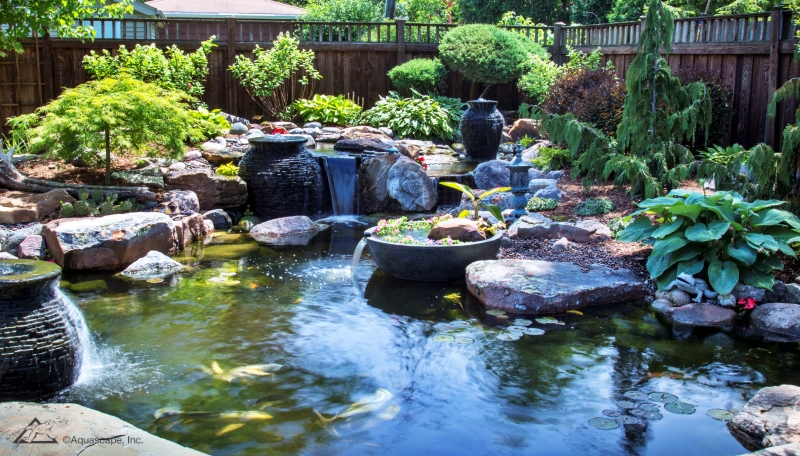
Imagine stepping into your backyard and being greeted by the soothing sound of water gently cascading into a small pond. Picture the vibrant plants and colorful fish, all creating a serene oasis right outside your door.
Designing a small garden pond is easier than you might think, and it can transform your outdoor space into a tranquil retreat. You don’t need a sprawling garden or extensive landscaping skills. With a bit of creativity and planning, you can craft a pond that fits perfectly into your yard and reflects your personal style.
As you read on, you’ll discover practical tips and inspiring ideas to help you design the perfect pond for your garden, making it a delightful focal point that draws you and your guests to its calming presence. Dive in to uncover how you can create a peaceful sanctuary that brings nature’s beauty into your everyday life.
Choosing The Right Location
Selecting a spot with ample sunlight ensures a thriving ecosystem. Avoid areas with overhanging trees to minimize debris. Accessibility for maintenance and a clear view from your home enhance enjoyment.
Choosing the right location for your small garden pond is crucial. It impacts the pond’s health and its visual appeal. A well-chosen spot can enhance your garden’s beauty. Consider sunlight, shade, soil, and drainage. These factors ensure the pond thrives.Assessing Sunlight And Shade
Sunlight affects pond temperature and plant growth. Too much sun can overheat the water. This harms fish and plants. Choose a spot with balanced sunlight. Partial shade helps maintain a stable temperature. Observe the garden at different times. Note where shadows fall. Trees and structures provide natural shade.Evaluating Soil And Drainage
Good soil supports pond construction. Check the soil type in your garden. Sandy soil drains quickly. Clay retains water. Test soil drainage before digging. Dig a small hole and fill it with water. Monitor how fast it drains. Avoid areas with poor drainage. Waterlogged soil can damage the pond. Healthy soil promotes strong plant roots.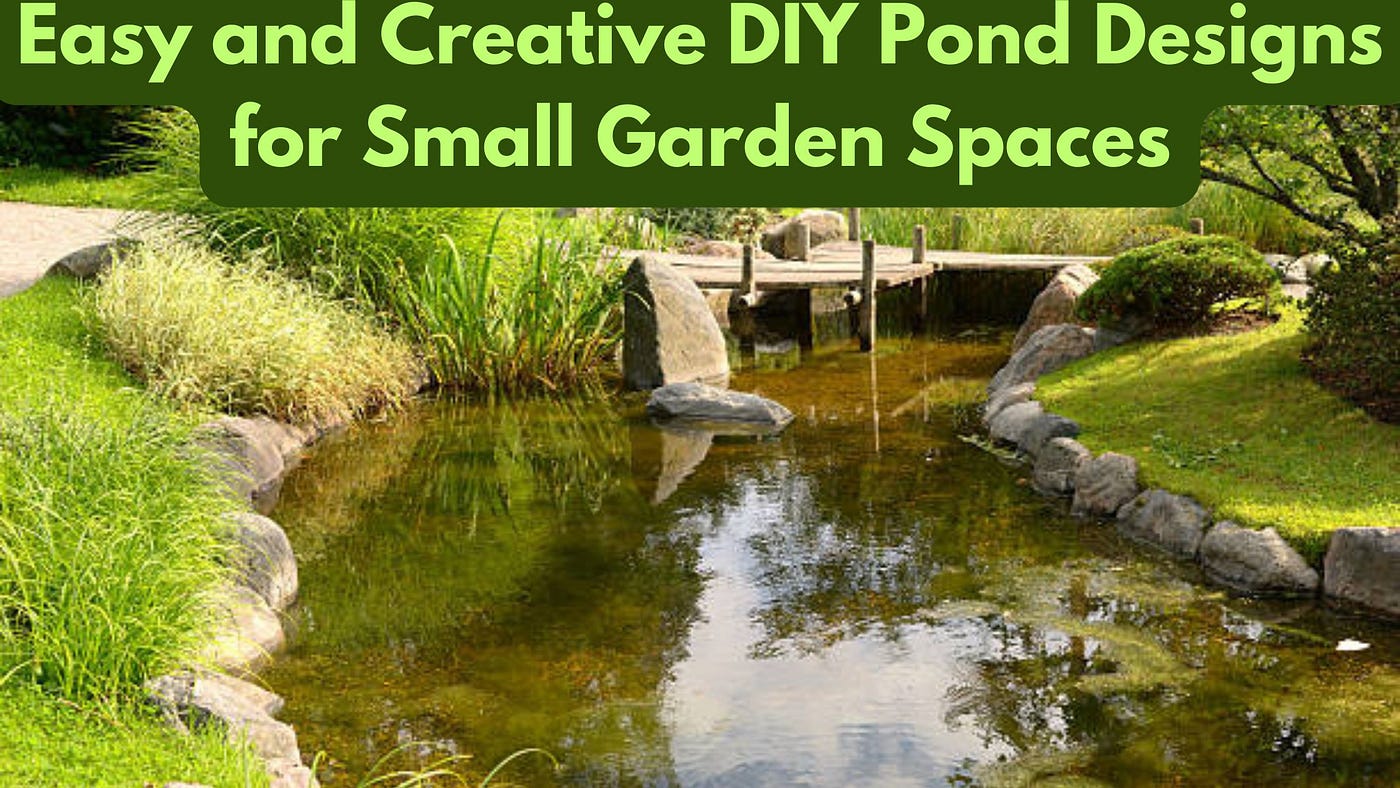
Credit: medium.com
Determining The Size And Shape
Designing a small garden pond requires careful consideration of its size and shape. Think about available space and desired aesthetic. Select a shape that complements your garden’s layout, ensuring it harmonizes with surrounding elements.
Determining the size and shape of your small garden pond is one of the most exciting parts of the design process. It sets the stage for the overall look and feel of your garden oasis. By carefully considering these factors, you can create a pond that not only fits your space but also enhances your garden’s aesthetic and functionality.Space Considerations
Before diving into the design, evaluate your garden space. Measure the area where you plan to place the pond. Consider any existing features like trees or shrubs that may influence the pond’s location. Think about how the pond will fit into the overall layout of your garden. Leave enough room for plants, seating, and pathways around the pond. If your space is limited, consider a smaller, more compact design that still makes a visual impact. A quick tip: Use rope or a garden hose to outline potential shapes and sizes on the ground. This visual aid helps you understand how different designs will look in your garden.Aesthetic And Functional Design
The shape of your pond can significantly affect its aesthetic appeal and functionality. Curved, natural shapes often blend seamlessly into a garden setting. Rectangular or geometric shapes can offer a modern, structured look. Consider the purpose of your pond. Is it mainly for fish, plants, or aesthetic enjoyment? For fish, ensure there’s enough depth and space for them to thrive. For plants, consider areas with varying depths to accommodate different species. Reflect on how the pond will interact with light and shadow throughout the day. A well-placed pond can highlight certain garden features or create a peaceful, shaded retreat. What kind of atmosphere do you want to create in your garden? By thoughtfully choosing the size and shape, you can design a pond that complements your garden beautifully and serves its intended purpose effectively.Selecting Materials And Equipment
Selecting Materials and Equipment Choose durable materials like natural stones for a long-lasting garden pond. Use a reliable liner to prevent leaks. Consider energy-efficient pumps and filters to maintain water quality.
Selecting the right materials and equipment is crucial for a small garden pond. The right choices ensure longevity and ease of maintenance. Thoughtful selection can transform your pond into a tranquil oasis.Pond Liners And Edging
Pond liners are essential for retaining water. They protect the pond from leaks. Choose a durable liner to avoid frequent repairs. Rubber liners are flexible and long-lasting. They can fit various pond shapes. Polyethylene liners are budget-friendly and lightweight. They suit small ponds well. Consider the size and shape of your pond. This will guide the liner choice. Edging adds a neat finish. It prevents soil from slipping into the pond. Stone or brick edges create a natural look. Wood edging gives a rustic feel. Ensure the edging is stable and secure. It should complement the garden style.Pumps And Filtration Systems
Pumps maintain water circulation. They prevent stagnation and algae growth. Choose a pump based on pond size. Submersible pumps are ideal for small ponds. They operate quietly beneath the water. External pumps are more powerful. They suit larger ponds with waterfalls. Filtration systems keep water clean. They remove debris and harmful bacteria. Mechanical filters trap dirt and leaves. Biological filters use bacteria to purify water. Consider a combined system for best results. It ensures clear and healthy pond water. Choose energy-efficient pumps and filters. They reduce operational costs. Check the maintenance requirements before buying. Select systems easy to clean and maintain. This saves time and effort in the long run.Incorporating Aquatic Plants
Incorporating aquatic plants into your small garden pond brings life and color. They provide shade, improve water quality, and offer habitat for wildlife. Selecting the right plants can transform your pond into a vibrant ecosystem.
Choosing Hardy Plant Varieties
Select plants that thrive in your climate. Hardy varieties withstand seasonal changes and require less maintenance. Some popular choices include water lilies, lotus, and pickerelweed. These plants not only beautify your pond but also support its health.
Consider the pond’s depth when choosing plants. Shallow areas suit marginal plants like cattails and rushes. Deeper zones are perfect for submerged species like hornwort. Balancing different plant types creates a dynamic and sustainable environment.
Planting Techniques For Growth
Use planting baskets to keep plants contained. This prevents overgrowth and makes maintenance easier. Fill the baskets with aquatic soil, which is heavy and low in nutrients. This helps plants anchor and grow steadily.
Place the baskets at the correct depth. Ensure plants are submerged to their preferred level. Water lilies, for instance, need deeper water, while marsh marigolds thrive in shallow spots. Adjust the water level as needed to support healthy growth.
Regularly trim dead leaves and stems. This encourages new growth and keeps the pond tidy. Remove debris to maintain clear water and prevent algae buildup. With these techniques, your aquatic plants will flourish, enhancing the beauty of your garden pond.
Adding Fish And Wildlife
Designing a small garden pond can attract fish and wildlife, creating a lively ecosystem. Choose native plants and fish to support local biodiversity. Adding rocks and plants offers shelter for wildlife, enhancing the pond’s natural beauty.
Adding a touch of life to your small garden pond can transform it into a vibrant ecosystem. Fish and wildlife not only enhance the beauty but also contribute to the pond’s health. Let’s explore how you can integrate these elements seamlessly.Choosing Compatible Fish Species
Selecting fish for your pond requires careful consideration. Opt for species that thrive in small spaces and are hardy. Goldfish are popular for small ponds due to their adaptability and colorful appearance. Koi can be a stunning choice but require more space and care. Make sure the water temperature suits the fish you choose. Consider the pond size and depth before adding fish. Overcrowding can lead to stress and health issues for fish.Attracting Beneficial Wildlife
Wildlife can play a crucial role in maintaining pond balance. Birds, frogs, and dragonflies are beneficial visitors. Plant native flowers around the pond to invite pollinators. Create shallow areas to provide habitats for frogs and other amphibians. Install rocks or logs for birds to perch on. These additions can help in controlling pests naturally. Wildlife can enhance the pond’s ecosystem and beauty.
Credit: www.facebook.com
Maintaining Water Quality
Designing a small garden pond requires planning for water quality. Consider proper filtration and natural plants to maintain clear water. Regular cleaning and monitoring help prevent algae growth and keep the ecosystem balanced.
Maintaining water quality is essential for a healthy small garden pond. It ensures the well-being of plants and aquatic life. A balanced pond prevents algae growth and other water issues. Regular attention keeps your pond clear and beautiful.Regular Cleaning And Upkeep
Remove debris like leaves and twigs from the pond surface. Use a net or skimmer for easy removal. Clean the pond filter regularly to ensure efficient operation. Check for any build-up and clear it out. Trim overgrown plants around the pond’s edge. This prevents organic matter from falling into the water.Monitoring Water Parameters
Test water parameters weekly for pH, ammonia, and nitrates. Use a pond water test kit for accurate readings. Adjust pH levels with safe products if necessary. Keep ammonia and nitrate levels low for healthy fish. Maintain a consistent check to ensure stable water conditions. Regular monitoring prevents harmful water imbalances.Enhancing Aesthetic Appeal
Designing a small garden pond can elevate the beauty of your outdoor space. With well-chosen plants and rocks, create a tranquil oasis. Enhance the pond’s appeal by adding fish or a gentle waterfall for soothing sounds.
Enhancing the aesthetic appeal of your small garden pond can transform a simple water feature into a stunning focal point. The right combination of decorative elements and thoughtful landscaping will not only enhance visual charm but also create a serene ambiance. Personalizing these aspects to suit your style can turn your garden into a tranquil retreat.Decorative Features And Lighting
Adding decorative features can elevate the visual appeal of your pond. Consider incorporating natural elements like rocks and driftwood for a rustic touch. A small statue or a water fountain can add an artistic flair. Lighting plays a crucial role in enhancing beauty, especially at night. Install solar-powered LED lights around the perimeter or underwater to create a magical glow. Subtle illumination can highlight key features and ensure your pond remains a captivating sight after dark.Creating A Harmonious Landscape
A harmonious landscape is essential for a visually appealing garden pond. Start by selecting plants that complement each other in color and height. Marginal plants like water lilies can soften the edges, while taller grasses can provide a backdrop. Think about the overall color scheme and how it blends with your existing garden. Use plants with varied textures to add depth and interest. A cohesive design will ensure your pond naturally fits into the surrounding landscape. Have you considered the view from different angles? Walk around and assess how your pond looks from various spots in your garden. This will help you make adjustments to enhance its aesthetic appeal from all perspectives.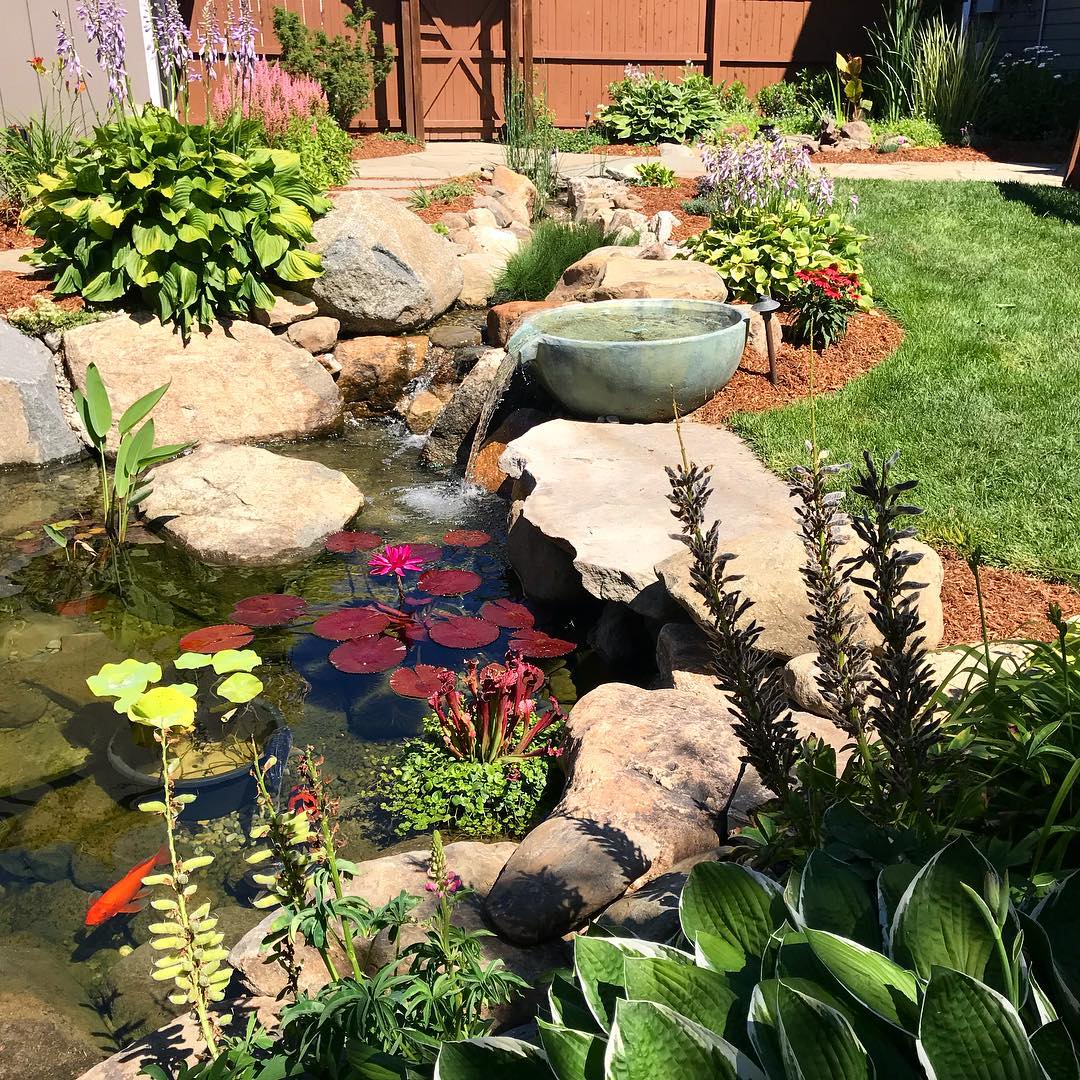
Credit: www.extraspace.com
Frequently Asked Questions
How To Start Designing A Garden Pond?
Begin by selecting a suitable location with adequate sunlight. Measure the area and determine the pond size. Plan the shape and depth, considering the plants and fish you want. Gather necessary materials like liners and pumps. Sketch a design and make a list of required tools.
What Materials Do I Need For A Pond?
You’ll need a pond liner, pump, filter, and stones. Aquatic plants and fish are optional but enhance the pond’s beauty. Consider adding solar lights for ambiance. Ensure you have appropriate tools for digging and installation. Sand and gravel are useful for pond stability and aesthetic.
How Much Maintenance Does A Pond Require?
Maintenance is manageable with regular care. Clean filters and remove debris weekly. Check water levels and quality monthly. Trim plants and manage algae. Ensure pumps and filters are functioning. Regular observation keeps your pond healthy and beautiful.
Can I Add Fish To My Garden Pond?
Yes, fish can be added to enhance your pond’s ecosystem. Choose species suitable for your climate and pond size. Ensure proper filtration and oxygenation. Introduce fish gradually to minimize stress. Regularly monitor water quality for their health and well-being.
Conclusion
Creating a small garden pond is a rewarding project. It adds beauty and life to your garden. Choose the right spot for sunlight and shade. Select appropriate plants and fish for balance. Ensure proper water filtration to keep it clean.
Regular maintenance keeps the pond healthy and attractive. Enjoy the peaceful sound of water in your garden. Invite nature right to your doorstep. A small pond transforms any garden into a serene oasis. With careful planning, your garden pond will thrive.
Take the first step and enjoy a beautiful pond today!