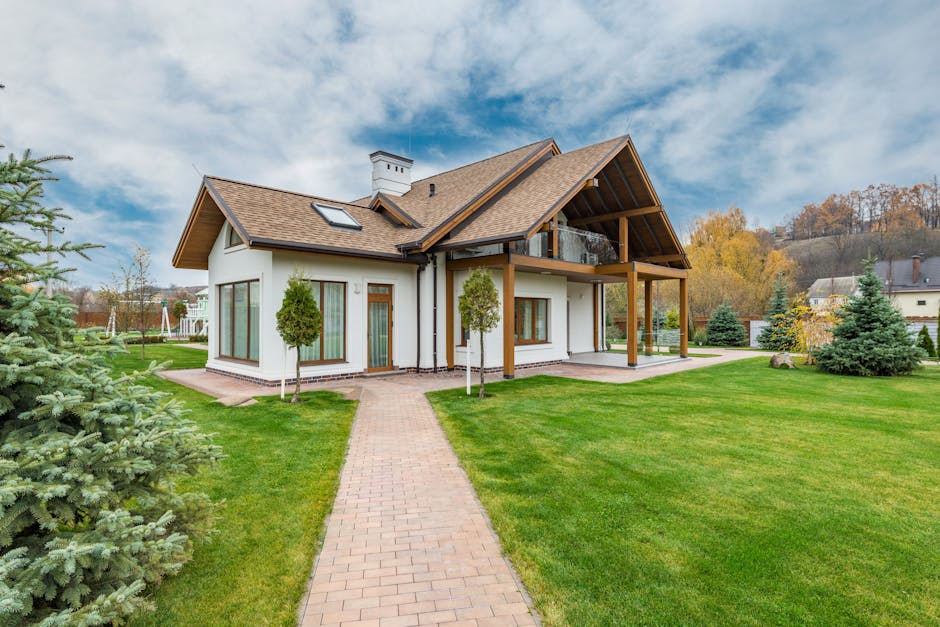
Imagine stepping into your backyard and feeling like you’re in a personal oasis, even if the space is small. Designing a small garden can be a delightful challenge that brings immense joy and satisfaction.
Whether you want to create a serene escape or a vibrant gathering spot, a well-planned garden can transform your outdoor space into a sanctuary. You might be wondering where to start or how to make the most of your limited area.
That’s where our comprehensive guide, “How to Design a Small Garden Pdf,” comes in handy. This guide is packed with easy-to-follow steps and practical tips that empower you to create the garden of your dreams. You’ll discover techniques to maximize space, choose the right plants, and incorporate design elements that reflect your personality. Don’t let the size of your garden limit your imagination. Dive into the article and unlock the secrets to crafting a small garden that feels expansive and lush. Your ideal garden is just a few steps away. Let’s turn that dream into reality!
Choosing The Right Layout
Designing a small garden requires choosing a practical layout that maximizes space and enhances beauty. Consider paths and plant placement for easy access and visual appeal. Utilize vertical space and integrate multi-functional elements to create an inviting garden oasis.
Choosing the Right Layout Designing a small garden can be both an exciting and daunting task. The key to success lies in choosing the right layout. This decision sets the foundation for your entire garden project, influencing not just aesthetics but also functionality. The right layout maximizes your available space, making it both beautiful and practical. Whether you dream of a cozy retreat or a vibrant display of flowers, the layout is where it all begins. Let’s dive into how you can choose the best layout for your small garden.Assessing Space And Shape
Begin by evaluating the space you have. Measure the dimensions and take note of any irregular shapes. This helps you understand the potential and limitations of your garden area. Think about the sunlight your space receives. Where are the sunny spots? Identifying these will help you decide where to place sun-loving plants. Are there any existing features like trees or paths? Consider how they can be incorporated into your design. Sometimes, working with what’s already there can enhance your garden’s charm.Maximizing Functionality
Decide on the primary function of your garden. Is it for relaxation, entertaining guests, or growing vegetables? Knowing this will guide your layout choices. Use vertical space to your advantage. Trellises or hanging planters can add greenery without taking up ground space. Consider dividing your garden into zones. A small seating area, a plant bed, and a path can coexist harmoniously. Think about how you move through the space and plan accordingly. Reflect on gardens you’ve admired. What elements did they have that you loved? Use those insights to inspire your layout choices. Designing a small garden is not just about fitting everything into a tight space. It’s about creating a delightful and functional oasis that reflects your personal style. What will your garden say about you?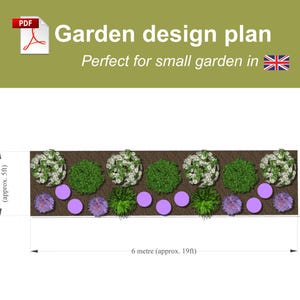
Credit: www.etsy.com
Selecting Plants For Small Spaces
Designing a small garden? Choose compact plants that thrive in limited spaces. Consider vertical gardens and container plants for versatility and charm.
Designing a small garden can be a delightful project if you make smart choices, especially with plant selection. Small spaces require thoughtful planning to maximize beauty and utility. Choosing the right plants can transform your compact garden into a vibrant oasis. So, how do you make the most of your limited space?Choosing Low-maintenance Varieties
In small gardens, opting for low-maintenance plants can save time and effort. Look for plants that thrive in your local climate and don’t require constant care. Think about hardy succulents, which are perfect for those with a busy lifestyle. Consider perennials that return each year without replanting. They often require less attention, allowing you to enjoy a beautiful garden without constant upkeep. Herbs like rosemary and thyme are not only low-maintenance but also offer culinary benefits. They can easily fit into small spaces while providing a fresh fragrance and flavor to your dishes.Incorporating Vertical Gardening
Vertical gardening is a fantastic way to maximize space in a small garden. It involves growing plants upwards rather than outwards, utilizing structures like trellises or wall planters. Imagine a wall filled with cascading flowers or lush green foliage. Using vertical space adds depth and dimension to your garden, making it feel larger and more dynamic. Select climbers like ivy or jasmine, which can elegantly drape over structures. They create a striking visual effect and can even provide shade or privacy. Have you considered hanging baskets or tiered planters? These can house a variety of plants, from trailing vines to vibrant blooms, and are perfect for adding layers of interest to your small garden. Taking the time to choose the right plants and techniques will help you create a stunning garden. What plants will you choose to transform your space?Creating Focal Points
Creating focal points in a small garden enhances its visual appeal. Use contrasting colors or unique garden features to draw attention. Incorporate elements like water features, sculptures, or vibrant plants to create interest and depth.
Creating a focal point in a small garden transforms the space. It draws the eye and enhances the garden’s charm. Focal points create interest and lead visitors on a visual journey. Let’s explore ways to design captivating focal points in your garden.Using Color And Texture
Color and texture play vital roles in garden design. Choose vibrant plants to add splashes of color. Mix different textures for depth and dimension. Use contrasting colors to catch the eye. Pair smooth leaves with rough bark for a dynamic look. Consider seasonal changes for year-round appeal.Incorporating Water Features
Water features add tranquility and elegance to gardens. Small fountains or birdbaths make excellent focal points. Choose a design that complements your garden style. Flowing water provides soothing sounds. Reflective surfaces enhance natural light. Position water features where they can be admired. Keep maintenance needs in mind when selecting designs.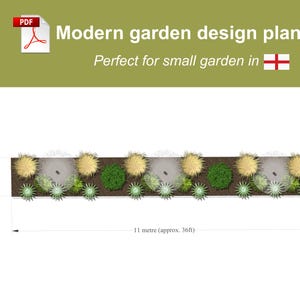
Credit: www.etsy.com
Optimizing Light And Shade
Designing a small garden involves optimizing light and shade to create a harmonious environment. Proper arrangement of plants can enhance growth and beauty. With strategic planning, even limited spaces can transform into lush retreats.
Optimizing light and shade in your small garden can transform a humble space into a lush oasis. Think of your garden as a canvas, where light and shade are the paints. Balancing these elements will not only elevate the aesthetic appeal but also enhance the health of your plants. Let’s dive into the essentials of understanding light patterns and choosing shade-tolerant plants.Understanding Light Patterns
Understanding how sunlight moves through your garden is crucial. Spend a few days observing which areas receive direct sunlight and which spots remain in the shade. Consider using a simple map to track the sun’s journey across your garden. This can help you identify the best areas for sunlight-loving plants. Think about the time of day. Morning sun is gentler, while afternoon sun can be harsh. Knowing this helps you decide where to place plants that require different light levels.Choosing Shade-tolerant Plants
Shade-tolerant plants are your allies in dim corners. Look for hardy varieties that thrive without full sunlight. Hostas and ferns are excellent choices. They flourish in the shade, adding texture and greenery to your garden. Mixing shade-tolerant plants with others can create a layered effect. This adds depth and richness to your garden design. Remember, a small garden can be a haven of tranquility with the right balance of light and shade. How will you optimize yours?Incorporating Hardscape Elements
Enhance small garden designs with hardscape elements like stone pathways and wooden benches. These additions create structure and aesthetic appeal. They also help define spaces, making gardens more functional and visually pleasing.
Incorporating hardscape elements into your small garden can elevate its charm and functionality. Hardscaping involves the non-living features of your garden such as pathways, patios, and seating areas. These elements provide structure and a sense of permanence, transforming a simple garden into an inviting retreat.Selecting Paths And Paving
Choosing the right paths and paving is crucial in enhancing both the aesthetics and usability of your garden. Consider using materials that complement the style of your home. Natural stone or brick can add a rustic touch, while sleek concrete or tiles offer a modern vibe. Think about the flow of your garden. Paths should guide visitors naturally from one area to another, creating a seamless journey. This can be especially useful in a small garden where every inch counts. Have you ever considered using gravel for its simplicity and affordability? It’s easy to install and can be a perfect DIY project. Remember, the path is not just about functionality; it can also be an artistic statement.Adding Seating Areas
Seating areas transform your garden into a space for relaxation and socialization. Even in a small garden, a well-placed bench or a couple of chairs can create a cozy nook. Think about the purpose of your seating area. Is it a spot for morning coffee, or a place to entertain guests? Each purpose might require a different setting or furniture style. Consider using materials that withstand the elements. Teak or metal might be a good choice for durability. Or, if you prefer a softer look, try weather-resistant cushions on wooden seats. Adding a pergola or an umbrella can provide shade and comfort. Have you ever sat under a pergola covered in climbing roses? It can turn a simple seating area into a romantic escape. By thoughtfully selecting paths and paving, and carefully adding seating areas, you can create a small garden that feels larger and more inviting. What hardscape element will you add to your garden first?Enhancing Privacy And Ambiance
Enhancing privacy and ambiance in a small garden can transform the space. It creates a personal oasis where you can relax and unwind. By using smart design techniques, you can make your garden feel secluded and inviting. Let’s explore some effective ways to achieve this.
Using Fences And Screens
Fences and screens provide essential privacy in small gardens. They define boundaries and block unwanted views. Choose materials that match your garden style. Wood, bamboo, or metal can all be effective. Position them strategically to create secluded areas. Use climbing plants to soften hard lines and add greenery. This natural touch enhances the garden’s charm.
Incorporating Lighting Solutions
Lighting plays a key role in garden ambiance. It extends garden use into the evening. Soft lighting creates a warm and inviting atmosphere. Use solar lights for an eco-friendly option. Place them along pathways and around seating areas. String lights add a magical touch overhead. Highlight special features like trees or sculptures with spotlights. This adds depth and drama to your garden at night.
Sustainable Gardening Practices
Sustainable gardening practices are essential for a thriving small garden. They help preserve the environment and save resources. These practices focus on using natural resources wisely. By adopting them, you can create a garden that is both beautiful and eco-friendly. Let’s explore some key sustainable practices.
Water Conservation Techniques
Water is a precious resource. Use it wisely to maintain your garden. Install a rainwater harvesting system. It collects rainwater for later use. Drip irrigation systems can help water plants efficiently. They deliver water directly to the roots. Mulching is another helpful technique. It retains soil moisture and reduces evaporation.
Composting And Soil Health
Healthy soil is the backbone of any garden. Composting enriches soil and reduces waste. Use kitchen scraps and garden waste to make compost. This natural fertilizer boosts soil nutrients. It encourages plant growth. Adding organic matter improves soil structure. It enhances water retention and supports beneficial microbes.
Seasonal Maintenance Tips
Designing a small garden? Focus on seasonal maintenance. Trim plants, clean tools, and prepare soil for planting. Efficient upkeep keeps your garden thriving year-round.
Seasonal Maintenance Tips Designing a small garden is only the beginning. To keep it thriving throughout the year, seasonal maintenance is essential. By adopting a proactive approach, you ensure your garden remains vibrant and healthy, no matter the season. Let’s explore some key tips that will help you maintain your garden effectively.Pruning And Trimming
Regular pruning and trimming play a crucial role in maintaining the health and aesthetics of your garden. By removing dead or overgrown branches, you allow new growth and improve air circulation. This simple practice can prevent diseases and pests. A friend once told me how she transformed her small garden by dedicating just a few minutes each week to pruning. Her roses bloomed more abundantly, and her garden became a haven for butterflies. Have you considered setting a regular schedule for pruning? It can make a noticeable difference in your garden’s appearance and vitality.Preparing For Weather Changes
Weather changes can be unpredictable, but you can prepare your garden to withstand them. Mulching is an effective way to protect your plants from extreme temperatures. It also helps retain moisture and suppress weeds. During a particularly hot summer, I added a layer of mulch around my plants. Not only did it keep them cool, but it also reduced my watering needs. Think about how you can adapt your garden to the changing seasons. Are there areas that need extra protection or reinforcement? A little foresight can save you a lot of trouble down the road.Tools And Resources
Discover essential tools and resources for designing a small garden in this helpful PDF. Learn about soil types, plant selection, and layout techniques to create a beautiful outdoor space. Perfect for beginners looking to enhance their gardening skills.
Designing a small garden requires the right tools and resources. These essentials will help you plan and cultivate your garden effectively. Understanding what you need can make the process smoother and more enjoyable. Whether you’re starting from scratch or enhancing an existing space, having the correct items at hand will make a big difference.Essential Gardening Tools
Invest in quality gardening tools for a successful garden. Here are some basics:- Hand Trowel: Perfect for planting and digging.
- Garden Fork: Ideal for turning soil and aerating.
- Pruning Shears: Keeps plants healthy with regular trimming.
- Watering Can: Essential for watering small areas.
- Gloves: Protects your hands from dirt and thorns.
Recommended Reading And Apps
Expand your gardening knowledge with books and apps. These resources provide valuable insights and tips.- Books:
- “The Small Garden Handbook” – Offers practical advice for small spaces.
- “Gardening Basics” – A beginner’s guide to successful gardening.
- Apps:
- Garden Planner – Helps you design and organize your garden layout.
- Plant Identifier – Recognizes plants and offers care tips.

Credit: www.elledecor.com
Frequently Asked Questions
What Tools Are Needed For Small Garden Design?
To design a small garden, you’ll need basic tools like a spade, trowel, pruners, and garden hose. Consider using a sketchpad or garden design software to plan layouts. Additionally, measuring tape helps define dimensions, while gloves protect your hands. These tools ensure efficient and effective garden design.
How To Maximize Space In A Small Garden?
Maximize space by using vertical planting techniques and tiered planters. Choose compact, multi-functional plants, and consider container gardening. Incorporate mirrors and reflective surfaces to create an illusion of more space. Prioritize open pathways and declutter regularly to maintain an organized look.
What Plants Are Best For Small Gardens?
Opt for compact, low-maintenance plants like herbs, succulents, and dwarf shrubs. Perennials like lavender and ornamental grasses add beauty without overwhelming space. Consider climbers like clematis or ivy for vertical interest. Choose plants that provide seasonal color and fragrance to enhance the garden’s appeal.
Can Small Gardens Be Low-maintenance?
Yes, small gardens can be low-maintenance with the right planning. Select drought-tolerant plants and use mulch to retain moisture. Install drip irrigation systems for efficient watering. Choose hardscaping elements like gravel paths or paved areas to reduce mowing. Group plants with similar care needs for easier maintenance.
Conclusion
Designing a small garden can be both fun and rewarding. A well-planned space offers relaxation and beauty. Focus on simple layouts and smart plant choices. Use vertical spaces to maximize room. Remember, every plant needs care and attention. Small gardens can reflect personal style.
Add colorful flowers or calming greenery. Use pathways to guide the eye. Keep it tidy and organized. A little creativity goes a long way. Enjoy your garden journey. Let nature inspire your space. With these tips, create a garden you love.
Happy gardening!







