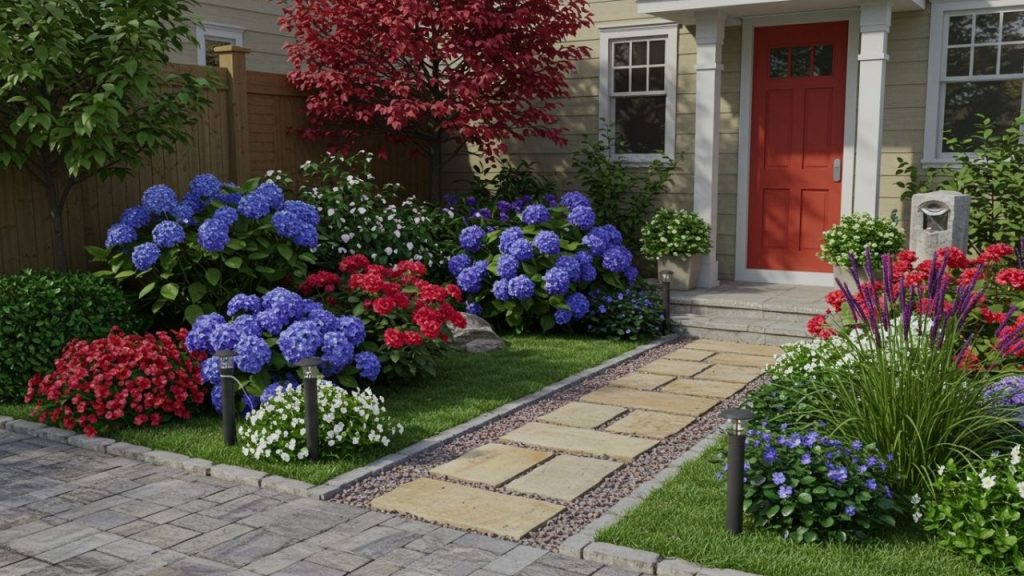
Imagine stepping into a serene oasis every time you walk up to your home. Your small front yard garden can be transformed into a delightful and inviting space with just a few thoughtful design choices.
Whether you’re a seasoned gardener or a complete novice, creating a charming front yard doesn’t have to be daunting. You have the power to make a lasting first impression on visitors while boosting your home’s curb appeal. Are you ready to learn how to maximize your small space and infuse it with personality and beauty?
This article will guide you through practical tips and creative ideas that will help you design a small front yard garden that feels expansive and welcoming. Dive in and discover how you can make the most of every square inch, turning your front yard into a stunning visual masterpiece that speaks to your style.

Credit: www.youtube.com
Choosing The Right Plants
Selecting suitable plants enhances small front yard gardens. Consider climate, sunlight, and maintenance needs for best results. Opt for colorful blooms and varying heights for visual appeal.
Choosing the right plants for your small front yard garden can transform it into a vibrant and inviting space. The selection process is crucial, as it will determine how your garden looks throughout the year and how much time you need to maintain it. By considering factors like native species, seasonal blooms, and low-maintenance options, you can create a garden that thrives with minimal effort and maximum impact.Native Plant Selection
Opting for native plants is a wise choice for any garden, especially small front yards. They are adapted to your local climate and soil conditions, meaning they require less water, fertilizers, and pesticides. This not only saves you time but also supports local wildlife. Imagine stepping into your garden and seeing butterflies fluttering around because you’ve planted milkweed or goldenrod. Native plants can offer this simple joy. They also tend to be more resilient to local pests and diseases, ensuring your garden remains healthy and vibrant.Seasonal Blooms
A garden that changes with the seasons keeps the landscape interesting and engaging. By choosing plants that bloom at different times of the year, you ensure your garden is never dull. Consider early spring bulbs like crocuses, summer perennials such as coneflowers, and fall favorites like asters. Think about how the colors and textures will change. Picture a burst of pinks and purples in spring, shifting to yellows and reds in autumn. This variety can make your garden a dynamic backdrop for your home’s exterior.Low-maintenance Options
If you prefer a garden that doesn’t demand constant attention, focus on low-maintenance plants. Look for drought-tolerant species or those that thrive without frequent pruning. Succulents, ornamental grasses, and hardy shrubs like boxwoods are excellent choices. Consider how much time you can realistically dedicate to gardening each week. If your schedule is tight, prioritize plants that can fend for themselves. With these options, you can enjoy a beautiful garden without the stress of daily upkeep. By thoughtfully selecting plants that fit your lifestyle and environment, you can create a small front yard garden that is both stunning and sustainable. What plants will you choose to bring your garden vision to life?Creating A Layout
Designing a small front yard garden begins with creating a thoughtful layout. This step is crucial because it sets the foundation for how your garden will look and function. A well-planned layout can transform a small space into a beautiful oasis that feels larger and more inviting. Let’s explore some essential elements you should consider when crafting your garden layout.
Pathways And Walkways
Pathways and walkways are more than just a means to navigate your garden; they are an opportunity to add character and charm. Think about using materials like gravel, stone, or wood to create distinct paths that lead visitors through your garden. Consider how the pathways will connect different areas, providing easy access and guiding the eye.
Have you ever thought about the impact of a winding path versus a straight one? A curving path can create a sense of mystery and discovery, while a straight path might evoke simplicity and order. Choose the style that best reflects your garden’s personality.
Defining Planting Zones
Dividing your garden into planting zones helps you organize plants based on their needs and aesthetics. Consider sun exposure, soil type, and water availability when defining these zones. This approach allows you to strategically place plants where they’ll thrive.
Imagine creating zones for perennials, annuals, and shrubs. These distinct areas can add visual interest and variety to your garden. You might even designate a zone for herbs or vegetables, turning your front yard into a functional space that offers fresh produce.
Incorporating Vertical Elements
Vertical elements are your secret weapon for maximizing space in a small garden. These include trellises, arbors, and even vertical planters. They draw the eye upward, adding dimension and interest to the garden.
Consider a vertical garden wall filled with cascading flowers, or a simple trellis with climbing vines. These features not only enhance the aesthetic appeal but also create additional planting space. Have you tried using vertical elements to create privacy or hide unsightly views?
By creatively using vertical space, you can make your small garden feel more expansive and lush.
Maximizing Space
Create a small front yard garden by using vertical elements and compact plants. Choose colorful flowers and greenery to add charm. Incorporate paths and stones to define spaces beautifully.
Maximizing space in a small front yard garden requires thoughtful planning. You can create a lush, inviting area by using smart techniques. Every inch counts, so make it work for you. Focus on variety and functionality to enhance beauty and utility. The right design transforms limited space into a charming oasis.Layering Techniques
Layering adds depth and interest to your garden. Use plants of varying heights to create visual layers. Tall plants at the back, medium in the middle, and short ones at the front. This technique makes your garden look fuller. It also helps different plants get sunlight. Choose colors that complement each other for a harmonious look.Using Containers
Containers are versatile and perfect for small spaces. They come in various sizes and materials. Use them to grow flowers, herbs, or small shrubs. Containers can be moved easily, allowing flexibility. Arrange them to create focal points or pathways. They also help manage soil quality and moisture levels.Multi-functional Features
Multi-functional features maximize space efficiently. Consider benches with storage or vertical garden walls. These elements serve dual purposes. They save space while adding beauty and utility. Use garden furniture that doubles as plant stands. These features make your garden practical and stylish.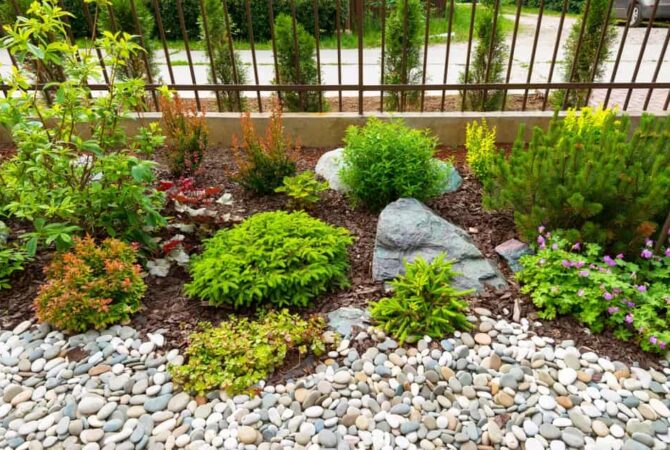
Credit: www.extraspace.com
Design Principles
Creating a small front yard garden involves balancing aesthetics with functionality. Use varied plant heights to add depth and dimension. Incorporate paths for easy access and select low-maintenance plants for year-round appeal.
Designing a small front yard garden can be a delightful endeavor, offering a welcoming first impression of your home. It’s about creating a harmonious space that feels expansive and inviting despite its limited size. The key lies in understanding and applying fundamental design principles that guide the aesthetic and functional elements of your garden. These principles include balance and symmetry, color coordination, and focal points, which together can transform a modest plot into a stunning garden.Balance And Symmetry
Balance is crucial in ensuring your garden feels unified and pleasing to the eye. Think about how you can evenly distribute plants and features to avoid a lopsided look. Symmetry, while not mandatory, can enhance balance, offering a structured and formal appearance. Consider placing similar plants or decorative items on either side of a path or entrance. This creates a mirror effect that naturally draws the eye and instills a sense of order. Even if your garden leans towards an asymmetrical design, maintaining a visual equilibrium will make the space feel harmonious.Color Coordination
Color coordination can dramatically influence the mood and perception of space in your garden. A well-thought-out color palette can make your garden appear larger and more cohesive. Start by choosing a few complementary colors that align with your home’s exterior. Use these colors in your plant selection and garden accessories, such as pots or sculptures. Light colors can make the space feel airy and open, while darker hues can add depth. Mixing vibrant flowers with lush greenery can create a dynamic visual appeal, sparking interest and warmth.Focal Points
Focal points are essential in guiding the viewer’s attention and creating interest in your garden. These can be a stunning plant, a unique sculpture, or even a water feature. Decide on a focal point that reflects your style and complements your overall garden design. Position this element where it naturally draws attention, such as at the end of a path or in the center of a flower bed. A well-placed focal point can create a sense of journey, encouraging visitors to explore the space and discover its beauty. Have you ever considered how a simple birdbath or a charming bench might become the centerpiece of your garden? It’s these unexpected details that can transform a small yard into a personal sanctuary.Incorporating Hardscaping
Incorporating hardscaping adds structure and elegance to small front yard gardens. Use stones, bricks, or pavers to create walkways and borders. These elements define spaces, making them look organized and inviting.
Incorporating hardscaping in a small front yard garden creates structure and style. These elements add functionality and beauty, making the space inviting. Hardscaping can transform the look and feel of your garden. It involves using non-living elements such as paths, walls, and patios. This not only enhances the aesthetic appeal but also adds value to your home. Here are some key aspects to consider when incorporating hardscaping.Materials And Textures
Choosing the right materials is crucial. Stone, brick, and concrete are popular options. Each material offers a unique texture and look. Stone provides a natural feel. Brick adds warmth and charm. Concrete is versatile and durable. Mixing different textures can create visual interest. Consider using gravel for pathways or wooden planks for a rustic touch. Always ensure the materials complement your home’s exterior.Lighting Solutions
Lighting enhances the beauty and safety of your garden. It highlights key features and creates ambiance. Solar lights are energy-efficient and easy to install. Place them along pathways or around seating areas. Use spotlights to showcase trees or sculptures. Soft lighting near the entrance adds a welcoming glow. Experiment with different styles and placements for best results.Water Features
Water features bring tranquility to your garden. A small fountain or birdbath can be a focal point. They attract birds and butterflies, adding life to the garden. Choose a feature that fits the scale of your yard. Ensure it’s easy to maintain and install. The sound of water adds a soothing element, enhancing the garden’s relaxation vibe.Sustainability Practices
Designing a small front yard garden with sustainability in mind offers numerous benefits. It not only helps protect the environment but also creates a thriving ecosystem. Incorporating sustainable practices can make your garden more efficient and eco-friendly. Here are some key strategies to consider.
Water Conservation
Water is a precious resource. Using it wisely in your garden is essential. Install a rain barrel to collect water. This reduces the need for tap water. Drip irrigation systems are another great option. They deliver water directly to plant roots. This minimizes waste and ensures plants get the moisture they need. Mulching is also effective. It helps retain soil moisture and reduces evaporation. Choose drought-resistant plants. They require less water and adapt well to dry conditions.
Organic Gardening
Organic gardening involves natural methods. It avoids synthetic chemicals. Use organic fertilizers like compost or manure. They enrich the soil naturally. Companion planting can deter pests. For example, marigolds repel aphids. Crop rotation keeps soil healthy. It prevents nutrient depletion and reduces disease risks. Hand-picking weeds is labor-intensive but effective. This maintains soil health and reduces chemical use.
Wildlife-friendly Designs
Creating a wildlife-friendly garden supports biodiversity. Incorporate native plants to attract local wildlife. These plants provide food and shelter for insects and birds. Birdhouses and feeders can invite feathered friends. Small ponds or water features attract frogs and beneficial insects. Avoid pesticides to protect wildlife. Instead, encourage natural pest control through predatory insects. This approach keeps your garden healthy and lively.
Maintenance Tips
Design a small front yard garden with low-maintenance plants. Choose native species for easy care. Use mulch to retain moisture and reduce weeds.
Designing a small front yard garden can bring immense joy, but maintaining its beauty requires ongoing care and attention. While creating a garden might be a delightful task, ensuring it thrives is where the real work begins. Proper maintenance not only keeps your garden looking fresh and vibrant, but it also extends the life of your plants and enhances your home’s curb appeal. Here are some effective maintenance tips to keep your small front yard garden flourishing throughout the year.Seasonal Care Routines
Each season brings its own set of challenges and opportunities for your garden. In spring, focus on fertilizing and planting new seeds, taking advantage of the moist soil. Summer requires more frequent watering, especially during heatwaves, to prevent your plants from wilting. In autumn, clear fallen leaves and prepare your garden for the coming cold. Winter might seem like a time to rest, but it’s crucial to protect your plants from frost. Covering delicate plants with burlap can make a big difference.Pruning And Trimming
Regular pruning and trimming are essential for maintaining the shape and health of your plants. Cutting back overgrown branches allows more sunlight and air to reach the inner parts, promoting healthier growth. Consider pruning in late winter or early spring, just before new growth starts. Make sure to use clean, sharp tools to avoid damaging your plants. Remember, every cut is an opportunity for new growth—think of it as a haircut for your garden!Pest And Disease Control
Pests and diseases can quickly turn a thriving garden into a struggle for survival. Keep an eye out for common pests like aphids and slugs, which can wreak havoc on your plants. Use natural remedies like neem oil or insecticidal soap to keep these intruders at bay. For disease control, ensure proper spacing between plants to improve air circulation, reducing the likelihood of fungal infections. Regularly inspect your plants for any signs of trouble, and act promptly to keep your garden healthy. Maintaining a small front yard garden might seem like a lot of work, but the rewards are worth it. With a bit of effort and attention, you can create a beautiful outdoor space that not only enhances your home’s appearance but also provides a sense of accomplishment. What maintenance tips have you found most effective in your gardening journey?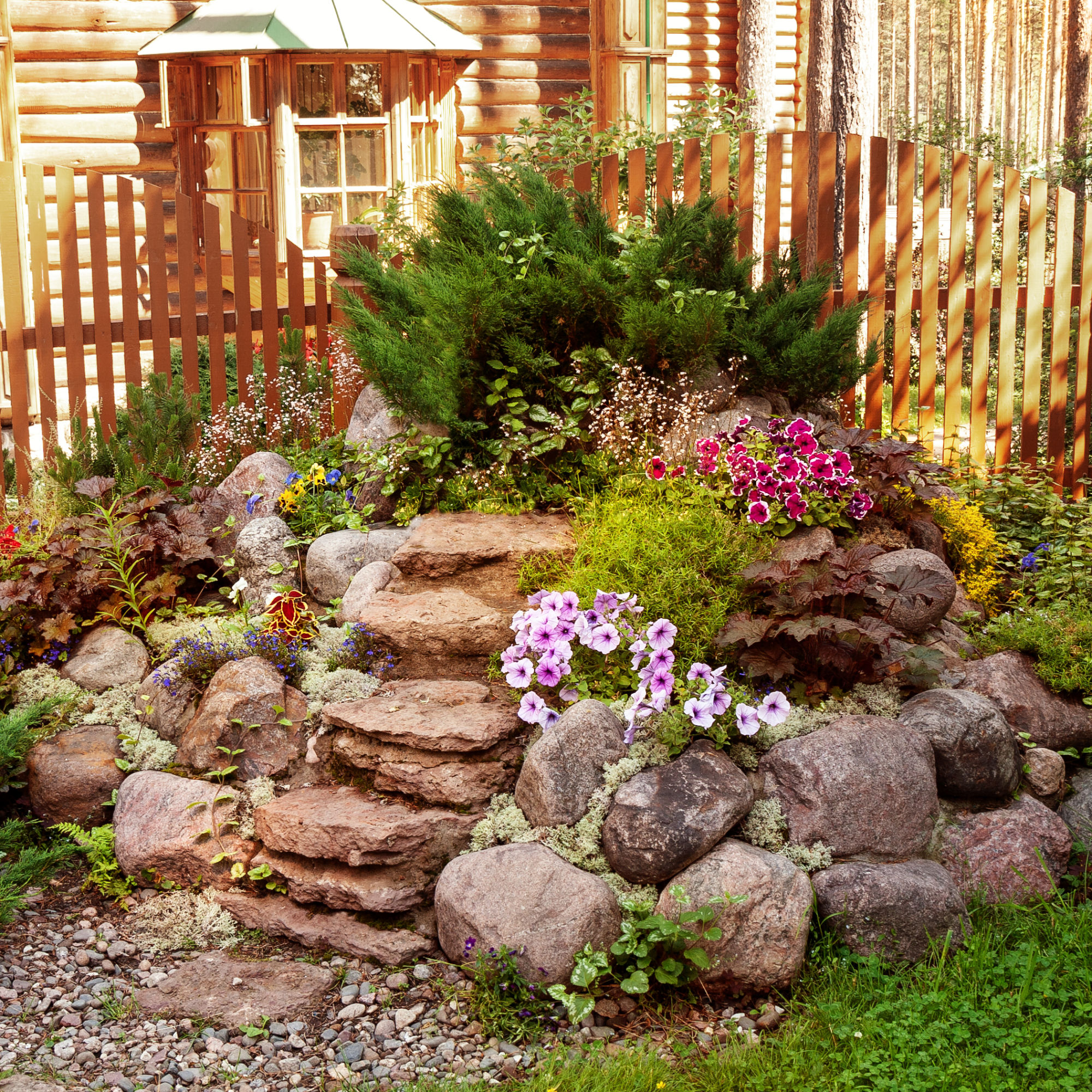
Credit: www.gardeningknowhow.com
Frequently Asked Questions
How Can I Maximize Space In A Small Front Yard?
Maximize space by using vertical gardening techniques. Implement tiered planters and hanging baskets. Choose compact plants that offer multi-season interest. Utilize pathways and borders to create defined areas. Opt for dwarf or slow-growing plant varieties to maintain proportion. Incorporate mirrors or reflective surfaces to create an illusion of more space.
What Are The Best Plants For Small Front Yards?
Choose plants that are compact and low-maintenance. Consider dwarf shrubs like boxwood or ornamental grasses. Perennials such as lavender and hostas work well. Add seasonal color with annuals like petunias or marigolds. Use climbing plants on trellises to add height without taking ground space.
How Do I Create Privacy In A Small Front Yard?
Create privacy using tall plants or hedges as natural screens. Consider installing a decorative fence or trellis. Add tall planters with grasses or bamboo. Utilize lattice panels with climbing vines for coverage. Use strategic placement of garden structures like pergolas or arches to define private areas.
What Materials Are Best For Small Front Yard Paths?
Choose materials that complement your home’s style and garden theme. Gravel and stepping stones are cost-effective and easy to install. Brick and flagstone provide a classic look. Consider permeable pavers for eco-friendly options. Use mulch for informal pathways. Ensure paths are practical for foot traffic and maintenance.
Conclusion
A small front yard garden can transform your home’s appearance. Start with a clear plan and choose the right plants. Consider colors, textures, and plant heights. Use pathways to guide the eye and add interest. Think about maintenance needs and water requirements.
A simple bench or birdbath adds charm. Your garden should reflect your style and be inviting. With care and creativity, a small space can feel expansive. Enjoy the beauty and tranquility of your garden every day.







