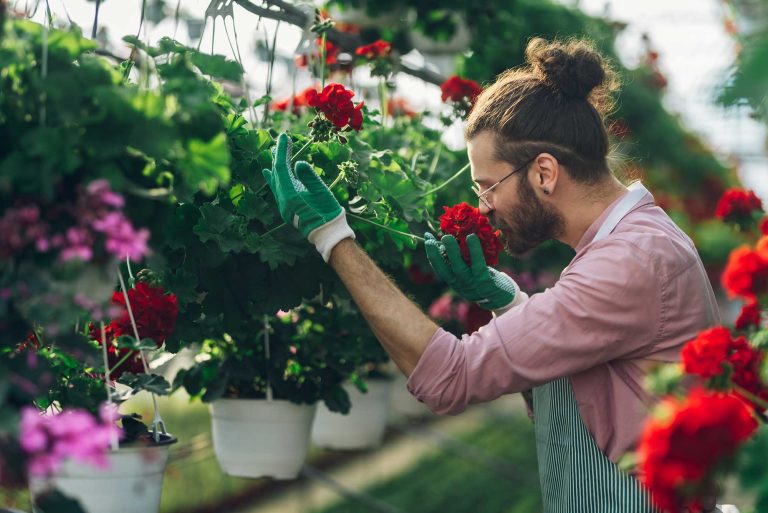
Imagine stepping into your backyard and being greeted by a cascade of colorful blooms that seem to flow effortlessly down a gentle slope. This vision can become a reality with a well-designed sloped garden bed filled with flowers.
The charm of a sloped garden lies in its dynamic appearance and the way it transforms ordinary spaces into extraordinary landscapes. You might be wondering how to tackle the unique challenges posed by gardening on a slope. Don’t worry; you’re about to discover simple yet effective techniques to create a thriving, beautiful flower bed that complements the natural contours of your yard.
With the right approach, your garden can become a vibrant masterpiece, inviting admiration and providing personal satisfaction every time you step outside. Keep reading to uncover the secrets to designing a sloped garden bed that not only enhances your outdoor space but also becomes a haven for stunning blooms.
Choosing The Right Location
Selecting an ideal spot for your sloped garden bed is crucial. Ensure the location gets ample sunlight and has good drainage. Consider the view and accessibility to make the garden both beautiful and practical.
Choosing the right location for a sloped garden bed is essential. The right spot ensures your flowers thrive beautifully. A well-chosen location maximizes sunlight exposure and supports healthy growth. It also aids in managing water drainage effectively. Let’s explore key aspects to consider.Assessing Sunlight And Shade
Observe how sunlight moves across your garden. Identify areas with full sun and partial shade. Most flowers need at least six hours of sunlight. Some prefer shade. Knowing these patterns helps in choosing the best spot. Early morning sun is gentle and beneficial for most flowers. Avoid areas with excessive afternoon sun. Intense heat can stress plants. Consider the needs of your specific flower types. This ensures they get the right amount of light.Evaluating Soil Drainage
Check the soil’s drainage capability. Waterlogged soil harms plant roots. Test drainage by digging a small hole. Fill it with water and see how quickly it drains. Quick drainage means the soil is suitable. Slow drainage suggests poor soil conditions. Consider improving drainage with organic matter. Compost and sand can enhance soil structure. This creates a healthier environment for roots. Proper drainage prevents root rot and promotes growth. Ensure your chosen location meets these conditions. Your flowers will thank you.
Credit: savvygardening.com
Selecting Suitable Flowers
Choosing the right flowers can transform a sloped garden bed. Opt for hardy, low-maintenance varieties to ensure vibrant blooms year-round. Consider plants with strong root systems to prevent soil erosion and create a stunning visual display.
Designing a sloped garden bed can transform a challenging space into a stunning display of color and texture. One of the most critical aspects of this process is selecting suitable flowers. The right choice can ensure your garden thrives, providing beauty and stability. But how do you decide which flowers to plant on a slope?Perennials Vs. Annuals
When planning your garden, consider if you prefer perennials or annuals. Perennials come back year after year, making them a great low-maintenance option. They establish strong root systems, which can help prevent soil erosion on slopes. Annuals, on the other hand, offer the chance to change your garden’s look each year. They can fill in gaps and add vibrant splashes of color. Both types have their advantages—consider what suits your lifestyle and gardening goals.Native Plants For Sloped Gardens
Choosing native plants for your sloped garden can be a game-changer. These plants are adapted to local conditions, making them more resilient and easier to maintain. They often require less water and are more resistant to pests. Imagine a garden that thrives with minimal intervention. Native plants can offer this, reducing your workload while enhancing biodiversity. Are you ready to let your garden work for you? Incorporate these insights into your flower selection process. Your slope can become a thriving oasis with the right choices. Whether you lean towards perennials, annuals, or native plants, select flowers that will flourish in your unique setting.Planning The Layout
Planning the layout of your sloped garden bed is crucial. It sets the foundation for a stunning floral display. A well-thought-out design maximizes space and enhances the garden’s beauty. Begin by assessing the slope’s angle and sun exposure. This helps in selecting the right plants. Consider access paths and water drainage. These elements ensure a healthy and low-maintenance garden.
Creating Visual Interest
Visual interest draws the eye and creates appeal. Use contrasting colors and textures to make your garden pop. Mix large blooms with delicate flowers for variety. Placing taller plants at the back adds depth and dimension. Consider using garden art or stones for added charm. These elements can enhance the garden’s overall look.
Tiered Planting Strategies
Tiered planting helps manage the slope and adds layers. Create terraces using retaining walls or natural stones. This prevents soil erosion and provides distinct planting areas. Choose plants of varying heights for each tier. This creates a cascading effect. Use ground covers on lower tiers to reduce maintenance. They also help retain moisture and keep the soil intact.
Preparing The Soil
Preparing the soil in a sloped garden bed is essential for vibrant flowers. Begin by removing weeds and rocks to create a clean base. Add nutrient-rich compost to ensure healthy growth and prevent erosion.
Designing a sloped garden bed with flowers is a rewarding endeavor, but the secret to a thriving garden lies in preparing the soil. A slope presents unique challenges, but with some thoughtful preparation, you can transform it into a vibrant floral oasis. Let’s delve into the essentials of improving soil quality and preventing erosion to give your flowers the best possible start.Improving Soil Quality
Ensuring your soil is nutrient-rich and well-aerated is vital. Start by testing your soil’s pH and nutrient levels. Kits are available at local garden centers, and they provide crucial insights into what your soil might be lacking. Once you’ve identified deficiencies, add organic matter like compost or well-rotted manure. These amendments boost nutrient content and improve soil structure, making it easier for roots to penetrate. Consider incorporating a mix of topsoil and sand to enhance drainage. A healthy soil blend minimizes waterlogging, a common issue on slopes, ensuring your flowers get the right balance of moisture.Preventing Erosion
Erosion can quickly undo your hard work, but there are strategies to keep it at bay. Planting ground cover plants such as creeping thyme or clover can help. Their dense root systems stabilize the soil and prevent it from washing away during heavy rains. Building terraces is another effective method. By creating flat planting areas, you reduce runoff and give your flowers a solid foundation to grow. Use stones or logs to build these terraces, adding natural beauty to your garden. Mulching is also key. A thick layer of mulch reduces soil erosion by protecting the surface from direct rain impact. It also retains moisture and adds organic matter as it breaks down, further enhancing soil quality. What challenges have you faced with your sloped garden bed, and how have you tackled them? Share your experiences and tips with the community!Implementing Water Management
Designing a sloped garden bed with flowers involves considering drainage and plant selection. Choose plants suited for slopes and ensure proper water management to prevent erosion.
Implementing effective water management in a sloped garden bed is crucial. It ensures your flowers thrive without the risk of erosion. Proper planning keeps your garden lush and vibrant. Two main strategies can help manage water: installing irrigation systems and utilizing rainwater.Installing Irrigation Systems
An irrigation system is essential for sloped gardens. It delivers water directly to plant roots. Drip irrigation is highly effective. It reduces water runoff and soil erosion. Drip lines can be laid along the slope. This ensures even water distribution. Timers automate the process, saving time and effort. Regular checks prevent blockages and maintain efficiency.Utilizing Rainwater
Rainwater collection is sustainable and cost-effective. Install rain barrels to capture runoff from roofs. Connect barrels to soaker hoses in the garden. This system uses gravity to water plants naturally. Position barrels at the highest point for best flow. Regularly clean barrels to prevent clogs and debris. Rainwater is gentle and free from chemicals, benefiting your flowers.
Credit: www.hgtv.com
Maintaining Your Sloped Garden
Designing a sloped garden bed with flowers can transform your space. Choose hardy plants that thrive on slopes. Use terraces to prevent soil erosion and enhance visual appeal.
Maintaining a sloped garden with flowers can be a rewarding experience. Proper care ensures your garden remains vibrant and healthy throughout the year. Here are some practical tips to maintain your sloped flower garden effectively.Seasonal Care Tips
Each season requires different care for your garden. In spring, focus on planting new flowers and removing weeds. Water your garden deeply but less frequently to encourage strong roots. Summer heat demands more frequent watering. Early morning is best to reduce evaporation. In autumn, cut back dead stems and add mulch to protect plants from winter cold. Winter is a time for planning. Consider new plants for the next season.Pest And Disease Control
Pests and diseases can harm your garden. Regular inspections help catch issues early. Check leaves for signs of pests or disease. Remove affected plants or leaves to prevent spreading. Natural predators like ladybugs can help control pests. You can also use organic pesticides as a last resort. Rotating plants each year can reduce disease risk. Keep your garden clean and free of debris to discourage pests. Healthy plants resist diseases better, so ensure proper watering and soil care.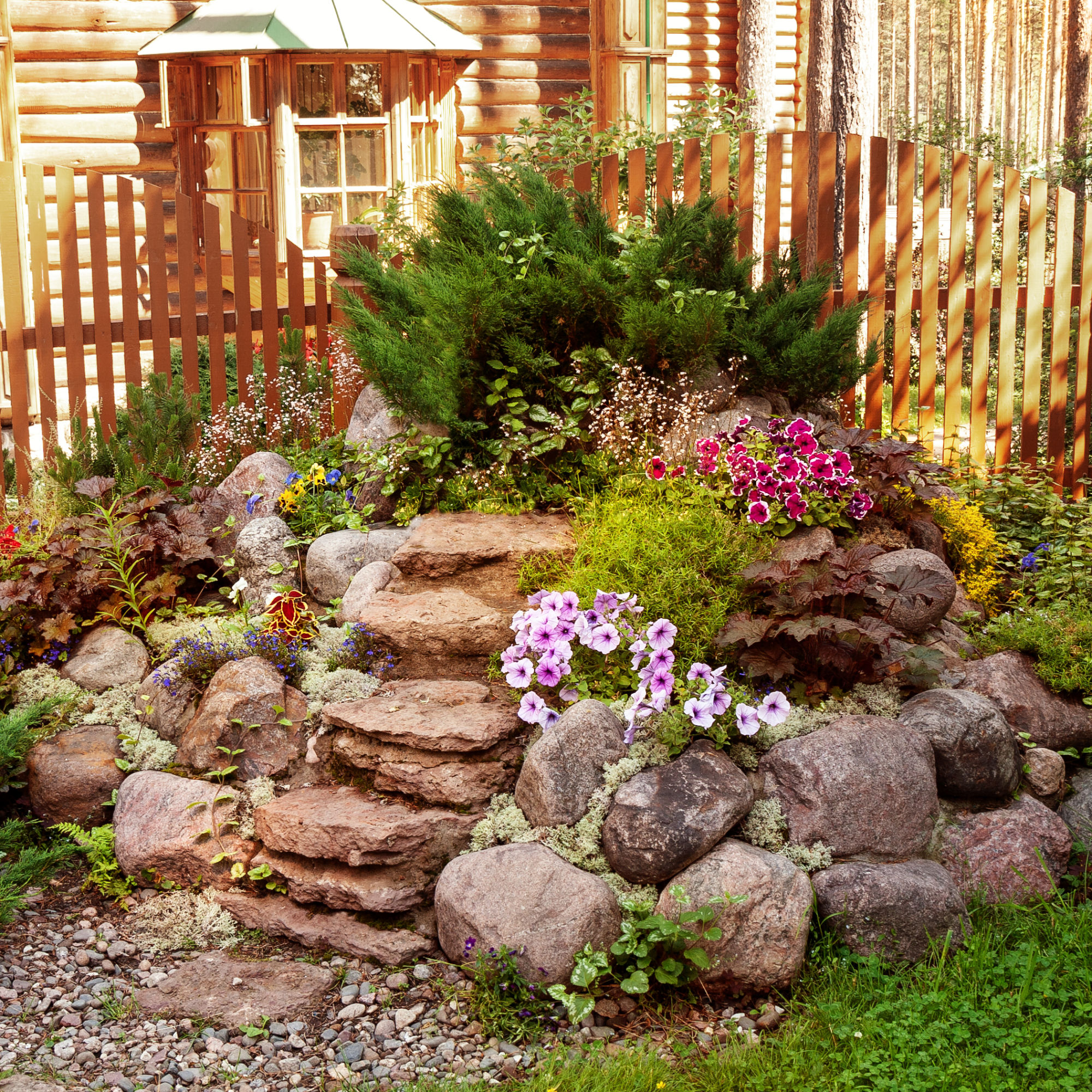
Credit: www.gardeningknowhow.com
Frequently Asked Questions
How Do I Start Designing A Sloped Garden Bed?
Begin by assessing the slope’s angle and soil quality. Choose flowers that thrive in these conditions. Plan the layout with terraces or retaining walls to prevent erosion. Ensure proper drainage and sunlight exposure to optimize flower growth.
What Flowers Are Best For Sloped Gardens?
Select flowers with deep roots, such as lavender or daylilies. These help prevent soil erosion. Consider native plants that adapt well to local conditions. Mix colors and heights for visual appeal and seasonal interest.
How Can I Prevent Soil Erosion In Sloped Gardens?
Use terraces or retaining walls to stabilize the soil. Plant ground cover flowers like creeping phlox for additional support. Mulch helps retain moisture and protects the soil. Ensure proper drainage to avoid water accumulation.
Can I Use Mulch In A Sloped Garden Bed?
Yes, mulch is beneficial for sloped garden beds. It helps retain soil moisture and prevent erosion. Organic mulch improves soil quality as it decomposes. Apply mulch evenly and replace it regularly to maintain effectiveness.
Conclusion
Creating a sloped garden bed with flowers is rewarding and fun. You can enjoy a vibrant and colorful outdoor space. Consider the slope and choose suitable plants. Drainage is crucial for plant health. Ensure good soil and proper watering. Use rocks or borders to prevent soil erosion.
Add mulch to retain moisture. Regular maintenance keeps your garden thriving. Enjoy the beauty and tranquility of your flower-filled slope. With creativity and care, your garden will flourish. Embrace the challenge and watch your garden grow. It’s a delightful way to enhance your outdoor area.
Happy gardening!