Imagine stepping into your backyard and feeling a wave of tranquility wash over you. A Japanese garden can transform your outdoor space into a serene sanctuary, offering peace and beauty right at your doorstep.
You might think creating such a garden is complex, but designing a simple Japanese garden is more achievable than you might imagine. This guide will show you how to bring harmony and elegance to your landscape, using basic principles and elements that anyone can apply.
You’ll discover how to incorporate stones, water, and plants to craft a space that feels timeless and calming. As you read on, you’ll learn the secrets to creating a garden that not only looks stunning but also provides a meditative escape from the hustle and bustle of daily life. Dive in to uncover the steps that will help you design a slice of Japan right in your own backyard.

Credit: www.hamptons.co.uk
Choosing The Right Location
Designing a Japanese garden involves more than just picking plants and stones. Choosing the right location is crucial for creating a serene and harmonious space. The garden’s placement affects its beauty and tranquility. It shapes the experience for anyone who enters. Let’s explore key factors to consider for an ideal location.
Evaluating Space
Start by assessing the available space in your yard. A Japanese garden doesn’t need to be large. It can fit even in small corners. Measure the area to know how much room you have. Think about the garden’s shape. Is it rectangular or curved? Use the shape to decide where paths and features will go. This step ensures the garden fits well and looks balanced.
Considering Sunlight And Shade
Sunlight plays a vital role in garden design. Observe how much sun and shade the area gets. Some plants need full sun, others thrive in shade. Choose locations that offer a mix. This allows a variety of plants to grow. Watch the sun’s path throughout the day. Avoid placing delicate plants in strong afternoon sun. This planning ensures plants stay healthy and vibrant.

Credit: www.hamptons.co.uk
Essential Elements
Creating a simple Japanese garden involves harmony, balance, and minimalism. Incorporate natural elements like stones, water, and plants. Arrange them thoughtfully to reflect tranquility and simplicity.
Creating a Japanese garden is a delightful journey that invites tranquility into your outdoor space. To achieve this serene ambiance, it’s crucial to focus on the essential elements that define these gardens. Each component has its own role, contributing to a balanced and harmonious design. Let’s delve into the key elements that make a Japanese garden special.Water Features
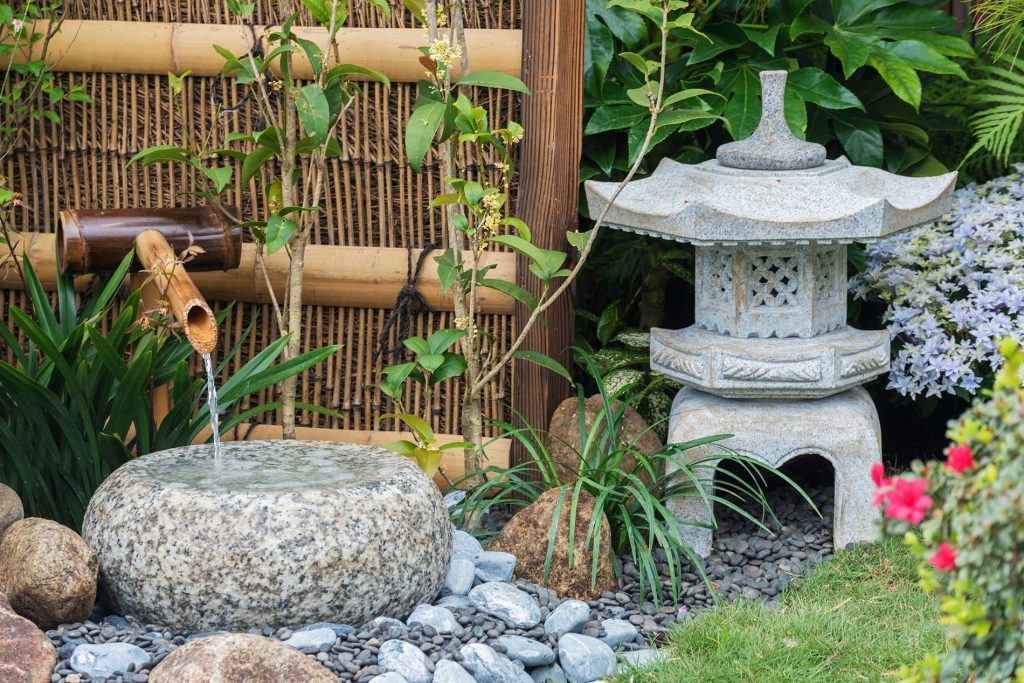
Water is a symbol of life and renewal in Japanese gardens. Incorporating a simple pond or a small stream can bring a sense of calmness and reflection to your garden. The gentle sound of water trickling can also mask unpleasant noises, making your space feel like a secluded retreat. Consider adding a stone basin, known as a ‘tsukubai’, which traditionally serves as a place for purification before a tea ceremony. You can also opt for a bamboo water spout to create a unique and authentic touch. Remember, the water feature doesn’t have to be large; even a small birdbath can make a significant impact.Rocks And Stones
Rocks and stones are the backbone of Japanese garden design. They represent strength and endurance and are used to create the structure of the garden. Choose stones of varying sizes and shapes to add texture and depth. Place stones in natural, asymmetrical arrangements to mimic how they might appear in the wild. You might use larger rocks as focal points and smaller stones to create pathways or borders. Consider the color and texture of the stones, as these should complement the other elements in your garden.Plants And Trees
Plants and trees bring the essence of nature into your garden. Choose species that reflect the changing seasons, like maples for their vibrant autumn colors or cherry blossoms for springtime beauty. Evergreen shrubs can provide structure and color year-round. Use plants to frame views or highlight garden features. Pruning is key in Japanese gardens, so keep your plants well-maintained to achieve the desired look. Think about the growth patterns of your chosen plants; they should not overwhelm the space but rather enhance its tranquility. Incorporating these essential elements thoughtfully can transform your outdoor area into a peaceful Japanese garden. What aspects will you prioritize to create your personal oasis?Creating Balance And Harmony
Design a simple Japanese garden to create balance and harmony. Use stones, water, and plants thoughtfully. Arrange elements to reflect nature’s serenity and beauty.
Creating Balance and Harmony Designing a Japanese garden is an art of balance and harmony, where every element has its place and purpose. The goal is to create a serene space that evokes peace and tranquility. To achieve this, you need to focus on creating a balanced design that reflects the natural world.Yin And Yang In Design
In Japanese garden design, the concept of Yin and Yang is fundamental. This ancient philosophy emphasizes the balance of opposites—light and dark, soft and hard, stillness and movement. Consider how you might balance a large stone with a cluster of delicate flowers. The stone represents strength and permanence, while the flowers bring softness and fleeting beauty. Think about the elements in your garden. Do they complement each other in a harmonious way? Aim to blend textures and shapes to create a seamless flow.Using Symmetry
Symmetry in a Japanese garden doesn’t mean mirroring every element, but rather finding a pleasing balance. It’s more about creating visual equilibrium than strict uniformity. Look at your garden layout. Is there a natural focal point that draws the eye evenly? You might place a water feature opposite a lantern to create a sense of balance. Symmetry can also be subtle. Aligning pathways or arranging plants in a thoughtful manner can guide the eye and create a sense of order and calm. When you walk through your garden, do you feel a sense of peace and balance? If not, consider small adjustments to enhance symmetry and harmony.
Credit: www.hamptons.co.uk
Selecting Appropriate Plants
Choosing the right plants is vital for a Japanese garden. Opt for bamboo, azaleas, and cherry blossoms to create tranquility. Ensure the plants suit your climate for easy maintenance and lasting beauty.
Selecting the right plants is crucial for a Japanese garden. Plants define the garden’s mood and harmony. They should complement the overall design and enhance tranquility. Choosing the right species ensures authenticity and balance.Native Japanese Species
Native plants bring authenticity to your garden. Consider bamboo for a serene touch. Cherry blossoms add elegance and beauty. Japanese maples offer striking foliage and structure. Use moss for ground cover, creating a lush feel. Azaleas and camellias provide vibrant colors. These plants thrive in Japanese climates, making them ideal choices.Seasonal Color Variations
Seasonal colors breathe life into your garden. Spring cherry blossoms create a pink spectacle. Summer brings lush green leaves and vibrant flowers. Autumn offers fiery reds and oranges with Japanese maples. Winter showcases evergreens and subtle tones. Balance colors to maintain harmony year-round. Change in seasons adds dynamic beauty to your garden.Incorporating Traditional Structures
Incorporate traditional structures like stone lanterns and bamboo fences to design a simple Japanese garden. These elements add cultural authenticity and charm, complementing the serene environment. Integrating such features creates a harmonious blend of nature and heritage.
Incorporating traditional structures adds authenticity to a Japanese garden. These structures provide cultural depth and visual interest. They create spaces for reflection and connection with nature. Let’s explore some key elements.Bridges And Pathways
Bridges in a Japanese garden symbolize the journey of life. They connect different parts of the garden seamlessly. Use natural materials like wood or stone for bridges. Ensure they blend well with the surroundings. Pathways guide visitors through the garden’s beauty. Use gravel or stepping stones to create gentle curves. This encourages slow walking and appreciation of the scenery.Tea Houses And Pagodas
Tea houses offer a space for quiet contemplation. They can be simple wooden structures with sliding doors. Position them to overlook peaceful garden views. Pagodas add vertical interest and cultural significance. They often serve as focal points in the garden. Use stone or wood to build them. Place them strategically to enhance the garden’s harmony.Maintenance Tips
Maintaining a Japanese garden requires patience and care. This ensures its beauty lasts for years. Following simple maintenance tips can help keep your garden in top shape. Focus on pruning, water management, and more to keep it healthy and vibrant.
Pruning Techniques
Pruning keeps your garden neat and healthy. Trim branches to maintain the desired shape. Use clean, sharp tools to prevent damage to plants. Focus on removing dead or diseased branches first. This encourages new growth and maintains the garden’s elegance. Regular pruning also helps in managing the size of trees and shrubs.
Water Management
Proper water management is crucial in a Japanese garden. Ensure your plants receive adequate water without overwatering. Consider installing a drip irrigation system for efficiency. This system conserves water and ensures even distribution. Check the soil moisture regularly. Adjust the watering schedule based on weather conditions and plant needs.
Frequently Asked Questions
What Are Key Elements Of A Japanese Garden?
Japanese gardens typically feature elements like water, stones, lanterns, and plants. Water symbolizes tranquility, while stones represent stability. Lanterns are used for aesthetics and lighting, and plants are chosen for seasonal beauty. Together, these elements create a harmonious and serene environment, embodying the essence of nature and balance in design.
How Do You Choose Plants For A Japanese Garden?
Choose plants that offer seasonal interest, like azaleas, cherry blossoms, and maples. These plants provide color and texture changes throughout the year. Incorporate evergreens for year-round greenery and moss for a traditional look. Opt for low-maintenance plants to ensure your garden remains beautiful with minimal effort.
Can Japanese Gardens Be Small In Size?
Yes, Japanese gardens can be designed for small spaces. Use compact elements like mini ponds, small rocks, and dwarf plants. Incorporate vertical structures such as bamboo fences to create depth. Focus on simplicity and balance to achieve a serene atmosphere, even in limited areas.
How Important Is Water In Japanese Gardens?
Water is a crucial element in Japanese gardens, symbolizing tranquility and life. It can be represented by ponds, streams, or waterfalls. The sound of flowing water enhances the garden’s peaceful ambiance. Even small water features, like a basin, can significantly contribute to the garden’s serene atmosphere.
Conclusion
Creating a Japanese garden is a peaceful journey. Embrace simplicity and nature’s beauty. Start with a few elements. Stones, water, and plants. Balance each feature thoughtfully. Keep the space calm and inviting. Choose plants like bamboo and moss. These bring authenticity and tranquility.
Use rocks to represent mountains. Water symbolizes life and movement. Paths guide the visitor gently. Focus on harmony and tranquility. Enjoy your garden’s serene atmosphere. Let it be a retreat from daily life. With patience, your garden will flourish. A place of meditation and reflection.
A simple Japanese garden can nurture peace.







