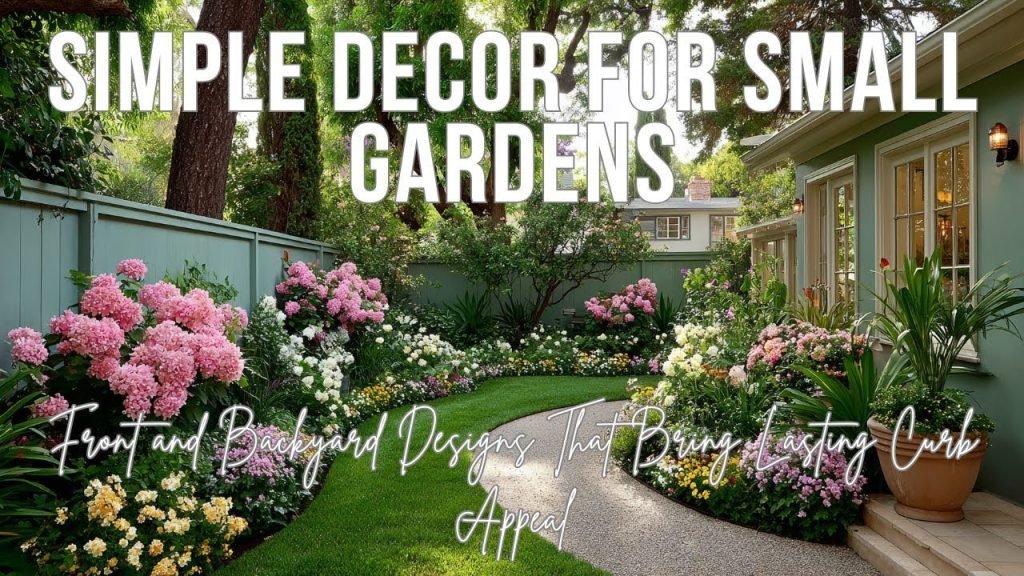
Imagine stepping outside your front door and being greeted by a beautiful, welcoming garden. This is more than just a patch of grass; it’s your personal oasis, a space where you can unwind and feel proud of your home.
Designing a simple front garden can transform your home’s exterior and boost its curb appeal, making your house stand out in your neighborhood. You don’t need a green thumb or a huge budget to create a stunning garden; just a few smart choices can make all the difference.
Whether you’re looking to impress guests or simply enjoy a serene view, this guide will show you how easy it is to design a front garden that reflects your style and enhances your home. Keep reading to discover the key steps to creating a garden that is not only beautiful but also easy to maintain. Your ideal front garden is within reach, and it starts right here.
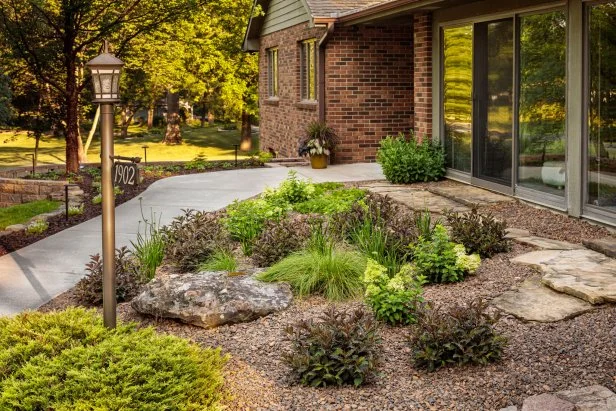
Credit: www.hgtv.com
Planning Your Garden Layout
Designing a simple front garden can enhance your home’s curb appeal. Start by choosing easy-to-care plants and arranging them in neat rows. Add a focal point like a small tree or a decorative element to create interest.
Planning your garden layout is a crucial step in designing a simple front garden. It sets the foundation for a space that’s both beautiful and functional. A well-thought-out layout can turn even the smallest garden into a tranquil retreat.Assessing Space And Sunlight
Start by taking a good look at the space you have. Measure your garden area and note down any existing features like pathways or trees. This helps you understand what you’re working with. Next, observe how sunlight moves across your garden. Notice which areas get the most sun and which are shaded. This information is vital when selecting plants, as some thrive in the sun while others prefer shade.Choosing A Focal Point
Every garden needs a focal point to draw the eye. This could be a stunning plant, a water feature, or a beautifully crafted bench. A focal point not only adds interest but also gives your garden a sense of purpose. Think about what you’d like to highlight. Maybe it’s a colorful flowerbed or a statue that reflects your personality. Choose something that will make you smile every time you see it.Creating A Sketch
Grab a piece of paper and start sketching your ideas. Don’t worry about making it perfect—this is just a rough draft. Draw out where you want your paths, plants, and focal points to be. Use simple shapes to represent different elements. This helps you visualize how everything fits together. Adjust your sketch until you’re happy with the layout. By sketching your ideas, you can see potential problems and solutions before any plants go in the ground. It also makes the planning process feel more real and achievable.
Credit: www.pinterest.com
Selecting Plants And Flowers
Selecting a mix of evergreen shrubs and colorful perennials creates year-round interest in a front garden. Choose plants with varying heights and textures to add depth and visual appeal. Consider local climate and soil conditions to ensure healthy growth and sustainability.
Designing a simple front garden can be a delightful project, and selecting the right plants and flowers is a crucial step. This aspect of garden design not only brings color and life to your outdoor space but also reflects your personal style and taste. By carefully choosing what to plant, you can ensure your garden is both beautiful and easy to maintain. Let’s dive into how you can make the best choices for your garden.Considering Climate And Soil
Understanding your local climate is fundamental when selecting plants. If you live in a region with hot summers, drought-resistant plants can be your best friends. Similarly, if your area experiences harsh winters, look for hardy plants that can withstand frost. Soil type is another critical factor. Is your soil sandy, clay, or loamy? Each soil type affects water drainage and nutrient availability. Conduct a simple soil test to determine its pH and texture. This information will guide you in choosing plants that thrive in your garden’s conditions.Deciding On Plant Types
Before you start picking out plants, think about the purpose they will serve. Are you looking for evergreen shrubs for year-round greenery or seasonal flowers for bursts of color? Consider the maintenance level you’re comfortable with. Some plants require regular pruning, while others can be left to grow freely. Don’t forget to factor in the growth habits of the plants. Will they spread quickly, or do they grow tall and narrow? Match plant types to your garden’s space and layout. This ensures that your garden remains balanced and doesn’t become overcrowded.Mixing Colors And Textures
Creating visual interest in your garden involves mixing colors and textures. Imagine the vibrant hues of tulips paired with the soft foliage of ferns. The contrast can make your garden pop. Use a color wheel to select complementary colors, or opt for a monochromatic scheme for a more subtle effect. Texture plays a significant role too. Combine plants with different leaf shapes and sizes for variety. A mix of soft and spiky textures can add depth to your garden’s appearance. This diversity not only enhances aesthetics but also attracts a variety of wildlife, adding life to your garden. As you plan your plant selection, consider these factors closely. What do you want your garden to say about you? Make choices that reflect your personality and lifestyle, ensuring your garden becomes a cherished space that evolves with you over time.Building Pathways And Borders
Designing a simple front garden involves planning pathways and borders to create a welcoming space. Use natural stones or bricks to outline paths, while borders can be defined with low hedges or colorful flowers. This approach enhances your garden’s structure and beauty.
Building beautiful pathways and borders in your front garden adds charm. They guide visitors and frame your garden’s design. A well-planned path and border enhance the garden’s look and function. Let’s explore how to create simple yet effective pathways and borders.Choosing Pathway Materials
Select materials that complement your garden style. Gravel offers a natural look and is budget-friendly. Brick gives a classic feel with its warm tones. Concrete is durable and can be shaped as desired. Consider maintenance and weather resistance when selecting.Designing Garden Edges
Edges define your garden’s boundary and add neatness. Choose stones for a rustic charm. Wood provides a natural appeal and is versatile. Metal edges create a sleek, modern look. Ensure they match your garden’s theme and are easy to install.Installing Lighting
Lighting enhances pathways, offering safety and beauty. Solar lights are energy-efficient and easy to install. LED lights provide bright illumination with low power use. Place lights at intervals to highlight the path and borders. Use soft lighting to create a warm, inviting atmosphere.
Credit: www.youtube.com
Incorporating Decorative Elements
Enhance your front garden with decorative elements like colorful pots, charming sculptures, or quaint garden paths. These accents add personality, guiding visitors through your garden with style. Select pieces that complement your plants and overall design for a cohesive look.
Incorporating decorative elements into a front garden elevates its appeal. These elements add personality and charm. They can transform a simple garden into a stunning space. Whether it’s art, water features, or furniture, each contributes to the ambiance.Adding Garden Art
Garden art creates focal points. It invites guests to explore the space. Sculptures, metalwork, and pottery are great choices. Choose pieces that reflect your style. Bright colors stand out against greenery. Smaller art pieces can complement larger structures.Using Water Features
Water features bring tranquility. They add sound and movement to the garden. A small fountain or pond can be ideal. Choose a size that fits the space. Consider the maintenance required. Water features can attract wildlife. They create a soothing atmosphere.Placing Outdoor Furniture
Outdoor furniture provides comfort. It extends the living space outdoors. Select pieces that withstand weather conditions. Chairs and tables can be nestled among plants. Benches offer seating with a view. Balance furniture with open spaces for walking.Maintaining Your Front Garden
Design a simple front garden by choosing low-maintenance plants and arranging them in neat rows. Use decorative stones or mulch to keep the area tidy and create clear paths for easy access. Adding small shrubs or seasonal flowers can enhance beauty without overwhelming maintenance needs.
Maintaining your front garden is crucial for its beauty and health. A well-maintained garden adds charm and value to your home. Regular care ensures plants thrive and look their best. Focus on simple tasks that make a big difference.Routine Watering And Pruning
Watering keeps plants healthy and vibrant. Use a watering can or hose for even coverage. Morning is the best time to water. It reduces water loss from evaporation. Pruning helps shape plants and removes dead growth. Trim bushes and hedges regularly for a neat appearance. Use sharp scissors or shears for clean cuts.Pest Management
Pests can damage your garden. Check plants for signs of pests like holes or wilting. Use natural remedies to control pests. Neem oil and soapy water are effective solutions. Regular inspections help catch problems early. Healthy plants resist pests better.Seasonal Upkeep
Seasons change, and so do garden needs. In spring, add mulch to retain moisture. Summer requires more frequent watering. Fall is the time for leaf cleanup. In winter, protect plants from frost. Seasonal tasks prepare your garden for each phase of the year.Frequently Asked Questions
What Are The Best Plants For A Front Garden?
Choosing plants depends on climate, space, and personal preference. Opt for low-maintenance plants like lavender, hydrangeas, or boxwood. These plants add color, texture, and structure to your garden. Consider seasonal flowers for year-round appeal and ensure they thrive in your local conditions.
How Do I Plan My Garden Layout?
Start with sketching your garden space on paper. Identify areas for paths, seating, and plant beds. Consider sun exposure, soil type, and drainage. Balance aesthetics with functionality to create a welcoming entrance. Planning helps optimize space and guides you in choosing the right plants.
How Can I Improve Garden Soil Quality?
Improve soil quality by adding organic matter like compost or manure. Test soil pH and adjust with lime or sulfur as needed. Ensure proper drainage to prevent root rot. Regularly maintain your soil by aerating and mulching to retain moisture and nutrients.
What Are Cost-effective Garden Design Tips?
Use native plants, which require less maintenance and water. Recycle materials for paths or borders, like bricks or stones. Start with seeds rather than mature plants. DIY projects, like creating your own planters, can save money and personalize your garden design.
Conclusion
Designing a simple front garden is rewarding. Start with a clear plan. Choose plants that thrive in your area. Focus on easy-to-care options. Add paths for a welcoming look. Use stones or mulch for low maintenance. Keep the color scheme simple.
Too many colors can overwhelm. Ensure your garden complements your home. This enhances curb appeal. Regular care keeps it vibrant. Watering and trimming are essential. Enjoy watching it bloom throughout seasons. Your front garden becomes a peaceful retreat. A place to relax and admire nature’s beauty.







