Imagine stepping into your backyard and being greeted by a serene oasis, where the sun dances through the leaves of mature trees, casting gentle shadows on vibrant plants below. Designing a shade garden around three mature trees can transform your outdoor space into a tranquil retreat, offering the perfect blend of beauty and functionality.
You don’t need to be a landscaping expert to achieve this; with the right guidance, you can create a stunning garden that thrives in the cool, dappled light. You might think that shade limits your choices, but it’s quite the opposite.
Shade gardens allow you to explore a variety of plants that flourish away from direct sunlight, adding unique textures and colors to your landscape. By understanding how to work with shade, you can unlock the potential of your garden and create a harmonious environment that invites relaxation and rejuvenation. Throughout this article, you’ll discover practical tips and creative ideas to design your shade garden. We’ll guide you through selecting the right plants, arranging them for maximum visual impact, and ensuring they thrive under the canopy of your mature trees. Dive into this gardening adventure, and let’s turn your shaded corner into a lush paradise.
Choosing Shade-tolerant Plants
Design a shade garden by selecting plants that thrive under mature trees. Choose ferns, hostas, and astilbes for lush greenery. These plants adapt well to low sunlight, creating a vibrant garden.
Designing a shade garden around mature trees requires a thoughtful selection of shade-tolerant plants. These trees create a unique environment where the sunlight plays peek-a-boo with the ground, presenting both challenges and opportunities for gardeners. By choosing the right plants, you can transform the shaded areas into lush, vibrant spaces full of life and color. Let’s explore some great options for shade-tolerant plants that will thrive under your tree canopy.Perennials For Shaded Areas
Perennials are a great choice for shaded areas as they return year after year, providing consistent beauty. Consider planting hostas, which are known for their broad, textured leaves and variety of green hues. Ferns are another excellent option, offering delicate fronds that add a touch of elegance to your garden. If you’re looking for blooms, try astilbes. They produce fluffy, colorful plumes that can brighten up any shady spot.Ground Covers For Dense Shade
In areas of dense shade, ground covers are your best friend. They spread quickly, filling in bare spots and preventing weeds. Vinca minor, or periwinkle, is a popular choice with its glossy leaves and periwinkle-blue flowers. Pachysandra offers lush greenery and small white blooms, perfect for creating a carpet-like effect. Don’t forget about creeping Jenny, whose vibrant yellow-green foliage can light up the darkest corners.Shrubs For Partial Shade
Shrubs can add structure and height to your shade garden, providing year-round interest. Hydrangeas are a favorite among gardeners, with their large, showy blooms. Try planting them in areas that receive morning sun and afternoon shade. Azaleas are another excellent choice, offering stunning spring flowers in a variety of colors. For something a bit different, consider the Japanese pieris, which has drooping clusters of bell-shaped flowers and evergreen leaves. By carefully selecting and combining these shade-tolerant plants, you can create a thriving, beautiful garden under your mature trees. Which plants will you choose to bring life to your shaded oasis?Creating A Cohesive Layout
Designing a shade garden around mature trees requires thoughtful plant selection and strategic placement. Choose shade-loving plants and arrange them to create harmony. Use pathways and seating areas to enhance the garden’s functionality and appeal.
Creating a shade garden around mature trees can be a rewarding endeavor, offering a serene escape right in your backyard. But how do you design a layout that feels cohesive and inviting? The key lies in thoughtful planning and clever use of space. A garden should invite exploration, and a well-structured layout can guide visitors on a delightful journey through varying plant heights, meandering pathways, and striking focal points. Let’s dive into how you can achieve this.Balancing Plant Heights
Balancing plant heights is crucial in creating a harmonious garden. Start by observing the height and canopy of your mature trees. These towering giants naturally form the backdrop, so choose understory plants that complement their grandeur without competing. Consider layering plants in tiers. Short, ground-covering species can fill in the gaps while mid-height shrubs add volume. Think about how each plant’s height contributes to the garden’s overall flow. A mix of heights not only adds visual interest but also ensures that sunlight filters through gracefully, creating dappled patterns on the ground.Incorporating Pathways
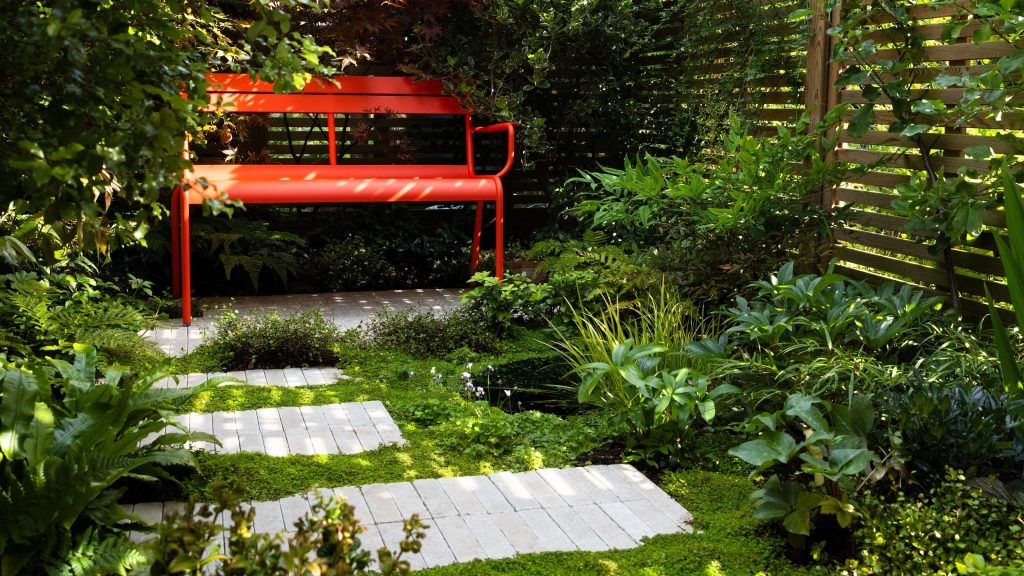
Pathways are the veins of your garden, guiding movement and encouraging exploration. When designing pathways, consider their placement and materials. A winding path can slow down the pace, inviting visitors to linger and observe. Use materials like gravel, brick, or stepping stones for a rustic feel. Their texture contrasts beautifully with lush foliage and adds tactile interest. Think about how pathways can connect different areas of the garden, creating a seamless transition from one section to another. Where will your pathways lead?Using Focal Points
Focal points draw the eye and anchor the garden’s design. They could be anything from a sculptural piece to a vibrant flower bed or a water feature. Choose something that resonates with your personal style and complements the natural environment. Place focal points strategically where they can be admired from multiple angles. This encourages visitors to pause and appreciate the surroundings. Reflect on what you want your focal point to say about your garden. Is it a statement piece or a subtle accent? How does it fit into the overarching theme? By balancing plant heights, incorporating pathways, and using focal points effectively, your shade garden will not only be cohesive but also captivating, inviting you and your guests to enjoy its beauty time and time again.Soil Preparation Techniques
Designing a shade garden around mature trees involves careful soil preparation. Begin by clearing any debris and ensuring proper drainage. Add organic matter to enrich the soil and maintain moisture.
Designing a shade garden around mature trees offers a peaceful retreat. Proper soil preparation ensures plants flourish under the canopy. Here’s how to prepare the soil for a thriving shade garden.Improving Soil Drainage
Good drainage prevents water from pooling around tree roots. Use a garden fork to aerate the soil. This helps water move through the soil efficiently. Add coarse sand or fine gravel to improve drainage. Mix it well with the existing soil. Avoid digging too deep to protect tree roots.Enriching With Organic Matter
Organic matter boosts soil health and supports plant growth. Spread a 2-inch layer of compost over the soil surface. Gently work it into the top few inches. Use aged manure or leaf mold for added nutrients. This enriches the soil and retains moisture for plants.Testing And Adjusting Ph Levels
Check soil pH to ensure it’s suitable for shade plants. Use a simple soil pH test kit. Most shade plants prefer slightly acidic soil. If the soil is too alkaline, add sulfur to lower the pH. If too acidic, add lime to increase the pH. Follow product instructions for best results.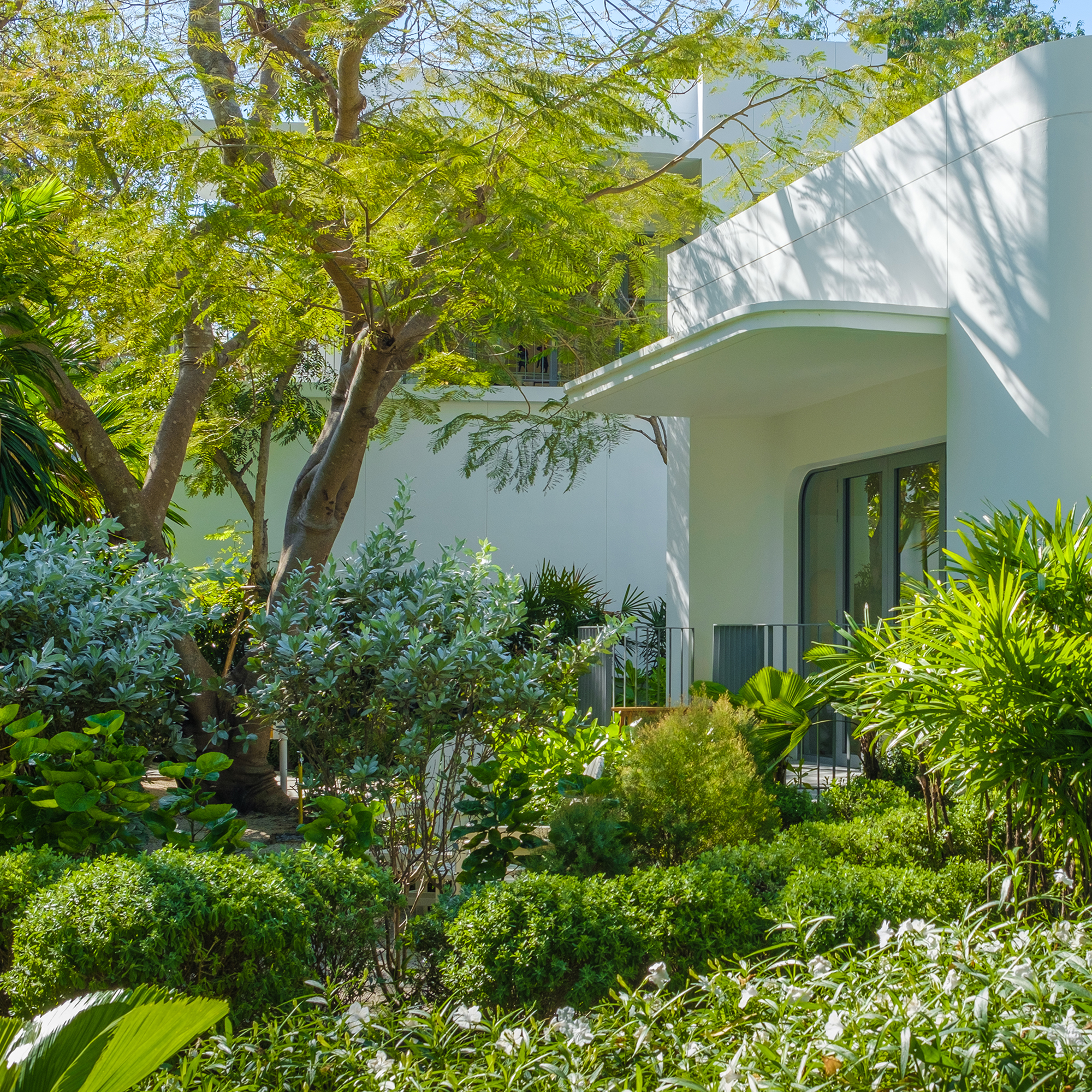
Credit: www.gardeningknowhow.com
Watering And Maintenance Strategies
Designing a shade garden around mature trees requires careful watering and maintenance. Ensure soil stays moist but not soggy. Use mulch to retain moisture and suppress weeds.
Watering and maintaining a shade garden around mature trees requires careful planning. Trees naturally absorb significant water from the soil, which can affect garden plants. Understanding efficient watering techniques and maintenance practices ensures your garden thrives.Efficient Watering Methods
Use drip irrigation systems for targeted watering. They deliver water directly to plant roots, minimizing waste. Install soaker hoses for even distribution across larger areas. Water early in the morning or late afternoon. This reduces evaporation and provides plants with needed hydration.Mulching For Moisture Retention
Apply a thick layer of organic mulch around your plants. Mulch helps retain soil moisture and suppresses weed growth. Use materials like wood chips or bark. They slowly decompose and enrich the soil. Regularly check mulch depth to ensure effective coverage.Pruning And Plant Care
Prune plants to maintain health and shape. Remove dead branches to encourage new growth. Trim shrubs and bushes regularly. This prevents overcrowding and allows sunlight to reach lower leaves. Monitor plant health and address diseases promptly to sustain garden vitality.Enhancing Visual Appeal
Designing a shade garden around mature trees creates a tranquil retreat. Choose shade-loving plants that thrive under the tree canopy. Incorporate paths and seating areas to enhance visual appeal and accessibility.
Designing a shade garden around mature trees can transform a lackluster yard into a soothing sanctuary. Enhancing the visual appeal of this space requires a strategic mix of elements that captivate the senses. By thoughtfully combining color, texture, and decor, you can create a harmonious garden that feels like a natural extension of the tree canopy.Using Color And Texture
When selecting plants for your shade garden, think about how different hues and textures can work together to create a dynamic landscape. Choose foliage in varying shades of green, and mix in plants with deep purples or silvery hues to add depth. Consider hostas with their bold leaves or ferns that offer delicate fronds for textural contrast. Flowers can also brighten the shaded space. Astilbes and impatiens offer pops of color without needing direct sunlight. Layer plants by height to add interest and ensure that each plant gets its share of dappled light.Incorporating Garden Decor
Garden decor can transform your space into a personal retreat. Strategically place benches or small seating areas to encourage relaxation and contemplation. Choose materials and colors that complement the natural surroundings, like a rustic wooden bench or a stone birdbath. Wind chimes, sculptures, or even a small water feature can add movement and sound, creating a multisensory experience. These elements not only enhance the garden’s beauty but also invite you to spend more time outdoors.Lighting Solutions For Shade
Even in shaded areas, the right lighting can highlight your garden’s best features. Solar-powered lights are an eco-friendly option, and they can be placed along pathways or under tree canopies to create a warm, inviting glow. Consider using uplights at the base of trees to accentuate their majestic trunks and branches. String lights can be draped from branches to add a whimsical touch. How will you use lighting to transform your shaded oasis into a nighttime wonderland? By experimenting with different lighting solutions, you can enjoy your garden’s beauty long after the sun sets.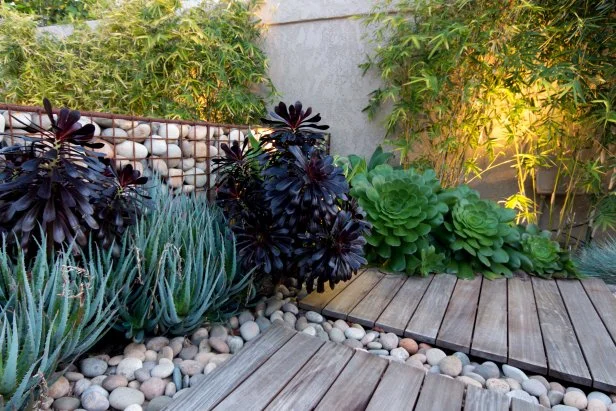
Credit: www.hgtv.com
Managing Tree Root Competition
Design a shade garden with careful planning around three mature trees. Choose shade-tolerant plants that thrive under limited sunlight. Space them strategically to minimize competition with tree roots, ensuring healthy growth.
Managing tree root competition is one of the most critical aspects of designing a successful shade garden around mature trees. Trees, being the giants of the garden, have extensive root systems that may compete with other plants for water and nutrients. Understanding how to manage this competition can transform your garden into a harmonious space where all plants thrive.Protecting Tree Health
The health of your mature trees is paramount. They are the backbone of your garden’s structure and beauty. Keep an eye on the tree roots and monitor any signs of stress or damage. Make sure not to cut or damage the roots during garden installation. They act as the lifeline, transporting essential nutrients and water. If roots are compromised, your trees could suffer, impacting the entire garden ecosystem.Avoiding Root Disturbance
Disturbing roots can lead to long-term health issues for your trees. Digging deeply near the trunk can damage roots and create vulnerability to diseases. Try using raised beds or planters to minimize direct root interference. These can allow you to introduce new plants without disturbing the tree’s root network. Consider using mulch to cover the soil and retain moisture. This helps prevent the need for extensive digging and encourages healthy root growth.Choosing Compatible Plants
Select plants that can coexist with tree roots. Shade-loving perennials like hostas, ferns, and astilbes are great choices. Their shallow roots won’t compete aggressively with the tree roots for resources. Opt for native plants, as they’re naturally adapted to the local conditions and can thrive without extensive care. These plants often coexist better with existing tree roots. Think about how different plants can complement the trees visually. Contrast textures and colors to create a dynamic and visually appealing garden space. By selecting the right plants, you can ensure a balanced nutrient and water distribution, fostering a healthier garden environment.
Credit: www.hgtv.com
Frequently Asked Questions
What Plants Thrive In Shade Gardens?
Plants like hostas, ferns, and astilbes thrive in shade gardens. These plants are adapted to low light conditions. They can add lush greenery and texture to your garden. Consider adding flowering plants like hydrangeas for color.
How Do I Improve Soil Under Mature Trees?
Improve soil by adding organic matter like compost or leaf mulch. This enhances soil structure and nutrient levels. Avoid disturbing tree roots while doing this. Use a gentle approach to maintain tree health.
Can I Grow Vegetables In A Shade Garden?
Some vegetables like lettuce and spinach can grow in shade. They require less sunlight compared to other vegetables. Ensure the garden gets dappled sunlight throughout the day. This will help the vegetables thrive.
How Do I Design Pathways In A Shade Garden?
Use natural materials like gravel or mulch for pathways. They blend well with the garden’s aesthetic. Ensure pathways are wide enough for easy navigation. Curved paths can add a sense of mystery and exploration.
Conclusion
Creating a shade garden around mature trees brings peace to your space. Choose plants wisely. They should thrive in low light. Mulch helps retain moisture and keeps roots cool. Arrange plants to form layers. This adds depth and visual interest.
Paths can guide visitors through your garden. Use materials that blend with nature. Water features can add tranquility. A bench offers a resting spot. Enjoy the beauty and calm of your garden. It becomes a haven from daily stress. Experiment and let your creativity shine.
Soon, you’ll have a retreat you love.