Imagine stepping into your backyard and being greeted by a serene oasis filled with inspiring sculptures, lush greenery, and tranquil paths. This vision is not only attainable but can transform your outdoor space into a captivating sculpture garden.
Designing a sculpture garden is not just about placing art pieces randomly; it’s about creating an experience that resonates with your personal style and brings joy every time you step outside. As you delve into the world of sculpture garden design, you’ll discover how to balance art with nature, select pieces that reflect your personality, and create inviting pathways that guide the visitor’s journey.
This article will walk you through the essential steps to turn your outdoor area into a harmonious blend of art and nature. Whether you’re a seasoned art enthusiast or a curious beginner, you’ll find practical tips and creative ideas that will make your garden a masterpiece of its own. Ready to transform your space into an artistic haven? Let’s get started!
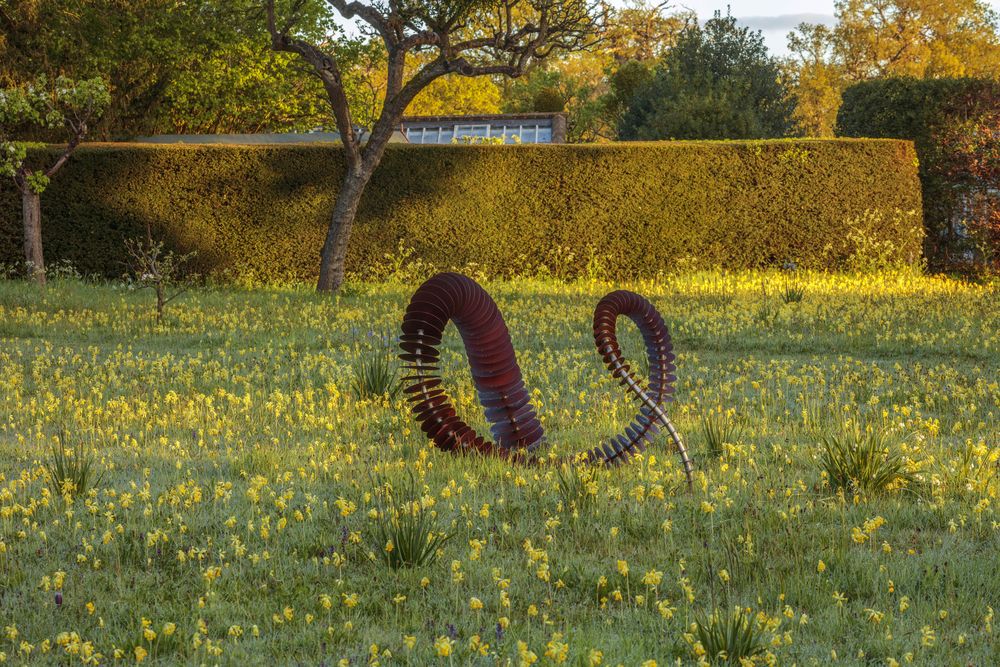
Credit: www.davidharber.co.uk
Choosing The Right Location
Selecting the perfect spot ensures harmony between art and nature. Consider sunlight, space, and accessibility for an inviting sculpture garden. Each element should complement the sculptures, creating a serene and visually appealing environment.
Choosing the right location for a sculpture garden is crucial. The location sets the tone and enhances the garden’s appeal. A well-chosen site can transform the garden into a serene escape. It becomes a place where art and nature blend seamlessly. Considerations like site conditions and accessibility are key.Assessing Site Conditions
Evaluate the site’s natural features. Look for existing trees and plants. Check the soil quality for garden growth. Observe sunlight patterns throughout the day. Ensure the site can support the sculptures’ weight. Consider wind exposure which affects sculpture stability. Drainage is vital to prevent water pooling. A flat or gently sloping terrain is ideal. Avoid areas prone to flooding.Accessibility Considerations
Accessibility makes the garden welcoming to all visitors. Plan pathways wide enough for wheelchairs. Use smooth, non-slip surfaces for safety. Install ramps where necessary for easy access. Ensure clear signage for directions and information. Consider the proximity to parking areas. Provide seating areas for rest and relaxation. Lighting is important for evening visits. Ensure paths are well-lit and safe.Planning The Layout
Designing a sculpture garden involves careful planning of the layout to enhance the display of each piece. Consider paths and seating areas to encourage visitors to explore and relax. Use natural elements like trees and water features to create harmony and balance.
Planning the layout of a sculpture garden requires careful consideration. It sets the stage for an immersive experience. A well-thought-out design guides visitors naturally through the space. It creates a harmonious flow between art and nature.Creating A Cohesive Design
A cohesive design brings unity to the garden. Start by selecting a theme or style. This could be modern, classical, or abstract. Choose sculptures that complement each other and the landscape. Use materials and colors that enhance the natural surroundings. Pathways should guide visitors from one piece to another. This encourages exploration and discovery.Balancing Open And Enclosed Spaces
Balance between open and enclosed spaces is crucial. Open areas provide room for large sculptures and gatherings. Enclosed spaces offer intimacy and reflection. Use hedges or walls to create secluded spots. Open spaces allow for light and air circulation. They invite visitors to relax and enjoy the art. A balanced layout keeps the garden dynamic and engaging.Selecting Sculptures
Choosing the right sculptures for a garden involves balancing style with space. Consider the garden’s theme and available areas. Select pieces that complement the environment and invite curiosity.
Selecting the right sculptures is a pivotal step in designing a captivating sculpture garden. The pieces you choose will not only reflect your personal taste but also set the tone for the entire space. They can evoke emotions, spark conversations, and transform a simple garden into a living art gallery.Diversity In Art Styles
Creating a sculpture garden with a diverse range of art styles can elevate the visitor experience. Mixing contemporary pieces with traditional sculptures can create an intriguing contrast. Think about a sleek metal sculpture positioned near a classic stone figure—this juxtaposition can ignite curiosity and dialogue. Consider the cultural significance of the artworks as well. Including pieces from different cultures can offer a rich tapestry of stories and perspectives. This diversity can make your garden not just a visual feast but also an educational journey.Considering Scale And Proportion
Scale and proportion are crucial when placing sculptures in your garden. A massive sculpture in a small space can overwhelm, while tiny pieces might get lost in a sprawling garden. It’s essential to balance each sculpture with its surroundings. Before finalizing your choices, imagine walking through the garden. Will the sculptures guide your path or block it? Ensure that each piece fits harmoniously within its space and complements the existing landscape. Your sculpture selection should also consider the viewer’s perspective. Think about how each piece will appear from different angles and distances. This consideration ensures that every visit to your garden offers a fresh experience.Incorporating Landscaping Elements
Integrate paths and seating areas to enhance the sculpture viewing experience. Use plants to frame sculptures and create serene spaces. Choose diverse textures and colors to complement the artworks and draw visitors in.
Incorporating landscaping elements into your sculpture garden enhances its beauty. These elements provide depth, color, and texture. They create a harmonious blend between art and nature. Let’s explore how to integrate these elements effectively.Choosing Plant Varieties
Select plants that complement the sculptures. Consider their colors, shapes, and sizes. Native plants often require less maintenance. They thrive in the local climate. Use a mix of perennials and annuals for year-round interest. Shrubs can add structure and frame the sculptures. Ensure plants do not overshadow the art pieces.Water Features And Pathways
Water features add tranquility to a garden. A small pond or fountain can create a peaceful atmosphere. The sound of water soothes the senses. It draws visitors closer to the sculptures. Pathways guide visitors through the garden. Use natural materials like stone or gravel. Curved paths can create a sense of discovery. They lead the eye from one sculpture to another.Enhancing Visitor Experience
Enhancing the visitor experience in a sculpture garden is about creating an environment that resonates with each individual. This involves engaging senses, sparking curiosity, and fostering a deeper connection with art. It’s not just about the sculptures; it’s about how visitors interact with them and the space surrounding them.
Interactive Installations
Interactive installations can transform a passive visit into an engaging exploration. Imagine walking through a garden where sculptures move or emit sound in response to your presence. Such installations invite visitors to become part of the art, offering a memorable experience.
Consider integrating motion sensors or augmented reality to allow guests to interact with the sculptures in dynamic ways. This not only captivates their attention but also encourages them to explore further. What creative interaction could you design to surprise and delight your visitors?
Guided Tours And Signage
Guided tours and clear signage can significantly enhance the visitor experience, providing context and stories behind each sculpture. A knowledgeable guide can offer insights that transform a simple viewing into an enlightening journey.
Clear, informative signage should complement the guided tours, offering details that visitors can explore at their own pace. Think about using QR codes that link to multimedia content, expanding the storytelling experience. How can you balance information and exploration to enrich your visitors’ understanding?

Credit: www.tbkmetal.com
Maintenance And Sustainability
Designing a sculpture garden requires sustainable materials and regular upkeep to ensure longevity. Native plants can reduce maintenance needs and support local wildlife. Integrating recycled materials in sculptures contributes to eco-friendly art spaces.
Designing a sculpture garden involves artistic vision and practical considerations. Maintaining these spaces ensures their beauty for years. Sustainability is crucial for long-term success. These aspects keep the garden thriving and environmentally friendly. Proper upkeep protects sculptures from damage and wear. Sustainable practices preserve nature while enhancing the garden’s appeal.Regular Care Of Sculptures
Regular maintenance is vital for sculptures. Clean them to prevent dirt accumulation. Use gentle soap and water for most materials. Avoid harsh chemicals that can cause damage. Inspect for cracks or chips regularly. Address issues promptly to prevent further deterioration. Protect sculptures from extreme weather. Consider temporary covers for harsh conditions. This care extends the life of each piece.Eco-friendly Practices
Eco-friendly practices benefit both art and environment. Use native plants to reduce water needs. They adapt well to local climates. Opt for organic fertilizers and pest control. These reduce harmful chemicals in the garden. Install a rainwater collection system. It provides a sustainable water source for plants. Incorporate solar lighting to save energy. This enhances the garden’s ambiance sustainably.Lighting And Atmosphere
Lighting plays a vital role in crafting the mood of a sculpture garden. Use soft lights to highlight sculptures and create shadows for depth. Natural lighting during the day enhances the garden’s beauty and atmosphere.
Creating the perfect lighting and atmosphere in a sculpture garden can transform the space from ordinary to extraordinary. It’s not just about illuminating the artworks; it’s about crafting an experience that enchants visitors both day and night. The right lighting can highlight the beauty of sculptures, create mood, and guide visitors through the garden.Daytime And Nighttime Ambiance
During the day, natural light plays a key role in showcasing the sculptures’ textures and colors. You might consider how shadows cast by the sculptures can add depth to the display. Observe how sunlight interacts with different materials; some might gleam, while others absorb the light, changing the garden’s feel throughout the day. At night, the atmosphere shifts dramatically. Soft lighting can create a serene and inviting environment. Use lanterns or strategically placed LED lights to illuminate pathways and highlight sculptures without overwhelming the scene. Imagine walking through a garden where each step reveals a new piece in a gentle glow. Wouldn’t that be magical?Highlighting Key Features
To draw attention to specific features, focus on strategic placement of lights. Uplighting can accentuate tall sculptures, making them look even more majestic. Spotlights, on the other hand, can bring out intricate details of smaller pieces. Consider using colored lights to add an unexpected twist. A subtle blue or green hue might evoke a sense of mystery, while warmer tones can create an intimate feel. Think about what you want your visitors to feel and design your lighting to guide those emotions. Your sculpture garden is a canvas; lighting is one of your brushes. How will you paint with light to create a space that captivates and inspires?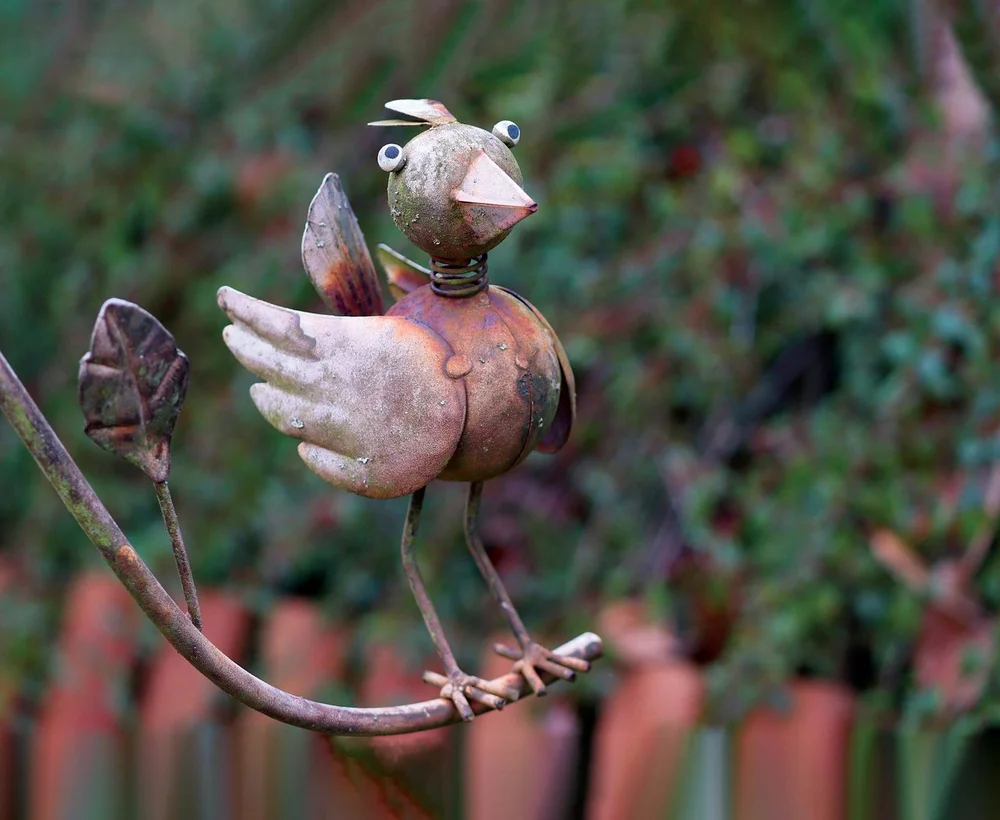
Credit: www.designnymagazine.com
Security And Preservation
Ensure sculptures are secure from theft and damage. Use durable materials and install reliable lighting and surveillance systems. Regular maintenance helps preserve their beauty and integrity.
Designing a sculpture garden is not just about aesthetics; it’s also about ensuring that the artworks are secure and well-preserved. The sculptures you choose to display are valuable assets that require protection from theft, vandalism, and environmental damage. A well-thought-out security and preservation plan is crucial to maintaining the integrity and longevity of your garden’s artwork.Protecting Artworks
To safeguard your sculptures, consider the materials and placement. Opt for weather-resistant materials like bronze or stone for outdoor displays. Position sculptures in areas where they are visible yet not easily accessible to deter vandalism. Employing physical barriers can also enhance protection. Low walls, fences, or strategically placed plants can create natural boundaries. These additions not only keep unwanted visitors at bay but also complement the garden’s design. Regular maintenance is key to preservation. Schedule routine cleanings and inspections to address any wear and tear. This proactive approach will help you catch potential issues before they escalate.Monitoring And Surveillance
Installing a robust surveillance system can significantly boost security. Cameras should cover all angles of the garden, especially the most valuable pieces. Consider using motion-activated cameras to conserve energy and storage space. Lighting plays a crucial role in monitoring. Well-lit gardens deter criminal activity and make it easier for cameras to capture clear footage. Solar-powered lights can be an eco-friendly option for nighttime illumination. Think about integrating technology with human vigilance. Hiring security personnel or engaging local neighborhood watch groups can provide an additional layer of protection. Their presence can be a strong deterrent against potential threats. Are you ready to take these steps to protect your sculptures and preserve their beauty for future generations? Ensuring the security and preservation of your sculpture garden requires thoughtful planning and consistent effort.Frequently Asked Questions
What Is A Sculpture Garden?
A sculpture garden is an outdoor space displaying art sculptures. It combines nature and art, creating a serene environment. These gardens are designed to enhance sculptures’ visibility and beauty. They offer a unique cultural experience. Visitors can enjoy art in a natural setting.
How To Choose Sculptures For Gardens?
Choosing sculptures involves considering size, material, and theme. Ensure they complement the garden’s layout. Sculptures should be weather-resistant for durability. Consider local artists for unique pieces. Ensure they create harmony with the garden’s plants and paths.
What Materials Are Best For Outdoor Sculptures?
Materials like stone, metal, and concrete are ideal. They withstand weather conditions and require minimal maintenance. Stone offers a timeless look, while metal can be modern. Concrete is versatile for various designs. Choose materials that suit your garden’s aesthetic.
How Do You Design Garden Paths?
Design paths to enhance navigation and visibility. Use materials like gravel, stone, or wood. Ensure paths lead to sculptures and viewing spots. Consider curves for a natural feel. Ensure paths are wide enough for easy access. Use lighting for nighttime visits.
Conclusion
Crafting a sculpture garden is a rewarding journey. Each element enhances the experience. Choose sculptures that reflect your style. Arrange them thoughtfully in the space. Consider plants that complement the artwork. Paths and seating invite visitors to explore and relax.
Lighting can create mood and highlight features. A well-designed garden becomes a sanctuary of art and nature. It captivates and inspires all who visit. Remember, your personal touch makes it unique. Enjoy the process, and watch your vision come to life.
A sculpture garden is more than art; it’s a living masterpiece.