Imagine a vibrant space at your school where students can touch, smell, and taste the wonders of nature. A school garden is more than just a patch of plants; it’s a living classroom that ignites curiosity and nurtures a love for learning.
If you’re eager to transform an ordinary piece of land into an extraordinary educational oasis, you’re in the right place. This article will guide you step-by-step on how to design a school garden that captivates young minds and enriches the learning experience.
Whether you’re a teacher, a parent, or an administrator, by the end of this guide, you’ll have the tools and inspiration to make your school garden dreams a reality. Get ready to dig in and discover how you can plant seeds of knowledge that will grow for years to come.
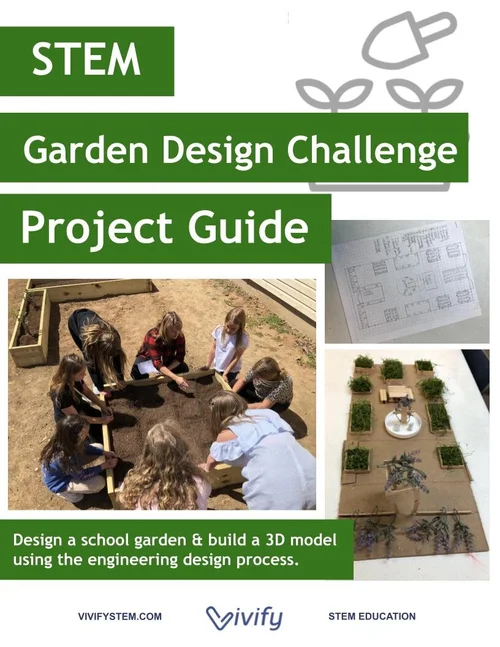
Credit: www.vivifystem.com
Benefits Of A School Garden
School gardens offer hands-on learning and promote healthy eating. Designing a school garden includes selecting plants and creating paths.
A school garden offers numerous benefits to students and the community. It serves as a living classroom, providing hands-on learning experiences. Gardens can improve academic performance and foster a love for nature. They also teach important life skills such as teamwork and responsibility. These green spaces contribute to healthier lifestyles and environmental awareness.Environmental Education
School gardens are perfect for teaching environmental concepts. Students learn about ecosystems and plant life cycles. They witness the importance of biodiversity firsthand. This knowledge fosters a deeper connection to nature.Improved Academic Performance
Gardens can boost student achievement in subjects like science and math. Hands-on activities engage students and make learning fun. This interactive approach helps students retain information better.Healthier Eating Habits
Students are more likely to eat fruits and vegetables they grow. Gardens encourage trying new foods and understanding nutrition. This promotes healthier eating habits among children.Social Skills Development
Working in a garden teaches cooperation and communication. Students learn to work together and solve problems. These experiences build essential social skills for future success.Stress Reduction
Gardening activities can reduce stress and anxiety. Spending time outdoors calms the mind and improves mood. Students benefit from a peaceful environment for learning.Community Engagement
School gardens can unite communities and families. Parents and neighbors can volunteer and support the garden. This involvement strengthens community bonds and enhances the school’s role in the neighborhood.Hands-on Learning Opportunities
Gardening provides practical lessons on responsibility and hard work. Students learn to care for plants and manage garden tasks. These experiences teach valuable life skills that extend beyond the classroom.Planning The Garden Space
Designing a school garden involves choosing the right plants and layout. Consider sunlight, space, and accessibility for all students. Plan pathways and seating areas to enhance learning and engagement.
Planning the garden space for a school garden is a crucial step that sets the foundation for a thriving outdoor classroom. It requires careful consideration of various factors to ensure the garden is both functional and inspiring. Here, we will explore how to thoughtfully plan your garden space with specific focus on choosing the right location and assessing sunlight and soil conditions.Choosing The Location
Selecting the perfect spot for your school garden is paramount. Look for an area that is easily accessible to students and teachers alike. Proximity to classrooms can encourage more frequent visits and hands-on learning. Consider the safety of the location. Avoid areas near busy roads or those that might pose risks to children. You want a spot where students can explore freely without constant supervision. Think about the visibility of the garden. A location that is visible from the school entrance or main pathways can spark curiosity and draw more participants. It also ensures the garden becomes a proud part of the school community.Assessing Sunlight And Soil
Sunlight is a key factor in the success of your garden. Observe the chosen location throughout the day to determine how much sunlight it receives. Most vegetables and flowers need at least 6-8 hours of sunlight daily. If you notice the area is too shaded, consider tree pruning or selecting shade-tolerant plants. This adjustment can make a significant difference in plant growth and yield. Soil quality is equally important. Conduct a simple soil test to check for nutrients and pH levels. You can involve students in this process, turning it into an educational activity. If the soil isn’t ideal, consider raised beds or adding compost to improve its condition. Planning a school garden space is a journey of discovery and creativity. With each decision, you’re shaping a vibrant learning environment that will nurture both plants and young minds. Are you ready to start digging in?Engaging The Community
Creating a school garden is a wonderful opportunity to bring the community together. It serves as a vibrant, educational space that benefits not just the students, but everyone involved. Engaging the community in the garden project ensures its sustainability and fosters a sense of ownership and pride. Let’s explore how to involve different community members effectively.
Involving Teachers And Students
Teachers are crucial in integrating the garden into the curriculum. Collaborate with them to brainstorm ideas on how the garden can be used for lessons across subjects. From science experiments to art projects, the garden is a versatile learning environment.
Consider organizing a ‘Garden Week’ where each class participates in activities. This can range from planting seeds to learning about composting. Engaging students directly creates excitement and a sense of responsibility towards the garden.
Why not start a garden club? Invite students who show extra interest in gardening. This club can meet regularly to maintain the garden and plan future expansions. It’s a fantastic way to nurture leadership skills and teamwork.
Seeking Volunteer Support
Parents and local community members can be a valuable support system for your school garden. Reach out through school newsletters or local social media groups to seek volunteers. Highlight specific tasks and time commitments to make it easy for people to get involved.
Consider hosting a ‘Volunteer Day’ where families and community members come together to work on the garden. This not only helps with garden upkeep but also strengthens community bonds. Provide refreshments and create a welcoming atmosphere to make the day enjoyable.
Is there a local gardening club or nursery nearby? Establish partnerships for additional support and expertise. They might offer advice, donate supplies, or even host workshops for students and volunteers.
Designing The Layout
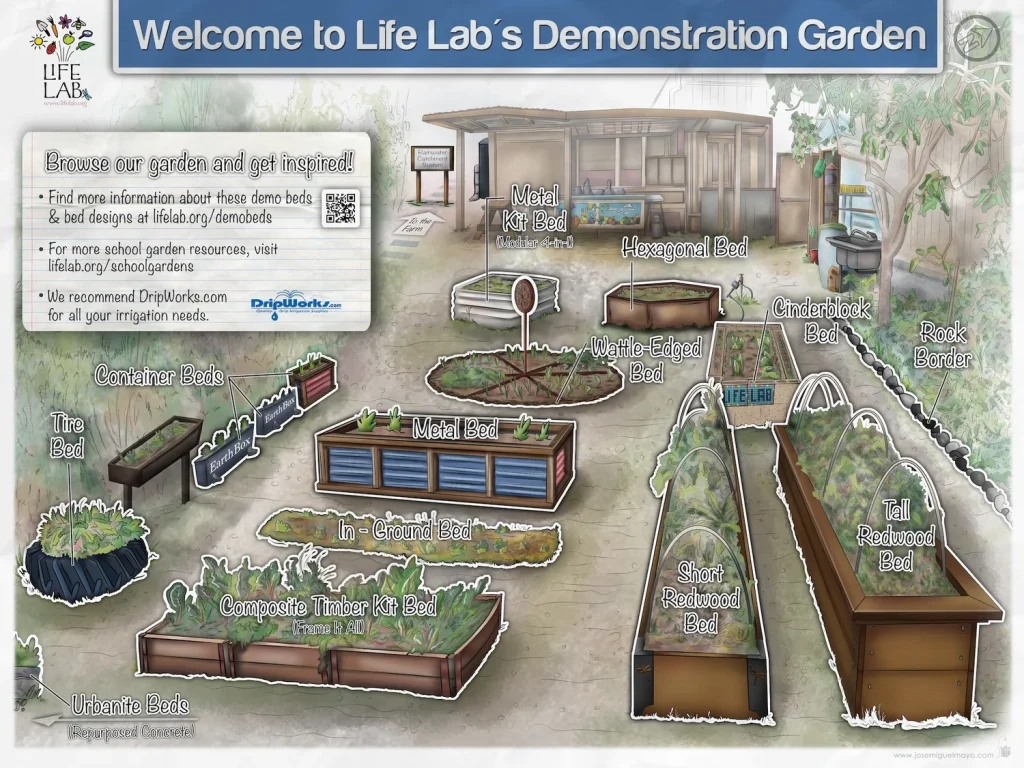
Creating a school garden layout involves organizing spaces for plants, paths, and seating. Incorporate diverse plant areas to foster learning and exploration. Design inviting paths that guide students through different garden zones.
Designing a school garden layout requires careful planning. It sets the foundation for a functional and beautiful space. A well-thought-out design ensures the garden serves educational purposes. It also provides a calming environment for students. Let’s explore key steps to create an effective layout.Deciding On Garden Style
Choose a style that suits the school’s environment. Consider the available space and climate. Decide between formal or informal styles. A formal style uses neat rows and symmetry. An informal style embraces curves and natural shapes. Think about the school’s educational goals. Some styles focus on native plants or edible gardens. Involve students and teachers in the decision. Their input can inspire creative ideas.Creating Pathways And Zones
Pathways guide students through the garden. They should be wide enough for easy access. Use durable materials like gravel or pavers. Ensure pathways are level to prevent accidents. Zones help organize the garden. Each zone serves a specific purpose. Examples include vegetable patches, flower beds, and seating areas. Clearly define each zone with borders. This helps maintain order and ease of navigation. Consider adding signs to describe each zone. It aids learning and enhances the garden’s educational value.Selecting Plants And Materials
Choosing the right plants and materials is vital for a school garden. Focus on native plants that thrive in local climates and require minimal maintenance. Durable materials ensure the garden withstands daily student activities.
Designing a school garden involves thoughtful planning, especially in choosing plants and materials. These elements form the backbone of your garden’s success. A well-thought-out selection ensures a vibrant and sustainable space.Choosing Edible And Non-edible Plants
Selecting plants is crucial for a thriving garden. Edible plants are popular for school gardens. Vegetables like tomatoes, carrots, and lettuce engage students. Fruits such as strawberries and blueberries can be rewarding. Consider plant growth time and seasonality. Fast-growing plants are ideal for quick results. Non-edible plants add diversity and beauty. Flowers like marigolds and sunflowers can enhance aesthetics. Native plants are low maintenance and support local wildlife. Balance both types for an interactive learning environment.Gathering Tools And Supplies
Having the right tools is essential. Basic tools include shovels, trowels, and watering cans. Invest in durable, child-friendly equipment. Raised beds and containers are great for small spaces. Consider soil quality and composting materials. Organic mulch can maintain moisture and reduce weeds. Paths and seating areas need suitable materials. Use gravel or wood chips for paths. Wooden benches or recycled materials make excellent seating. Create a checklist of necessary items for efficient gardening.Implementing Sustainable Practices
Implementing sustainable practices in school gardens promotes environmental awareness. It teaches students about the importance of conserving resources. Sustainable gardening reduces waste and enhances biodiversity. It also creates a learning environment that supports ecological balance.
Water Conservation Techniques
Water is a precious resource. Efficient use in school gardens is crucial. Consider using rain barrels to collect rainwater. This reduces the need for tap water. Drip irrigation systems are another effective method. They deliver water directly to the plant roots. This minimizes evaporation and saves water. Mulching is also beneficial. It retains soil moisture and reduces the need for frequent watering.
Organic Gardening Methods
Organic gardening avoids synthetic chemicals. It relies on natural processes to maintain plant health. Use compost to enrich the soil. Composting recycles garden and kitchen waste. It provides essential nutrients for plants. Encourage the use of natural pest control. Introduce beneficial insects like ladybugs. They help manage harmful pests without chemicals. Rotate crops to prevent soil depletion. This practice maintains soil fertility and reduces plant diseases.
Maintaining The Garden
Creating a school garden involves planning diverse plant species that foster learning. Consider accessibility for all students and ensure pathways are clear and safe. Integrate educational elements like labeled plants to enhance learning experiences.
Maintaining a school garden requires dedication and careful planning. A well-maintained garden provides a thriving space for learning and growth. Regular care ensures plants remain healthy and productive. It also keeps the garden area safe and inviting. Engage students and staff to share responsibilities. This fosters a sense of ownership and pride.Scheduling Routine Care
Creating a schedule for routine care is vital. Assign daily tasks like watering, weeding, and checking for pests. Rotate duties among students and staff. This builds teamwork and responsibility. Use a calendar to track tasks and progress. This visual aid helps everyone stay informed and involved.Handling Seasonal Changes
Seasonal changes impact garden maintenance needs. In spring, focus on planting and soil preparation. Summer requires consistent watering and pest control. Autumn is for harvesting and preparing for winter. Winter involves protecting plants and planning for the next season. Adapt maintenance tasks to suit each season’s demands.Educational Opportunities
Designing a school garden offers hands-on learning experiences. Students engage with nature, fostering teamwork and responsibility. Garden projects can enhance science and environmental education, cultivating a deeper appreciation for the natural world.
A school garden isn’t just a patch of soil; it’s a dynamic classroom where students can dig into various subjects while getting their hands dirty. The educational opportunities are vast, ranging from science and math to art and language. By integrating garden-based learning, you can foster curiosity and encourage students to make real-world connections.Integrating Curriculum Activities
A school garden provides a fertile ground for integrating curriculum activities across different subjects. Imagine students calculating area and perimeter by measuring garden beds, or observing plant growth to understand life cycles in science class. Language arts can flourish with creative writing assignments inspired by the sights, sounds, and smells of the garden. Art students can sketch the vibrant colors and textures of plants, creating a visual diary of the seasons. To make it even more engaging, consider project-based learning. Assign students to design their own garden plots, incorporating lessons from history, geography, and even economics. How would they budget for plants and materials? What historical farming techniques might they try?Promoting Environmental Awareness
Teaching students to care for a garden also instills a deep sense of environmental stewardship. As they learn to nurture plants, they begin to understand the delicate balance of ecosystems and the importance of biodiversity. Discuss the impact of climate change on plant growth and explore sustainable practices like composting and water conservation. What if each class took responsibility for a different aspect of the garden’s sustainability? Invite local environmental experts to speak or organize field trips to nearby nature reserves. By connecting classroom lessons to the wider world, you spark a lifelong passion for protecting our planet.Evaluating Success
Designing a school garden involves assessing student involvement and plant growth. Monitor the garden’s impact on learning and environmental awareness. Regular evaluations help refine the garden’s design for educational success.
Evaluating the success of a school garden is crucial. It helps understand the impact on students and the environment. This section will explore ways to measure both student engagement and environmental impact.Assessing Student Engagement
Student involvement is a key indicator of a garden’s success. Observe how often students visit the garden. Track participation in garden-related activities. Ask students about their experiences. Surveys can provide insights into their enthusiasm and interest. Note any increase in gardening knowledge. Check if students show more curiosity about plants and nature.Measuring Environmental Impact
Environmental impact is another success measure. Monitor the garden’s biodiversity. Count the variety of plants and animals present. Evaluate soil health and water usage. Look for improvements in the surrounding ecosystem. Track energy savings if the garden uses sustainable practices. Document changes over time to see growth and positive effects.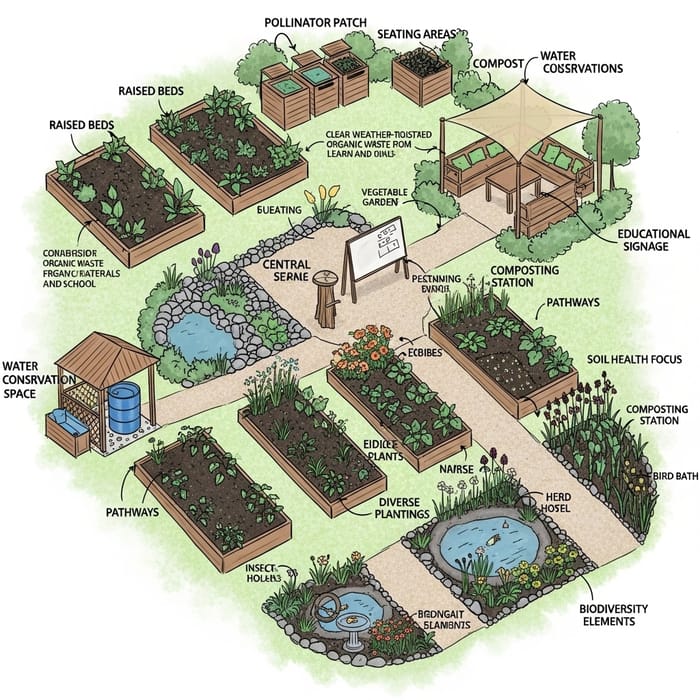
Credit: easy-peasy.ai
Credit: www.youtube.com
Frequently Asked Questions
What Are The First Steps In Designing A School Garden?
Begin by assessing the available space and resources. Identify the types of plants suitable for the climate. Involve students and staff in the planning process. Determine the purpose of the garden, such as educational or recreational. Set a budget and create a timeline for development.
How Can A School Garden Benefit Students?
School gardens offer hands-on learning experiences in subjects like science and math. They promote environmental stewardship and healthy eating habits. Students develop teamwork and responsibility through garden tasks. Gardens can also provide a calming space for relaxation and reflection.
What Plants Are Ideal For School Gardens?
Choose plants that are easy to maintain and grow quickly. Vegetables like lettuce and tomatoes are great choices. Herbs such as basil and mint can be educational. Flowers like marigolds add color and attract pollinators. Consider native plants for sustainability and local wildlife support.
How To Maintain A School Garden Year-round?
Create a schedule for regular maintenance tasks like watering and weeding. Use mulch to retain moisture and suppress weeds. Rotate crops to prevent soil depletion. Involve students in seasonal tasks like planting and harvesting. Implement a winter plan, such as using cover crops or indoor gardening.
Conclusion
Creating a school garden is a rewarding journey. Students learn about nature and teamwork. Plants grow and thrive, just like their knowledge. Teachers can use the garden for lessons. Fresh air and sunlight boost energy and mood. Gardens teach patience and responsibility.
Everyone can help care for the plants. Simple steps lead to beautiful results. The community benefits too. Sharing the harvest builds connections. School gardens make learning fun. They inspire creativity and curiosity. Start small, dream big. Watching the garden flourish brings joy.
A garden is a place for growth, in many ways.







