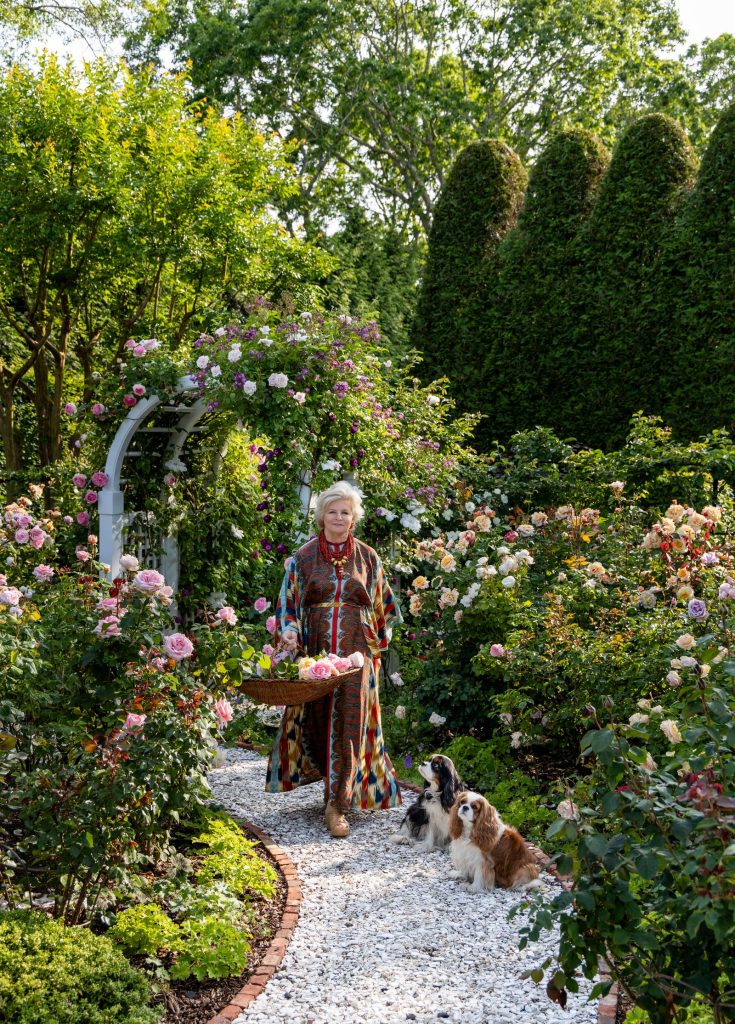
Imagine stepping into your backyard and being greeted by the enchanting sight and fragrance of roses in full bloom. Designing a rose garden in the UK can transform your outdoor space into a picturesque haven of beauty and tranquility.
Whether you have a sprawling estate or a cozy corner in your garden, creating a rose garden tailored to your taste is within reach. This guide will walk you through the essential steps to design a stunning rose garden that thrives in the UK climate.
You’ll discover practical tips to select the right rose varieties, arrange them for maximum visual impact, and maintain them with ease. Ready to make your garden dreams come true? Let’s dive in and turn your vision into a breathtaking reality!
Choosing The Right Location
Selecting the perfect spot ensures your roses thrive. Choose a location with ample sunlight and well-drained soil. Avoid areas with strong winds to protect delicate blooms.
Choosing the right location for your rose garden is crucial. Roses thrive in specific conditions. A well-chosen spot ensures healthy growth and vibrant blooms. Let’s explore key factors to consider.Sunlight Requirements
Roses need sunlight for at least six hours daily. Full sun helps roses grow strong and bloom beautifully. Avoid shaded areas near trees or buildings. Sunlight boosts their energy and color.Soil Quality And Drainage
Good soil is vital for healthy roses. Ensure soil is rich and well-drained. Roses dislike waterlogged soil. Test soil pH; aim for slightly acidic conditions. This supports nutrient absorption and robust growth. Selecting the right location enhances your rose garden’s beauty and health. Consider these factors for a thriving garden in the UK.
Credit: www.davidaustinroses.co.uk
Selecting Rose Varieties
Selecting the right rose varieties is key to designing a beautiful garden in the UK. Consider climate compatibility and blooming patterns for a vibrant display. Mix colors and species to create a stunning visual impact.
Selecting Rose Varieties Designing a rose garden in the UK is both an art and a science. The choice of rose varieties can make or break your garden’s aesthetic and health. Picking the right roses involves understanding your garden’s conditions and your personal style preferences. Do you want a fragrant oasis or a vibrant, colorful display? The answer will guide your selection.Climate Considerations
The UK’s climate is known for its mild temperatures and ample rainfall, which most roses love. However, not all rose varieties thrive equally across the country. In northern regions, you might deal with colder temperatures and less sunshine, so opt for hardier varieties. Southern areas, with their milder winters, allow for a broader selection. Consider the microclimate of your garden as well. Do you have a sunny spot or a shaded area? Some roses prefer full sun, while others tolerate partial shade. Understanding your garden’s specific climate will help you select roses that will flourish.Popular Uk Rose Varieties
In the UK, several rose varieties stand out for their beauty and resilience.- David Austin Roses:Known for their old-world charm and delightful fragrance. These are a favorite for cottage gardens.
- Hybrid Teas:With their large, showy blooms, they add a touch of elegance. Perfect for formal gardens.
- Floribundas:Offering clusters of flowers, they provide a burst of color. Ideal for borders and hedges.
- Climbing Roses:Excellent for covering walls or trellises, they bring vertical interest to your garden.
Planning The Layout
Designing a rose garden in the UK requires careful planning of the layout. Consider sunlight, soil type, and spacing for healthy growth. Arrange different rose varieties to create a visually appealing and fragrant haven.
Planning the layout of your rose garden is crucial. It sets the foundation for a stunning display. The right layout enhances beauty and growth. Thoughtful planning ensures a vibrant garden.Garden Design Styles
Select a style that matches your taste. Formal gardens have symmetrical patterns. Informal gardens offer a relaxed look. Cottage gardens combine roses with other flowers. Each style creates a unique atmosphere. Consider your available space and desired aesthetic.Spacing And Arrangement
Proper spacing ensures healthy rose growth. Crowded plants compete for nutrients. Allow enough room for air circulation. This reduces disease risks. Arrange roses by height for visual appeal. Taller roses at the back, shorter ones in front. Use paths for easy access and maintenance. Paths also add structure to your garden.
Credit: www.davidaustinroses.co.uk
Preparing The Soil
Creating a rose garden in the UK begins with soil preparation. Ensure the soil is well-drained and rich in nutrients. Incorporate organic matter like compost to enhance fertility and structure.
Preparing the soil is a crucial step in designing a beautiful rose garden. The right soil foundation supports vibrant roses and ensures healthy growth. In this section, we explore techniques to prepare the soil for your rose garden in the UK.Amending Soil
Start by assessing the soil quality in your chosen garden spot. Roses thrive in soil rich in nutrients. Enhance the soil by mixing in organic matter like compost or well-rotted manure. These materials improve soil texture and fertility. Test the soil’s pH level using a soil test kit. Roses prefer slightly acidic soil with a pH between 6.0 and 6.8. If the soil is too alkaline, add sulfur to balance the pH. For acidic soil, lime can help raise the pH.Enhancing Drainage
Proper drainage is essential for rose health. Roses dislike waterlogged roots. Examine the natural drainage of your garden area. If the soil tends to hold water, consider adding coarse sand or gravel. These materials improve drainage and prevent root rot. Elevating the garden bed can also aid drainage. Use raised beds or mounds to allow excess water to run off easily. This method ensures roses receive adequate water without becoming waterlogged. Check for compacted soil. Compacted soil restricts water flow and root growth. Break up compacted areas with a garden fork to improve aeration and drainage.Planting Techniques
Creating a rose garden in the UK involves choosing the right location with good sunlight and well-drained soil. Consider the rose varieties, ensuring they suit the climate and space. Arrange plants thoughtfully, maintaining spacing for airflow and visual appeal.
Planting a rose garden in the UK can be a rewarding endeavor, transforming your outdoor space into a vibrant haven of color and fragrance. Understanding the right planting techniques is crucial to ensure your roses thrive. From determining the correct planting depth to mastering watering practices, each step plays a vital role in the health and beauty of your garden.Correct Planting Depth
The depth at which you plant your roses can significantly affect their growth. Too deep, and the roots may not get enough oxygen; too shallow, and they may dry out. Aim to plant the rose so that the graft union (the bulge above the roots) is just below the soil surface. This helps protect the graft from frost and encourages new shoots to emerge. Use a ruler or a planting stick to measure and ensure accuracy. Consider the soil type in your garden. If it’s heavy clay, plant a little higher to prevent waterlogging. For sandy soils, you might plant a bit deeper to retain moisture. These small adjustments can make a big difference to your roses’ success.Watering Practices
Watering is as much an art as it is a science. Roses need consistent moisture, but they hate having wet feet. This means striking a balance is key. Water deeply but infrequently. This encourages the roots to grow deeper, making the plant more drought-resistant. A general rule is to water once a week, but adjust according to the weather and soil conditions. Use a soaker hose or drip irrigation to deliver water directly to the roots, minimizing evaporation. Be mindful of the time of day; watering in the early morning is ideal as it reduces the risk of fungal diseases and allows the foliage to dry before nightfall. By using these planting techniques, you’re setting the stage for a thriving rose garden that will bring joy and beauty for years to come. Have you tried these methods in your garden? What results have you noticed?
Credit: www.royalparks.org.uk
Maintaining Your Rose Garden
Designing a rose garden in the UK involves selecting suitable varieties for the climate. Plan your garden layout with paths for easy access. Ensure proper sunlight and drainage to encourage healthy growth and vibrant blooms.
Maintaining Your Rose Garden is an art that can turn your outdoor space into a blossoming paradise all year round. The secret lies in regular care and attention. You might find yourself asking, how can you ensure your roses remain vibrant and healthy? Let’s dive into practical ways to nurture your rose garden so it thrives beautifully in the UK climate.Pruning Techniques
Pruning is essential for encouraging new growth and maintaining the shape of your rose bushes. Use sharp, clean shears to make precise cuts. Remove dead or damaged wood, and aim to open up the center of the plant to allow air circulation. Consider timing your pruning in late winter or early spring. This helps the plant focus its energy on producing lush blooms as the weather warms. Are you unsure about cutting back too much? Remember, roses are surprisingly resilient; a good trim often leads to a stronger plant.Fertilizing Schedule
A consistent fertilizing schedule can be the difference between mediocre and magnificent blooms. Begin feeding your roses in early spring when new growth appears. Use a balanced rose fertilizer and follow the package instructions for application rates. Continue fertilizing every 4-6 weeks throughout the growing season. This will supply essential nutrients and encourage repeat blooming. Have you tried using homemade compost? It’s an eco-friendly option that enriches the soil naturally.Pest And Disease Control
Keeping pests and diseases at bay requires vigilance. Regularly inspect your rose plants for signs of issues like aphids or black spot. Early detection can prevent widespread problems. You might be surprised how effective a simple spray of water can be to dislodge pests. For more stubborn issues, consider using organic remedies or commercial products specifically designed for roses. Are you worried about chemicals? Opt for natural treatments like neem oil, which can effectively manage pests without harming beneficial insects.Seasonal Care Tips
Designing a rose garden in the UK requires attention to climate and soil conditions. Choose rose varieties that thrive in cooler climates and ensure proper drainage for healthy growth. Regular pruning and feeding will keep your roses blooming beautifully throughout the changing seasons.
Designing a rose garden in the UK can be a rewarding endeavor, but it demands careful attention throughout the year. Seasonal care is crucial to ensure your roses thrive, offering vibrant blooms and a delightful fragrance. Understanding the unique needs of your rose garden as seasons change can make all the difference.Winter Protection
Winter can be harsh on your rose garden. To safeguard your roses, start by pruning them lightly to prevent wind damage. Cover the base of each plant with a thick layer of mulch or straw, ensuring the roots stay warm. This acts as an insulating blanket against frost. For particularly cold areas, consider using a rose cone or burlap wrap. These simple tools can help shield your plants from biting winds and icy temperatures. Don’t forget to check for waterlogged soil. Good drainage is essential to prevent root rot during the wet winter months.Spring Revival
Spring heralds a fresh start for your roses. It’s the perfect time to prune them more thoroughly, cutting away dead or diseased wood. Feed your roses with a balanced fertilizer to jumpstart their growth. This will replenish nutrients lost over the winter. Watch for signs of pests and diseases as the weather warms. Early detection is key to managing issues before they escalate. Finally, water your roses deeply, ensuring the moisture reaches the roots. This encourages strong and healthy growth throughout the season. How do you ensure your rose garden flourishes with each seasonal transition? Embrace these care tips, and watch your garden bloom into a colorful paradise.Enhancing Aesthetics
Designing a rose garden in the UK requires thoughtful planning and selection. Consider climate-friendly varieties that thrive in cooler temperatures. Arrange roses by color and height for visual appeal, ensuring proper spacing for healthy growth and easy maintenance.
Enhancing the aesthetics of your rose garden can transform it from simply beautiful to absolutely breathtaking. A well-designed rose garden in the UK not only highlights the beauty of the roses themselves but also creates a harmonious environment that enchants every visitor. Whether you are a novice gardener or an experienced horticulturist, enhancing the aesthetics of your garden involves thoughtful planning and creative touches.Complementary Plants
Consider adding complementary plants to bring out the best in your roses. Think of plants with different heights, textures, and colors to create an appealing contrast. Lavender, for instance, not only complements roses with its purple hues but also deters pests naturally. Herbs like sage or thyme can fill in the spaces between rose bushes, offering both beauty and practicality. Their aromatic foliage adds another layer of sensory delight to your garden. Experiment with grasses or ferns to add movement and softness around the rigid structure of rose bushes.Decorative Elements
Incorporating decorative elements can greatly enhance the overall look of your rose garden. Consider adding a quaint bench or a vintage birdbath as focal points amidst the floral display. These elements invite visitors to pause and appreciate the beauty around them. Garden paths made of cobblestones or gravel can guide the eye and feet through your garden’s design. Choose materials that complement the color palette of your roses and surrounding plants. Adding mirrors or garden sculptures can introduce an element of surprise and create the illusion of a larger space. Engage your creative side and ask yourself, what small change can make your rose garden feel more personal and inviting? The answer might just be the key to transforming your garden into a unique sanctuary.Frequently Asked Questions
What Is The Best Rose Type For Uk Gardens?
Choosing the right rose type depends on climate and soil. In the UK, consider varieties like ‘David Austin Roses’ for their resilience and beauty. Hybrid teas and floribundas also thrive well, offering vibrant blooms and fragrance.
How To Prepare Soil For A Rose Garden?
Preparing soil is crucial for healthy roses. Ensure well-drained soil with rich organic matter. Use compost or well-rotted manure to enrich soil. Test pH levels, aiming for 6. 0 to 6. 8, which is ideal for roses.
When Is The Best Time To Plant Roses In The Uk?
In the UK, plant roses between late autumn and early spring. This timing allows roots to establish before summer. Ensure the ground isn’t frozen or waterlogged for optimal growth.
How Often Should Roses Be Watered?
Roses require regular watering, especially in dry spells. Aim for deep watering once a week. Ensure soil is moist but not soggy. Over-watering can lead to root rot, so be cautious.
Conclusion
Creating your rose garden in the UK is a delightful experience. Planning carefully leads to vibrant blooms. Choose roses that suit your garden’s climate. Arrange them thoughtfully for maximum impact. Remember to maintain them well. Pruning ensures healthy growth and beautiful flowers.
Mulching retains moisture and keeps weeds at bay. Watering regularly is key, especially in dry seasons. A well-tended rose garden brings joy throughout the year. It offers beauty and fragrance right at home. Enjoy the process of designing, planting, and watching your garden flourish.
Your dedication turns a simple garden into a stunning oasis.







