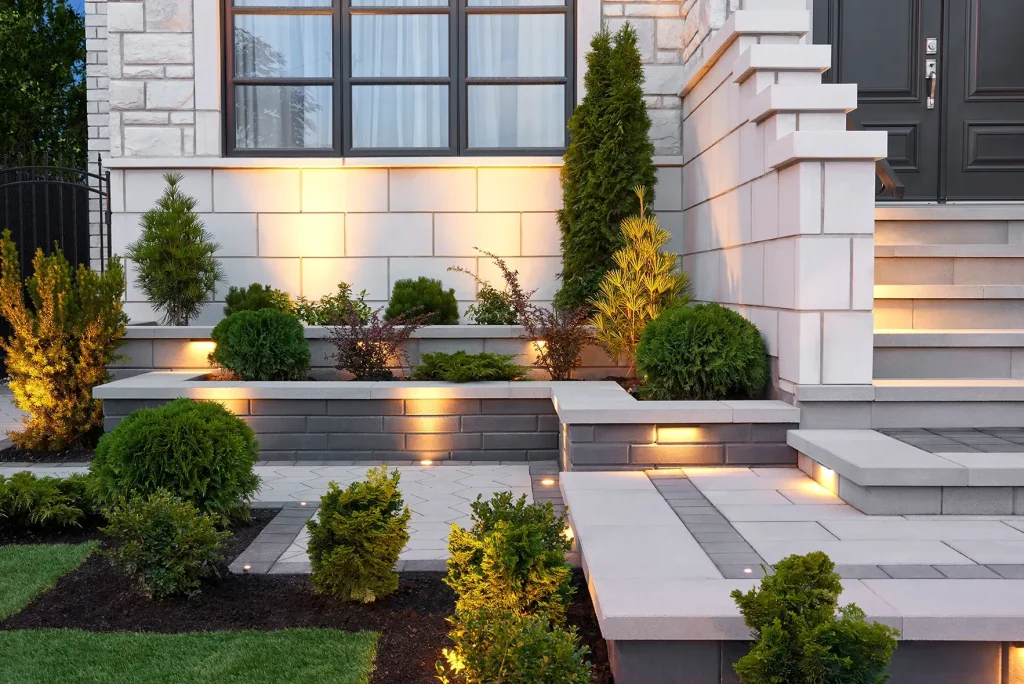
Imagine stepping into your backyard, greeted by the stunning sight of a beautifully crafted retaining wall garden. This isn’t just any garden—it’s a masterpiece of design and function, a sanctuary where nature and creativity come together.
You might think creating such a space is daunting, but what if I told you it’s not only possible but also simpler than you might expect? By the end of this article, you’ll discover the secrets to designing your very own retaining wall garden.
This will not only enhance the beauty of your home but also serve as a practical solution for challenging landscapes. Stay with us, and let’s transform your outdoor space into the envy of the neighborhood, with tips and insights you won’t find anywhere else.
Planning Your Retaining Wall Garden
Designing a retaining wall garden is an exciting venture that transforms a bland slope into a vibrant, structured landscape. Planning is crucial to ensure your garden is both functional and visually appealing. With thoughtful preparation, you can create a space that meets your needs and harmonizes with the surrounding environment.
Assessing The Site
Start by examining your site thoroughly. The first step is to understand the topography and soil type. Is your area prone to erosion or water logging? These factors will influence your design choices.
Consider the sun exposure and prevailing winds. Will your plants thrive in the current conditions? If you notice any existing structures, visualize how your wall might interact with them.
Don’t forget to measure the dimensions. Accurate measurements ensure your wall fits perfectly and serves its purpose effectively.
Determining Wall Functionality
Identify what you want your retaining wall garden to achieve. Do you need it to prevent soil erosion or simply enhance aesthetics? Each function demands specific design elements.
Think about accessibility. Will you include steps or pathways? These features can add convenience and charm to your garden.
Consider future maintenance. Opt for a design that minimizes upkeep. A well-thought-out plan now saves you time and effort later.
Choosing Materials
Material selection is vital for durability and style. Options like stone, concrete, and wood each offer distinct benefits. Stone adds a natural touch, while concrete ensures robustness.
Reflect on your budget. Some materials may be more cost-effective than others, yet still provide the aesthetic you’re aiming for.
Evaluate environmental impact. Choose eco-friendly materials if sustainability is a priority for you. This choice can make your garden more harmonious with nature.
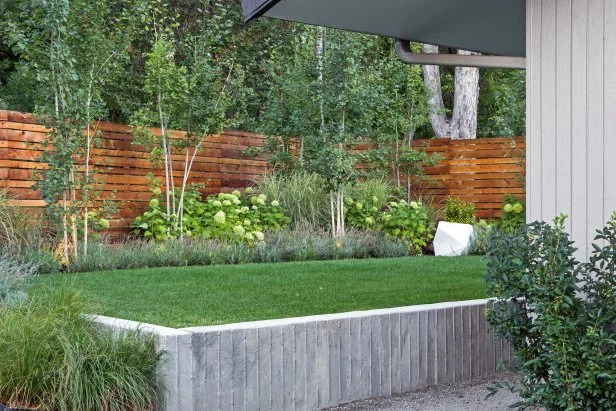
Credit: www.hgtv.com
Design Principles
Designing a retaining wall garden involves choosing materials that blend with the landscape. Ensure proper drainage to prevent water buildup. Consider plant selection carefully for both beauty and function.
Designing a retaining wall garden can transform a bland outdoor space into a vibrant, functional oasis. Following design principles helps ensure your wall garden is not only beautiful but also durable and practical. By focusing on aesthetics, soil and drainage, and plant selection, you can create a garden that truly enhances your outdoor living space.Incorporating Aesthetics
Visual appeal plays a significant role in garden design. Think about the materials and colors that complement your existing landscape. Natural stone offers a timeless look, while concrete blocks can provide a modern feel. Consider varying the height of your retaining wall for added interest. You could also include seating ledges or decorative elements, like mosaic tiles, for a personal touch. Remember, your garden should reflect your style and make you feel at home.Understanding Soil And Drainage
Proper soil and drainage are crucial to the longevity of your retaining wall garden. Poor drainage can lead to structural issues and plant health problems. Ensure your wall has a drainage system, like weep holes or a gravel layer behind the wall. Test your soil to understand its composition. This helps determine the best plants for your garden and what amendments might be needed. A well-planned drainage solution will save you headaches down the road.Considering Plant Selection
Choosing the right plants is vital for a thriving wall garden. Think about the climate, sun exposure, and the wall’s height when selecting plants. Drought-tolerant plants are ideal for sunny locations, while shade-loving plants thrive in less light. Mixing perennials and annuals can add variety and continuous bloom throughout the seasons. Consider how plants will grow over time and how they’ll interact with each other. Your plant choices should enhance the wall’s structure and create a lush, inviting environment.Building The Retaining Wall
Designing a retaining wall garden involves choosing the right materials and layout. Consider the slope and drainage to ensure stability. Incorporate plants that thrive on the wall to enhance its beauty.
Building a retaining wall garden adds both function and beauty to your landscape. It helps manage soil erosion while providing a unique space for plants. This process involves careful planning and execution. Let’s explore the key steps in building your retaining wall.Preparing The Foundation
Start with a strong foundation. Mark the area where the wall will stand. Dig a trench that is about 6 inches deep. Make sure it is wide enough for the base of your wall. Use a level to ensure the bottom of the trench is even. Add a layer of gravel for drainage. Compact the gravel with a tamper. This step prevents shifting and maintains stability.Layering And Mortaring Techniques
Choose the right materials for your wall. Brick, stone, or concrete blocks work well. Lay the first row of blocks on the foundation. Check each block with a level. Apply mortar between the blocks if needed. Stagger the next row like bricks in a house. This pattern adds strength. Repeat until you reach your desired height.Ensuring Stability
Stability is crucial for a durable wall. Install drainage pipes behind the wall. This prevents water pressure build-up. Backfill the space with gravel as you build. Use a level to check each layer. Make adjustments as needed. Consider reinforcing the wall with geogrid or similar materials. This ensures the wall can withstand external forces.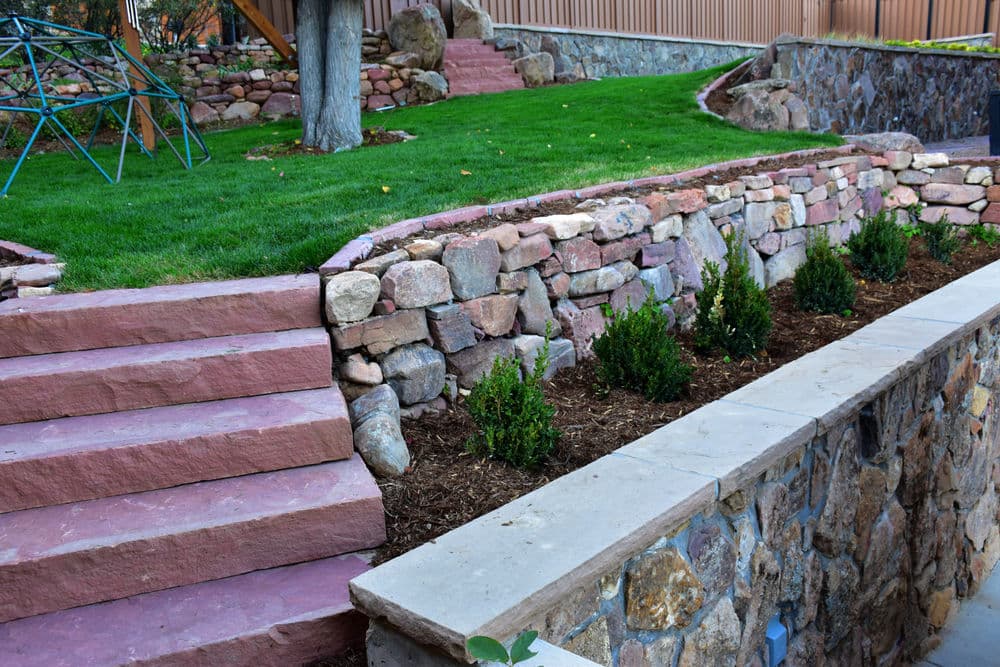
Credit: earthartisans.com
Integrating Garden Elements
Design a retaining wall garden by choosing materials that blend with your landscape. Arrange plants in tiers for visual interest. Ensure proper drainage to keep plants healthy.
Integrating garden elements into your retaining wall design can transform an ordinary space into a vibrant, living masterpiece. Imagine your garden as a canvas, where each element adds texture, color, and life. By thoughtfully incorporating plant beds, irrigation systems, and decorative features, you can create a harmonious and functional outdoor sanctuary that reflects your personality and style.Creating Plant Beds
Creating plant beds in your retaining wall garden is like painting with nature’s palette. Choose plants that thrive in your climate and complement each other. Mix different heights, colors, and textures to add depth and interest. Consider using native plants that are well-adapted to your soil and weather. They are often easier to maintain and can attract local wildlife. You might find that a splash of vibrant flowers can turn a dull wall into a dynamic focal point.Adding Irrigation Systems
Adding irrigation systems ensures your plants receive the right amount of water, even if you’re away. Opt for drip irrigation for precision and efficiency; it targets plant roots directly and minimizes water waste. Think about installing a timer to automate watering. It saves you time and energy while keeping your garden lush and healthy. Have you ever tried watering manually only to find inconsistent growth? Automation can resolve that.Incorporating Decorative Features
Incorporating decorative features can add personality and flair to your garden. Consider adding garden lights to highlight your plants at night, creating a magical atmosphere. Using sculptures or water features can introduce elegance and serenity. Is there a particular theme or style that resonates with you? Reflect that in your choices, ensuring your garden becomes an extension of yourself. By integrating these elements, your retaining wall garden becomes not just a space to admire, but a living testament to your creativity and care. What will you choose to make it uniquely yours?Maintenance Tips
Maintaining a retaining wall garden is essential to ensure its beauty and structural integrity. Regular maintenance prevents damage and keeps your garden flourishing. Here are some practical tips to help you manage your retaining wall garden with ease.
Routine Inspections
Conduct regular inspections to identify any signs of wear or damage. Look for cracks, bulges, or any shifting of the wall. Early detection of these issues can save you from costly repairs and potential safety hazards.
Check the stability of the wall after heavy rain or storms. Water pressure can affect the wall’s structure, so it’s crucial to ensure everything is intact.
Pruning And Plant Care
Regular pruning is key to keeping your plants healthy and your garden looking tidy. Trim any overgrown branches that may cause imbalance or block essential sunlight.
Consider the specific needs of each plant in your garden. Some may require more water or fertilizer than others, so tailor your care accordingly.
Addressing Drainage Issues
Proper drainage is critical to the longevity of your retaining wall garden. Ensure that water is draining away from the wall efficiently to prevent erosion and water damage.
If you notice standing water, it may be time to clean or adjust your drainage systems. This could involve unclogging drains or repositioning downspouts to redirect water flow.
By staying proactive with maintenance, your retaining wall garden can remain a stunning and sustainable feature of your landscape. What steps will you take today to ensure your garden thrives?
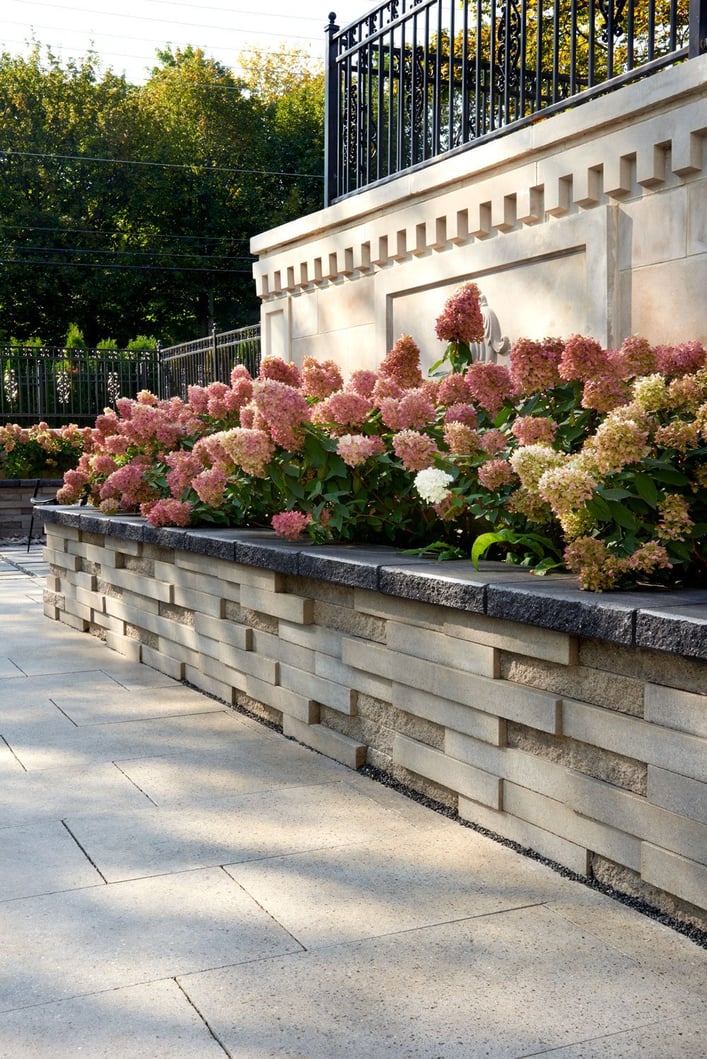
Credit: blog.techo-bloc.com
Frequently Asked Questions
What Materials Are Best For Retaining Walls?
The best materials for retaining walls include concrete blocks, natural stone, and timber. Concrete blocks are durable and versatile. Natural stone offers a classic look and durability. Timber provides a rustic aesthetic but may require more maintenance. Choose based on your garden’s style and budget.
How Do I Ensure Proper Drainage?
Ensure proper drainage by installing perforated pipes behind the wall. Use gravel backfill to allow water to flow freely. This prevents pressure build-up and prolongs the wall’s lifespan. Regularly inspect drainage systems to avoid blockages and potential damage.
What Are The Steps To Design A Retaining Wall Garden?
Start by planning the layout and selecting materials. Ensure proper drainage and foundation. Build the wall step-by-step, ensuring stability and levelness. Incorporate plants that suit the environment. Regular maintenance will enhance the garden’s beauty and longevity.
Can I Build A Retaining Wall Myself?
Yes, you can build a retaining wall yourself with proper planning and tools. Choose the right materials and follow step-by-step guides. However, for complex designs or large projects, hiring a professional may be advisable. Safety and quality should be prioritized.
Conclusion
Creating a retaining wall garden can transform your outdoor space. It adds beauty and prevents soil erosion. Start with a solid plan. Choose the right materials and plants. Use creativity to match your style. Maintenance is key for long-lasting results.
Check for drainage issues regularly. Keep your plants healthy with proper care. A well-designed garden offers relaxation and peace. Enjoy the process and the rewards it brings. You can make your garden a personal retreat. Happy gardening!







