Imagine stepping outside your door and finding a lush, thriving vegetable garden that not only feeds your family but also nurtures the earth. This is the promise of a permaculture vegetable garden, a harmonious blend of nature and design that brings sustainable abundance right to your backyard.
You might be wondering how to create such a garden yourself, and that’s exactly what this article will show you. As you delve deeper, you’ll discover practical steps and insights to transform your outdoor space into a self-sustaining ecosystem. Picture yourself harvesting fresh produce, reducing waste, and supporting biodiversity—all while enjoying the serenity of nature’s perfect balance.
Are you ready to design a garden that grows both food and peace of mind? Keep reading to unlock the secrets to designing your own permaculture paradise.
Permaculture Principles
Designing a permaculture vegetable garden involves observing natural patterns and creating sustainable ecosystems. Focus on diversity, companion planting, and efficient water use. This approach supports healthy plant growth and reduces waste.
Permaculture principles are the backbone of designing a sustainable vegetable garden. They offer a way to work harmoniously with nature, ensuring productivity and resilience. At the heart of permaculture is the idea of observing and interacting with your environment to create a garden that thrives naturally. This involves understanding the site’s unique attributes and incorporating natural systems to boost growth. Let’s explore how these principles can be applied effectively.Ethics And Core Concepts
Permaculture is grounded in ethics that guide your decisions. The core concepts revolve around care for the earth, care for people, and fair share. Care for the earth means creating a garden that nurtures the soil and surrounding ecosystems. You could start with composting kitchen waste to enrich soil fertility. Care for people involves designing spaces that provide abundant food, fostering community and personal well-being. Imagine sharing surplus produce with neighbors and watching your community bond over fresh meals. Fair share is about returning surplus to the system. This can be achieved by saving seeds from your harvest for future planting. What if every garden was a source of new seeds?Zone And Sector Planning
Zone planning is about organizing your garden based on frequency of use and maintenance needs. It helps you work efficiently and intuitively. Start with placing frequently used plants like herbs near your kitchen door. Wouldn’t it be convenient to grab some fresh basil while cooking? Sector planning considers external influences like sun, wind, and water flow. By understanding these, you can optimize plant placement. Think about planting wind-resistant species as buffers for more delicate plants. How much more robust would your garden be with natural windbreaks? These principles are not just theoretical; they transform how you approach gardening. As you design your permaculture vegetable garden, think of how these ethics and planning strategies can lead to a thriving, sustainable space.Site Assessment
Site Assessment Analyze sunlight, wind, and water flow for optimal plant growth. Check soil quality and drainage. Identify microclimates and plan accordingly for a thriving permaculture vegetable garden.
Designing a permaculture vegetable garden begins with a thorough site assessment. Understanding your garden’s unique characteristics helps create a productive space. This involves evaluating the climate, soil, and water resources. Each element plays a crucial role in the garden’s success.Climate And Microclimates
Identify your region’s climate. Is it temperate, tropical, or arid? This knowledge guides plant selection. Observe microclimates within your garden. These are small areas with unique conditions. South-facing slopes receive more sun. Shaded areas stay cooler and moist. Use these differences to your advantage. Plant sun-loving vegetables in sunny spots. Grow shade-tolerant plants in cooler areas.Soil Analysis
Healthy soil is key to a thriving garden. Test your soil to understand its composition. You can buy a soil test kit or hire a professional. Check for pH levels and nutrient content. Healthy soil is loamy, with a balanced pH. Add compost to improve poor soil. Organic matter enriches soil fertility. This supports strong plant growth.Water Resources
Assess the water availability on your site. Does your garden have natural water sources? Rainfall is a primary water source. Check for water runoff patterns. Collect rainwater for irrigation. Install rain barrels or a cistern. Mulching helps retain soil moisture. Use drought-tolerant plants in dry areas. Efficient water use is essential for sustainability. Proper planning ensures your garden thrives.Design Layout
Designing a permaculture vegetable garden involves careful planning to ensure harmony with nature. Focus on efficient use of space, incorporating companion planting and sustainable practices for healthy growth. Consider the garden’s sun exposure, water access, and soil condition to create a productive and eco-friendly layout.
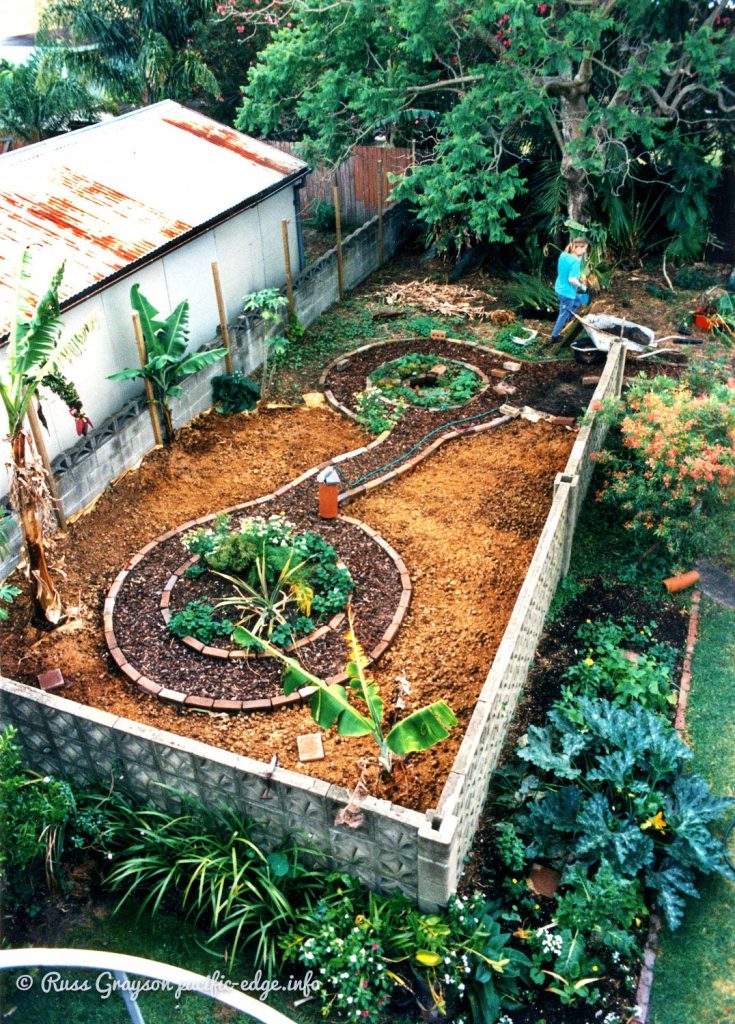
Designing a permaculture vegetable garden requires thoughtful planning. Your garden layout should reflect natural ecosystems. This ensures productivity and sustainability. A well-designed layout maximizes space and resources. It also reduces maintenance time and effort.Garden Zones
Divide your garden into zones. Each zone should have a specific purpose. The most used plants should be in Zone 1, close to your home. This makes daily access easy. Zone 2 can host plants that need less attention. Further zones can include orchards or wild areas. Group plants based on their needs. This promotes healthy growth.Integration With Landscape
Integrate your garden with the natural landscape. Work with existing features like slopes or trees. This creates a harmonious environment. Use natural barriers for wind protection. Plant trees or shrubs to shield delicate plants. Incorporate water features like ponds. These support biodiversity and pest control. Align pathways to follow natural contours. This prevents soil erosion and maintains the landscape.Plant Selection
Choosing plants wisely ensures a thriving permaculture vegetable garden. Consider climate, soil conditions, and companion planting to boost growth. Opt for diverse crops to enhance soil health and resist pests naturally.
Designing a permaculture vegetable garden is both an art and a science. One of the most crucial aspects of this process is plant selection. Choosing the right plants for your garden not only ensures a bountiful harvest but also supports the health of your garden ecosystem. The right plant choices can enhance biodiversity, attract beneficial insects, and create a resilient garden that thrives with minimal intervention. Let’s explore two key components of plant selection: native and adaptable species, and companion planting.Native And Adaptable Species
When selecting plants for your permaculture garden, consider those that are native or highly adaptable to your region. These species are well-suited to the local climate, soil conditions, and pests, making them easier to grow and maintain. In my own garden, I noticed that native plants required less water and were more resistant to local pests. This not only saved time and resources but also created a more sustainable gardening practice. Have you ever wondered why some plants in your garden seem to thrive effortlessly while others struggle? It’s often because they are well-adapted to your specific environment. Choosing native plants can also support local wildlife, as these plants provide natural food sources and habitats. Take a walk around a nearby natural area and observe which plants are thriving. These can be great candidates for your garden.Companion Planting
Companion planting is a technique that involves growing plants together that benefit each other. This strategy can enhance growth, deter pests, and improve yields. For example, planting basil alongside tomatoes not only improves the flavor of your tomatoes but also repels common pests. Have you experimented with companion planting in your garden? It’s fascinating to see how certain plants can improve the health and productivity of others. Creating a table or chart of compatible plant pairings can be a helpful tool as you plan your garden layout. Consider what each plant needs and what it can offer to its neighbors. This thoughtful approach can lead to a more harmonious and productive garden. Incorporating native species and practicing companion planting can transform your permaculture garden into a thriving ecosystem. By selecting the right plants, you’ll not only enjoy a bountiful harvest but also contribute to a healthier environment.Soil Health Management
Designing a permaculture vegetable garden begins with understanding soil health. Healthy soil supports plant growth and boosts productivity. Incorporate organic matter and rotate crops to maintain fertility and structure.
Designing a permaculture vegetable garden begins with nurturing the lifeblood of your garden: the soil. Healthy soil is a vibrant ecosystem teeming with life, crucial for the robust growth of your plants. The focus is on creating a self-sustaining environment that thrives year after year. Understanding soil health management is pivotal. It ensures your garden’s productivity and vitality without relying heavily on chemical inputs. Let’s explore some practical techniques to enhance your soil health.Composting Techniques
Composting is a simple yet effective way to enrich your soil. Start by collecting kitchen scraps like vegetable peels and fruit waste. Mix these with dry materials like leaves and twigs in a compost bin. Turn the compost regularly to aerate it, speeding up decomposition. In a few months, you’ll have nutrient-rich compost ready to feed your garden. Consider vermicomposting for faster results. Worms can break down organic matter quickly, producing rich castings that boost soil fertility.Mulching Strategies
Mulching is a game-changer in soil health management. It helps retain moisture, suppress weeds, and add organic matter as it breaks down. Choose natural materials like straw, wood chips, or grass clippings. Spread a thick layer around your plants, ensuring the soil is covered but not suffocated. Experiment with different mulch types to see what works best in your climate. Mulching can dramatically reduce your watering needs and improve soil structure over time. Maintaining healthy soil is a rewarding endeavor. What small changes can you make today to enhance your garden’s soil health?Water Conservation
Designing a permaculture vegetable garden encourages water conservation by utilizing natural elements and efficient irrigation techniques. Incorporate swales and mulch to retain moisture and reduce water usage. Planting native, drought-resistant species further enhances the garden’s sustainability and resilience.
Designing a permaculture vegetable garden involves a thoughtful approach to water conservation. The earth is increasingly facing water shortages, and your garden can be a small step towards sustainable living. Learning how to conserve water not only benefits the environment but also reduces your water bill. Let’s explore some effective techniques to achieve this.Rainwater Harvesting
Rainwater harvesting is an excellent way to conserve water in your garden. By collecting rainwater from rooftops, you can store it in barrels for later use. These barrels can be connected to a simple spout, allowing you to water your garden without using mains water. Consider installing a rain chain or a series of gutters to direct water into your storage system. This setup can be both functional and visually appealing. Imagine the satisfaction of watching your plants thrive solely on the rainwater you’ve harvested.Efficient Irrigation Systems
Investing in an efficient irrigation system can make a big difference in water conservation. Drip irrigation systems, for instance, deliver water directly to the plant roots, minimizing evaporation and runoff. This ensures your plants receive the exact amount of water they need, reducing waste. You can automate these systems with timers to water during cooler hours, further conserving water. Have you thought about the benefits of using a soaker hose? It’s another cost-effective solution that can be laid out along your plant rows, providing consistent moisture. Incorporating these methods not only conserves water but also enhances the health of your garden. What other creative solutions can you think of to save water in your permaculture garden?Pest Control
A permaculture vegetable garden thrives on natural pest control techniques. Companion planting is key; certain plants repel pests, while others attract beneficial insects. Mulching and crop rotation maintain soil health, reducing pest infestations over time.
Designing a permaculture vegetable garden involves many aspects, but pest control can often be the most challenging. A well-thought-out pest control strategy can safeguard your plants, increase yield, and maintain the ecological balance of your garden. This section will guide you through some effective pest control strategies that harmonize with the principles of permaculture.Natural Predators
One of the most effective pest control methods in permaculture is inviting natural predators into your garden. Birds, ladybugs, and frogs are excellent allies in keeping pests at bay. Consider creating habitats like birdhouses, ponds, or insect hotels to attract these helpful creatures. Did you know that a single ladybug can eat up to 50 aphids a day? By encouraging these natural predators, you create a self-sustaining ecosystem that reduces the need for chemical interventions. Ask yourself: What can you do to make your garden more welcoming to these natural helpers? Observing which creatures are native to your area and what they need can make a significant impact.Organic Solutions
If natural predators aren’t enough, organic solutions can be your next line of defense. These are safe for both your plants and the environment. Neem oil, for example, is a popular choice due to its effectiveness against a wide range of pests. You might also try homemade insecticidal soap. Mix water with a bit of dish soap and spray it on affected plants. This solution is simple, cost-effective, and surprisingly effective against soft-bodied insects. Another strategy is crop rotation and companion planting. By rotating crops and planting pest-repelling plants like marigolds, you can confuse pests and minimize their impact. Reflect on what organic methods might work best for your specific garden conditions. Have you tried different solutions? What results did you observe? Engaging with these questions can lead you to the most effective pest control strategy for your permaculture vegetable garden.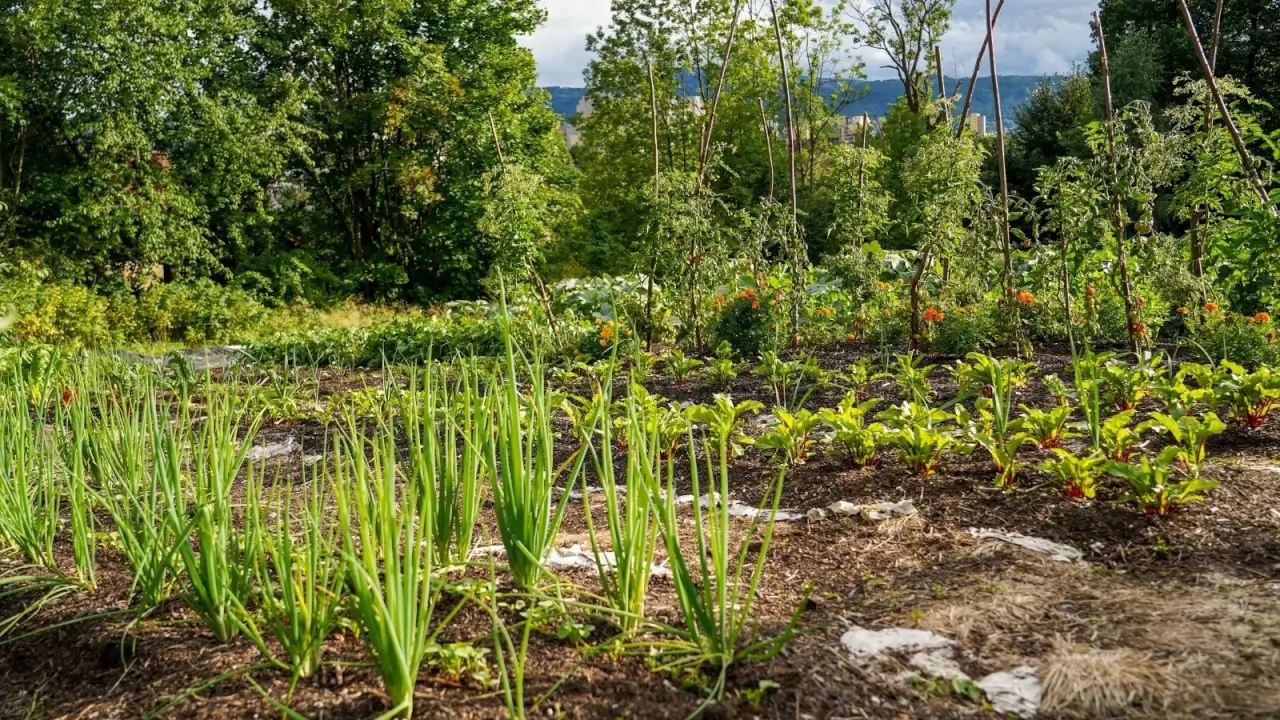
Credit: modernfarmer.com
Sustainable Practices
Permaculture vegetable gardens focus on working with nature to create sustainable systems. These gardens aim to use resources wisely and reduce waste. Sustainable practices play a crucial role in achieving these goals. They ensure that the garden remains productive and healthy over time.
Energy Efficient Tools
Use tools that require minimal energy. Hand tools often work best. They don’t need fuel or electricity. Solar-powered tools are another great option. They use sunlight, a renewable resource, to operate. This reduces the garden’s carbon footprint.
Waste Reduction
Composting helps turn garden waste into nutrient-rich soil. This practice reduces waste and enriches the garden. Collect rainwater to use for watering plants. It saves water and reduces the garden’s reliance on external sources. Reuse materials like old containers or wood for garden structures. This practice minimizes waste and conserves resources.
Seasonal Planning
Designing a permaculture vegetable garden requires understanding seasonal changes. Plan crops based on climate and soil conditions. Integrate companion planting to boost growth and pest control naturally.
Designing a permaculture vegetable garden is an exciting journey that requires a thoughtful approach to seasonal planning. It is not just about planting seeds; it’s about understanding the rhythms of nature and working with them to ensure your garden thrives. Seasonal planning helps you to maximize yields, maintain soil health, and manage resources efficiently throughout the year.Crop Rotation
Crop rotation is a fundamental practice in permaculture. It involves changing the location of crops in your garden each season. This prevents soil depletion and reduces the risk of pest and disease build-up. Imagine planting tomatoes in the same spot year after year. Pests that love tomatoes would have a continuous feast, and the soil would become tired. By rotating crops, you keep pests guessing and enrich the soil with different nutrients. A simple three-year rotation could look like this:- Year 1: Plant legumes (beans, peas) to fix nitrogen in the soil.
- Year 2: Follow with nitrogen-hungry plants (lettuce, spinach).
- Year 3: Grow root vegetables (carrots, beets) that require well-drained soil.
Planting Calendar
Creating a planting calendar is your roadmap to a successful garden. It helps you know what to plant and when, based on your local climate and seasonal changes. A calendar is not just a list of dates. It’s a dynamic tool that adapts to your garden’s unique conditions. For instance, if you notice an early spring, you might plant sooner than planned. Consider using color-coded charts or digital apps to track planting, harvest dates, and companion planting. This keeps your planning organized and accessible. Engage with local gardening communities or online forums to share insights and get tips tailored to your region. They can offer invaluable advice about what works and what doesn’t. Have you thought about how seasonal changes affect your garden planning? Adjusting your strategy can make a significant difference in your garden’s success.
Credit: medium.com
Community Engagement
Designing a permaculture vegetable garden involves engaging with the community to share skills and ideas. Collaborative efforts help create sustainable layouts that benefit everyone involved. Community input ensures the garden meets local needs and thrives in its environment.
Community engagement is the heartbeat of a thriving permaculture vegetable garden. It fosters a sense of belonging and encourages shared responsibility among neighbors. By involving the community, you not only enrich the garden but also build lasting connections. Let’s dive into how you can actively involve your community through collaborative projects and educational workshops.Collaborative Projects
Engage your neighbors by initiating group planting days. When everyone pitches in, the workload becomes lighter, and the garden blossoms with diverse ideas. You could start with a simple task like building raised beds together. Have you ever considered a community seed exchange? This creates a buzz around the garden and introduces new varieties to your plot. It’s a wonderful way to ensure biodiversity and keep the excitement alive. Create a shared calendar for garden maintenance. This not only helps distribute tasks evenly but also encourages regular participation. Each member can contribute their unique skills, making the garden a true community masterpiece.Educational Workshops
Host workshops to share knowledge and empower others. Offer sessions on composting, crop rotation, or organic pest control. These workshops can transform beginners into confident gardeners. Invite local experts to speak. Their insights can inspire and educate, turning your garden into a hub of learning. Consider an interactive session where participants can ask questions and share their experiences. What about a hands-on demonstration day? Allow participants to get their hands dirty and learn by doing. This approach can be incredibly effective in fostering practical skills and boosting confidence in permaculture practices.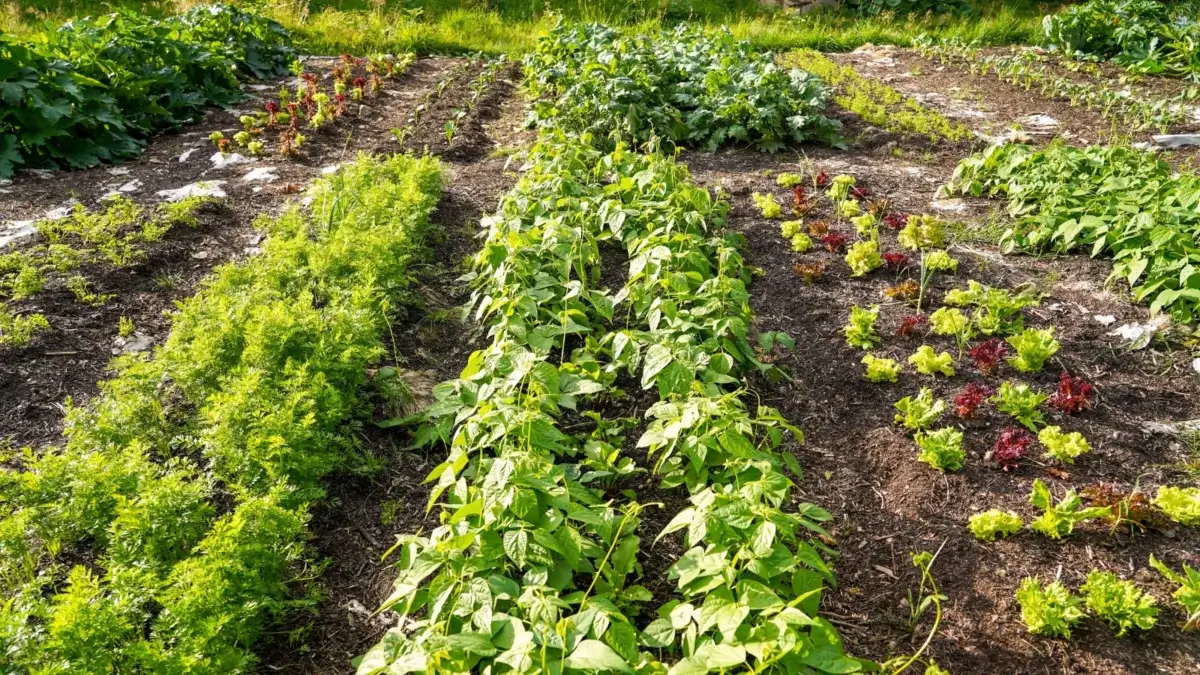
Credit: modernfarmer.com
Frequently Asked Questions
What Is Permaculture Gardening?
Permaculture gardening involves designing agricultural ecosystems that mimic nature’s patterns. It emphasizes sustainability, self-sufficiency, and working with natural cycles. By integrating plants, animals, and the environment, permaculture gardens promote biodiversity and resilience, reducing the need for external inputs like fertilizers and pesticides.
How Do I Start A Permaculture Vegetable Garden?
Start by observing your land’s natural patterns and climate. Choose diverse plants that support each other. Implement water-saving techniques, like swales or rainwater harvesting. Focus on building healthy soil with composting and mulching. Design pathways and planting areas that maximize space and efficiency.
What Vegetables Are Ideal For Permaculture Gardens?
Vegetables suited for permaculture gardens include beans, kale, and tomatoes. These plants thrive in diverse ecosystems and benefit from companion planting. Consider perennial vegetables like asparagus and rhubarb for long-term yields. Choose varieties adaptable to local climate and soil conditions for optimal growth.
How Does Permaculture Improve Soil Health?
Permaculture improves soil health by using organic matter and minimizing disturbance. Composting and mulching enrich the soil, promoting beneficial microbes and earthworms. Diverse plantings enhance nutrient cycling and prevent erosion. Natural processes increase soil fertility, reducing the need for chemical fertilizers.
Conclusion
Creating a permaculture vegetable garden is rewarding and sustainable. By integrating nature, you nurture both plants and soil. Start small and observe your garden’s needs. Plant diversity helps balance pests and boosts growth. Water wisely, using rain barrels or swales.
Compost enriches the soil naturally. Try companion planting to maximize space. Choose native plants suited to your climate. Your garden becomes a thriving ecosystem. Every step you take supports the environment. Enjoy the fresh produce and beauty it brings. Embark on this journey and connect with nature’s rhythms.
Your garden will thrive, benefiting both you and the planet.