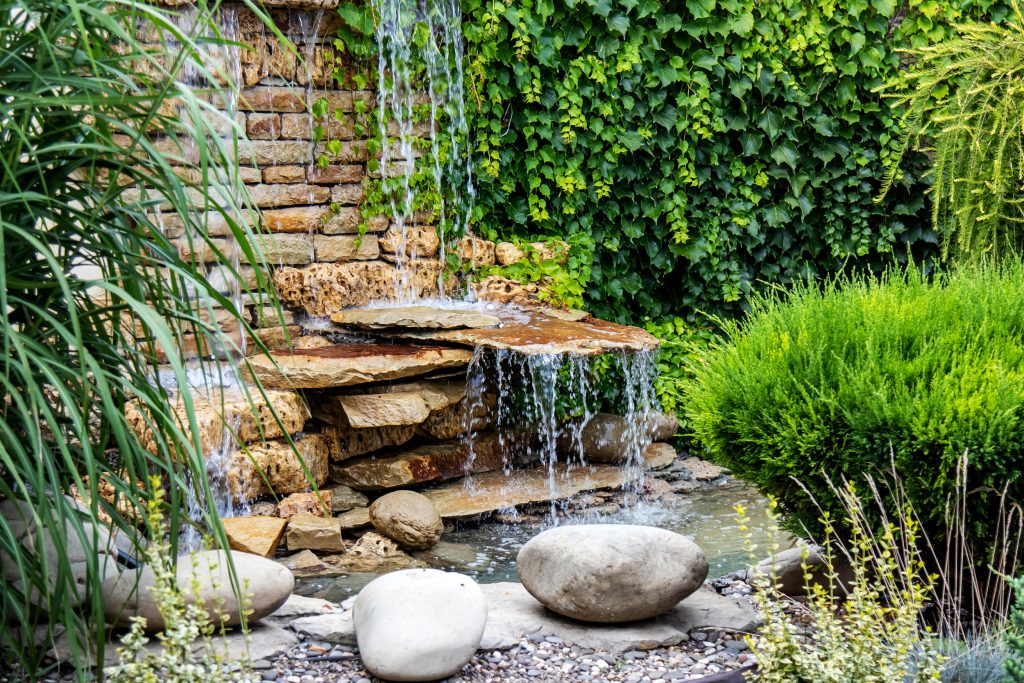
Imagine stepping into your backyard and being greeted by a serene, stylish oasis that instantly calms your senses. That’s the magic of a well-designed pebble garden.
Not only do pebble gardens provide a unique aesthetic appeal, but they are also low-maintenance, making them perfect for those who desire beauty without the hassle. If you’re wondering how to create this tranquil paradise right at home, you’re in the right place.
This article will guide you through the simple yet transformative steps to design a pebble garden that reflects your taste and enhances your outdoor space. Are you ready to transform your garden into a serene sanctuary? Let’s dive in and discover how easy it is to craft your own pebble paradise.
Credit: www.extraspace.com
Choosing The Right Location
Choosing the right location for your pebble garden is crucial. The location impacts growth, beauty, and maintenance. A well-chosen spot ensures your garden thrives with minimal effort. Consider several factors before deciding.
Assessing Sunlight And Shade
Check how much sunlight the area gets. Pebbles can heat up under direct sun. Too much sun might harm nearby plants. Aim for a balance of sunlight and shade. Morning sun with afternoon shade works well. Some plants need more sun, others prefer shade. Plan according to plant needs.
Considering Accessibility
Ensure your pebble garden is easy to reach. This makes maintenance simpler. Accessibility helps when watering or pruning plants. Avoid areas with difficult access. Choose a spot near your water source. This helps when watering plants. It also makes cleaning pebbles easier. Keep pathways clear and safe.
Selecting Pebble Types
Selecting the right pebble types enhances your garden’s charm. Choose smooth stones for a serene look. Mix colors and sizes for visual interest.
Selecting the right pebbles is vital for creating a stunning pebble garden. Pebbles add texture, color, and visual appeal. They can transform a simple garden into a tranquil oasis. Choosing the right type ensures your garden looks beautiful and lasts longer.Color And Texture Options
Pebbles come in various colors and textures. From earthy browns to vibrant whites, the choices are endless. Consider the garden’s theme and mood. Smooth pebbles offer a calm appearance. Rough-textured pebbles add a rugged feel. Mixing colors can create interesting patterns.Durability And Maintenance
Select pebbles based on durability. Some pebbles withstand weather changes better. River stones are durable and less prone to wear. Regularly check for cracks or chips. Maintaining pebbles involves occasional washing. Use water to remove dirt and debris. This keeps them looking fresh and clean.Creating A Layout Plan
Designing a pebble garden begins with a clear layout plan. Choose the shape that fits your space best. Arrange plants and pebbles to create visual harmony. Include pathways for easy access and maintenance. Consider color and texture for added interest and appeal.
Planning ensures a balanced and attractive garden.
Creating a Layout Plan Designing a pebble garden begins with a thoughtful layout plan. This plan serves as the blueprint for your garden, ensuring a harmonious blend of elements. Start by sketching the design on paper or using garden design software. Consider the size and shape of your garden space. Pay attention to natural sunlight and existing trees or structures. A well-structured layout plan enhances the aesthetic appeal of your pebble garden.Defining Pathways And Borders
Pathways guide visitors through your garden. They create a sense of direction and flow. Use pebbles of varying sizes and colors to define paths. Borders separate different sections of your garden. They add structure and organization. Consider using larger stones or edging plants to mark borders. These elements help maintain order and prevent pebbles from spilling over.Incorporating Water Features
Water features add tranquility to your garden. They create soothing sounds and visual interest. Consider adding a small fountain or pond. Ensure proper drainage and water supply. Position water features as focal points. Surround them with pebbles and greenery to enhance their beauty. Water elements can transform your garden into a peaceful retreat.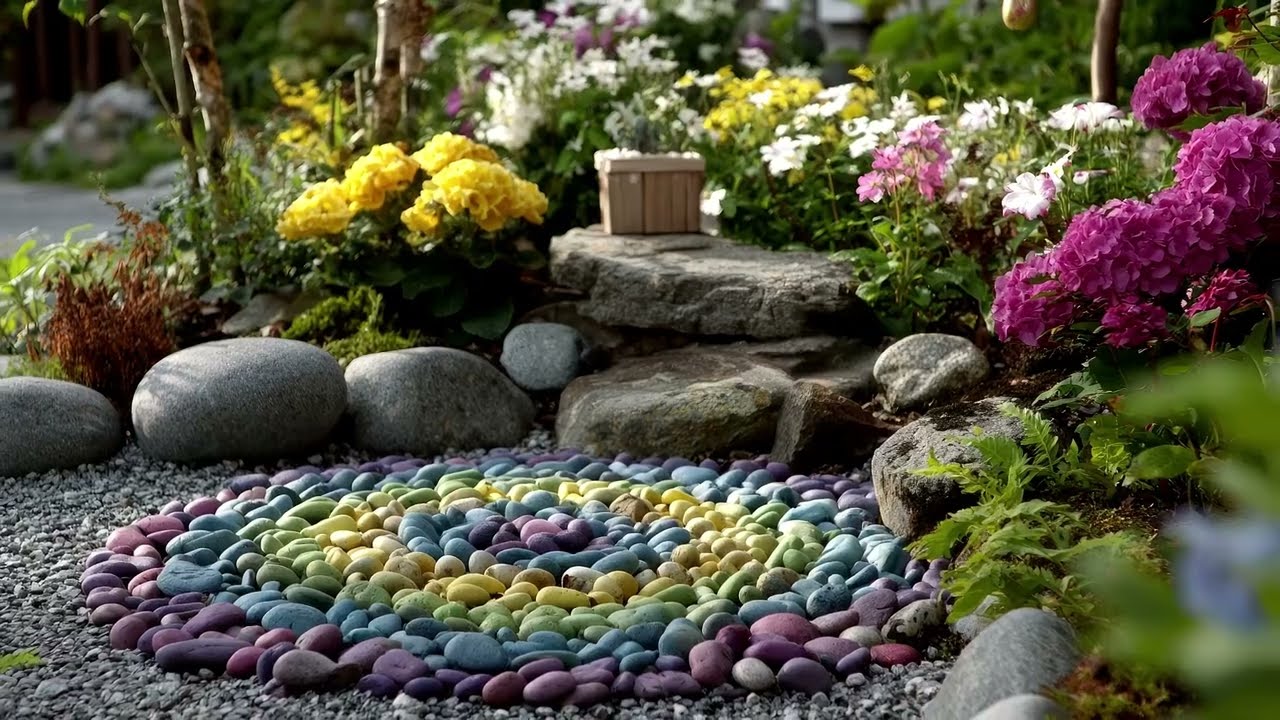
Credit: www.youtube.com
Preparing The Ground
Choose a sunny spot and clear the area of weeds and debris. Level the ground to ensure proper drainage. Add a layer of sand or gravel to create a solid base for the pebbles.
Designing a pebble garden begins with preparing the ground. This step ensures a solid foundation for your garden. It involves clearing unwanted vegetation and ensuring proper drainage. Each task plays a crucial role in the garden’s success. A well-prepared ground leads to a beautiful, low-maintenance garden.Clearing Existing Vegetation
Remove all existing plants and weeds from the area. Use a shovel or hoe to uproot them. Ensure no roots or plant debris remain. This prevents regrowth and keeps your garden tidy. Consider using a weed barrier fabric. It helps block sunlight and stops weeds from sprouting.Ensuring Proper Drainage
Good drainage is vital for a pebble garden. It prevents waterlogging and plant damage. Start by evaluating the soil’s drainage capacity. If the soil is heavy, add coarse sand or gravel. This improves the soil’s drainage ability. Create a gentle slope in the garden bed. Water will naturally flow away from the plants. Install drainage pipes if needed. They channel excess water effectively.Arranging Pebbles And Plants
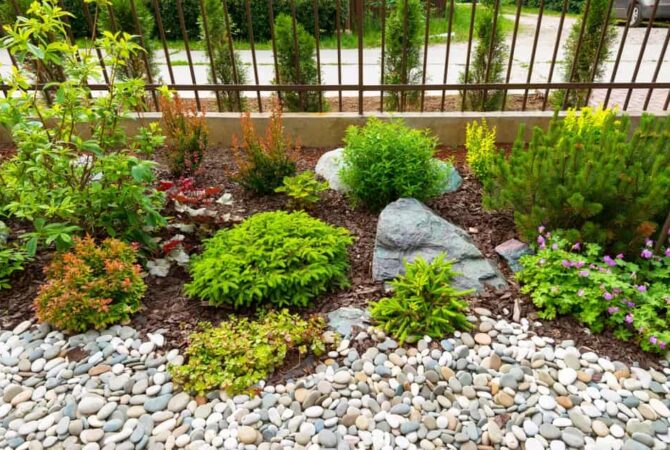
Arranging pebbles and plants creates a serene garden space. Choose smooth stones and vibrant plants for contrast. Design pathways and borders using different pebble colors to enhance visual appeal.
Designing a pebble garden offers a refreshing twist to your outdoor space, creating a serene environment that is both aesthetic and low maintenance. The harmonious blend of pebbles and plants can transform any garden into a tranquil oasis. Let’s dive into how you can arrange pebbles and plants to achieve a stunning pebble garden.Strategic Placement For Aesthetics
The arrangement of pebbles plays a crucial role in defining the beauty of your garden. Consider creating pathways or borders with pebbles to guide the viewer’s eye. Experiment with different shapes and sizes of pebbles. Larger pebbles can serve as focal points, while smaller ones can fill in gaps, ensuring a smooth transition between spaces. Think about color contrasts. Mixing different pebble colors can add depth and interest. A well-placed dark pebble against lighter ones can stand out beautifully.Selecting Complementary Plants
Choosing the right plants to accompany your pebbles is essential to create a cohesive look. Opt for drought-resistant plants that thrive with minimal water, such as succulents or ornamental grasses. Consider the color palette of your garden. Select plants that complement the hues of your pebbles for a balanced look. Silver-leaved plants can accentuate grey pebbles, while vibrant flowers can add pops of color. Think about plant height and texture. Use taller plants to create vertical interest and ground cover plants to soften the edges of your pebble arrangements. This variety will enhance the overall aesthetics of your garden. Would a vibrant mix of colors or a monochromatic theme make your garden more appealing? The choice is yours, but remember, balance is key.Enhancing With Decorative Elements
Pebble gardens offer a serene escape, blending natural textures and colors. Arrange pebbles creatively, forming patterns or borders. Integrate decorative elements like driftwood or small sculptures for visual interest and harmony.
Enhancing your pebble garden with decorative elements can transform it. It creates a unique and inviting space. These elements add character and charm. They elevate the overall design and make it stand out. Explore various ways to incorporate beauty and functionality.Integrating Sculptures And Art
Sculptures can bring life to a pebble garden. They serve as focal points and conversation starters. Choose pieces that reflect personal style and garden theme. Metal, stone, or ceramic sculptures work well. Ensure they withstand outdoor conditions. Art pieces like wind chimes or mosaics add whimsy. Position them thoughtfully for maximum impact. Balance is key. Too many pieces can clutter the space.Lighting For Ambiance
Lighting adds warmth and enhances the garden’s beauty. Solar lights are eco-friendly and easy to install. Place them along paths for safe navigation. Lanterns offer a cozy glow and classic charm. String lights create a magical atmosphere. Consider motion-sensor lights for security. Choose warm, soft lighting for a relaxing mood. Lighting highlights garden features during nighttime.Maintaining Your Pebble Garden
Creating a pebble garden involves selecting varied stones and arranging them for texture and color harmony. Regular upkeep includes removing debris, ensuring proper drainage, and repositioning stones as needed. Adding plants that thrive in rocky environments can enhance aesthetics and provide contrast.
Maintaining your pebble garden ensures its beauty and health over time. A well-cared-for garden can become your peaceful retreat, offering a sense of accomplishment with every glance. Let’s explore how to keep your pebble garden looking pristine throughout the seasons.Regular Cleaning And Upkeep
Regular cleaning is key to a vibrant pebble garden. Debris, like leaves and twigs, can accumulate and disrupt the visual harmony. Use a gentle leaf blower or a soft-bristled brush to clear away unwanted materials. Consider washing the pebbles occasionally. A simple rinse with a garden hose can restore their natural shine. If you notice algae or moss, a mild soap solution can help keep the surfaces clean. Check for weeds sprouting between the pebbles. They can be stubborn, but a bit of manual pulling or a spot treatment with a natural weed killer will help maintain a neat appearance.Seasonal Adjustments
Each season brings unique challenges and opportunities for your garden. In spring, consider adding fresh pebbles to replace those that may have shifted or become embedded in the soil. Summer might demand more frequent watering if your garden includes plants. Ensure the pebbles don’t trap too much heat, which could affect plant health. Autumn is the perfect time to assess any damage from falling leaves or increased moisture. Adjust the layout if necessary to prevent water pooling. In winter, protect your garden from frost. Cover delicate areas with burlap or mulch to shield them from extreme cold. How do you adjust to the changing seasons to keep your pebble garden thriving?
Credit: www.gardeningknowhow.com
Frequently Asked Questions
What Are The Benefits Of A Pebble Garden?
Pebble gardens are low-maintenance, eco-friendly, and provide excellent drainage. They are ideal for dry climates and reduce water usage. Additionally, they offer a modern aesthetic and can be used to create unique designs. Pebbles suppress weed growth, making garden upkeep easier.
Their versatility allows them to complement various garden styles.
How Do I Start Designing A Pebble Garden?
Begin by planning your layout and selecting an appropriate area. Choose pebbles in colors and sizes that suit your design. Prepare the ground by removing weeds and leveling the soil. Use landscape fabric to prevent weed growth. Arrange pebbles creatively, incorporating plants and decorative elements for added interest.
Which Plants Suit A Pebble Garden Best?
Succulents and drought-tolerant plants are perfect for pebble gardens. Consider using lavender, sedum, or agave for a striking look. These plants thrive with minimal water and complement the pebble aesthetic. Ornamental grasses and small shrubs can add texture and depth, creating a visually appealing garden space.
How To Maintain A Pebble Garden Efficiently?
Regularly check for weed growth and remove them promptly. Keep pebbles clean by occasionally washing them with water. Ensure proper drainage to prevent waterlogging. Trim plants as needed to maintain their shape and health. Refresh pebbles periodically to retain their color and appearance.
Minimal maintenance keeps your garden looking pristine.
Conclusion
Creating a pebble garden can bring peace to your outdoor space. Simple design choices make a big difference. Use various pebble sizes and colors for texture. Arrange them thoughtfully for a natural look. Add plants that thrive in your climate.
Consider pathways or a water feature for added charm. Regular maintenance keeps the garden beautiful. Enjoy the calming effect of your hard work. A pebble garden is a perfect addition to any home. It’s both attractive and easy to manage.
Start designing today and transform your garden into a serene retreat.







