Imagine stepping into your backyard and being greeted by a lush, vibrant garden that requires no mowing. Sounds like a dream, right?
With a no mow garden, you can enjoy the beauty of nature without the hassle of regular lawn maintenance. You might be wondering how to transform your outdoor space into such a serene oasis. This guide is here to show you how easy it can be.
You’ll discover practical tips and creative ideas that not only save you time but also enhance the environment. By the end, you’ll have a clear path to creating a garden that’s both stunning and sustainable. Ready to learn more? Let’s dive in and explore how you can make your no mow garden vision a reality!
Benefits Of A No Mow Garden
A no mow garden offers many benefits for the environment and the gardener. By choosing this approach, you can create a beautiful outdoor space that requires less work and supports nature.
Sustainability And Eco-friendliness
No mow gardens help reduce carbon emissions by eliminating the need for gas-powered mowers. They also conserve water as they rely on drought-tolerant plants. This choice leads to a significant decrease in the overall environmental footprint of your garden. The absence of lawn chemicals further enhances soil health and water quality.
Low Maintenance Advantages
These gardens require less time and effort, allowing you to enjoy your space more. You will spend less time on mowing, trimming, and watering. This approach suits busy lifestyles while still maintaining a beautiful garden. Minimal upkeep means you save on gardening costs too.
Biodiversity Enhancement
No mow gardens attract a variety of wildlife, including birds and pollinators. Plant diversity provides habitats and food sources for insects and animals. This supports a healthy ecosystem right in your backyard. Your garden becomes a sanctuary for many living creatures.
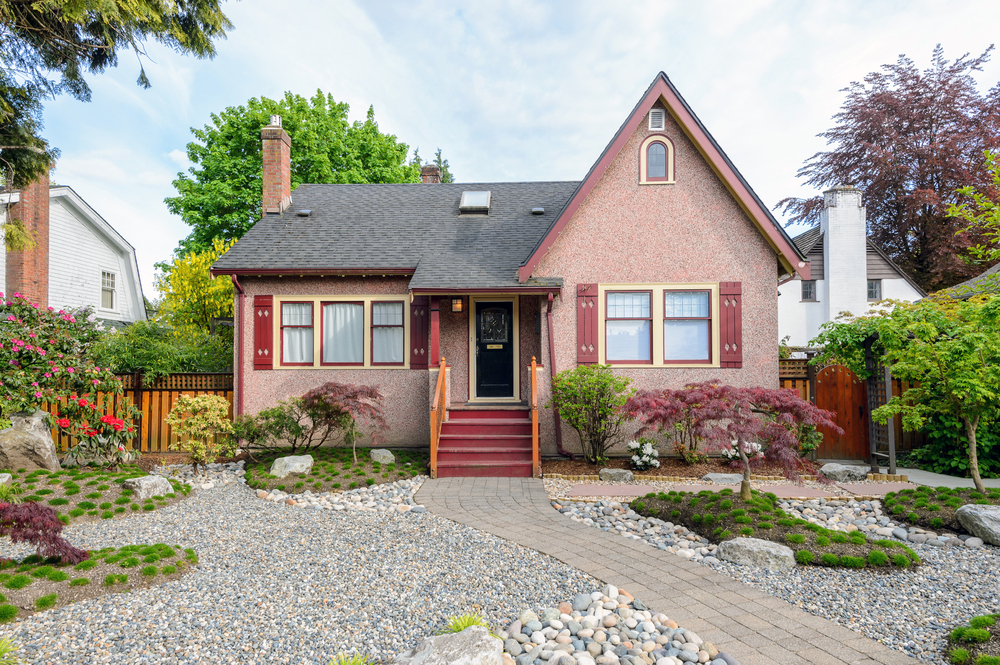
Credit: www.extraspace.com
Planning Your No Mow Space
Design a no mow garden by selecting native plants that thrive in your climate. Incorporate pathways and seating areas to enhance the space.
Planning Your No Mow Space Imagine strolling through your garden, enjoying the beauty without the hassle of mowing. Designing a no mow garden starts with thoughtful planning. By carefully considering the location, sunlight, soil conditions, and your goals, you can create a low-maintenance paradise that thrives on its own.Choosing The Right Location
The first step in planning your no mow garden is selecting the perfect spot. Consider areas that are often hard to mow, like slopes or shady corners. You might find that these overlooked spots are ideal for a no mow transformation. Think about accessibility. Will you be able to reach your plants easily for occasional care or maintenance? Choose a location that’s easy to navigate.Assessing Sunlight And Soil Conditions
Sunlight plays a crucial role in determining which plants will thrive in your garden. Spend a few days observing how sunlight moves across your chosen location. Is it mostly sunny, partially shaded, or completely shaded? Next, examine the soil. Is it well-drained, rocky, or heavy clay? Understanding your soil will help you select plants that are naturally suited to the conditions, reducing the need for constant care.Setting Goals For Your Garden
What do you want to achieve with your no mow garden? Is it a serene escape from urban life or a vibrant habitat for local wildlife? Define clear goals that resonate with you personally. Consider whether you want a colorful landscape, a space for relaxation, or a haven for pollinators. Your goals will guide your plant choices and layout, ensuring your garden is both beautiful and functional. Planning a no mow garden is all about thoughtful choices and understanding the space you have. With the right approach, you can create an outdoor sanctuary that requires minimal effort yet offers maximum enjoyment. What’s your vision for a no mow garden?Selecting Plants For A No Mow Garden
Designing a no mow garden involves choosing plants like groundcovers and ornamental grasses. These plants require minimal maintenance. Opt for native species that thrive in your climate, enhancing biodiversity and beauty.
Selecting the right plants is a crucial step in creating a no mow garden that is not only low-maintenance but also beautiful and sustainable. The key is to choose plants that thrive without the need for constant care. But how do you decide which plants to pick?Native Plant Options
Native plants are a fantastic choice for a no mow garden. They are adapted to your local climate and soil, meaning they require less water and fertilizer. Plus, they attract local wildlife, like butterflies and bees, enhancing biodiversity in your garden. Consider native grasses, wildflowers, and shrubs that can fill your garden with color and life without demanding much of your time.Drought-resistant Varieties
If water conservation is a priority, drought-resistant plants are your best bet. These plants are tough and can survive long periods without rain, making them ideal for a no mow garden. Think about incorporating succulents, lavender, or yarrow, which are not only hardy but also aesthetically pleasing. You’ll save on water bills and reduce your environmental footprint at the same time.Perennials Vs. Annuals
Choosing between perennials and annuals can shape how your garden evolves over time. Perennials come back year after year, offering a stable foundation for your garden with less effort. They might be more expensive initially, but they’re a long-term investment. On the other hand, annuals can add a burst of color and variety each year, though they require more frequent replanting. Balance your garden with a mix of both for continuous interest and less hassle. When selecting plants, think about your garden’s sunlight, soil, and climate. Experiment with different combinations to find what works best. What plants have you found to be the most resilient in your area?Incorporating Hardscape Features
Incorporate hardscape features to design a no mow garden that stands out. Use pathways, patios, and stone walls for structure. These elements reduce maintenance while adding visual interest and functionality.
Incorporating hardscape features transforms a no mow garden into a stunning landscape. These elements add structure and define spaces beautifully. Hardscape features offer visual interest and practical use. Paths guide visitors, stones add texture, and water features introduce calm. Each hardscape element contributes to a low-maintenance, eco-friendly garden.Pathways And Walkways
Creating pathways invites exploration. Use materials like brick, wood, or concrete. Choose durable options for long-lasting paths. Curved designs add whimsy and intrigue. Straight paths provide a formal appearance. Walkways should connect garden areas seamlessly. Consider width for easy navigation. Paths can outline flower beds or separate zones. They enhance accessibility and aesthetic charm.Stone And Gravel Elements
Stone elements bring natural beauty. They are versatile and durable. Use stones for borders or as central features. Gravel adds texture and contrasts with plants. It offers drainage benefits and prevents weed growth. Choose colors that complement plantings. Larger stones can serve as seating. Smaller pebbles work well in zen gardens. Both stones and gravel reduce maintenance needs.Water Features For Tranquility
Water features soothe the soul. They create a peaceful atmosphere. Consider ponds or fountains for visual interest. Water elements attract wildlife, enhancing biodiversity. Use solar-powered pumps for eco-friendly operation. Position water features as focal points. They can anchor a garden design. Surround with plants that thrive near moisture. Water elements add sound and movement to the garden.Designing For Wildlife Attraction
Designing a no mow garden can enhance your outdoor space. It can also become a haven for local wildlife. By focusing on wildlife attraction, you create a thriving ecosystem. This garden will not only benefit nature but also provide you with a beautiful landscape.
Creating Habitats For Birds
Birds need safe places to nest and rest. Incorporate native shrubs and trees in your garden. These plants provide shelter and food. Consider adding birdhouses or nesting boxes. This encourages birds to stay in your garden. Place them in quiet, undisturbed areas.
Bee And Butterfly Friendly Plants
Select plants that attract bees and butterflies. Opt for native flowering plants. They are more appealing to local insects. Lavender, echinacea, and goldenrod are great choices. Plant in clusters for a greater visual impact. This makes it easier for insects to find them.
Pond And Water Source Considerations
A small pond can be a focal point. It can also support various wildlife. Frogs, dragonflies, and birds love water sources. Ensure the pond has shallow edges for easy access. Include floating plants and water lilies. They provide cover and habitat for aquatic creatures.
Maintenance Tips For Longevity
Designing a no mow garden requires selecting low-maintenance plants and ground covers. Incorporate native species to reduce upkeep and enhance biodiversity. Regularly check for invasive weeds to maintain the garden’s health and appearance.
Designing a no mow garden is a brilliant way to reduce your lawn care workload while creating a lush, vibrant outdoor space. However, ensuring its longevity requires some thoughtful maintenance strategies. By focusing on weed control, pruning, and seasonal adjustments, you can maintain your garden’s beauty with minimal effort. Let’s dive into some practical tips to help you keep your no mow garden flourishing for years to come.Weed Control Strategies
Weeds can be a persistent issue in any garden, but they don’t have to take over your no mow paradise. Start by applying a layer of mulch; this not only suppresses weeds but also retains moisture for your plants. Consider using landscape fabric beneath your mulch for added protection. Hand pulling is another effective method. Make it a habit to inspect your garden regularly, removing weeds while they are small. This prevents them from seeding and spreading further. Would you like a more natural approach? Introduce ground-cover plants like clover or creeping thyme. They act as living mulch and reduce space for weeds to thrive.Pruning And Plant Care
Pruning is essential for keeping your plants healthy and aesthetically pleasing. Regularly trim dead or diseased branches to promote new growth. This not only enhances the appearance of your garden but also prevents potential pest infestations. Focus on the health of your plants by checking for signs of stress, like discolored leaves. Addressing these issues promptly can prevent larger problems down the line. Watering deeply but less frequently encourages roots to grow deeper and makes plants more resilient. How often do you observe your garden? Taking time to walk through it allows you to spot any changes and address them quickly. This simple routine can make a big difference in plant care.Seasonal Adjustments
Your no mow garden will benefit from adjustments as the seasons change. In spring, it’s time to plant new species and divide perennials. This keeps your garden fresh and prevents overcrowding. During the summer months, keep an eye on irrigation. Ensure your garden gets enough water, especially during heatwaves. Installing a drip irrigation system can be a wise investment for consistent moisture. Autumn is perfect for adding mulch to protect plant roots from winter frost. In winter, enjoy the beauty of your dormant garden, knowing you’ve set it up for success in the coming year. Are you ready to adapt your garden to the changing seasons? Embracing these adjustments ensures your no mow garden continues to thrive, offering beauty and tranquility year-round.Creative Enhancements
Design a no mow garden by choosing native plants that require minimal upkeep. Incorporate mulch and ground covers to suppress weeds. Add pathways and decorative elements for a visually appealing landscape.
Designing a no mow garden opens up creative opportunities. Enhancing your garden creatively transforms it into a personal paradise. These enhancements not only beautify your space but also add functionality. They invite relaxation and enjoyment. Let’s explore some creative enhancements for your no mow garden.Adding Artistic Elements
Artistic elements bring charm and uniqueness to your garden. Consider sculptures or garden art pieces. Use recycled materials for an eco-friendly touch. Paint colorful murals on fences or walls. Hang wind chimes for a soothing sound. These elements reflect your personality. They make your garden distinct.Lighting For Ambiance
Lighting creates mood and ambiance in your garden. Use solar lights along pathways. Hang fairy lights in trees for a magical look. Place lanterns on tables for a cozy feel. Spotlights highlight key features like sculptures. Good lighting extends garden enjoyment into the evening.Seating And Relaxation Areas
Comfortable seating invites you to relax in your garden. Use benches made from natural materials. Add cushions for extra comfort. Create a hammock corner for lazy afternoons. Set up a small table with chairs. Perfect for morning coffee or evening drinks. These areas offer a peaceful retreat.
Credit: www.yahoo.com
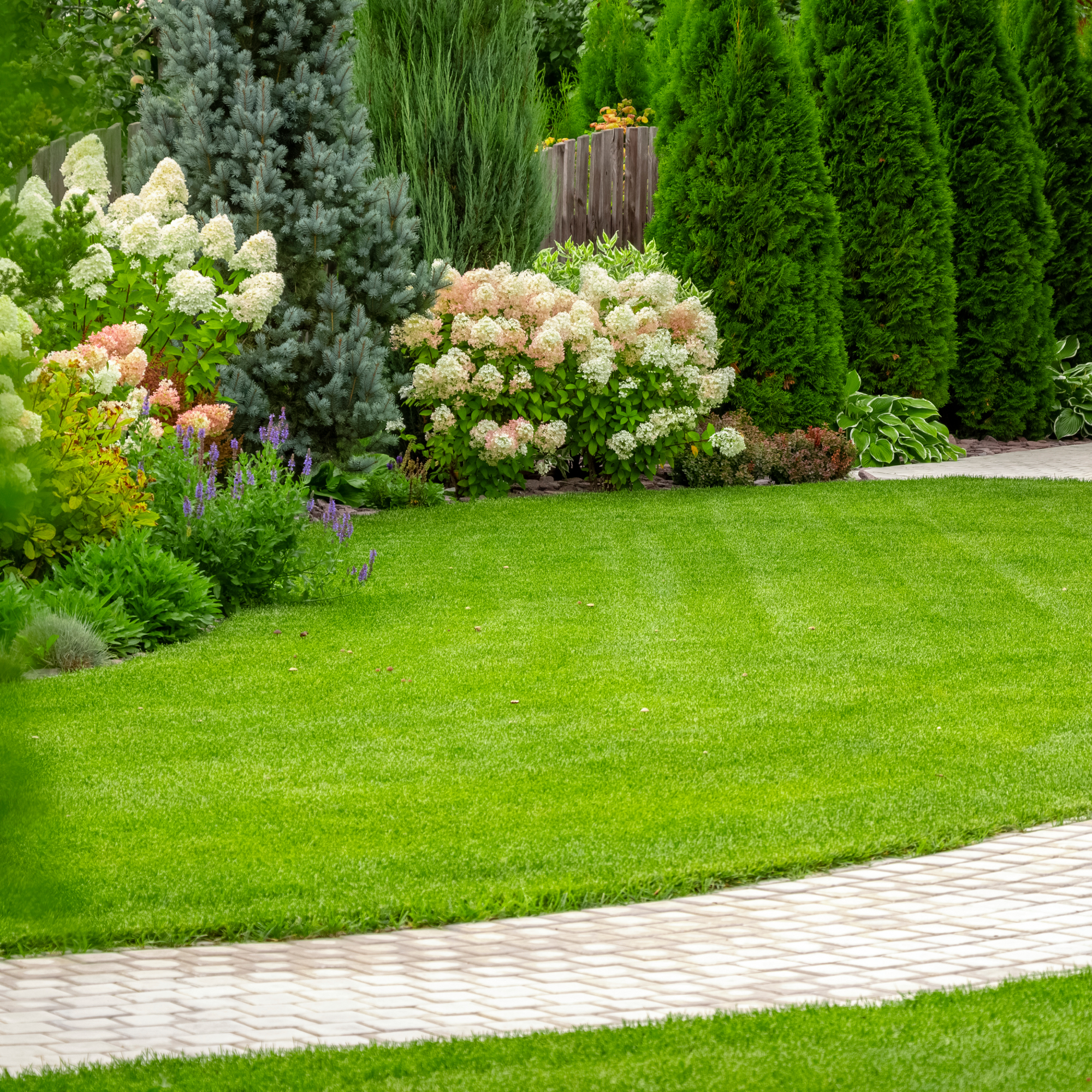
Credit: www.gardeningknowhow.com
Frequently Asked Questions
What Is A No Mow Garden?
A no mow garden is a landscape design that minimizes or eliminates the need for mowing. It uses ground covers, perennials, shrubs, and ornamental grasses. This garden style is eco-friendly, requiring less maintenance and water. It provides habitat for pollinators and wildlife, enhancing biodiversity and sustainability.
How To Start A No Mow Garden?
Begin by selecting low-maintenance plants suited for your climate. Remove existing lawn and prepare the soil. Incorporate native plants, ground covers, and mulch to suppress weeds. Consider pathways and focal points for structure. Plan for seasonal interest with a variety of textures and colors.
Implement drip irrigation for efficient watering.
Which Plants Suit A No Mow Garden?
Choose drought-tolerant, low-maintenance plants like sedges, ornamental grasses, and native perennials. Consider ground covers such as creeping thyme or clover. Select shrubs like lavender or rosemary for structure and fragrance. Integrate pollinator-friendly flowers like coneflower and black-eyed Susan for added color and biodiversity.
Are No Mow Gardens Environmentally Friendly?
Yes, no mow gardens are environmentally friendly. They reduce water usage and fossil fuel dependency from lawn mowers. These gardens support pollinators and wildlife by providing diverse habitats. The use of native plants promotes local biodiversity. Additionally, they minimize chemical usage, enhancing soil health and reducing pollution.
Conclusion
Creating a no mow garden is simple and rewarding. It saves time and energy. Native plants thrive with less care. You enjoy vibrant colors year-round. Wildlife finds a new home. Paths and rocks add beauty and function. Remember, less mowing means more relaxation.
Try different plants to see what works best. Experiment with textures and heights. Your garden becomes a personal retreat. No mow gardens offer peace and enjoyment. Start designing today. Your garden can transform into a serene space. Embrace a sustainable and beautiful outdoor area.
Nature waits to welcome you.