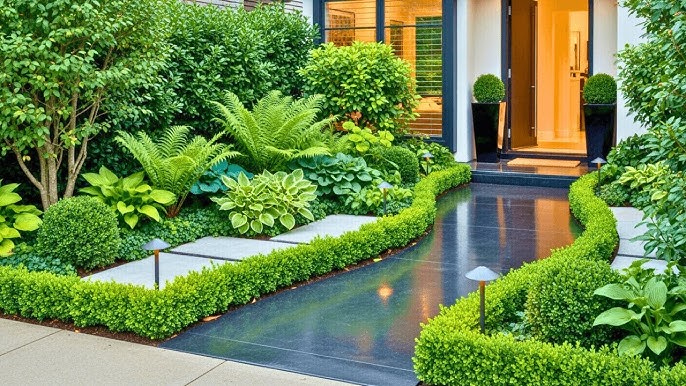
Imagine stepping outside your front door and being greeted by a stunning garden that perfectly complements your home. Your front garden is more than just a patch of land; it’s the first impression you make and a reflection of your personal style.
Designing a new front garden can seem like a daunting task, but with the right guidance, it can become an exciting opportunity to transform your outdoor space. You have the power to create a welcoming oasis that not only enhances curb appeal but also brings joy every time you come home.
You’ll discover simple yet effective strategies to design your dream front garden. Learn how to choose the right plants, incorporate eye-catching elements, and maximize space with clever layouts. We’ll show you how to blend aesthetics with functionality, ensuring your garden is not just beautiful but also practical. By the end, you’ll have the tools and inspiration to create a front garden that captivates the senses and impresses every passerby. So, let’s dive in and turn your vision into reality.

Credit: www.youtube.com
Planning Your Garden Layout
Designing a new front garden involves choosing plants that complement your home’s style. Consider pathways and seating areas to create inviting spaces. Use a mix of flowers and shrubs for color and texture.
Designing a new front garden can transform your home’s exterior and create a welcoming first impression. Planning your garden layout is a crucial step that sets the stage for a beautiful and functional space. Thoughtful planning ensures your garden reflects your personal style and meets your practical needs.Assessing Space And Features
Begin by evaluating the size and shape of your front garden. Measure the area and take note of existing features like pathways, driveways, and large trees. These elements will influence where you can plant and what type of plants will thrive. Consider the sunlight exposure your garden receives throughout the day. Areas with full sun, partial shade, or full shade will dictate the types of plants that can flourish. Observing these patterns helps you make informed decisions when selecting plants and arranging them in your layout.Setting Goals And Priorities
Identify what you want to achieve with your garden. Do you desire a vibrant floral display, a serene retreat, or perhaps a low-maintenance landscape? Setting clear goals guides your choices and ensures your garden meets your expectations. Prioritize elements that are most important to you. If you love entertaining, consider including a small seating area or patio. If privacy is a concern, focus on planting hedges or installing a garden wall. Aligning your garden design with your lifestyle enhances its functionality and enjoyment. Creating a garden layout is an exciting opportunity to express your creativity while enhancing your home’s curb appeal. As you plan, think about how you’ll use the space and what elements will bring you the most joy. What vision do you have for your front garden?Choosing Plants And Materials
Selecting the right plants and materials transforms your front garden. Consider local climate and soil types for best results. Choose a mix of colors and textures to create visual interest and harmony.
Designing a new front garden is an exciting opportunity to enhance your home’s curb appeal and create a welcoming space. One of the most crucial steps in this process is selecting the right plants and materials. The choices you make here can set the tone for your garden and ensure it thrives in your environment. Let’s dive into the details to help you make informed decisions.Selecting Suitable Plants
Choosing the right plants is essential for a successful garden. Start by considering your local climate and soil conditions. Certain plants thrive in specific environments, and selecting those that naturally fit your region will lead to a healthier garden with less maintenance. Think about the amount of sunlight your garden receives throughout the day. Is it mostly shaded, or does it enjoy full sun? This will determine whether you should opt for sun-loving species like lavender or shade-tolerant plants such as ferns. Consider the overall aesthetic you want to achieve. Are you going for a vibrant, colorful garden or a more subdued, monochromatic look? Mixing evergreens with seasonal bloomers can provide year-round interest and variety.Deciding On Hardscaping Elements
Hardscaping elements like pathways, borders, and patios can enhance the functionality and aesthetic of your garden. Begin by assessing the available space and how you intend to use it. Will you need a walkway leading to your front door, or perhaps a small seating area to enjoy morning coffee? Materials matter. Gravel, brick, or natural stone each offer different textures and visual appeal. Choose materials that complement your home’s exterior and the overall theme of your garden. Think about the maintenance involved with each material. For instance, while a gravel path might be cost-effective and easy to install, it may require regular raking to keep it neat. Combining plants with well-chosen hardscaping elements can transform your garden into a space that is both beautiful and functional. What choices will you make to bring your garden vision to life?Incorporating Functional Elements
Incorporating functional elements in your front garden can add both beauty and utility. Thoughtful design enhances aesthetics and improves daily use. Consider pathways, lighting, and water features to create a harmonious space. Each element brings its unique charm and purpose, making your garden welcoming and practical.
Pathways And Access
Pathways guide visitors and protect plants from foot traffic. Choose materials like gravel, stone, or pavers for durability. Ensure paths are wide enough for easy movement. Curved paths add interest and lead the eye through the garden. Consider accessibility for all users, including those with mobility issues.
Lighting And Water Features
Lighting extends garden use into the evening. It highlights features and ensures safety. Use solar lights for energy efficiency and ease of installation. Spotlights on focal points add drama. Water features like fountains or ponds offer soothing sounds. They attract wildlife and create a tranquil atmosphere.
Creating A Cohesive Style
Creating a cohesive style for your front garden involves blending various elements harmoniously. Choose complementary colors, plants, and materials to form a unified look. Aim for a balanced design that enhances the home’s exterior while creating a welcoming entrance.
Creating a cohesive style in your front garden sets the tone of your home. It reflects your personality and complements the architecture. A well-designed garden welcomes guests with harmony and unity. Focus on blending elements to craft a seamless landscape. Consider color schemes, textures, and design balance to achieve this.Color Schemes And Textures
Choose a color palette that matches your house. Use colors that blend well with each other. Incorporate plants with varied textures for visual interest. Think of smooth leaves, rough bark, and soft petals. Mix tall plants with ground covers for depth and dimension. This creates layers and adds charm to your garden.Balancing Formal And Informal Designs
Combine formal and informal elements for an inviting space. Use symmetry for a structured look. Place matching shrubs on either side of the path. Add informal touches with irregular flower beds. Use curved lines for a relaxed feel. Balance these elements for a harmonious garden design.Sustainable Gardening Practices
Designing a new front garden with sustainable practices involves choosing native plants to reduce water usage. Incorporate composting to enrich the soil naturally. Use permeable materials for paths to allow rainwater absorption and minimize runoff.
Sustainable gardening practices are essential in today’s world. They help create a garden that thrives while preserving our planet’s resources. Designing a sustainable front garden involves mindful decisions, from water conservation to plant selection. A garden that supports the environment can also enhance your home’s beauty and value. Below, we explore key sustainable practices for your garden design.Water Conservation Techniques
Water is a precious resource, and conserving it is crucial. Use drip irrigation systems to minimize water waste. These systems deliver water directly to the plant roots. Install rain barrels to collect rainwater for later use. This reduces the need for tap water. Choose drought-resistant plants that require less water. Mulching around plants helps retain soil moisture. Group plants with similar water needs together. This prevents over-watering and reduces water usage.Eco-friendly Plant Choices
Choosing the right plants boosts garden sustainability. Opt for native plants that thrive in your local climate. These plants require less water and care. They also support local wildlife. Avoid invasive species that can harm the ecosystem. Select perennials over annuals to reduce replanting efforts. Perennials return each year, saving time and resources. Consider using edible plants like herbs and vegetables. They provide food and reduce grocery needs.
Credit: food52.com
Maintenance And Care Tips
Designing a new front garden involves thoughtful plant selection and regular care. Choose plants suited to your climate and soil. Water regularly and trim plants to maintain a neat appearance.
Designing a new front garden is a rewarding endeavor, but the real beauty lies in how you maintain and care for it. A well-maintained garden not only enhances the curb appeal of your home but also creates a serene outdoor space you can enjoy throughout the year. To keep your garden thriving, it’s crucial to establish a routine that addresses seasonal changes and potential pest issues.Seasonal Maintenance Schedule
Creating a seasonal maintenance schedule is essential for a vibrant garden year-round. In spring, focus on clearing debris and preparing the soil for new plants. Summer requires diligent watering and weeding to support growth in the heat. Autumn is the time to prune shrubs and trees while removing dead plants to prepare for winter. During winter, protect delicate plants with mulch or coverings, and plan for any new additions come spring. Consider keeping a gardening journal to track what works best for each season in your climate.Effective Pest Management
Pests can quickly turn your garden dream into a nightmare if not managed properly. Start by identifying common pests in your area and learn about their life cycles. This knowledge helps you spot early signs of infestation and take action before it’s too late. Adopt natural pest control methods like introducing beneficial insects or using homemade sprays from ingredients like garlic and neem oil. Regularly inspect plants for signs of damage and remove affected parts immediately. Have you ever thought about keeping a small chicken coop? Chickens are excellent for controlling pests and fertilizing your garden naturally. With these maintenance and care tips, your front garden will not only look stunning but also thrive in the healthiest way possible. What strategies will you implement to ensure your garden stays lush and vibrant?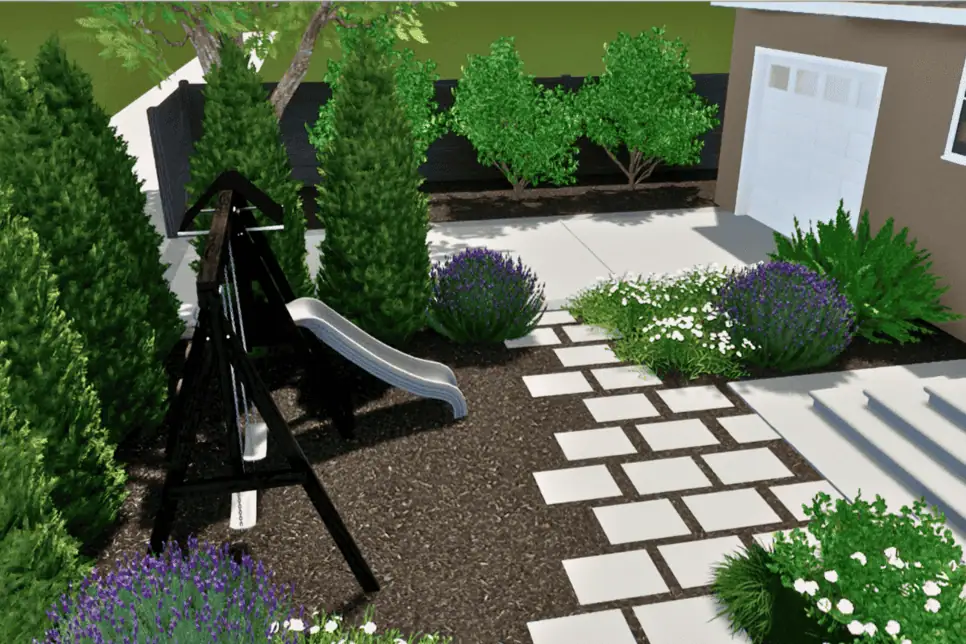
Credit: www.frenchpetalgardens.com
Frequently Asked Questions
What Are The Best Plants For A Front Garden?
Choosing plants depends on your climate and garden style. Consider low-maintenance options like perennials, shrubs, and native plants. They add color and texture. Ensure they suit the soil and light conditions. Popular choices include lavender, hydrangeas, and roses for a vibrant front garden.
How Can I Increase Curb Appeal With Garden Design?
Enhance curb appeal by focusing on symmetry and balance. Use pathways, edging, and focal points like a water feature. Incorporate colorful flowers and lush greenery. Consider seasonal plants for year-round interest. Proper maintenance like trimming and watering keeps your garden looking fresh and inviting.
What Materials Are Ideal For Garden Pathways?
Garden pathways can be made from gravel, stone, or brick. Gravel is affordable and easy to install. Stone provides a natural look and durability. Brick adds a classic touch. Choose materials that complement your home’s style and budget. Ensure pathways are wide enough for comfortable walking.
How Do I Plan Garden Layout Efficiently?
Start by sketching your garden space on paper. Consider sunlight, soil, and water access. Plan pathways, plant beds, and focal points. Group plants based on their needs and height. Use layers for depth and interest. An efficient layout maximizes space and enhances visual appeal.
Conclusion
Creating a beautiful front garden transforms your home’s appearance. Start with a clear plan. Choose plants that fit your climate and space. Include paths for easy access. Use different plant heights for depth. Add some decorative elements like stones or lights.
Regular maintenance keeps it neat and healthy. Take small steps and enjoy the process. Your front garden reflects your style. A welcoming garden invites guests warmly. It also adds value to your property. Enjoy your new outdoor space.







