Imagine stepping into your backyard and being greeted by rows of vibrant vegetables, aromatic herbs, and colorful flowers. Designing a market garden can transform this dream into reality.
Whether you’re looking to grow your own produce, start a small business, or simply enjoy the therapeutic benefits of gardening, knowing how to design a market garden is the first step. You’ll discover practical tips and strategies that will help you create a garden that is not only productive but also aesthetically pleasing.
We’ll guide you through each step, ensuring you make the most of your space, choose the right plants, and optimize your garden for success. Get ready to unleash your creativity and design a garden that reflects your unique style and meets your needs. Keep reading, and soon you’ll have the knowledge to cultivate a garden that flourishes with abundance.
Choosing The Right Location
Choosing the right location is crucial for a successful market garden. A well-chosen site can yield bountiful harvests with minimal effort. Focus on key aspects to ensure the garden thrives.
Sunlight And Shade Balance
Plants need sunlight to grow. Select a location with at least six hours of sun daily. Avoid areas with too much shade. Observe the sun’s path during the day to determine the best spot. Too much shade can hinder plant growth.
Soil Quality And Drainage
Test soil quality before planting. Rich, fertile soil supports healthy plants. Check for proper drainage to prevent waterlogging. Use a simple soil test kit for pH and nutrient levels. Ensure water drains well after rainfall. Poor drainage can lead to root diseases.
Accessibility And Water Sources
Easy access to your garden saves time and effort. Choose a location near your home or toolshed. Ensure water sources are nearby. A garden needs regular watering. Install irrigation systems or use a hose. Reliable water access boosts plant growth.

Credit: www.youtube.com
Planning The Layout
Planning the Layout Designing a market garden involves organizing space for optimal growth and easy access. Consider pathways for movement and irrigation systems. Plant similar crops together for efficient care and harvesting.
Planning the layout of a market garden requires thoughtful consideration. The design impacts productivity, ease of access, and plant health. The layout should optimize space while considering plant needs and growth patterns. A well-planned garden increases yield and maintains soil health. Let’s explore key elements in planning an effective market garden layout.Row Vs. Bed Design
Choosing between row and bed design is crucial. Row planting offers easy access for machinery and walking paths. It suits large-scale operations with uniform crops. Bed planting allows closer plant spacing and diverse crops. It enhances soil drainage and reduces compaction. Consider your garden size and crop diversity.Crop Rotation Strategies
Crop rotation is vital for soil health. It prevents nutrient depletion and pest buildup. Rotate crops based on their nutrient needs and pest susceptibility. Legumes enrich soil with nitrogen, while leafy greens use it. Plan a rotation that balances nutrient use. This improves soil fertility and yields.Incorporating Companion Planting
Companion planting enhances growth and repels pests. Certain plants benefit others when grown together. Basil deters pests from tomatoes. Marigolds protect against nematodes in various crops. Choose companions that support each other. This strategy boosts plant health and reduces chemical use. It fosters a natural ecosystem within your garden.Selecting Crops
Choosing the right crops for a market garden involves understanding local demand and climate conditions. Consider crop rotation and soil health to ensure sustainable growth. Select varieties that offer good yield and fit the market’s needs.
Selecting the right crops for your market garden is pivotal for its success. It’s about blending the art of growing with the science of profitability. With countless varieties to choose from, how do you decide which ones to plant? Let’s break it down into manageable parts.Climate Considerations
Your local climate dictates which crops will thrive in your garden. Warm-season crops like tomatoes and peppers require plenty of sunshine and a long growing season. On the other hand, cool-season vegetables such as lettuce and spinach prefer milder temperatures. Understanding your climate zone can guide you in picking crops that will flourish. Take a walk around local farms or gardens to see what’s growing successfully. This hands-on research can provide valuable insights into what works best in your area.Market Demand And Profitability
Crops that sell well at local markets are often the best choices for your garden. Research what your community desires. Do they crave fresh herbs, or is there a demand for heirloom tomatoes? Profitability is crucial too. High-value crops like microgreens or specialty peppers can yield more income per square foot. Analyze local market trends and talk to other vendors. This can help you pinpoint lucrative opportunities.Succession Planting Techniques
Succession planting allows you to maximize your garden’s productivity. By staggering plantings, you ensure a continuous harvest throughout the growing season. It’s a smart way to keep your market booth stocked with fresh produce. Consider planting fast-growing crops like radishes and arugula in the same space multiple times a season. This technique not only boosts your yield but also keeps your customers returning for new produce. Timing is key, so keep a planting calendar to stay organized. By focusing on these aspects, you’ll be well on your way to creating a thriving market garden. What crops will you select to meet both your climate and market needs?
Credit: www.amazon.com
Soil Preparation
Preparing soil is essential for a successful market garden. Loosen soil to allow roots to grow easily. Add compost to enrich the soil with nutrients.
Designing a market garden is an exciting journey, but one of the most critical steps is preparing your soil. The foundation of any thriving garden lies beneath your feet. Healthy soil is the lifeline for your plants, ensuring they receive the nutrients, water, and support they need. Let’s dive into the essentials of soil preparation, focusing on composting, tilling methods, and pH testing.Composting And Fertilization
Composting is your secret weapon for enriching soil. By recycling organic waste, you create a nutrient-rich amendment that boosts plant growth. Picture your kitchen scraps turning into a goldmine for your garden. Start a compost pile in a shaded corner of your yard. Mix vegetable peels, coffee grounds, and shredded paper, then let nature work its magic. Remember to turn the pile regularly to speed up decomposition. Once ready, spread the compost over your soil and watch your plants thrive. Fertilization complements composting by providing specific nutrients your soil might lack. Use natural fertilizers like bone meal or fish emulsion to avoid chemical build-up. Always read the labels and apply according to your garden’s needs. Balance is key; too much of a good thing can harm your plants.Tilling Vs. No-till Methods
Tilling has long been the go-to for preparing garden soil. It loosens the ground, mixes in organic matter, and creates a fine seedbed. However, it can also disrupt soil structure and harm beneficial organisms. If you choose to till, aim for a shallow approach to minimize disturbance. No-till gardening, on the other hand, preserves soil health. By leaving the soil undisturbed, you encourage earthworms and microbes to flourish. Cover the garden with a thick layer of mulch to suppress weeds and retain moisture. Over time, this method builds rich, fertile soil with minimal effort. Which method aligns with your gardening goals?Ph Testing And Amendments
Understanding your soil’s pH is crucial for plant health. A simple test kit reveals whether your soil is acidic or alkaline. Most vegetables prefer slightly acidic to neutral soil, around pH 6 to 7. If your soil is outside this range, amendments can help. To raise pH, add lime. For lowering it, sulfur works wonders. Apply amendments gradually and retest the soil after a few weeks. This ensures the changes have taken effect. Keep your plants happy by maintaining the ideal pH balance. Have you tested your soil’s pH lately? It might be the key to unlocking your garden’s potential. With these insights, you’re well on your way to preparing the perfect foundation for your market garden. Each step contributes to a vibrant, productive space that feeds both body and soul.Irrigation Systems
Designing a market garden requires efficient irrigation systems to ensure healthy crop growth. Choose drip irrigation for precise water delivery and reduced waste. Tailor the layout to suit plant needs and local climate conditions, ensuring optimal hydration.
Irrigation systems play a crucial role in market garden design. These systems ensure plants receive the right amount of water. Proper irrigation leads to healthier plants and improved yields. Choosing the right system can save time and resources.Drip Vs. Sprinkler Systems
Drip systems deliver water directly to plant roots. This method minimizes water waste and targets specific areas. It works well for gardens with different plant types. Sprinkler systems spread water over larger areas. They mimic natural rainfall and cover wide spaces. Sprinklers are suitable for uniform plantings. Both systems have unique benefits for different garden needs.Water Conservation Techniques
Conserving water is essential for sustainable gardening. Use mulch to retain soil moisture. Mulch reduces evaporation and keeps the ground cool. Consider rainwater collection systems. These systems capture and store rain for garden use. Adjust watering schedules based on weather forecasts. Watering in the early morning reduces evaporation loss.Maintaining Equipment Efficiency
Regular maintenance keeps irrigation systems efficient. Check for leaks and clogs in hoses and pipes. Clean sprinkler heads to ensure even water distribution. Inspect drip emitters for blockages. Replace damaged parts promptly to prevent water waste. Regularly test system timers and controllers. Ensure they operate correctly and adjust settings as needed.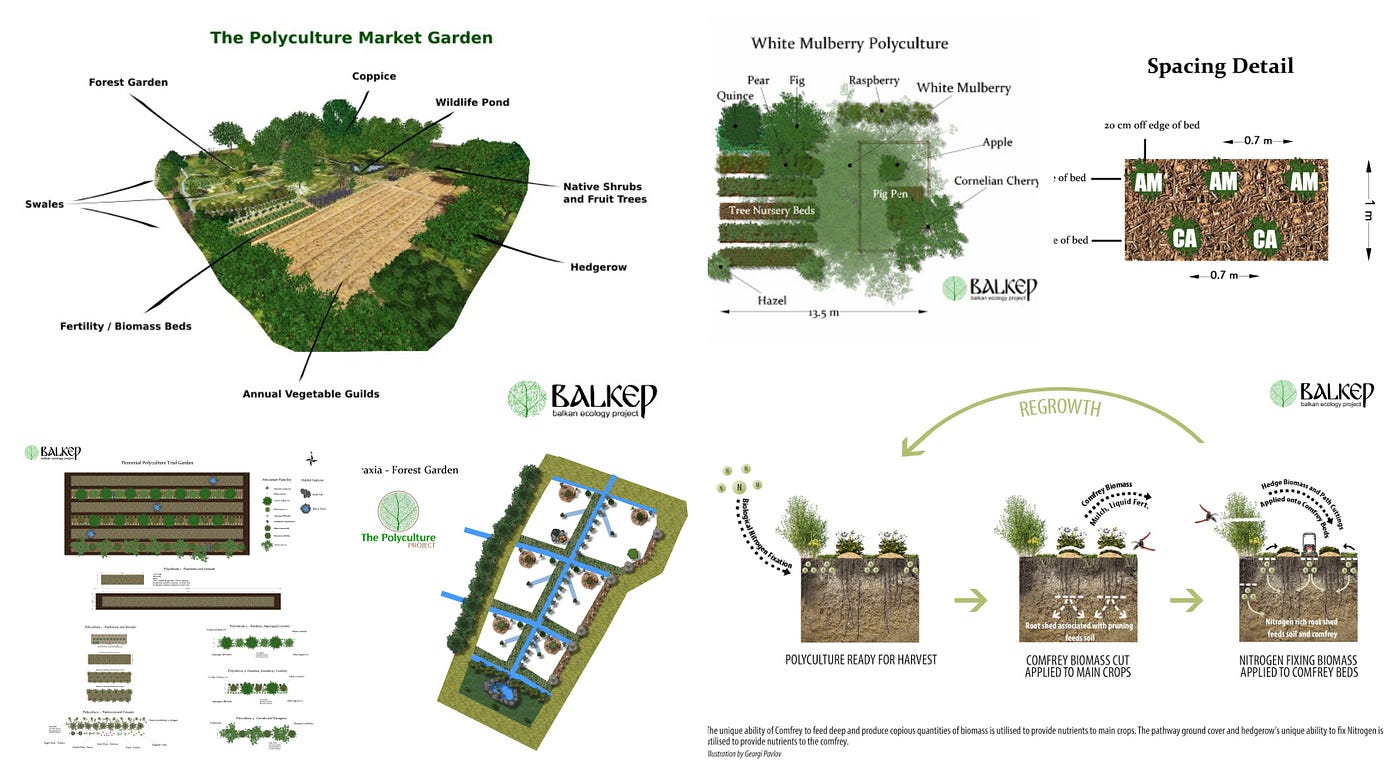
Credit: thepolycultureproject.medium.com
Pest And Disease Management
Pest and disease management is crucial for a thriving market garden. It ensures healthy plants and maximizes crop yield. Effective management strategies protect your garden from unwanted invaders and infections. Implementing natural methods and choosing disease-resistant varieties can reduce reliance on chemicals.
Natural Pest Deterrents
Use companion planting to repel harmful insects. Marigolds deter nematodes; basil wards off flies. Introduce beneficial insects like ladybugs to eat aphids and other pests. Create barriers with nets or row covers to keep pests away. Use homemade sprays with garlic or neem oil to repel insects naturally.
Integrated Pest Management
Integrated Pest Management (IPM) combines several strategies for effective control. Monitor pest populations and plant health regularly. Employ cultural practices like crop rotation to disrupt pest life cycles. Use biological controls, such as predatory insects, to reduce pest numbers. Implement mechanical controls, like traps, to capture pests.
Disease-resistant Varieties
Choose plant varieties resistant to common diseases. Research plants suited to your climate and soil conditions. Look for seeds labeled as disease-resistant, such as tomatoes resistant to blight. Disease-resistant plants require less intervention and thrive better. This choice reduces the need for chemical treatments and increases yields.
Season Extension Techniques
Extending the growing season is crucial for market gardeners. It allows for a longer harvest and increased yield. This section explores effective season extension techniques.
Using Greenhouses And Tunnels
Greenhouses provide a controlled environment. They protect plants from harsh weather. With tunnels, you can start planting earlier. Both structures trap heat, creating a warm space for growth. This warmth helps plants thrive even in cooler months.
Cold Frames And Row Covers
Cold frames are simple to construct. They consist of a transparent cover and a base. This setup captures solar energy, warming the soil and air. Row covers are fabric sheets placed over crops. They shield plants from frost and pests. Both methods create a microclimate, extending the growing season.
Timing Plantings For Longevity
Stagger plantings for continuous harvest. Plant cool-season crops in early spring or fall. Warm-season crops thrive in summer. Adjust planting times based on local climate. This strategy maximizes yield throughout the year.
Harvesting And Storage
Harvesting involves timing crops for peak freshness and efficient collection. Proper storage ensures prolonged shelf life and quality retention. Design a market garden with organized spaces for easy harvesting and storage.
Harvesting and storage are crucial in market garden design. They ensure produce quality and maximize shelf life. Proper timing and methods can increase yield and reduce waste. Good storage practices maintain freshness and flavor. Below, we’ll explore key aspects of harvesting and storage.Optimal Harvest Times
Harvesting at the right time is vital. Each crop has a peak harvest time. This maximizes flavor and nutrition. Morning is often best, when plants are cool. Avoid harvesting during hot, sunny hours. This prevents wilting and stress on plants.Post-harvest Handling
Handle produce gently after harvest. Rough handling can damage crops. Use clean, sharp tools for cutting. Remove field heat quickly. This preserves quality and reduces spoilage. Wash vegetables in cool water. Dry them thoroughly before storage.Storage Solutions For Freshness
Proper storage extends freshness. Use the right containers for each type of produce. Keep leafy greens in the fridge. Store root vegetables in a cool, dark place. Airtight containers prevent moisture loss. Label and date stored items. This ensures you use older produce first.Marketing And Selling Produce
Designing a market garden involves planning efficient layout and crop rotation. It ensures optimal space use and boosts productivity. Consider climate, soil type, and water access for successful produce growth.
Designing a market garden isn’t just about growing produce; it’s about getting your harvest into the hands of eager customers. The key to success lies in how you market and sell your produce. Whether you’re aiming for direct sales or establishing lasting market relationships, understanding how to effectively brand and package your products is crucial.Direct To Consumer Sales
Selling directly to consumers allows you to create personal connections. Consider setting up a farm stand or joining a local farmers market. These venues allow you to interact with customers, share your story, and build loyalty. Online platforms can also amplify your reach. Websites and social media let you showcase your produce with vibrant images and engaging descriptions. Offer subscription boxes or weekly deliveries to keep customers coming back.Establishing Market Relationships
Build relationships with local restaurants and grocery stores to secure consistent buyers. Approach chefs with samples of your best produce; they appreciate fresh, high-quality ingredients. Research what local markets need and tailor your offerings accordingly. Being reliable and punctual in deliveries can open doors to long-term contracts.Branding And Packaging
Your brand should reflect the essence of your garden. Use labels and packaging that tell your story and highlight your commitment to quality. Consider eco-friendly packaging options to appeal to environmentally conscious consumers. Eye-catching designs can set your products apart and make them memorable. Have you thought about how your branding could influence consumer perception? A strong, recognizable brand can transform a simple vegetable into a must-have item. By focusing on these areas, you can turn your garden’s bounty into a thriving business.Frequently Asked Questions
What Is A Market Garden?
A market garden is a small-scale farm designed for growing various crops for sale. It focuses on intensive, sustainable cultivation methods. Typically, market gardens produce a diverse range of vegetables, fruits, and herbs. The goal is to supply local markets, restaurants, and consumers with fresh, high-quality produce.
How Do I Start A Market Garden?
Start a market garden by selecting a suitable location with fertile soil. Plan your garden layout and choose diverse crops. Invest in quality tools and equipment. Implement sustainable practices like crop rotation and composting. Finally, establish relationships with local markets and customers for selling your produce.
What Crops Are Best For Market Gardens?
Crops best for market gardens include lettuce, tomatoes, carrots, and radishes. These are popular and have quick growth cycles. Consider herbs like basil and cilantro for added diversity. Choose crops based on local demand, climate, and seasonality to maximize profitability and sustainability.
How Can I Design An Efficient Garden Layout?
Design an efficient garden layout by dividing your space into manageable sections. Use raised beds for better drainage and soil quality. Plan for crop rotation and companion planting. Ensure pathways are wide enough for easy access. Incorporate irrigation systems for consistent watering.
Prioritize sunlight exposure for optimal plant growth.
Conclusion
Designing a market garden can be simple and rewarding. Start small and plan carefully. Choose crops wisely based on climate and market demand. Focus on soil health and water management. Create pathways for easy access. Use sustainable practices for long-term success.
Engage with your community and share your journey. Keep learning and adapting to new methods. Enjoy the process and watch your garden grow. With dedication and patience, your market garden will thrive. Remember, every small step leads to big results.
Embrace the challenges and celebrate your successes. Your garden can become a source of joy and nourishment.