Imagine stepping into your backyard and feeling instantly calm and centered. A mandala garden can offer you that serene escape right at home.
Designing a mandala garden is not just about planting flowers; it’s about creating a space that nurtures your soul and brings balance to your life. You don’t need to be an expert landscaper to create something beautiful and meaningful. With just a few simple steps, you can transform your outdoor space into a personal sanctuary that reflects your inner harmony.
By the end of this article, you’ll have all the tools you need to start crafting your very own mandala garden. Get ready to unleash your creativity and discover the peace that comes with a well-designed space. Let’s dive in and explore how you can turn your garden dreams into reality.
Credit: www.hosachiguru.com
Concept Of A Mandala Garden
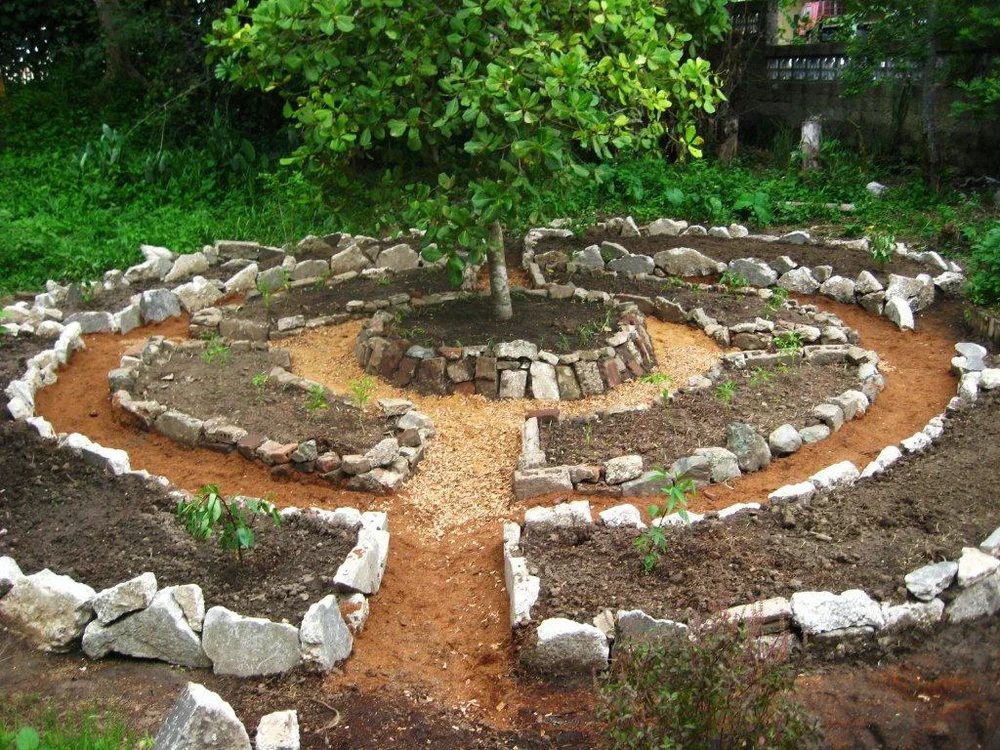
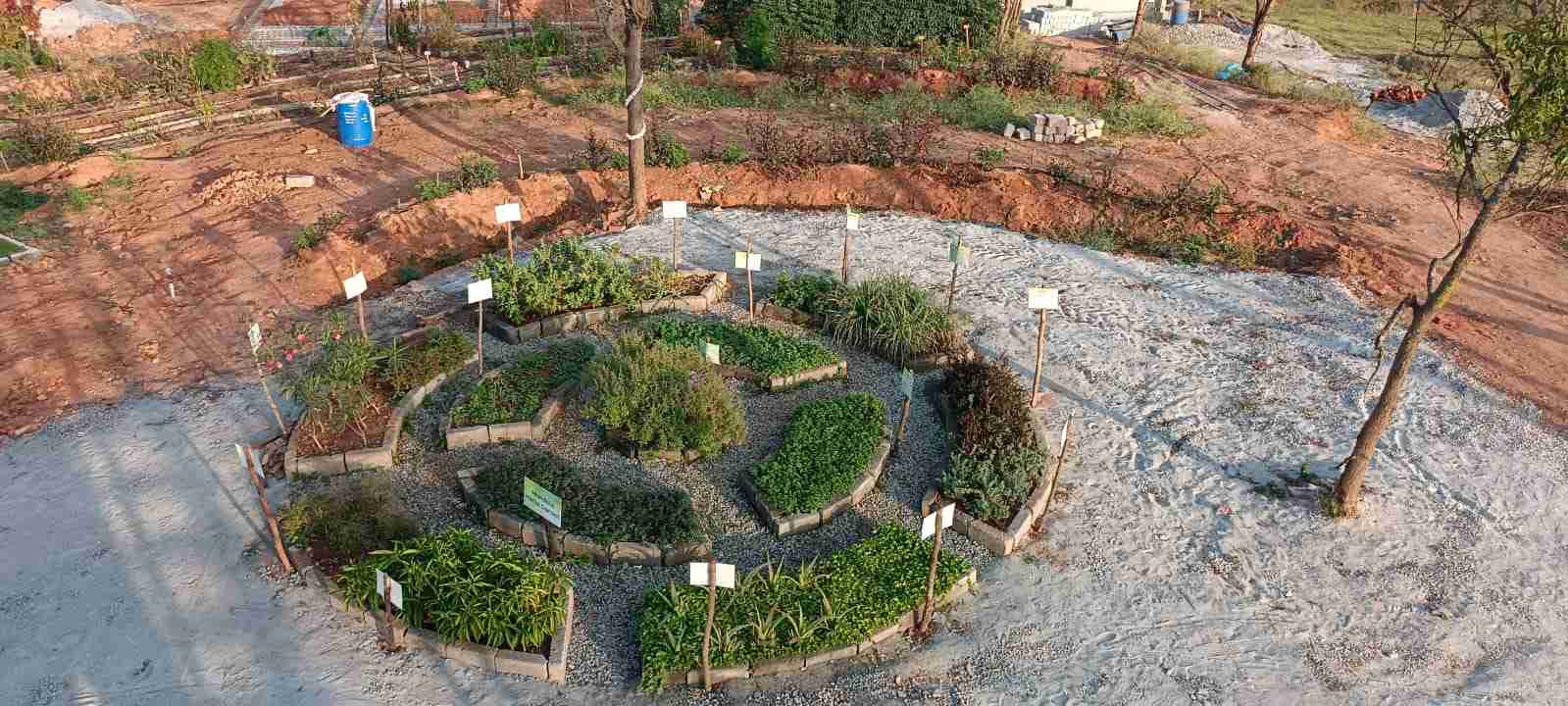
The Mandala Garden is a special type of garden design. It blends nature with art to create a peaceful space. Its circular layout symbolizes unity and balance, inspired by ancient patterns. This design is not just visually pleasing, but also functional. It optimizes space, making it ideal for small gardens. The unique shape encourages diverse plant growth, enhancing biodiversity. Creating a Mandala Garden allows for a personal connection with nature. It becomes a sanctuary for relaxation and meditation.
Understanding The Circular Layout
The Mandala Garden’s circular design is its defining feature. Circles symbolize completeness and unity. In a garden, this shape allows easy access to all plants. Walking paths radiate from the center, forming spokes of a wheel. This layout maximizes planting space efficiently.
Choosing The Right Plants
Select plants that thrive in your climate. Consider color and texture for visual interest. Use companion planting to improve growth and deter pests. Herbs, vegetables, and flowers work well together in Mandala Gardens. This mix adds beauty and variety to your garden.
Benefits Of A Mandala Garden
A Mandala Garden offers many benefits. It supports biodiversity by attracting different insects and birds. The design reduces the need for weeding and watering. Walking paths make gardening tasks easier. This garden also provides a peaceful space for reflection and meditation.
Start by sketching your garden on paper. Decide on the number of segments you want. Ensure each section is easily reachable from the path. Consider the sun’s path and shade areas. This will help you decide where to place each plant. A well-planned garden will thrive with minimal effort.
Benefits Of Mandala Gardens
Designing a mandala garden offers therapeutic benefits and boosts creativity. Circular patterns promote tranquility and encourage mindful gardening practices.
Designing a mandala garden brings multiple benefits that enhance both your outdoor space and well-being. These gardens blend aesthetics and functionality, creating a harmonious environment. Let’s explore the advantages that mandala gardens offer.Aesthetic Appeal
Mandala gardens boast intricate patterns and designs. They add visual interest to any landscape. The circular layout symbolizes unity and balance. This symmetry is pleasing to the eye. Vibrant flowers and plants can create stunning color contrasts. Each section of the garden is a unique piece of art. This makes every visit a memorable experience.Space Efficiency
Mandala gardens utilize space wisely. Their circular design maximizes planting area. Paths radiate from the center, allowing easy access. This layout reduces waste of space. You can grow a variety of plants in limited areas. The garden feels larger and more organized. It is perfect for those with small yards.Ecological Harmony
Mandala gardens promote ecological balance. The design encourages biodiversity. Different plant species coexist harmoniously. This attracts beneficial insects and birds. The garden supports natural pest control. It reduces the need for chemicals. Mandala gardens contribute to a healthy ecosystem. They provide a sanctuary for local wildlife.Planning Your Mandala Garden
Creating a mandala garden is a journey into harmony and aesthetic beauty. This unique garden design brings together the intricate patterns of a mandala with the serene environment of a garden. Planning your mandala garden is crucial to ensure that it becomes a tranquil sanctuary that nurtures both plants and your soul. It’s about finding balance between nature and design, and making choices that reflect your vision and lifestyle.
Choosing The Right Location
The location is the foundation of your mandala garden. Think about where you spend most of your time outdoors. Is there a particular spot that feels more peaceful or inspiring to you?
Consider sunlight exposure. Most plants thrive with ample sunlight, so choose a location that receives a good amount of light during the day. However, if you plan to include shade-loving plants, ensure parts of the garden have less sun.
Drainage is another vital aspect. Make sure the location isn’t prone to water logging, as this can affect plant health and growth. Soil that drains well will prevent root rot and other issues.
Determining The Size And Shape
Size matters when it comes to creating a mandala garden. Reflect on the space available. How much room do you have to work with? Consider whether you want an expansive garden or something more compact.
Shape defines the garden’s visual impact. Mandalas are circular, but you can experiment with other geometric patterns that resonate with you. Try sketching different shapes to see what appeals to your sense of balance and aesthetics.
Think about maintenance. A larger garden requires more upkeep, so align the size with the time and effort you’re willing to invest.
Designing The Pathways
Pathways are the veins of your garden, guiding you and your visitors through the space. Decide on the material that suits your garden’s style—gravel, stone, or wood could be options.
Consider the width. Paths should be wide enough to allow comfortable walking, yet not so wide that they overpower the garden’s natural elements. This balance creates a welcoming environment.
Paths can also influence the mandala’s pattern. Curved paths complement the circular nature of mandalas, adding fluidity to the design. Will you choose curves or straight lines? Your choice will shape the garden’s flow.
Essential Elements
Designing a mandala garden involves creating harmony and balance. Essential elements serve as the backbone of this serene space. They ensure the garden functions beautifully and offers tranquility.
Central Focal Point
Every mandala garden needs a central focal point. This could be a statue, a birdbath, or a small tree. The focal point draws the eye and centers the garden’s design. Choose an element that resonates with you. It should reflect the garden’s theme and your personal style.
Planting Beds
Planting beds play a vital role in a mandala garden. Arrange them in circular or spiral shapes. This mirrors the mandala’s natural patterns. Use diverse plants for texture and color. Consider the growth habits of each plant. Ensure taller plants don’t overshadow smaller ones. Balance is key in creating visual appeal.
Compost And Water Features
Compost enriches the soil. It promotes healthy plant growth. Place a compost bin in a discreet area. Regularly add organic waste to maintain nutrient levels. Water features add tranquility. A small pond or fountain can enhance the garden’s ambiance. They also attract wildlife, bringing life and movement to the space.
Selecting Plants For Your Garden
Designing a mandala garden involves choosing plants that create circular patterns. Opt for plants with vibrant colors and varied textures. Arrange them symmetrically to enhance the visual appeal and ensure a harmonious blend.
Selecting the right plants for your mandala garden is a creative journey that balances aesthetics, functionality, and personal preference. It’s not just about filling your garden with beautiful foliage; it’s about crafting a vibrant ecosystem that flourishes together. The choices you make can transform your garden into a haven of color, flavor, and fragrance.Herbs And Vegetables
Incorporating herbs and vegetables adds a practical element to your mandala garden. Imagine stepping outside to pick fresh basil for your pasta or snipping mint leaves for tea. Consider planting varieties like rosemary, thyme, and chives, which are not only useful but also visually appealing. Vegetables such as lettuce, spinach, and radishes can be both decorative and delicious. Their varied colors and textures can create a stunning visual impact. Plus, growing your own produce is a sustainable choice that reduces grocery bills and ensures fresh ingredients.Flowers And Ornamentals
Flowers bring a burst of color and attract pollinators to your garden. Think about incorporating marigolds, zinnias, and sunflowers. These blooms not only add beauty but also play a vital role in supporting local wildlife. Ornamentals, like ornamental grasses or decorative shrubs, can add height and structure. They provide a backdrop that highlights the vibrant colors of your flowers. Choosing a mix of perennials and annuals ensures that your garden stays lively throughout the seasons.Companion Planting
Companion planting is about selecting plants that benefit each other when grown together. This technique can enhance growth, deter pests, and improve yields. For example, planting basil near tomatoes can improve the tomatoes’ flavor and deter insects. Consider creating plant pairings that naturally support each other. Nasturtiums can deter aphids, making them a great companion for many vegetables. By strategically planning your plant placements, you can create a garden that thrives with minimal intervention. Selecting plants for your mandala garden is more than just choosing what looks good. It’s about creating harmony and sustainability. What plants will you choose to start your garden’s story?Creating The Layout
Creating the Layout Begin by drawing the central circle of your mandala garden. Arrange pathways radiating outward, dividing the space into symmetrical sections. Use geometric shapes and patterns for visual appeal and ease of maintenance.
Creating the layout of a mandala garden is an exciting stage that transforms your vision into reality. It’s where creativity meets practicality, and the garden starts to take shape. Each decision you make at this stage will influence the garden’s beauty and functionality.Drawing The Design
Start with a simple sketch on paper. Visualize your garden’s central point and draw circles around it, expanding outward like ripples in a pond. Keep balance and symmetry in mind, which are key elements of a mandala’s beauty. Consider using a compass or a string tied to a pencil for perfect circles. Reflect on the types of plants you want; their sizes will affect the spacing of your circles. Remember, this is your creative space—your sketch doesn’t have to be perfect. It’s a guide that will evolve as you start marking the ground.Marking The Ground
Transfer your design onto the ground by marking out the circles. Use stakes and string to outline the mandala pattern, ensuring accuracy by measuring distances from the central point. The ground marking process is an opportunity to feel the energy of the space and adjust your plan if needed. Perhaps the sunlight hits differently than expected, or the slope of the land suggests a tweak. Walking the layout helps you visualize the paths and beds, ensuring they are practical and accessible. Are the paths wide enough for a wheelbarrow? Is there a comfortable flow for walking through?Constructing The Beds
With the ground marked, it’s time to construct the beds. Raised beds are popular for their accessibility and improved drainage. You can use wood, stone, or even recycled materials—whatever fits your style and budget. When constructing, consider the height and width of your beds. They should be easy to maintain, allowing you to reach the center comfortably without stepping on the soil. As you build, think about the plants you’ve chosen. Taller plants might need deeper soil, while herbs and flowers might thrive in shallower beds. Are there companion plants that will benefit from being planted close together? Creating a mandala garden layout is a journey of creativity and practicality. It’s about turning an idea into a living, growing space. As you design, mark, and construct, you’re crafting a garden that’s uniquely yours.Maintaining Your Mandala Garden
Designing a mandala garden involves organizing plants in a circular, symmetrical pattern. Select diverse colors and textures to enhance its visual appeal. Ensure pathways are accessible for easy maintenance and enjoyment.
Maintaining Your Mandala Garden Creating a mandala garden is a rewarding endeavor, but maintaining its beauty requires ongoing care. It’s not just about planting; it’s about nurturing your space so it thrives season after season. With a little know-how and regular attention, your mandala garden will continue to flourish.Seasonal Care
Each season brings its own set of tasks to keep your garden vibrant. In spring, focus on planting and ensuring young plants are protected from late frosts. As summer approaches, regular watering becomes crucial, especially during dry spells. Autumn is the time to prepare for the colder months. Mulch your garden to protect the soil and roots from the harsh winter. Winter might be quieter, but it’s an excellent time to plan for the coming year and make any necessary repairs or adjustments.Pest And Weed Management
Pests and weeds can quickly take over if not managed properly. Regular inspection is key to catching issues early. Use natural pest deterrents like neem oil or introduce beneficial insects such as ladybugs to keep harmful bugs in check. Weeds can be tackled by mulching and hand-pulling. Consider using a natural weed suppressant like vinegar for stubborn areas. Keep a close eye on your garden, and address any problems as they arise to prevent them from escalating.Soil Fertility
Healthy soil is the foundation of a thriving garden. Test your soil’s pH annually to ensure it’s within the optimal range for your plants. Add compost regularly to enrich the soil with nutrients. Consider crop rotation or interplanting with nitrogen-fixing plants like peas or beans to naturally enhance soil fertility. Remember, a little effort in maintaining soil health pays off with lush, productive plants. Maintaining a mandala garden is a journey of learning and adapting. What challenges have you faced in your gardening experience? Share your stories and tips to inspire fellow garden enthusiasts.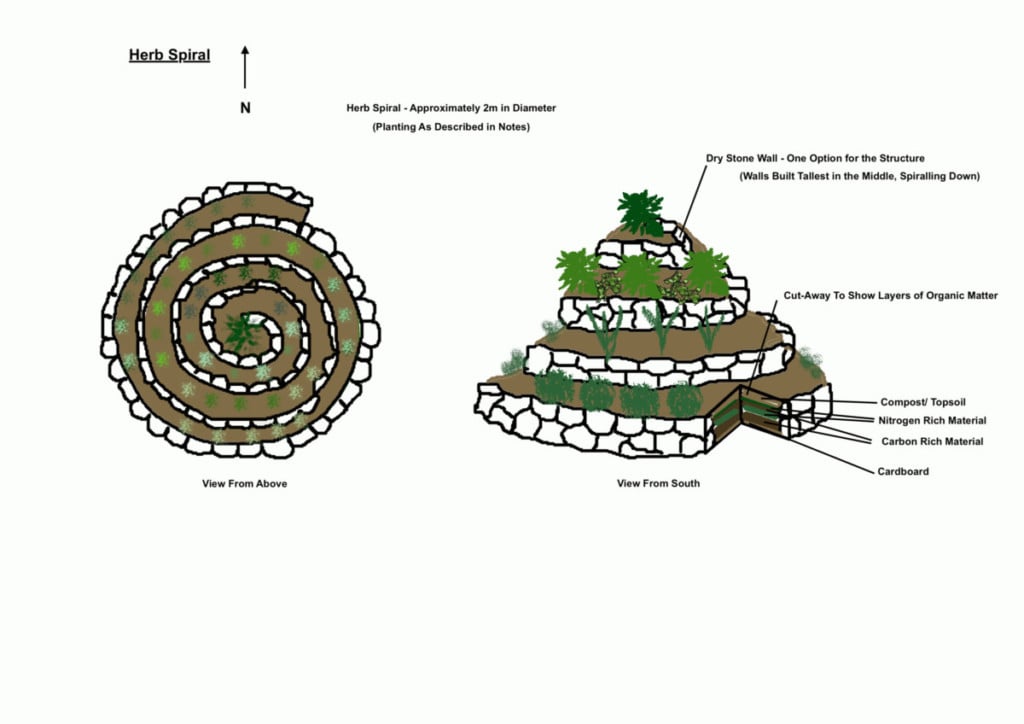
Credit: www.ruralsprout.com
Incorporating Permaculture Principles
Design a mandala garden by applying permaculture principles for an efficient, beautiful, and sustainable space. Arrange plants in circular patterns, maximizing sunlight and resources. This approach encourages biodiversity and minimizes maintenance, creating harmony between nature and human needs.
Designing a mandala garden can be a fulfilling journey, especially when you integrate permaculture principles. Permaculture emphasizes working with nature rather than against it, resulting in a self-sustaining ecosystem. By embracing these principles, your mandala garden will not only be beautiful but also environmentally friendly and productive.Sustainable Practices
Implementing sustainable practices in your mandala garden is crucial for long-term success. Begin by using compost from kitchen scraps and garden waste to enrich the soil naturally. This not only reduces waste but also provides essential nutrients for your plants. Consider planting perennial vegetables and herbs. They require less maintenance and provide a reliable food source year after year. Rotate your crops to prevent soil depletion and reduce pests naturally.Water Conservation
Water conservation is a key element in permaculture design. Install a rainwater harvesting system to collect and store rainwater for dry spells. This is a great way to ensure your garden remains hydrated without relying solely on municipal water. Mulching is another effective strategy. It helps retain moisture in the soil, reduces the need for frequent watering, and suppresses weed growth. Choose organic materials like straw or wood chips for mulching.Biodiversity Enhancement
Enhancing biodiversity in your mandala garden creates a resilient ecosystem. Plant a mix of native flowers, shrubs, and trees to attract beneficial insects and pollinators. This supports the local wildlife and increases your garden’s productivity. Incorporate companion planting to naturally deter pests. For example, marigolds can be planted alongside vegetables to repel nematodes. By fostering a diverse plant community, you create a balanced environment that thrives without chemical interventions. Isn’t it exciting to think about how your mandala garden can become a thriving, self-sustaining haven? By embracing these permaculture principles, you’re not just planting a garden—you’re nurturing a living ecosystem.Common Challenges And Solutions
Designing a mandala garden often involves balancing aesthetics with functionality. Spatial planning can be tricky but using geometric shapes helps. Ensuring proper plant selection and soil quality enhances growth and symmetry in the garden.
Designing a mandala garden can be a rewarding experience. Yet, it comes with its own set of challenges. Addressing these early on ensures a thriving, beautiful space. Let’s explore some common obstacles and their solutions.Dealing With Limited Space
Small gardens can still be stunning. Use vertical gardening to maximize space. Choose plants that grow upwards. Install trellises for climbing plants. Mix herbs with flowers. This adds color and aroma. Raised beds help define areas. They also make it easy to reach plants.Managing Water Resources
Watering efficiently is crucial. Install a drip irrigation system. It delivers water directly to roots. Use mulch to retain moisture. Select drought-tolerant plants. They thrive with less water. Collect rainwater in barrels. Use it during dry spells.Ensuring Plant Health
Healthy plants need attention. Rotate crops to prevent disease. Remove weeds regularly. They compete for nutrients. Use natural pest control methods. Encourage beneficial insects. Ladybugs and spiders help control pests. Test soil quality each season. Amend it with compost if needed.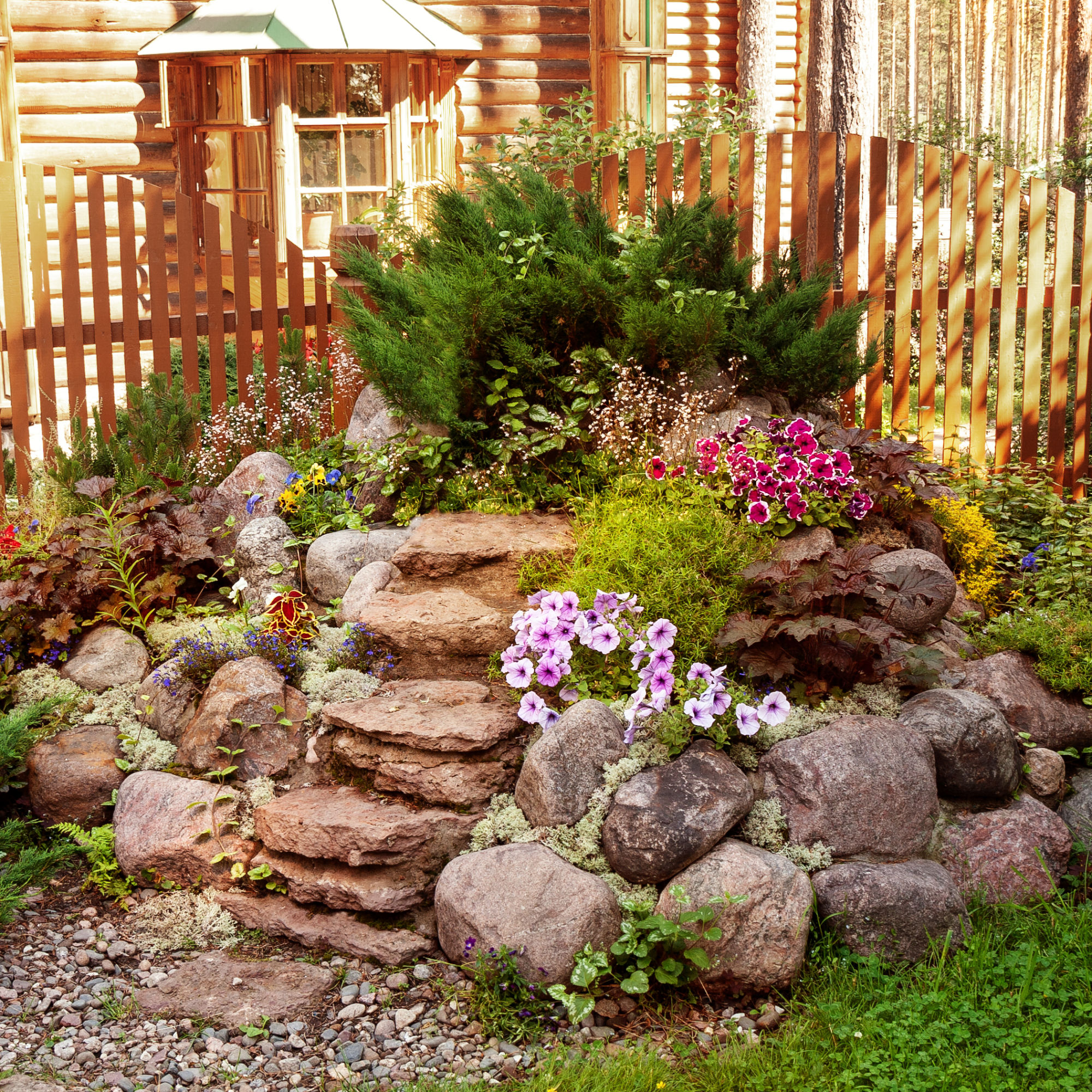
Credit: www.gardeningknowhow.com
Personalizing Your Mandala Garden
Designing a mandala garden is a creative and rewarding endeavor. Personalizing your mandala garden brings a special touch to this circular oasis. This space reflects your personality and style. It becomes a unique retreat filled with meaning and beauty.
Adding Personal Touches
Personal touches make your mandala garden truly yours. Choose plants that resonate with your spirit. Consider their colors, scents, and textures. Use materials that you love for pathways and borders. Create a garden that tells your story. These elements connect you to the space deeply.
Incorporating Art And Decor
Art and decor add charm and character. Place sculptures or statues that inspire you. Hang wind chimes or lanterns for a magical atmosphere. Use decorative stones or mosaics to enhance visual appeal. This artful addition brings life and movement to the garden.
Creating Relaxation Spaces
A mandala garden should offer tranquility. Create cozy seating areas with benches or hammocks. Use soft cushions and blankets for comfort. Add a small table for your tea or books. These spaces invite you to unwind and reflect. Enjoy the serenity of your personalized mandala garden.
Frequently Asked Questions
What Is A Mandala Garden?
A mandala garden is a circular garden design inspired by ancient symbols. It features multiple planting beds arranged in a symmetrical pattern. This design maximizes space, enhances accessibility, and promotes biodiversity. Mandala gardens are not only functional but also aesthetically pleasing, making them ideal for sustainable gardening.
How To Start A Mandala Garden?
Begin by selecting a suitable location with ample sunlight. Sketch your garden design, focusing on circular patterns. Prepare the soil by removing weeds and adding compost. Divide the area into sections using paths. Choose diverse plants that thrive in your climate.
Plant them according to companion planting principles for optimal growth.
Why Choose A Mandala Garden Design?
Mandala gardens offer efficient space utilization and easy access to plants. The circular design minimizes walking and maximizes growing space. It promotes biodiversity and supports natural pest control. This design also enhances the visual appeal of your garden, creating a serene and harmonious environment.
What Plants Are Best For Mandala Gardens?
Choose a mix of vegetables, herbs, and flowers that complement each other. Consider plants like tomatoes, basil, marigolds, and nasturtiums. Ensure they thrive in your climate and soil conditions. Companion planting helps deter pests and enhance growth. Select plants that bloom at different times for year-round beauty.
Conclusion
Creating a mandala garden brings peace and joy to your space. Start small, plan carefully, and choose plants you love. Arrange plants in circular patterns for visual harmony. Pay attention to colors and textures. These elements enhance the garden’s beauty.
Regular care keeps your garden vibrant and healthy. Water, prune, and enjoy watching it grow. Invite nature’s beauty into your life. Connect with the earth, and let your creativity flow. Your mandala garden is a reflection of you. A place of tranquility.
A sanctuary. Enjoy every moment spent in your peaceful retreat.







