Imagine stepping into your own serene sanctuary, where the soothing scent of lavender fills the air, calming your mind and invigorating your senses. Designing a lavender garden can transform any outdoor space into a peaceful retreat, offering beauty and tranquility just outside your door.
If you’ve ever dreamed of creating a garden that is both visually stunning and aromatic, you’re in the right place. This guide will walk you through the essential steps to design a lavender garden that not only enhances your home but also captivates your senses and relieves your stress.
Ready to dig in and make your lavender dreams a reality? Let’s get started!

Credit: byjema.com
Choosing The Right Lavender Varieties
Selecting the best lavender varieties brings beauty and fragrance to your garden. Consider climate, soil type, and desired use. Varieties like English lavender are ideal for cooler climates, while Spanish lavender thrives in warmer areas.
Choosing the right lavender varieties is crucial for a thriving lavender garden. Each variety has unique characteristics. Some are better suited for certain climates. Understand your garden’s needs before selecting.Popular Types Of Lavender
Lavender comes in many varieties. English lavender is common. It has a sweet fragrance. French lavender, with its unique flowers, is another favorite. Spanish lavender stands out with its distinct look. Each type offers something special.Climate Considerations
Climate plays a big role in lavender growth. English lavender prefers cooler climates. French and Spanish lavenders thrive in warmer areas. Check your local climate before planting. This ensures your lavender grows healthy. Proper climate selection enhances lavender longevity.
Credit: www.youtube.com
Garden Layout And Design
Designing a lavender garden involves choosing a sunny spot with well-drained soil. Arrange plants in rows or clusters for a beautiful display. Consider pathways for easy access and maintenance.
Designing a lavender garden is an exciting endeavor that invites tranquility and beauty into your outdoor space. The layout and design of your garden are crucial to ensuring it thrives and remains visually appealing. By carefully planning the arrangement, you can create an enchanting oasis that captivates both the senses and the soul. Let’s delve into some key elements to focus on while designing your lavender garden.Creating Symmetry And Balance
Symmetry and balance give your garden a harmonious feel, drawing the eye naturally across the space. Consider planting lavender in even rows or mirrored patterns to achieve this effect. This doesn’t mean you have to adhere strictly to rigid lines; gentle curves can also create balance while adding a touch of elegance. Think about how the size and shape of your lavender plants contribute to symmetry. Planting larger varieties at the back and smaller ones at the front can maintain an organized look. Experiment with different arrangements until you find a layout that feels visually satisfying.Pathways And Borders
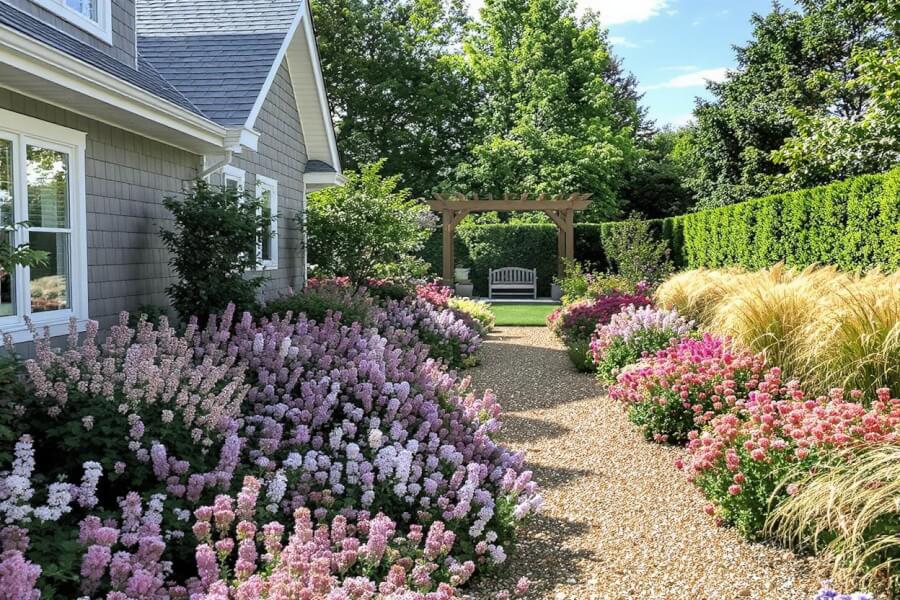
Pathways not only guide you through your garden but also add to its charm. Consider using gravel, stepping stones, or brick paths to create a rustic feel that complements the natural beauty of lavender. These pathways can lead to focal points, such as a bench or a birdbath, inviting you to pause and enjoy the serenity. Borders can define your lavender garden and add structure. Use materials like wood, stone, or metal to create a clean edge that contrasts with the soft, flowing lavender. Borders can help keep your garden tidy and prevent lavender from encroaching into other areas. Have you ever thought about how a simple path can change the entire feel of a garden? Experiment with different pathways and borders to see what transforms your outdoor space into a personal sanctuary.Color Schemes And Plant Pairings
Create a lavender garden by using soft color schemes and harmonious plant pairings. Pair lavender with silver foliage for a calming effect. Include white flowers to enhance the garden’s elegance and tranquility.
Designing a lavender garden can be an exhilarating experience, allowing you to blend vibrant hues and aromatic scents in a harmonious space. The key to a captivating lavender garden lies in the artful selection of color schemes and plant pairings. By choosing the right companions and complementary colors, you can create a landscape that is not only visually stunning but also beneficial for your plants’ growth. Let’s explore how to master these elements to craft a garden that bursts with beauty and tranquility.Complementary Colors
Selecting complementary colors for your lavender garden can significantly enhance its aesthetic appeal. Lavender’s soft purple hue pairs beautifully with colors like yellow and orange. These warmer tones create a striking contrast that highlights the lavender’s delicate shades. Consider planting marigolds or sunflowers alongside your lavender. Their bright blossoms will pop against the purple, creating a cheerful and eye-catching display. If you prefer a more subtle look, white flowers like daisies can add a touch of elegance, making your garden feel airy and open. Think about how these colors will change with the seasons. Will your garden maintain its vibrancy through summer and fall? This consideration ensures your garden remains a visual delight all year round.Companion Plants
Choosing the right companion plants is vital for a thriving lavender garden. Companion plants can improve soil quality, deter pests, and even enhance the growth of your lavender. Rosemary and thyme are excellent choices. They share similar growing conditions with lavender, thriving in well-drained soil and plenty of sunlight. Their aromatic qualities can also help deter pests, keeping your lavender healthy. Another great companion is echinacea. Not only does it offer medicinal benefits, but its pink and purple flowers harmonize well with lavender’s hues. You might also want to include ornamental grasses; they add texture and movement, creating a dynamic landscape. Have you considered the benefits of planting herbs like basil or oregano nearby? They can enhance your garden’s fragrance and provide fresh ingredients for your kitchen. By thoughtfully pairing plants and colors, you can design a lavender garden that is both beautiful and functional. Happy gardening!Incorporating Decorative Elements
Designing a lavender garden can be enhanced by adding decorative elements like rustic pots and stone pathways. These features create a charming and inviting atmosphere, complementing the soothing hues of lavender blooms.
Incorporating decorative elements into your lavender garden enhances its charm. These additions create a relaxing and inviting atmosphere. They also elevate the garden’s visual appeal. Let’s explore ways to enrich your lavender garden with stylish features.Garden Furniture And Ornaments
Garden furniture adds comfort and functionality to your lavender garden. Consider placing a rustic wooden bench among the lavender rows. It provides a perfect spot to unwind and enjoy the fragrant ambiance. Select furniture that complements the garden’s natural beauty. Metal chairs with intricate designs offer a classic touch. Add cushions in soft hues for extra comfort. Ornaments bring character and creativity to the garden. Small statues or ceramic pots can act as focal points. Choose pieces that reflect your personal style. A vintage birdbath or a wrought iron trellis can add a unique charm. These elements will blend seamlessly with the lavender backdrop.Water Features
Water features introduce tranquility and movement into your garden. A small fountain can be a delightful addition. The gentle sound of flowing water enhances relaxation. Choose a design that harmonizes with the lavender landscape. A stone fountain or a simple ceramic basin works well. Consider adding a pond for a more natural look. Surround it with lavender plants to create a cohesive scene. Water attracts wildlife, adding life to your garden. Birds and butterflies will visit often, enriching the garden’s vibrancy. Keep water features clean to maintain their beauty and function.Maintenance And Care
Lavender gardens thrive with regular pruning and soil checks. Ensure good drainage and sunlight for healthy growth. Water sparingly to prevent root rot and keep weeds at bay for a vibrant garden.
Designing a lavender garden brings peace and beauty to any space. Proper maintenance and care ensure your lavender thrives. This process involves regular attention to pruning, pest management, and disease prevention. With these simple guidelines, your lavender garden will flourish, offering fragrant blooms and lush greenery.Pruning Techniques
Pruning lavender promotes healthy growth and abundant blooms. Trim plants in early spring to remove dead stems. This encourages new growth and keeps plants tidy. Use sharp, clean shears for precise cuts. Aim to cut back about one-third of the plant. Avoid cutting into the woody parts, as this can damage the plant. Regular pruning helps maintain the plant’s shape and health.Pest And Disease Management
Lavender is generally pest-resistant, but some issues may arise. Watch for aphids and spider mites. These pests can harm your plants. Remove them with a gentle spray of water. For larger infestations, consider using insecticidal soap. Lavender can also face fungal diseases. Ensure good air circulation by spacing plants properly. Water the base of the plant to avoid wetting the foliage. This helps prevent fungal growth. Regularly check plants for signs of disease. Early intervention keeps your lavender garden healthy and vibrant.
Credit: www.youtube.com
Seasonal Considerations
Consider planting lavender in spring for best growth. Ensure well-drained soil and full sun exposure. Choose frost-resistant varieties for colder climates.
Designing a lavender garden involves understanding the seasonal needs of the plants. Each season brings unique challenges and opportunities for lavender care. Knowing how to protect and nurture your lavender ensures a vibrant garden year-round. Let’s explore the key seasonal considerations.Winter Protection
Lavender requires special care during winter. Cold temperatures can damage the plants. Cover them with burlap or garden fleece. This provides insulation against frost. Ensure the soil drains well. Wet roots can freeze and harm lavender. Consider mulching around the base. Mulch retains warmth and moisture.Maximizing Bloom Time
Lavender blooms best with proper seasonal planning. Prune plants in early spring. This encourages more flowers. Choose varieties that bloom at different times. This extends flowering periods. Water sparingly once buds form. Overwatering reduces bloom quality. Fertilize lightly with organic compost. This supports healthy blooms.Frequently Asked Questions
What Are The Best Lavender Varieties?
Choose varieties like English Lavender, Lavandula angustifolia, and French Lavender for fragrance and aesthetics. These types are hardy and perfect for garden settings, offering vibrant blooms and a pleasant aroma. Ensure you select varieties suitable for your climate to guarantee healthy growth and optimal flowering.
How Do I Prepare Soil For Lavender Planting?
Lavender thrives in well-drained, sandy soil with a pH of 6. 5-7. 5. Amend heavy soil with sand or gravel for better drainage. Avoid overly fertile soils; lavender prefers lean conditions. Preparing the right soil ensures healthy roots and abundant blooms, enhancing the beauty of your garden.
When Is The Best Time To Plant Lavender?
Spring is ideal for planting lavender, after the last frost. This timing ensures plants establish before summer heat. Early planting allows roots to develop, aiding growth and flowering. Choose a sunny spot for planting, as lavender needs full sun for healthy growth and vibrant blooms.
How Do I Water A Lavender Garden?
Water lavender deeply but infrequently, allowing soil to dry between watering. Overwatering can lead to root rot, so ensure drainage is adequate. Established plants need less water, relying on natural rainfall. Proper watering maintains plant health and enhances flowering, contributing to a thriving lavender garden.
Conclusion
Creating a lavender garden is a rewarding experience. Start small and enjoy the process. Choose the right lavender variety for your climate. Prepare the soil well; drainage is crucial. Space the plants adequately for growth and airflow. Water carefully; lavender prefers dry conditions.
Prune regularly to maintain shape and health. Consider adding other plants for variety and color. Use mulch to retain moisture and reduce weeds. Enjoy the calming scent and beauty of your garden. With patience and care, your lavender garden will flourish, providing tranquility and joy for years to come.