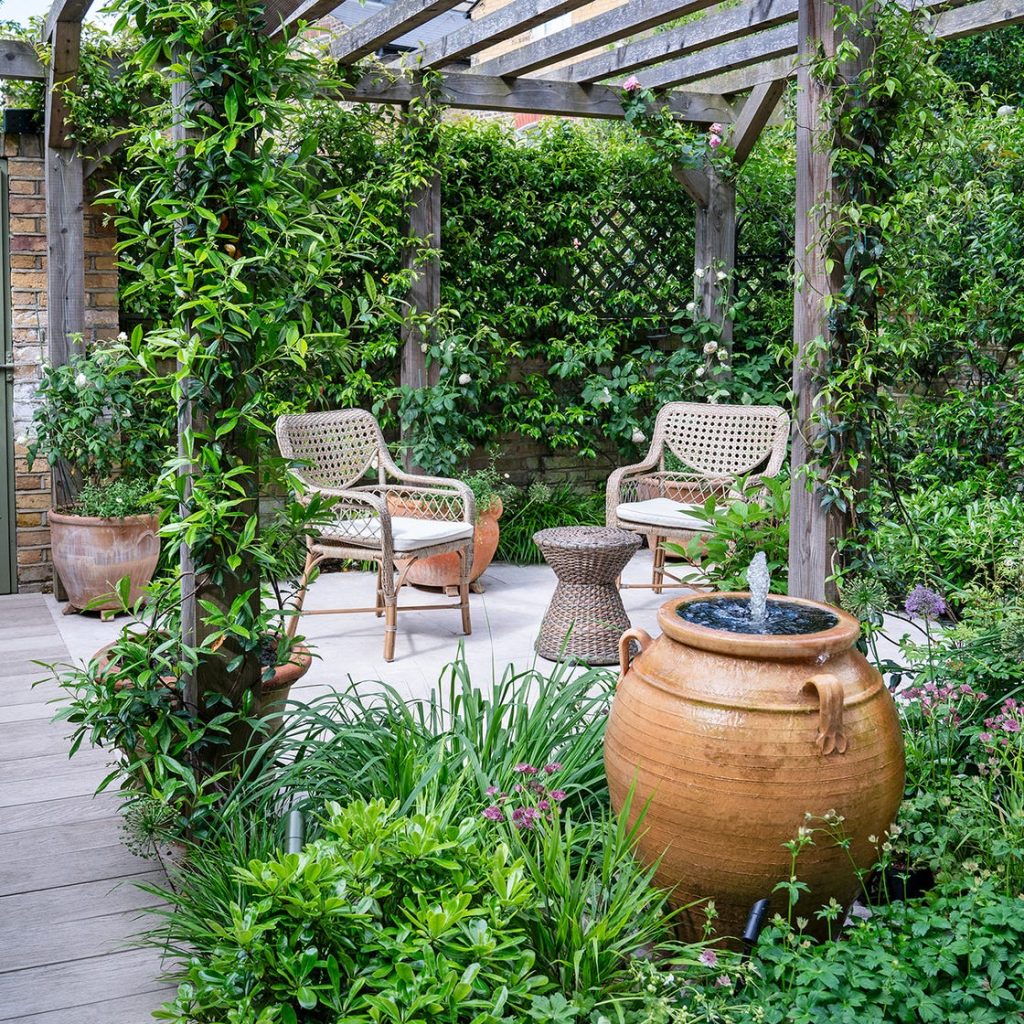
Imagine stepping into your backyard and being greeted by a lush, thriving garden that seems to stretch endlessly. A large garden bed can transform your outdoor space into a serene oasis where you can unwind, entertain, and even grow your own fresh produce.
But how do you design such a magnificent garden bed without feeling overwhelmed? In this guide, you will discover simple, effective strategies to turn your gardening dreams into reality. Whether you’re a seasoned gardener or a complete newbie, you’ll find tips that will empower you to design a garden bed that meets your needs and fits your lifestyle.
Get ready to learn how to choose the right location, select the best plants, and create a layout that maximizes beauty and functionality. By the end of this article, you’ll have the confidence to embark on your garden design project with excitement and creativity. Keep reading to unlock the secrets of designing a large garden bed that will be the envy of your neighborhood!
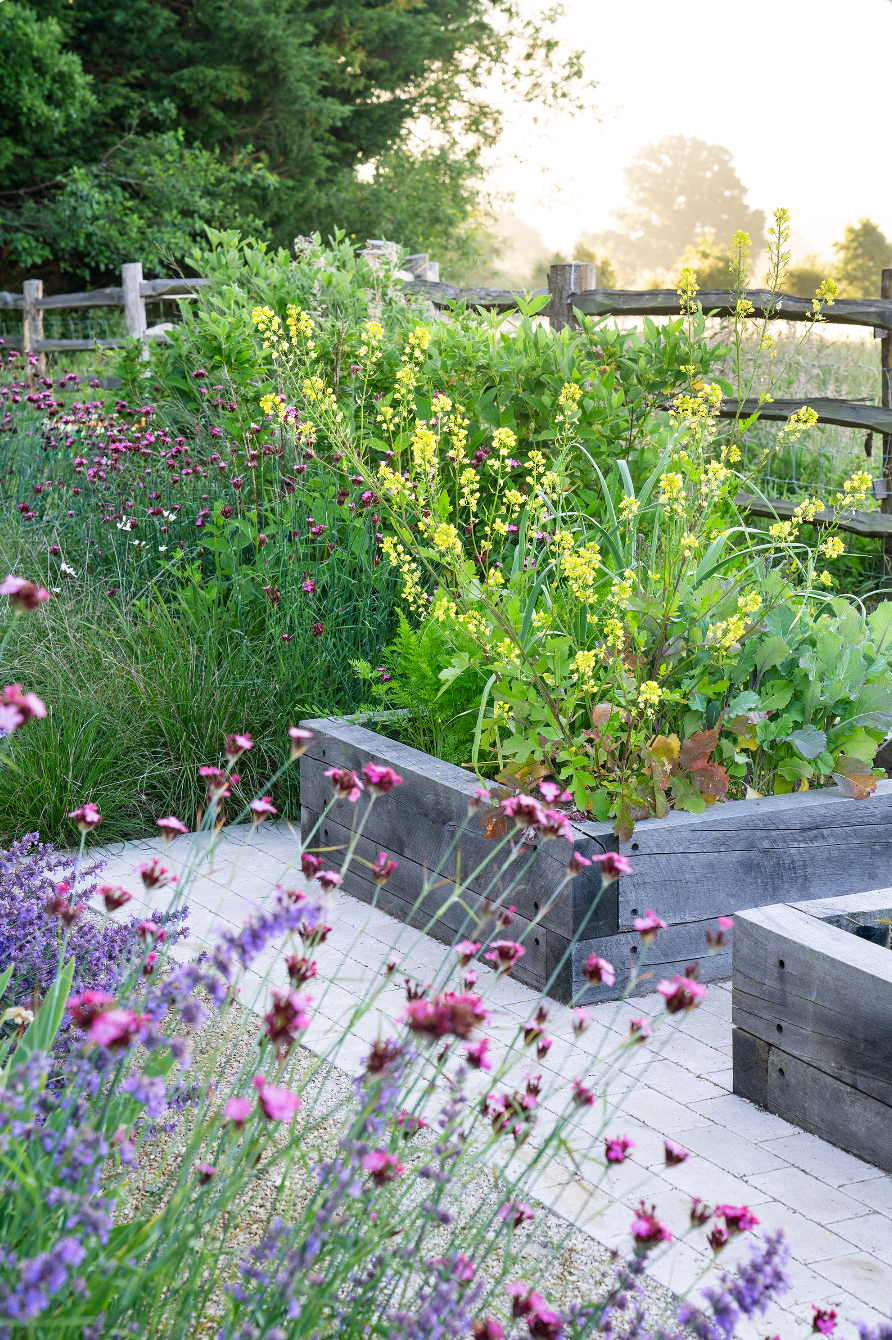
Credit: www.elledecor.com
Choosing The Right Location
Sunny spots are ideal for large garden beds, promoting plant growth. Ensure easy access for watering and maintenance. Consider wind exposure to protect delicate plants.
Choosing the right location for your garden bed is crucial. A well-placed garden bed thrives and enhances your outdoor space. Consider factors like sunlight, water sources, and soil quality. Each element plays a role in plant health and growth.Sunlight And Shade Considerations
The amount of sunlight impacts plant growth significantly. Observe your garden area throughout the day. Identify spots with full sun, partial shade, or full shade. Most vegetables and flowers need six to eight hours of sunlight. Some plants prefer morning sun and afternoon shade. Choose a location that matches your plants’ sunlight needs.Proximity To Water Sources
Water access is essential for a healthy garden. Consider the distance to your water source. A garden close to a water source makes maintenance easier. Long hoses can be cumbersome and inconvenient. Consider installing a rain barrel for sustainable watering. This reduces dependency on municipal water. Ensure your plants can be watered without hassle.
Credit: www.youtube.com
Determining The Size And Shape
Choosing the size and shape of your garden bed sets the foundation. Consider the space and plant needs. Curved edges can add visual interest, while straight lines offer a tidy look.
Determining the size and shape of your garden bed is crucial. The right dimensions ensure healthy plant growth and make maintenance easier. A well-designed shape enhances visual appeal. Both size and shape influence how you interact with your garden space.Understanding Garden Bed Proportions
Consider the garden’s overall size. Large beds require more resources and time. Smaller beds are easier to manage. Proportion is key. Avoid overwhelming the space with too large beds. Balance garden beds with open space. Width is important. Ensure easy access to all plants. Avoid beds wider than your reach. Length can vary based on available space. Longer beds allow for more planting options.Designing For Aesthetic Appeal
Shape impacts garden aesthetics. Choose shapes complementing your garden landscape. Curved beds add softness and flow. Rectangular shapes offer a structured look. Combine different shapes for variety. Create focal points with unique designs. Think about views from different angles. Ensure the garden bed looks appealing from all sides. Color can influence perception. Use edging materials that complement plant colors. Contrast with surrounding elements. Add textures for visual interest. Consider paths and walkways. Easy access improves functionality. Paths can guide the eye through the garden. Enhance the overall aesthetic experience.Selecting Suitable Materials
Choosing the right materials for a large garden bed is crucial. Opt for durable, weather-resistant options like treated wood or stone. These ensure longevity and enhance the garden’s aesthetic appeal.
Selecting suitable materials is vital for designing a large garden bed. The right materials ensure longevity and enhance the garden’s aesthetic appeal. Let’s explore the options available and their unique benefits.Wood, Stone, And Metal Options
Wood offers a classic look and blends well with natural settings. Cedar and redwood are popular choices due to their resistance to decay. These woods are also easy to cut and shape, making them versatile. Stone provides a robust and timeless feel. It adds a touch of elegance and can withstand harsh weather. Options like granite and limestone are durable and require minimal maintenance. Metal is another option, known for its sleek and modern appearance. Corten steel, in particular, develops a rust-like patina that protects against corrosion. Metal beds are strong and can support heavy soil loads.Durability And Environmental Impact
Durability is crucial for a garden bed’s lifespan. Wood can last several years with proper treatment. Stone is exceptionally durable, often lasting decades without significant wear. Metal, especially galvanized, resists rust and lasts long. Considering environmental impact is also important. Wood is sustainable if sourced responsibly. Stone has a low environmental footprint as it’s a natural material. Metal production can be energy-intensive, but many metals are recyclable. Choose materials that balance durability and environmental considerations for a sustainable garden.Soil Preparation Techniques
Preparing soil is crucial for designing a large garden bed. Begin by removing weeds and debris. Next, enrich the soil with organic compost for better plant growth.
Soil preparation is crucial for a flourishing garden bed. Healthy soil supports plant growth and ensures vibrant blooms. Focus on enhancing soil quality before planting.Testing Soil Quality
Start with a soil test. This reveals pH levels and nutrient content. Purchase a simple test kit from a garden center. Follow the instructions carefully. Collect soil samples from different areas. Mix them for accurate results. The test will show nutrient deficiencies. It will also indicate pH imbalances. Knowing this helps in correcting soil issues.Amending And Enriching Soil
After testing, enrich the soil with amendments. Organic matter improves soil structure. Use compost, manure, or peat moss. These enhance water retention and aeration. Spread a layer of organic matter over the soil. Mix it with a spade or tiller. For sandy soil, add clay-rich amendments. This improves water retention. In clay-heavy soil, incorporate sand or gypsum. This boosts drainage and prevents compaction. Balance soil pH with lime or sulfur. Use lime to raise pH levels. To lower pH, apply sulfur. Follow product instructions for best results. Regularly enriching soil maintains its fertility. It ensures your plants receive essential nutrients.Choosing Plants For Your Garden Bed
Designing a large garden bed requires selecting plants that suit your climate and soil type. Consider plant size, sunlight needs, and maintenance level. Mixing colors and textures adds visual interest.
Designing a large garden bed can be an exciting yet challenging task, especially when it comes to selecting the right plants. The choices you make not only affect the aesthetic appeal but also the health and productivity of your garden. By carefully choosing plants that complement each other, you can create a thriving ecosystem that requires less maintenance and provides more beauty and bounty.Companion Planting Strategies
Consider the benefits of companion planting. This technique involves placing plants together that can mutually benefit each other. For example, pairing tomatoes with basil can enhance flavor and deter pests. Think about plants like marigolds, which can repel nematodes and improve the health of your soil. Create a balance by mixing tall and short plants to maximize sunlight and space. This strategy can lead to a harmonious garden where plants support one another’s growth.Seasonal Plant Selections
Choose plants based on the seasons to ensure a continuous display of colors and textures. In spring, you might enjoy the vibrant hues of tulips and daffodils. As summer approaches, consider adding sunflowers and zinnias for a splash of warmth. During autumn, the rich tones of chrysanthemums can take center stage. By planning for each season, you can maintain an ever-changing tapestry that keeps your garden interesting all year round. Have you ever considered how the timing of your plant choices can extend your garden’s beauty? A well-planned garden can bloom with life, even in the colder months.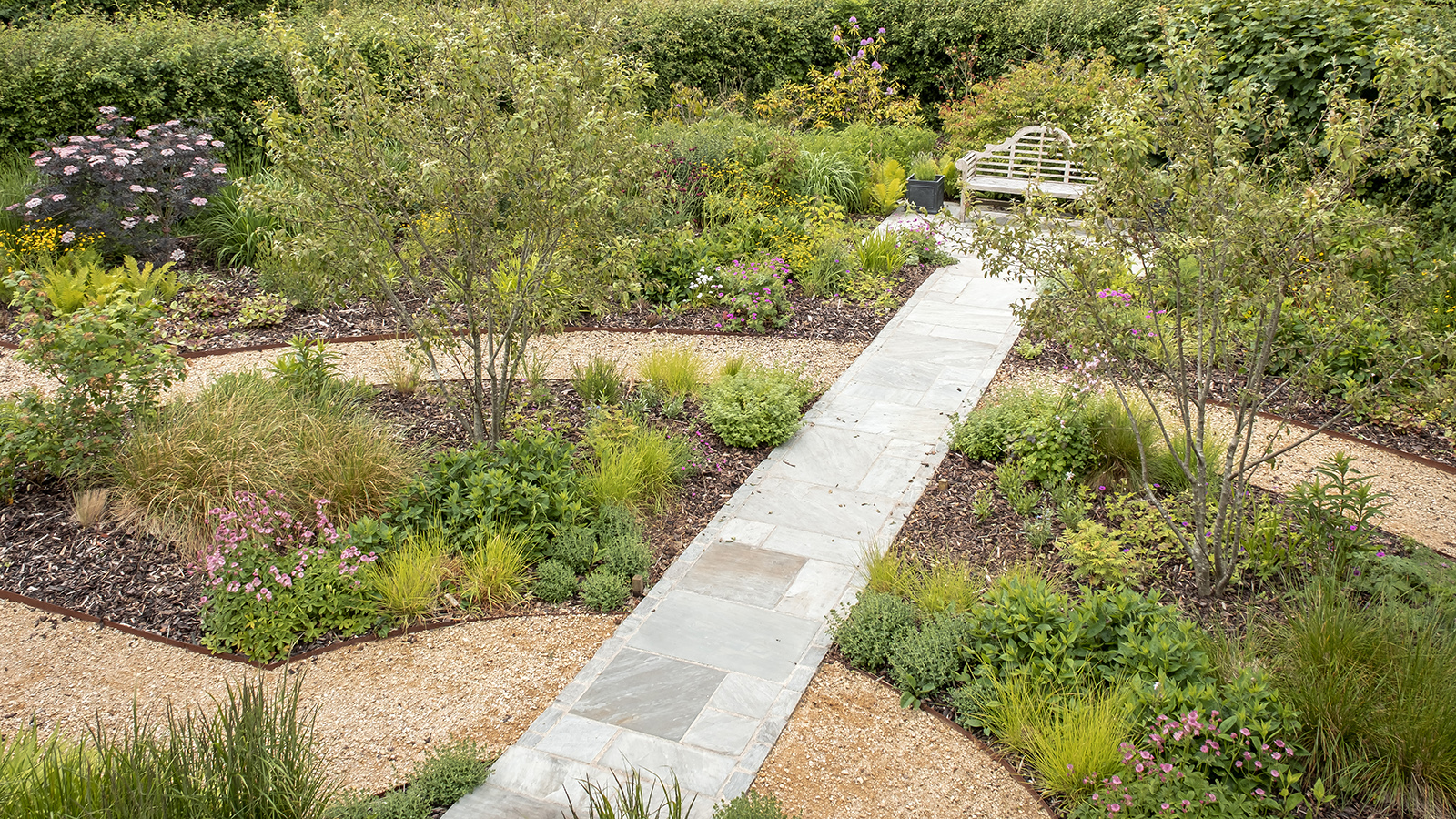
Credit: www.homebuilding.co.uk
Irrigation And Drainage Solutions
Creating a large garden bed involves strategic planning for irrigation and drainage. Ensure water reaches all plants evenly. Design slopes for effective water runoff, preventing waterlogging.
Designing a large garden bed can be a rewarding endeavor, but ensuring your plants thrive requires careful attention to irrigation and drainage solutions. Without the right systems in place, your garden might suffer from dry spells or excessive water retention. Let’s explore how you can master these crucial elements to keep your garden flourishing all year round.Efficient Watering Systems
Investing in a reliable watering system is key to maintaining a healthy garden. Drip irrigation is an excellent choice for large garden beds as it delivers water directly to the roots, minimizing waste and evaporation. Consider using a timer to automate watering schedules, ensuring consistency even when you’re not around. Sprinkler systems are another option, especially for covering large areas quickly. Opt for adjustable nozzles to control water flow and direction, tailoring it to the specific needs of different plants. Evaluate your garden’s layout and plant varieties to choose the best system that will provide optimal hydration.Preventing Waterlogging
Waterlogging can be detrimental to plant health, leading to root rot and nutrient deficiencies. To prevent this, ensure your garden bed has proper drainage. Begin by assessing the soil type; sandy soil drains quickly, while clay retains water longer. Consider elevating your garden beds slightly to promote better drainage. Adding organic matter like compost can improve soil structure, enhancing its ability to drain excess water. Install a French drain or similar system if waterlogging is a persistent issue. This involves a gravel-filled trench with a perforated pipe that directs water away from your garden bed. Regularly check and maintain these systems to ensure they function effectively. Balancing water supply and drainage can make all the difference between a thriving garden and a struggling one. What creative solutions have you found for watering and drainage in your own garden?Incorporating Pathways And Borders
Incorporating pathways and borders can transform a large garden bed into a structured and inviting space. Pathways guide visitors, while borders define areas and prevent plant overgrowth. These elements enhance both functionality and aesthetics, creating a harmonious garden design.
Incorporating pathways and borders in your large garden bed enhances its beauty. These elements add structure and improve functionality. Pathways guide visitors through the garden, offering a pleasant walking experience. Borders define spaces, providing a neat and organized look. Together, they create a harmonious and inviting garden environment.Defining Garden Bed Edges
Clear edges make your garden stand out. Use materials like bricks, stones, or wood to outline the garden bed. These materials are durable and easy to install. Edges help keep mulch and soil in place. They also prevent grass from encroaching into the garden bed. This creates a clean separation between the lawn and the garden.Enhancing Accessibility
Pathways ensure easy access to plants and flowers. Choose materials like gravel, stepping stones, or pavers for the paths. These materials are sturdy and weather-resistant. Wide paths accommodate wheelbarrows and garden tools. Ensure pathways are level to prevent tripping hazards. Paths also help keep feet dry during rainy days. By integrating pathways and borders, your garden becomes more organized. These features also enhance the overall aesthetic appeal. Keep maintenance in mind while planning these elements. Durable materials reduce the need for frequent repairs and upkeep.Maintenance And Care Tips
Designing a large garden bed requires careful planning and regular maintenance. Choose plants suited to your climate and soil. Ensure proper watering and mulching to keep plants healthy.
Maintaining a large garden bed requires ongoing attention and care. Regular maintenance ensures your garden remains healthy and vibrant. Simple tasks can prevent problems and keep plants thriving.Regular Pruning And Weeding
Pruning helps plants grow better and look neat. Trim dead or overgrown branches. This encourages new growth. Prune flowering plants after blooming. Weeding is crucial to garden health. Weeds compete for nutrients and water. Remove them regularly to prevent their spread. Use a hoe or hands to pull weeds from the roots.Pest And Disease Management
Pests and diseases can harm your garden. Check plants for signs of trouble. Look for discolored leaves or holes. Use organic methods to control pests. Beneficial insects like ladybugs eat harmful bugs. Neem oil is a natural pesticide. For diseases, remove affected leaves or plants. Improve air circulation to prevent fungal growth. Keep garden tools clean to avoid spreading disease.Frequently Asked Questions
What Are The Basics Of Designing A Garden Bed?
Start with a plan by sketching your garden layout. Consider sunlight, soil quality, and plant variety. Choose plants suitable for your climate and space. Ensure proper spacing for growth and maintenance. Add pathways for accessibility and aesthetics. Incorporate mulch to retain moisture and reduce weeds.
How Do I Choose Plants For A Large Garden?
Select plants based on your climate, soil, and sunlight. Consider a mix of perennials, annuals, and shrubs for variety. Choose plants with different blooming times for continuous color. Native plants often require less maintenance. Ensure plants are compatible with each other to avoid competition for resources.
What Is The Ideal Soil For A Garden Bed?
Ideal garden soil is well-draining, rich in organic matter, and has a balanced pH. Amend clay or sandy soils with compost to improve texture and fertility. Test soil pH and adjust with lime or sulfur if necessary. Regularly add organic matter to maintain soil health and fertility.
How Do I Ensure Proper Irrigation For My Garden?
Install a drip irrigation system for efficient water use. Water early in the morning to minimize evaporation. Ensure plants receive 1-2 inches of water weekly, adjusting for rainfall. Mulch helps retain moisture and reduce watering frequency. Regularly check and adjust your irrigation system for optimal performance.
Conclusion
Designing a large garden bed can be a fun project. Start with a plan. Choose plants that suit your climate. Use healthy soil for better growth. Arrange plants for easy access and good sunlight. Water regularly to keep them fresh.
Add paths or borders for a neat look. Consider colors and textures for a vibrant garden. Keep maintenance simple but effective. Enjoy the process and watch your garden flourish. With patience, your garden will become a beautiful space. Remember, every garden bed is unique.
Make it your own special place to relax.