Imagine stepping into your backyard and being greeted by a sea of vibrant colors and lush blooms. Designing a hydrangea garden could turn this dream into reality.
These stunning flowers are more than just a pretty sight; they bring an enchanting aura to any space, making it feel like your own private oasis. But how do you start crafting this dream garden? How do you ensure your hydrangeas thrive and keep blooming season after season?
You hold the power to transform your garden into a masterpiece. By learning the secrets of hydrangea care, choosing the right varieties, and arranging them thoughtfully, you’ll create a space that captivates anyone who visits. Don’t let the complexity of garden design overwhelm you—this guide will break it down into simple steps. Get ready to delve into the world of hydrangeas, where beauty meets simplicity, and discover how you can turn your outdoor space into a breathtaking garden.
Choosing The Right Hydrangea Varieties
Selecting the right hydrangea varieties enhances your garden’s beauty. Consider color, size, and climate needs for best results.
Choosing the right hydrangea varieties is essential for a beautiful garden. Different varieties offer unique colors, shapes, and sizes. Understanding these differences will help you create a stunning display. Consider your garden’s size and climate. Also, think about the blooming period you prefer. Below, we explore important factors and suggest popular varieties. Each section will guide you in making the best choice.Factors To Consider
Selecting the right hydrangea involves several key factors. First, consider the climate in your area. Some hydrangeas thrive in cooler climates, while others prefer warmth. Next, assess the soil conditions in your garden. Hydrangeas need well-drained soil. Think about the sunlight your garden receives. Most hydrangeas need partial to full sun. Finally, consider the space available in your garden. Some varieties grow large, so space is crucial.Popular Varieties For Beginners
Beginners can start with easy-to-care-for varieties. Here are a few popular choices:- Hydrangea macrophylla:Known for large, colorful blooms.
- Hydrangea arborescens:Offers white, fluffy flowers. Very hardy.
- Hydrangea paniculata:Features cone-shaped blooms. Very adaptable.
Seasonal Blooming Options
Hydrangeas offer different blooming times. Choose varieties that fit your desired blooming season.- Spring bloomers:Oakleaf hydrangeas offer beautiful spring flowers.
- Summer bloomers:Bigleaf hydrangeas bloom in summer. Bright and vibrant.
- Fall bloomers:Panicle hydrangeas extend blooming into fall. Adds late color.
Credit: www.hgtv.com
Selecting The Ideal Location
Designing a hydrangea garden is a delightful endeavor, but one crucial aspect to consider is selecting the ideal location. Proper placement can significantly affect the growth and bloom of your hydrangeas, transforming your garden into a vibrant haven. Let’s delve into the key factors that determine the best spot for your hydrangeas, ensuring they thrive and bring beauty to your outdoor space.
Sunlight Requirements
Hydrangeas enjoy a balanced dance between sun and shade. Most varieties flourish in morning sun and afternoon shade. If your garden offers dappled sunlight, it’s a perfect match. But what if your yard is mostly sunny? Consider planting near taller shrubs or trees that can provide afternoon shade. Remember, too much sun can lead to wilting and faded blooms.
Soil Preferences
Healthy soil is the foundation for thriving hydrangeas. They prefer moist, well-drained soil rich in organic matter. Test your soil’s drainage by digging a small hole and filling it with water. If it drains quickly, you’re in luck. If not, adding compost can improve it. Avoid overly acidic soil unless you’re aiming for vibrant blue blooms, as soil pH directly influences hydrangea color.
Climate Considerations
Hydrangeas are versatile, but your local climate plays a role in their success. In cooler regions, they might need protection from harsh winds, while in warmer areas, they appreciate shade during peak heat. Consider your area’s frost dates, as late frosts can damage buds. It’s fascinating how climate nuances can dictate hydrangea health and bloom longevity.
As you evaluate potential spots for your hydrangeas, ask yourself: Does this location offer the right sunlight balance and soil conditions? How will the climate affect my plants? Your answers will guide you to the perfect location, setting the stage for a flourishing hydrangea garden.
Preparing The Soil
Designing a hydrangea garden starts with preparing the soil. Hydrangeas thrive in well-prepared soil. The right soil conditions ensure vibrant blooms. Attention to soil quality can make or break your garden’s success. Let’s dive into essential steps to prepare your soil.
Testing Soil Ph
Hydrangeas prefer specific pH levels. Testing your soil’s pH is crucial. A soil test kit provides accurate readings. Hydrangeas typically like a pH between 5.2 and 6.2. Adjusting the soil pH can change bloom colors. Blue flowers thrive in acidic soil. Pink flowers prefer neutral soil. A simple test helps you understand your soil’s current state.
Amending The Soil
Amending the soil enhances its quality. Organic matter boosts soil health. Compost or aged manure enriches the soil. These amendments improve drainage. Well-drained soil prevents root rot. Mix amendments thoroughly into the soil. This ensures even distribution. Amending also improves soil structure. Healthy soil supports robust plant growth.
Using Mulch Effectively
Mulch plays a vital role in soil care. It retains moisture and regulates temperature. Apply a layer of organic mulch around hydrangeas. Mulch suppresses weeds and protects roots. It also adds nutrients as it breaks down. Use materials like bark, straw, or wood chips. Mulching keeps the soil cool in summer. It also insulates it during winter.
Planting Techniques
Designing a hydrangea garden involves choosing the right soil and location for optimal growth. Arrange plants with enough space for air circulation. Regular watering and pruning ensure vibrant blooms throughout the season.
Designing a hydrangea garden can be both rewarding and therapeutic. The vibrant blooms and lush greenery transform any space into a garden paradise. The secret to a thriving hydrangea garden lies in proper planting techniques. Understanding how to plant these beautiful shrubs ensures they flourish and bring joy for years.Spacing Guidelines
Proper spacing is crucial for healthy hydrangeas. They need room to grow. Allow at least 4 to 6 feet between each plant. This prevents overcrowding and ensures good air circulation. It reduces the risk of diseases and pests. Consider the mature size of each variety when planning. Some hydrangeas can grow quite large. Check the plant label for specific spacing recommendations.Planting Depth And Timing
Plant hydrangeas at the right depth for success. The top of the root ball should be level with the soil surface. Avoid planting too deep, as it can cause root rot. Early spring or fall is the best time for planting. The soil is cooler, and plants establish roots before extreme temperatures. This timing helps hydrangeas adapt to their new environment.Watering Practices
Hydrangeas need consistent watering to thrive. Water deeply at least once a week. This encourages deep root growth. During hot, dry periods, increase watering frequency. Early morning is the best time to water. It allows foliage to dry before evening, preventing fungal diseases. Mulching around the base helps retain moisture and keeps roots cool. Use organic mulch like bark or straw for best results.Hydrangea Care And Maintenance
Designing a hydrangea garden requires planning. Choose a spot with morning sun and afternoon shade. Ensure well-drained soil and maintain regular watering to keep plants healthy. With vibrant blooms, hydrangeas create a stunning visual display, adding charm to any outdoor space.
Hydrangea Care and Maintenance Designing a hydrangea garden involves more than just choosing the right spot. Proper care and maintenance ensure these stunning blooms thrive. A healthy hydrangea garden requires attention to several key areas. Pruning, fertilization, and pest management play vital roles in maintaining vibrant plants.Pruning Techniques
Pruning keeps hydrangeas healthy and encourages growth. Timing is crucial. Prune after flowering in late summer or early fall. Cut back old stems to boost new blooms. Remove dead wood regularly. This helps plants focus energy on strong branches. Use sharp, clean tools to prevent disease spread.Fertilization Methods
Hydrangeas need the right nutrients to flourish. Apply a balanced fertilizer in spring to support growth. Avoid over-fertilizing to prevent weak stems. Consider using organic options for safer soil enrichment. Adjusting the soil pH can change bloom colors. Use lime for pink blooms, and aluminum sulfate for blue.Pest And Disease Management
Pests can damage hydrangeas quickly. Keep an eye out for aphids and spider mites. Use insecticidal soap or neem oil for control. Diseases like powdery mildew can affect leaves. Ensure good air circulation to reduce risks. Regularly check plants and remove infected leaves. Healthy hydrangeas resist pests and diseases better.Creative Design Ideas
Design a charming hydrangea garden by choosing the right location with partial shade. Arrange plants in clusters for a vibrant display, ensuring proper spacing for airflow. Select varieties with diverse colors to create an appealing visual contrast. Incorporate mulch to retain moisture and enhance soil health, promoting beautiful blooms.
Designing a hydrangea garden offers a delightful opportunity to express your creativity while embracing the vibrant beauty of these beloved plants. With their lush blooms and varied colors, hydrangeas can become the star of your garden, creating a stunning visual impact. Whether you’re a seasoned gardener or a beginner, incorporating thoughtful design ideas can transform your garden into a captivating oasis. Let’s explore some creative strategies to make your hydrangea garden truly unique.Incorporating Color Schemes
Choose colors that resonate with your style and personality. Hydrangeas come in hues of blue, pink, white, and even green. Try grouping them by color to create a striking effect. Pairing blue hydrangeas with white can evoke a coastal vibe. Pink and purple combinations add a romantic touch. Consider the changing colors of hydrangeas throughout the season. This evolving palette can keep your garden dynamic and visually interesting year-round.Companion Plant Suggestions
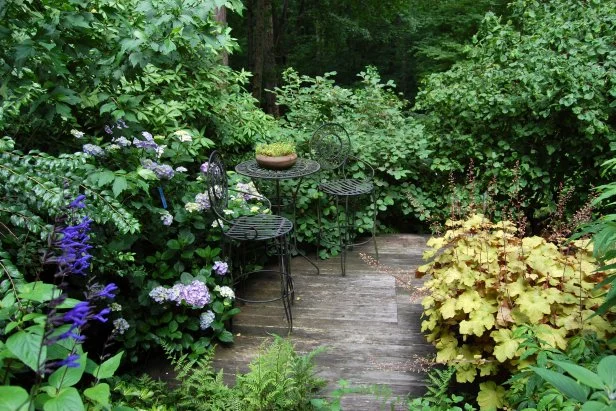
Adding companion plants can enhance the beauty and health of your hydrangea garden. Consider plants that thrive in similar soil and light conditions. Ferns and hostas are excellent choices. They complement hydrangeas with their lush foliage and can fill in spaces between blooms. Astilbes and Japanese forest grasses can provide contrasting textures. They add depth and variety to your garden, making it more engaging.Designing With Containers
Containers offer flexibility and creativity in designing your hydrangea garden. They allow you to experiment with placements and arrangements without permanent commitment. Choose containers that match or complement your garden’s aesthetic. Rustic terracotta pots can add warmth, while sleek metal containers bring a modern touch. Consider the size and type of hydrangea. Smaller varieties can thrive in containers, providing bursts of color on patios or balconies.Seasonal Tips
Create a stunning hydrangea garden by choosing the right spot with good sunlight and rich soil. Mix different colors and types for variety, and space plants properly for growth. Regular watering and pruning ensure healthy blooms throughout the season.
Designing a hydrangea garden is not just about planting; it’s about nurturing your garden through the seasons. Each season brings unique challenges and opportunities for growth. With seasonal tips, you can ensure your hydrangeas thrive all year round. Let’s dive into how you can protect your garden in winter, revive it in spring, and care for it in fall.Winter Protection Strategies
Hydrangeas need a little extra love during the cold months. Protecting your plants from harsh winter winds is crucial. Wrap burlap around the hydrangea bushes to shield them from frost and wind damage. It’s a simple trick that can save your plants. Mulching is another effective winter strategy. Add a thick layer of mulch around the base to keep the roots warm and retain moisture.Spring Revival Tactics
Spring is the season of revival, and your hydrangea garden should burst into life. As temperatures rise, it’s time to wake up your plants. Prune dead branches to encourage new growth. This helps the plant focus its energy on producing vibrant blooms. Feed your hydrangeas with a balanced fertilizer. This boosts their nutrient intake after the long winter dormancy.Fall Care Essentials
Fall is all about preparing your garden for the colder months ahead. Your hydrangeas need to be in top condition to face winter. Start by cleaning up fallen leaves and debris. This prevents pests from finding a cozy spot to hibernate near your plants. Consider trimming back your hydrangeas slightly, but don’t overdo it. This helps maintain their shape and health without stressing the plants. The changing seasons can be challenging, but with the right strategies, your hydrangea garden can thrive year-round. What seasonal tips do you swear by for your garden?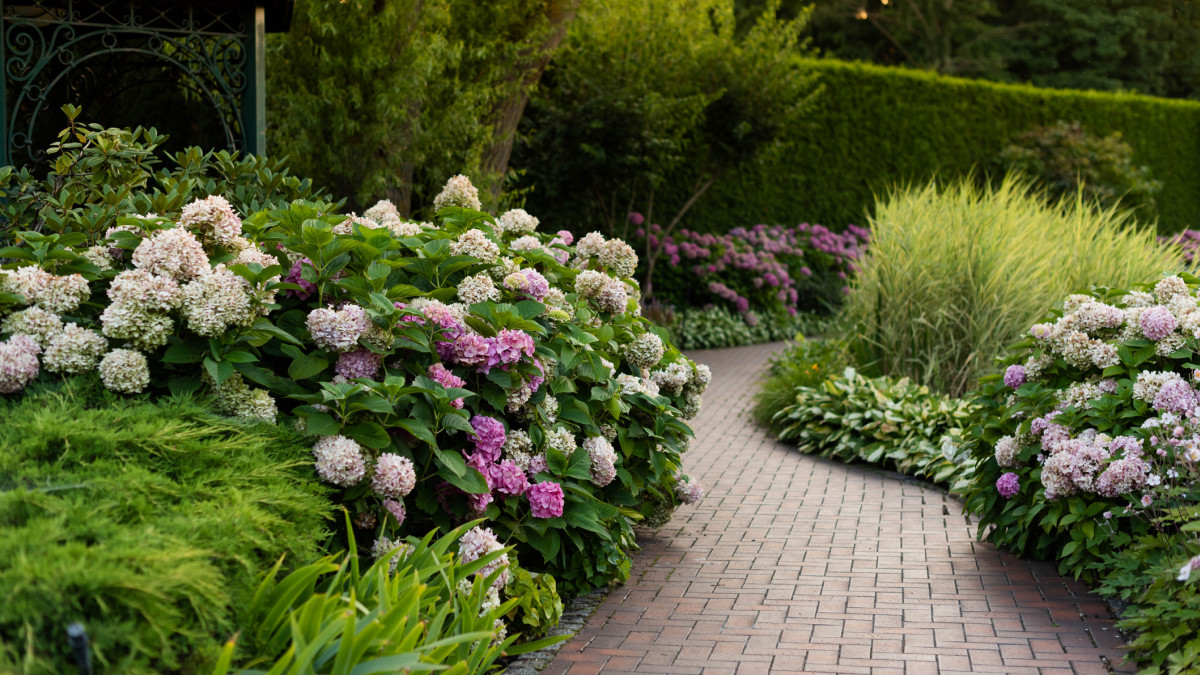
Credit: dengarden.com

Credit: www.veranda.com
Frequently Asked Questions
What Soil Type Is Best For Hydrangeas?
Hydrangeas thrive in well-draining, slightly acidic soil with a pH of 5. 5 to 6. 5. Amend the soil with organic matter like compost to retain moisture and nutrients. Avoid planting in clay-heavy soil, as it can impede drainage and harm roots.
How Much Sunlight Do Hydrangeas Need?
Hydrangeas prefer morning sun and afternoon shade, ideally receiving 4-6 hours of sunlight daily. Too much direct sunlight can scorch leaves, while too little light may hinder blooming. Adjust your garden’s layout to provide optimal light conditions for healthy growth.
When Is The Best Time To Plant Hydrangeas?
The ideal time to plant hydrangeas is in early spring or fall. Cooler temperatures help the plant establish roots without stress. Ensure the soil is warm, moist, and well-prepared before planting. This encourages strong growth and vibrant blooms throughout the growing season.
How Often Should Hydrangeas Be Watered?
Hydrangeas need consistent moisture, especially during dry spells. Water them deeply once a week, ensuring the soil remains moist but not soggy. Mulching around the base helps retain moisture and regulate soil temperature, promoting healthy growth and flowering.
Conclusion
Creating a hydrangea garden brings joy and beauty to any space. Enjoy the vibrant colors. Relish the blooming flowers. The process is simple and rewarding. Choose suitable varieties for your climate. Plan your garden layout carefully. Ensure proper soil and sunlight.
Water regularly for healthy growth. Add mulch for moisture retention. Prune your plants for shape. Watch them flourish as seasons change. Your garden becomes a peaceful retreat. Invite friends to share the view. Relax in nature’s embrace. Hydrangeas transform gardens into serene havens.
Start your garden journey today. Delight in the simple pleasures of gardening.