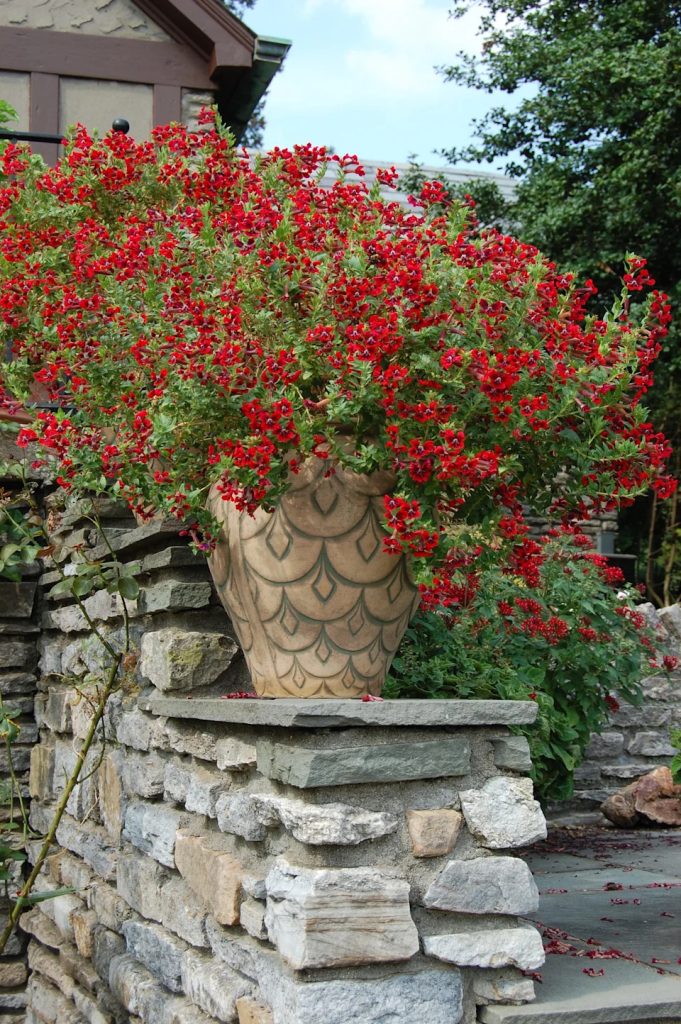
Imagine stepping out into your front yard and being greeted by the delightful sight of hummingbirds flitting from flower to flower. These tiny creatures are not only beautiful but bring a sense of tranquility and wonder to your home.
Designing a hummingbird garden in your front yard doesn’t just enhance its aesthetic appeal; it also creates a vibrant ecosystem where you can enjoy nature’s wonders right at your doorstep. You might wonder, how can you transform your front yard into a haven for hummingbirds?
It’s simpler than you think. With the right plants, some clever design choices, and a bit of patience, you can attract these charming birds to your garden. In this guide, you’ll discover the secrets to creating a hummingbird-friendly environment. Get ready to learn about the best plants, the ideal layout, and the little extras that will make your garden irresistible to hummingbirds. By the end of this article, you’ll have all the tools you need to turn your front yard into a magical hummingbird retreat. So, let’s dive into the world of hummingbird gardens and uncover the tips and tricks that will make your outdoor space come alive with color and movement.
Choosing The Right Plants
Select vibrant, nectar-rich flowers like trumpet vines and bee balm. These attract hummingbirds to your garden. Group plants by height and bloom time for continuous color.
Choosing the right plants is vital for a successful hummingbird garden. Plants with vibrant colors and sweet nectar will attract hummingbirds to your front yard. Carefully selecting plants ensures these tiny birds visit and thrive in your garden.Native Plant Options
Native plants are perfect for a hummingbird garden. They require less maintenance and attract more hummingbirds. Consider these native options:- Bee Balm (Monarda)
- Coral Honeysuckle (Lonicera sempervirens)
- Cardinal Flower (Lobelia cardinalis)
- Trumpet Creeper (Campsis radicans)
Flowering Seasons
Plan your garden to provide blooms throughout the year. Choose plants that flower in different seasons. This ensures a continuous food supply for hummingbirds.- Spring: Columbine (Aquilegia)
- Summer: Salvia (Salvia spp.)
- Fall: Aster (Aster spp.)
- Winter: Camellia (Camellia spp.)

Credit: www.instagram.com
Creating A Nectar-rich Environment
Designing a hummingbird garden is an exciting endeavor. Creating a nectar-rich environment is key. These tiny birds are attracted to vibrant blooms and sweet nectar. By offering a diverse range of flowers and feeders, you can draw them to your yard. Let’s explore how to make your garden irresistible to hummingbirds.
High-nectar Flowers
Choose flowers with high nectar content. Consider planting trumpet-shaped blooms. These are perfect for hummingbird beaks. Popular options include:
- Bee Balm
- Columbine
- Salvia
- Fuchsia
- Honeysuckle
These flowers attract hummingbirds with their vibrant colors. Group them in clusters for visual appeal. This arrangement mimics natural feeding grounds. It encourages hummingbirds to visit more often.
Supplemental Feeders
Beyond flowers, feeders offer extra nectar sources. Hang feeders at different heights. This accommodates hummingbirds of all sizes. Opt for red feeders; they catch the eye.
Fill feeders with sugar water. Mix one part sugar to four parts water. Change the solution every few days. This prevents spoilage and keeps the nectar fresh.
Place feeders near flowers. This creates a convenient dining area. Hummingbirds will appreciate the easy access to food. Ensure feeders are easy to clean. Regular maintenance keeps them inviting to birds.
Designing Garden Layout
Designing a hummingbird garden in your front yard can attract these delightful birds. Choose native flowers with bright colors and tubular shapes. Arrange plants of varying heights to create layers that mimic their natural habitat, ensuring a vibrant and inviting space for hummingbirds to visit.
Designing a hummingbird garden in your front yard can transform your space. It invites vibrant birds and adds color and life. Thoughtful design is key to creating a perfect sanctuary. Let’s explore some important elements.Layered Planting Techniques
Layered planting creates a diverse habitat. Use tall shrubs and trees as the background. These provide shelter and perching spots for hummingbirds. In front, plant medium-height flowers. They add color and attract hummingbirds with their nectar. Use low-growing plants at the front edge. This creates a beautiful layered look. Choose a variety of native plants. This ensures blooms throughout the seasons.Pathways And Access
Pathways make your garden inviting and accessible. Use stone or gravel for a natural look. Curved paths create a sense of mystery and exploration. Ensure paths are wide enough for easy movement. Paths should lead to different garden areas. Use stepping stones for a playful touch. Paths also help in garden maintenance. Keep them clear of overgrown plants. This keeps the garden neat and welcoming.
Credit: www.youtube.com
Incorporating Water Features
Flowing water attracts hummingbirds. Include a small fountain or birdbath in your front yard design. This creates a peaceful ambiance and draws these lively birds closer.
Incorporating water features into your hummingbird garden can enhance its charm. Water sources attract hummingbirds, offering them a place to drink and bathe. The gentle sound of flowing water also creates a serene atmosphere. Choose features that complement your garden design and suit your space. Consider bird baths and fountains to make your garden a hummingbird haven.Bird Baths And Fountains
Bird baths provide essential hydration and bathing spots. Select shallow baths to cater to hummingbirds’ needs. Place them where birds can easily access and feel safe. Ceramic or stone baths blend well with natural surroundings. Fountains add movement and sound to the garden. Their bubbling water entices hummingbirds to visit. Opt for solar-powered fountains to maintain an eco-friendly garden. Adjustable flow settings ensure the water remains gentle for delicate birds.Placement For Attraction
Strategic placement of water features boosts their effectiveness. Position bird baths near flowering plants hummingbirds love. This makes it convenient for birds to sip nectar and bathe. Ensure baths are visible from different angles. Fountains should be in open areas for easy sighting. Avoid placing them under dense foliage. This helps keep the water clean from falling leaves. Adding rocks around the base provides perching spots for birds.Providing Shelter And Perching
Designing a hummingbird garden in your front yard involves adding shelter and perching spots. Plant small trees and shrubs to give hummingbirds a safe place to rest. Use branches or trellises to offer more perching options.
Providing shelter and perching spots in your hummingbird garden is essential to make these tiny visitors feel at home. Hummingbirds need a safe haven to rest, escape predators, and take a break from their high-energy lifestyle. By offering a mix of natural and artificial options, you can create a welcoming environment in your front yard, encouraging them to return and stay longer.Natural And Artificial Options
You can integrate various natural elements that act as both shelter and perching spaces. Consider planting dense shrubs and small trees like butterfly bush or honeysuckle. These provide excellent cover and natural resting spots. Adding artificial perches is another way to support your garden’s hummingbird population. Simple items like thin branches, twigs, or even a commercially made hummingbird swing can serve this purpose. Ensure these perches are sturdy, as hummingbirds are quite agile and need stable spots to land.Strategic Locations
Strategically placing shelters and perches is key to making your garden appealing to hummingbirds. Position them near nectar-rich flowers or feeders to offer the birds easy access to food. This proximity helps them conserve energy, a crucial factor for these small, vibrant creatures. Think about creating layers in your garden. Place perches at different heights and in various locations to cater to the birds’ preferences. Some hummingbirds may prefer lower, hidden spots, while others enjoy higher vantage points to keep an eye on their surroundings. Consider the sun’s path and weather conditions. Perches in sunny spots will be more attractive during cooler weather, while shaded options are preferred during the heat of summer. Have you ever watched how a simple change in the environment attracts more birds? Try experimenting with different locations to see what works best for your garden.Maintaining Your Hummingbird Garden
Create a vibrant hummingbird garden in your front yard by planting native flowers. Ensure a variety of blooming plants throughout the year for continuous attraction. Arrange feeders strategically to supplement natural nectar sources.
Maintaining Your Hummingbird Garden Creating a hummingbird garden is just the start. The real joy comes from watching it flourish season after season. Keeping your garden healthy requires a little effort but rewards you with vibrant blooms and the delightful presence of hummingbirds.Seasonal Care Tips
Each season brings its own set of tasks to ensure your garden remains a haven for hummingbirds. In spring, focus on planting nectar-rich flowers that attract hummingbirds. Summer calls for regular watering to keep the plants lush and vibrant, especially during dry spells. As autumn arrives, prune any overgrown plants to maintain a tidy appearance and remove any dead foliage. Winter is the time to mulch your garden beds, protecting plant roots from frost and preserving moisture. Do these tasks as the seasons change, and your garden will thrive year-round.Monitoring Plant Health
Healthy plants are the backbone of an inviting hummingbird garden. Regularly inspect your plants for signs of pests or diseases. Look for discolored leaves or unusual growths, which could indicate a problem. If you spot an issue, act promptly. Use natural remedies like neem oil for pests, ensuring your garden remains a safe space for hummingbirds. Additionally, consider rotating plant species yearly to prevent soil nutrient depletion and maintain plant vitality. Does your garden reflect the vibrant energy you envisioned? If not, a little attention to plant health can make all the difference in creating a thriving, inviting space.Attracting Hummingbirds Year-round
Creating a hummingbird-friendly garden in your front yard is a delightful way to connect with nature. By attracting hummingbirds year-round, you can enjoy their vibrant presence and lively antics regardless of the season. This requires understanding their seasonal migration patterns and adapting your garden to climate changes.
Seasonal Migration Patterns
Hummingbirds are known for their incredible migratory journeys, traveling thousands of miles between breeding and wintering grounds. In spring and summer, they head north to breed, while winter sees them retreating to warmer climates. To keep your garden inviting throughout the year, plant a variety of flowers that bloom at different times.
- In spring, consider planting columbines and bleeding hearts.
- Summer blooms like bee balm and trumpet vine will keep them coming back.
- For fall, salvias and asters are excellent choices.
By planning your garden with these cycles in mind, you provide a consistent food source that aligns with their natural migrations.
Adapting To Climate Changes
Climate change is altering the natural rhythm of wildlife, including hummingbirds. Warmer temperatures may affect migration times and the availability of natural nectar sources. To counter this, consider integrating native plants that are more resilient to climate shifts.
Native plants often require less maintenance and are adapted to local conditions, ensuring they thrive even as the climate changes. Moreover, they provide the right kind of nectar that hummingbirds have evolved to feed on.
Have you noticed changes in local bird populations? Paying attention to these shifts can guide you in adjusting your garden’s layout and plant selection. By staying informed and proactive, you help create a sanctuary for hummingbirds no matter what challenges arise.

Credit: savvygardening.com
Sustainable Gardening Practices
Create a vibrant hummingbird garden in your front yard by planting nectar-rich flowers. Choose native plants to attract these tiny pollinators naturally. Incorporate feeders and water features for a welcoming habitat.
Creating a hummingbird garden in your front yard is not only delightful but can also be a sustainable endeavor. Sustainable gardening practices help preserve the environment, making your garden a haven for hummingbirds and other wildlife. By focusing on organic pest control and water conservation, you can maintain a vibrant and eco-friendly garden.Organic Pest Control
Organic pest control is essential for maintaining the health of your hummingbird garden. Chemical pesticides can harm not only pests but also beneficial insects and the birds that feast on them. Instead, consider using natural solutions such as neem oil or insecticidal soap to manage unwanted guests. You can also encourage natural predators like ladybugs and praying mantises by creating a diverse ecosystem. Planting a variety of flowers and shrubs will attract these helpful insects, which can keep pest populations under control. Have you ever noticed how a small pile of leaves can become a bustling habitat for insects? Leaving a few areas of your garden untidy can invite a variety of beneficial creatures that contribute to pest management naturally.Water Conservation Strategies
Water is a precious resource, and conserving it in your garden is crucial. Drip irrigation systems or soaker hoses ensure that water goes directly to the roots, reducing waste. Additionally, mulching around plants helps retain soil moisture and reduces the need for frequent watering. Collecting rainwater in barrels is a fantastic way to supply your garden with water without increasing your utility bill. Imagine the satisfaction of nurturing your plants with rainwater that would otherwise run off your property. Choosing native plants for your garden can also make a significant difference. Native plants are adapted to your local climate and typically require less water than exotic species. By selecting plants that thrive naturally in your area, you’ll create a beautiful and sustainable garden that hummingbirds will adore. Engaging in these sustainable gardening practices not only supports the environment but also enhances the beauty and functionality of your front yard hummingbird garden. Are you ready to transform your garden into an eco-friendly paradise?Frequently Asked Questions
What Plants Attract Hummingbirds To My Garden?
To attract hummingbirds, plant vibrant, tubular flowers like bee balm, trumpet vine, and salvia. These flowers are rich in nectar, providing essential nourishment. Include a variety of plants that bloom at different times. This ensures a continuous food supply throughout the seasons.
How Do I Layout A Hummingbird Garden?
Design your garden with layers of plant heights. Place taller plants at the back and shorter ones in front. Create clusters of similar plants to make them easily noticeable. Ensure there’s an open space for hummingbirds to maneuver. This layout attracts and keeps them visiting.
Should I Provide Water Features For Hummingbirds?
Yes, adding a water feature is beneficial. Hummingbirds enjoy shallow birdbaths, misters, or drippers. These features offer them a place to bathe and drink. Ensure the water is clean and fresh. This addition enhances your garden’s appeal to these tiny birds.
How Important Is The Garden’s Location?
The garden’s location is crucial for attracting hummingbirds. Choose a sunny spot with some shade. Hummingbirds prefer areas with good visibility and access to food. Avoid areas with heavy foot traffic to keep them undisturbed. The right location enhances their frequent visits.
Conclusion
Creating a hummingbird garden is easy and rewarding. These tiny birds bring joy and color. Choose flowers they love. Bright colors attract them. Red, pink, and orange are best. Set up feeders with sugar water. This helps when flowers aren’t blooming.
Remember to provide water. A small fountain or birdbath works well. Plant shrubs for shelter. Keep the garden natural and inviting. Watch your garden come to life. Enjoy the beauty and peace it brings. Your front yard will become a vibrant haven for hummingbirds.
They will visit again and again.







