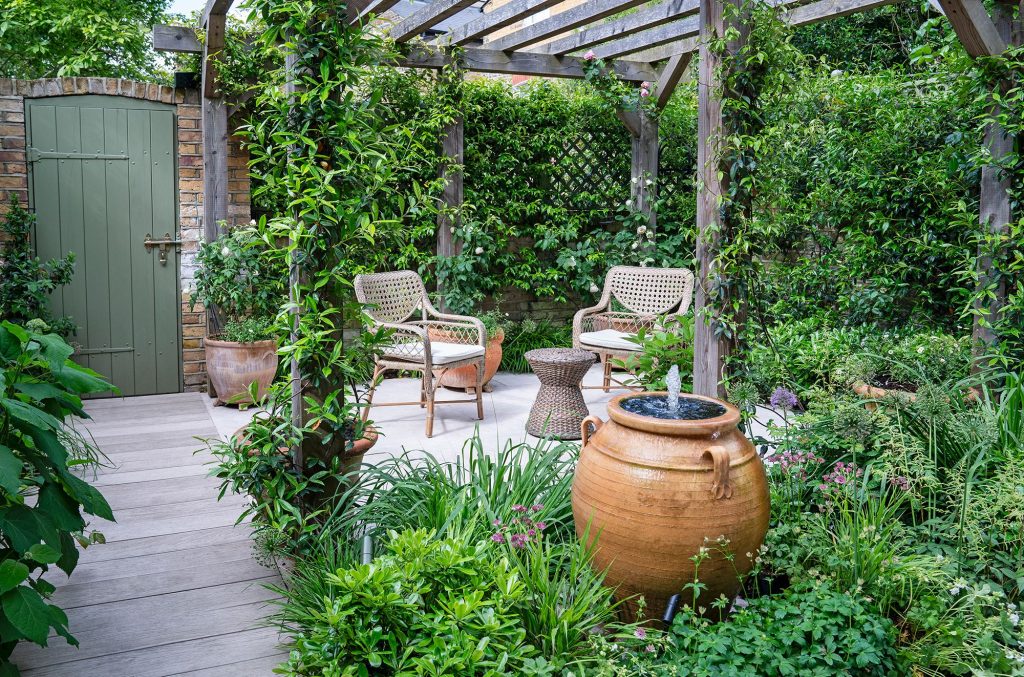
Imagine stepping outside your door into a lush oasis that you designed yourself—a place where vibrant flowers bloom, fresh herbs thrive, and the worries of the world melt away. Designing your own home garden isn’t just about planting seeds; it’s about crafting a personal sanctuary that reflects your unique style and needs.
If you’ve ever felt overwhelmed by the thought of starting a garden, or unsure where to begin, you’re not alone. Many people hesitate, thinking they lack a green thumb or the necessary space. But here’s the secret: creating your dream garden is easier than you think, and incredibly rewarding.
By the end of this guide, you’ll discover simple, actionable steps to transform any space, whether it’s a sprawling yard or a small balcony, into a thriving garden paradise. Stay with us, and you’ll learn how to bring your vision to life, right in your own backyard.
Planning Your Garden
Designing a home garden involves selecting the right plants for your space. Consider sunlight, soil, and climate conditions. Plan paths and seating areas to enhance both beauty and function.
Planning your garden is a crucial step in transforming your outdoor space into a personal oasis. It’s more than just picking out flowers and shrubs; it’s about creating a harmonious balance between aesthetics and functionality. Dive into the process with a clear mind and a sprinkle of creativity, and you’ll be amazed at the possibilities.Assessing Space And Layout
Start by evaluating the available space in your yard. Is it a sprawling backyard or a cozy corner? Consider the sunlight exposure, soil type, and existing structures. Sketch a rough layout of your garden, noting areas that receive ample sunlight and those that are shaded. This will guide your choice of plants. If you have limited space, think vertically. Utilize wall planters or tiered garden beds to maximize your gardening area.Setting Goals And Priorities
What do you envision for your garden? Is it a vegetable patch or a floral paradise? List down what you want to achieve with your garden. Prioritize these goals based on your lifestyle. If you love cooking, an herb garden might be a priority. Love entertaining? A patio surrounded by lush greenery could be ideal. Remember, your garden should reflect your personality and cater to your needs.Budget Considerations
Gardening doesn’t have to break the bank. Start by setting a realistic budget that aligns with your goals. Consider the cost of plants, soil, tools, and any additional features like decorative stones or garden furniture. Look for affordable options. Local plant nurseries often offer discounts, and DIY projects can save money while adding a personal touch. Are you ready to plan your garden? Your dream outdoor space is within reach with thoughtful planning and creative ideas.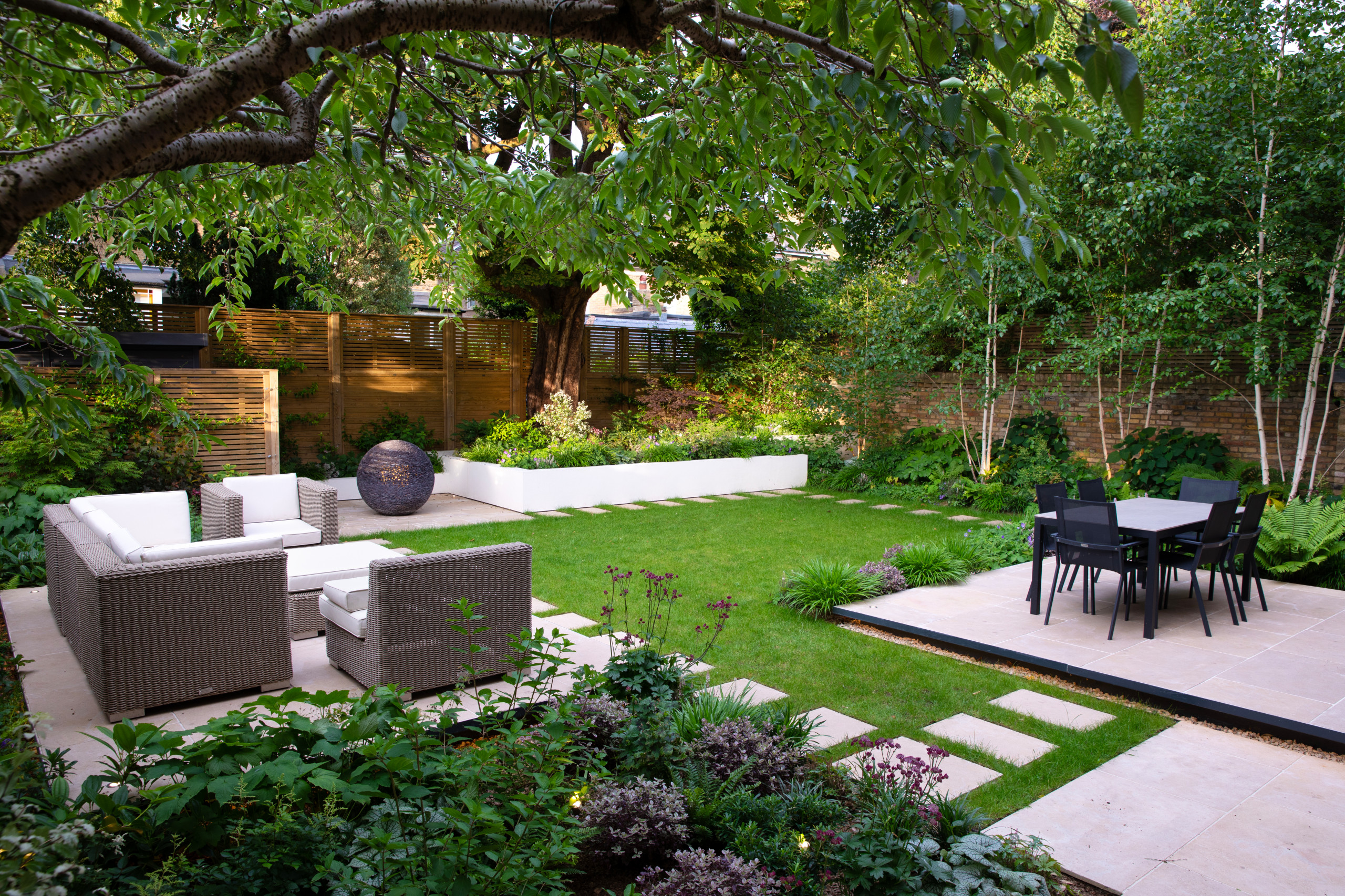
Credit: www.houzz.co.uk
Choosing Plants And Flowers
Creating a beautiful home garden starts with selecting the right plants and flowers. The choice of plants can define the garden’s look and feel. A well-planned selection ensures a vibrant garden throughout the year. Consideration of plant types, seasonal changes, and native versus exotic options is crucial.
Understanding Plant Types
Plants come in various types like annuals, perennials, and biennials. Annuals bloom for one season and need replanting yearly. They bring vibrant colors. Perennials return each year, making them cost-effective. Biennials take two years to complete their life cycle. Understanding these types helps in planning the garden layout.
Selecting Seasonal Plants
Seasonal plants ensure your garden stays lively year-round. Spring flowers bring fresh colors after winter. Summer blooms thrive in the sun, adding warmth. Fall plants offer rich hues, preparing for winter rest. Winter plants endure the cold, keeping the garden alive. Choose plants that suit each season’s conditions.
Native Vs Exotic Options
Native plants naturally grow in your area. They adapt well to the local climate and soil. This makes them easier to maintain. They also support local wildlife. Exotic plants, from other regions, offer unique aesthetics. They require special care to thrive. Balance both for a diverse, interesting garden.
Design Elements
Creating a home garden involves planning space, selecting plants, and considering color harmony. Focus on paths, seating, and lighting to enhance the garden’s appeal. Integrating natural elements like stones and water features adds charm and tranquility.
Designing a home garden involves creativity and planning. Focus on essential design elements to transform your outdoor space. These elements create harmony and visual interest in your garden.Incorporating Hardscape Features
Hardscape features add structure and function to your garden. Pathways guide visitors and create flow. Use materials like stone, gravel, or brick for different textures. Walls or fences provide privacy and define space. Consider adding a patio for relaxation or entertaining. Water features like fountains enhance tranquility. Hardscape elements balance the softness of plants.Creating Focal Points
Focal points draw the eye and add interest. They can be sculptures, a unique tree, or a water feature. Choose a spot where the focal point stands out. Ensure it complements the garden’s overall theme. Use symmetry or asymmetry for different effects. Focal points provide a visual anchor and guide the viewer’s gaze.Using Color Schemes
Color schemes influence the garden’s mood and style. Cool colors like blue and green create calmness. Warm colors like red and yellow add energy. Select a palette that suits your taste and garden size. Use contrasting colors for dramatic effects. Repeating colors throughout the garden creates unity. Pay attention to the seasons and plant flowering times.
Credit: www.yahoo.com
Garden Structures
Creating a home garden involves selecting appealing structures like arches or pergolas. These elements add character and support vibrant climbing plants. Thoughtful placement enhances beauty and functionality, offering shaded areas for relaxation.
Designing a home garden can be as rewarding as it is beautiful, especially when you focus on the garden structures that can transform your outdoor space into a personal paradise. From practical pathways to captivating water features, these elements not only enhance the aesthetics but also improve functionality. Let’s dive into how you can create these stunning garden structures.Adding Pathways
Pathways guide you through your garden, creating a sense of journey and exploration. Consider using materials like gravel, stone, or brick for a rustic charm. A winding path can make your garden appear larger and more inviting. Have you ever noticed how a simple curve in the path can intrigue and entice you to see what’s around the corner? Think about the colors and textures that will complement your plants. Remember, a well-designed path is not just about utility; it’s about creating an experience.Building Raised Beds
Raised beds are ideal for optimizing space and improving drainage. They offer a neat and organized appearance, making planting and maintenance easier. Choose durable materials like cedar or recycled plastic for longevity. You might find that building your own raised bed creates a personal touch and a sense of accomplishment. Consider the height that suits you best. Wouldn’t it be wonderful to garden without bending over too much? Raised beds can make gardening more accessible and enjoyable.Installing Water Features
Water features add a soothing element to your garden, turning it into a tranquil retreat. Options like fountains, ponds, or waterfalls can fit various garden styles and sizes. Think about the sound you want—gentle trickle or a more robust cascade. Imagine sitting in your garden, the sound of water creating a peaceful atmosphere, enhancing your relaxation. Ensure you have a reliable water source and consider solar-powered options for sustainability. Have you ever noticed how a well-placed water feature can become the focal point of your garden? Incorporating these garden structures can elevate your outdoor space, making it more functional and aesthetically pleasing. Which structure will you add to your garden to create your perfect sanctuary?Sustainable Gardening
Designing a sustainable home garden involves using native plants and recycled materials. Choose drought-tolerant species to save water and attract local wildlife. Compost kitchen waste to enrich the soil naturally.
Sustainable gardening emphasizes harmony with nature. It reduces environmental impact while enhancing garden health. This approach fosters a self-sustaining ecosystem in your garden. By embracing sustainable practices, you cultivate a garden that thrives naturally.Implementing Eco-friendly Practices
Creating a sustainable garden involves eco-friendly practices. Use organic fertilizers to enrich soil naturally. Choose native plants that require less maintenance and resources. Incorporate natural pest control methods. Encourage beneficial insects like ladybugs. These methods minimize chemical use, promoting a healthier environment.Water Conservation Techniques
Water conservation is crucial for sustainability. Install rain barrels to collect rainwater. Use this water for plants during dry spells. Choose drought-resistant plants that need less water. Implement drip irrigation systems for efficient water delivery. Mulching helps retain soil moisture, reducing the need for frequent watering.Composting And Soil Health
Composting transforms kitchen scraps into valuable soil nutrients. Start a compost pile with fruit peels, vegetable scraps, and coffee grounds. This enriches soil and reduces landfill waste. Healthy soil leads to robust plant growth. Rotate crops to maintain soil fertility. Test soil periodically to adjust nutrient levels.Maintenance Tips
Designing a home garden involves careful planning and regular upkeep. Choose plants suited to your climate, ensuring they thrive. Regularly prune and water plants to maintain their health and appearance.
Maintaining a home garden requires dedication and knowledge. Proper maintenance ensures your garden thrives throughout the year. With the right techniques, you can keep your plants healthy and vibrant. Let’s explore some essential maintenance tips.Regular Pruning And Trimming
Pruning keeps your plants in shape and encourages new growth. Trim dead or damaged branches to promote plant health. Use clean, sharp tools to prevent plant damage. Regular trimming helps control plant size and shape. It also improves air circulation around your plants.Pest And Disease Control
Monitor your plants for signs of pests or diseases. Early detection prevents major infestations. Use natural remedies like neem oil or insecticidal soap. Remove affected leaves or plants to stop disease spread. Encourage beneficial insects like ladybugs for natural pest control.Seasonal Care Routines
Adjust your garden care routine with the seasons. Water plants more in summer to prevent dehydration. Mulch your garden in winter to protect roots from frost. Fertilize in spring for strong growth. Observe your plants to understand their seasonal needs. Each plant has unique requirements for optimal growth.Enhancing Outdoor Living
Creating a home garden can transform your outdoor space into a relaxing haven. Choose plants that suit your climate and personal style. Use paths, seating areas, and lighting to enhance the garden’s beauty and functionality.
Enhancing Outdoor Living Designing a home garden goes beyond planting flowers. It creates a space where you can relax and enjoy the outdoors. Enhancing outdoor living involves thoughtful design choices that improve comfort and functionality. Think of it as extending your living space into nature.Creating Seating Areas
Seating areas invite relaxation and conversation. Consider benches, chairs, or even hammocks. Choose weather-resistant materials that require minimal upkeep. Arrange seating to capture views and sun positions. Add cushions for comfort and style. Group seats around a table for shared meals or games. Ensure pathways are clear and accessible.Lighting And Ambiance
Lighting transforms a garden’s mood. Install solar lights along pathways for safety. Hang string lights for a cozy, festive feel. Use spotlights to highlight trees or architectural features. Consider lanterns or candles for a warm glow. Adjust lighting to suit various occasions, creating different atmospheres.Integrating Outdoor Cooking Spaces
Cooking outdoors adds fun and flavor to gatherings. Incorporate a grill, pizza oven, or full kitchen setup. Place cooking areas near seating for easy serving. Ensure there’s ample workspace and storage. Use durable materials for surfaces. Consider sheltering the area for weather protection. Include a dining table for enjoying meals al fresco.
Credit: thedesignfiles.net
Frequently Asked Questions
What Are The Basics Of Garden Design?
Start by assessing your space and environment. Choose plants suitable for your climate and soil. Incorporate elements like paths, seating, and focal points. Balance aesthetics with functionality, ensuring plants have adequate sunlight and water. Regular maintenance will keep your garden thriving and visually appealing.
How To Choose Plants For Home Garden?
Consider your climate, soil type, and garden style. Select plants that thrive locally and complement your garden design. Think about color, height, and bloom times for visual appeal. Native plants often require less maintenance and support local ecosystems, making them a sustainable choice.
What Is The Best Garden Layout?
A good garden layout balances form and function. Create zones for different activities, such as relaxing, planting, and entertaining. Use paths to connect areas and guide movement. Consider sun exposure and plant heights for optimal growth. A well-thought layout enhances usability and aesthetics.
How To Maintain A Home Garden?
Regular maintenance is key for a healthy garden. Water plants adequately, especially during dry spells. Prune dead or overgrown branches to encourage growth. Monitor for pests and diseases, addressing issues promptly. Fertilize seasonally to replenish nutrients. Proper care ensures your garden remains vibrant and inviting.
Conclusion
Creating a home garden brings joy and beauty to your space. Start small. Focus on plants that fit your climate. Plan your garden layout carefully. Use rich soil for healthy growth. Choose plants that match your style. Regular care keeps your garden thriving.
Water and sunlight are key. Enjoy the fresh air and nature’s colors. Gardening can be relaxing and rewarding. Let your creativity guide you. Grow vegetables and flowers to enjoy. A garden is a place to unwind. It’s a personal oasis.
Happy gardening!







