Imagine stepping into your backyard and finding a stunning garden trellis, draped with vibrant blooms, creating a perfect blend of beauty and structure. A well-designed garden trellis can transform your outdoor space into a picturesque retreat.
But, how do you create one that not only looks amazing but also serves its purpose effectively? You’re in the right place to discover the secrets to crafting a garden trellis that will captivate both your eyes and your senses.
You’ll learn straightforward techniques to design a trellis that complements your garden’s style while supporting your plants effortlessly. Whether you’re a seasoned gardener or a beginner, you’ll find tips that suit your skill level, ensuring you achieve the results you’ve always dreamed of. Curious to see how a simple structure can elevate your garden’s charm? Ready to unlock the potential of your outdoor space? Read on and uncover how you can create a garden trellis that turns heads and brings your garden to life.
Choosing The Right Materials
Choosing the right materials for your garden trellis is crucial not only for the aesthetics but also for durability and sustainability. The materials you select will impact how your trellis holds up against the elements and how it complements your garden. Let’s explore the options you have and what might work best for your garden vision.
Wood Vs. Metal
Wood offers a timeless, natural look that can blend seamlessly into any garden setting. Cedar and redwood are popular choices due to their resistance to rot and insects. Imagine walking into your garden, where your wooden trellis stands as a majestic backdrop to blooming roses. While wood requires regular maintenance, the charm it adds is often worth the effort.
Metal, on the other hand, is known for its strength and longevity. Steel and aluminum trellises can withstand harsh weather conditions, making them ideal if you live in an area with extreme climates. However, consider the weight; a metal trellis can be heavy and may require more support. Visualize the sleek lines of a metal trellis adorned with climbing ivy, offering a modern twist to your garden.
Sustainable Options
If sustainability is important to you, consider using reclaimed wood or recycled metal. These materials not only reduce environmental impact but also add unique character to your garden. A trellis made from reclaimed wood tells a story—each knot and grain is a testament to its previous life.
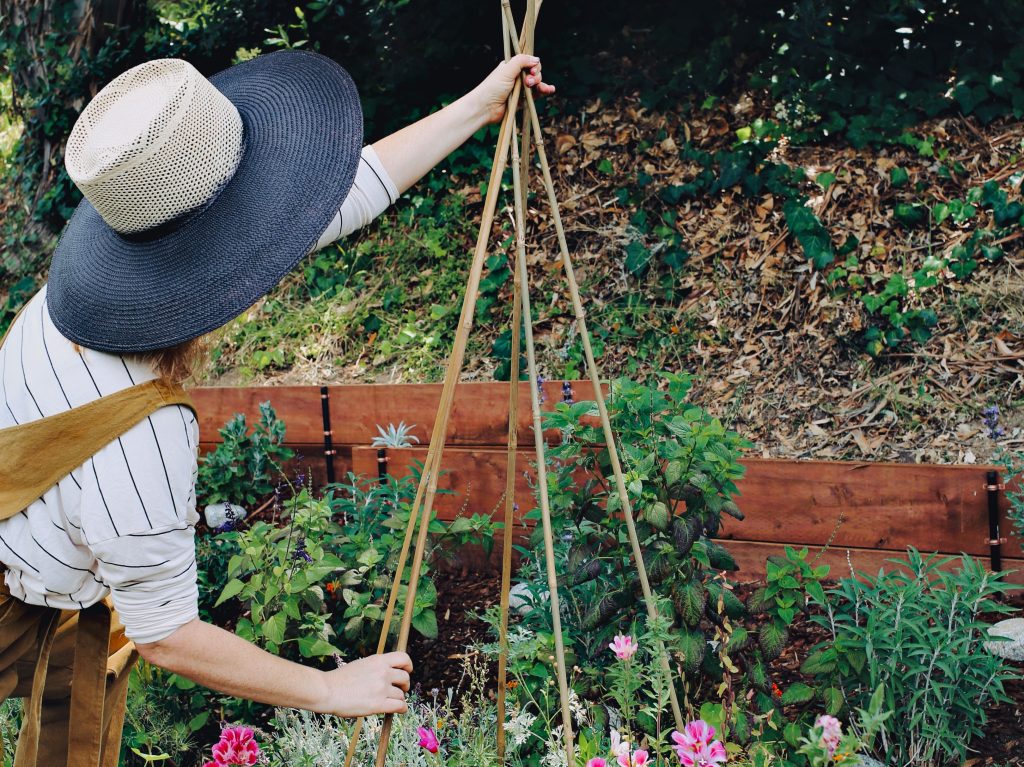
Bamboo is another excellent sustainable option. It’s fast-growing and requires minimal processing, making it an eco-friendly choice. Picture a bamboo trellis swaying gently in the breeze, creating a serene garden atmosphere. What kind of story do you want your garden to tell?
Credit: www.youtube.com
Determining The Best Location
Select a sunny spot with good soil drainage for your garden trellis. Ensure it’s away from strong winds to protect plants. Consider the trellis’s size and the plants’ growth needs for an ideal setup.
Determining the best location for a garden trellis is crucial. A well-placed trellis enhances both function and aesthetics. It supports climbing plants and adds structure to your garden. Consider sunlight and available space to find the ideal spot.Evaluating Sunlight
Observe how sunlight moves in your garden. Plants need light to thrive. Identify areas that get morning sun. Morning sun is gentle and beneficial. Avoid spots with harsh afternoon sun. Too much heat can damage plants. Consider the needs of your chosen plants. Some prefer full sun, others need partial shade.Space Considerations
Measure the available space for your trellis. Ensure there is enough room for plant growth. Avoid overcrowding plants. They need space for air circulation. This helps prevent diseases. Check for obstacles like trees or structures. These can block sunlight or hinder growth. Plan for the trellis height and width. Ensure it fits well without overpowering the space.Design Styles And Inspirations
Creating a garden trellis involves combining aesthetics with functionality. Choose sturdy materials like wood or metal for durability. Enhance the design with climbing plants, adding charm and character to your outdoor space.
Designing a garden trellis is an exciting opportunity to blend functionality with artistic flair. Whether you’re aiming for a classic look or something more contemporary, the right design can transform your garden. A well-chosen trellis not only supports climbing plants but also adds an architectural element to your outdoor space.Classic Designs
Classic trellis designs often draw inspiration from traditional patterns and materials. Imagine a wooden lattice, painted white, standing tall amidst blooming roses. This style evokes a sense of timeless elegance and charm. Consider using natural materials like wood or bamboo to create a rustic feel. These materials blend seamlessly with the garden environment, offering a warm and inviting look. Some classic designs feature intricate patterns and curves, reminiscent of Victorian gardens. These can serve as focal points, drawing the eye and adding a touch of sophistication.Modern Trends
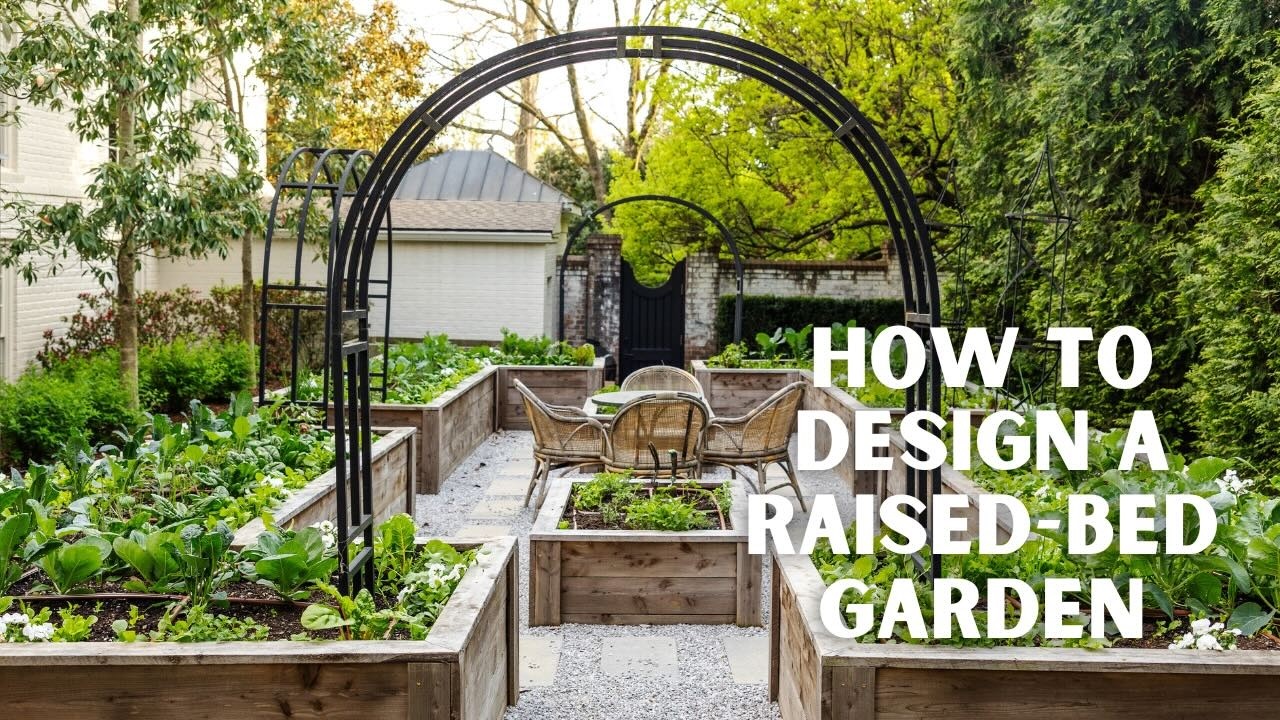
Modern trellis designs often lean towards minimalist aesthetics and innovative materials. Think sleek metal frames or geometric patterns that create a bold statement. Incorporating materials like steel or aluminum can give your trellis a contemporary edge. These materials are not only durable but also offer a clean, polished finish. Consider experimenting with colors to add a pop of vibrancy to your garden. A bright-colored trellis can act as an art piece, elevating the overall look of your space. As you explore these design styles, ask yourself: What mood do you want your garden to reflect? Your choice of trellis can set the tone, whether it be serene and classic or edgy and modern.
Credit: food52.com
Structural Considerations
Ensure sturdy materials like wood or metal to support plant growth on a garden trellis. Consider height and spacing for easy maintenance and optimal sunlight exposure.
Designing a garden trellis requires careful structural planning. A well-built trellis enhances your garden’s beauty and provides essential support for climbing plants. This section delves into crucial structural aspects you need to consider.Height And Width
Choose the right height for your trellis based on plant growth. A taller trellis suits plants like climbing roses or grapes. For smaller plants, a shorter trellis is ideal. Consider the width carefully. It should accommodate plant spread without overcrowding. Ensure the width fits your garden space harmoniously.Stability And Support
Stability is vital for a durable trellis. Use sturdy materials like wood or metal. Secure the base in the ground to prevent tipping. Support is essential for healthy plant growth. Use crossbeams or mesh to allow vines to cling easily. Balance aesthetics with functionality for a pleasing and effective design.Choosing Plants For Your Trellis
Selecting plants for your trellis can transform your garden into a beautiful space. Vines like clematis or morning glory bring color and life. Consider the climate and sunlight your garden receives for the best results.
Choosing the right plants for your garden trellis can transform your outdoor space into a lush, vibrant haven. Whether you want to create a cozy nook or a grand entrance, the plants you select will define the look and feel of your trellis. Understanding the characteristics of different plant varieties will help you make a decision that complements your garden’s aesthetic and meets your maintenance preferences.Climbing Varieties
Climbing plants are the stars of any trellis design. They naturally grow upwards, creating stunning vertical displays. Popular choices include clematis, known for its colorful blooms, and morning glories, which offer a more whimsical look with their delicate flowers. Consider wisteria if you’re aiming for a dramatic cascade of blooms. It’s vital to check if your chosen climber is suitable for your climate. Some varieties thrive in sunny spots, while others prefer a bit of shade.Seasonal Choices
Selecting plants that bloom in different seasons ensures your trellis remains a focal point throughout the year. Think about incorporating evergreen climbers like ivy, which provide year-round greenery. Spring and summer bloomers like roses and honeysuckle can add bursts of color and fragrance. For autumn interest, consider virginia creeper with its vibrant fall foliage. Mixing plants with different blooming periods ensures your trellis is never bare. What combination will bring your trellis to life all year long?Diy Trellis Building Tips
Building your own garden trellis can be a rewarding task. It supports climbing plants and adds charm to your garden. Whether you want a simple or elaborate design, these DIY tips will guide you.
Essential Tools
Gathering the right tools is important for smooth construction. Here are the must-haves:
- Measuring tape for accurate dimensions
- Saw for cutting wood or metal
- Hammer for assembling pieces
- Screwdriver for securing screws
- Drill for making precise holes
- Level to ensure everything is straight
- Sandpaper for smoothing rough edges
- Safety glasses to protect your eyes
Step-by-step Guide
Follow these steps to build a sturdy trellis:
- Plan Your Design:Sketch your trellis on paper. Decide the height and width.
- Choose Materials:Select wood or metal based on your garden’s look.
- Cut Materials:Use the saw to cut the pieces to size.
- Assemble Frame:Connect the vertical and horizontal pieces with nails or screws.
- Add Crossbars:Attach crossbars for additional support and style.
- Sand Rough Edges:Use sandpaper to smooth any sharp corners.
- Check Alignment:Use the level to ensure your trellis is straight.
- Secure in Ground:Position the trellis in the garden and secure it firmly.
With these tips, your trellis will be both functional and beautiful.
Maintaining Your Trellis
Designing a garden trellis requires creativity and planning. Choose sturdy materials that complement your garden’s style. Regular maintenance ensures it remains a beautiful, functional structure year-round.
Maintaining your garden trellis keeps it beautiful and functional. Regular care extends its life and enhances your garden’s charm. Let’s explore essential steps to keep your trellis in top shape.Regular Inspections
Inspect your trellis every few weeks. Look for signs of wear or damage. Loose screws or nails need tightening. Check for rot or insect damage. Catching issues early prevents bigger problems.Weather Protection
Weather can affect your trellis. Apply a sealant to protect against rain. Use weather-resistant paint for wooden trellises. In areas with snow, reinforce the structure. Remove snow build-up to prevent collapse. A little protection goes a long way.
Credit: crystelmontenegrohome.com
Enhancing Aesthetics
Designing a garden trellis offers more than structural support for plants. It enhances the visual appeal of your garden, creating a focal point. A well-designed trellis can transform an ordinary garden space into a charming oasis.
Decorative Elements
Decorative elements breathe life into your trellis design. Consider adding intricate carvings or metalwork. These details can make the trellis a piece of art. Paint or stain the trellis to match your garden’s theme. A splash of color can make the trellis stand out. Attach small ornaments like wind chimes or birdhouses. These additions bring movement and sound to your garden space.
Lighting Ideas
Lighting enhances the trellis’s beauty during the evening. String lights can create a warm, inviting glow. Solar-powered lights are energy-efficient and easy to install. Place lanterns or LED candles on the trellis for a soft ambiance. Spotlights can highlight specific areas of the trellis, showcasing its design. Use colored lights to add a playful touch to your garden.
Frequently Asked Questions
What Materials Are Best For A Garden Trellis?
Wood, metal, and bamboo are ideal materials for a garden trellis. Wood offers a classic look, metal provides strength, and bamboo is eco-friendly. Choose materials based on climate, plant type, and aesthetic preferences for best results.
How Do I Choose The Right Trellis Design?
Consider plant type, garden space, and aesthetic appeal when choosing a trellis design. Climbing plants need sturdy structures, while decorative plants may need lighter designs. Ensure the trellis complements your garden style.
How Can I Make A Trellis Sturdy?
Ensure a sturdy trellis by using durable materials and secure anchoring. Use metal brackets or wooden stakes for reinforcement. Regularly inspect for wear and maintain accordingly to ensure longevity and stability.
What Plants Grow Well On A Trellis?
Climbing roses, clematis, and morning glories thrive on a trellis. These plants naturally climb and can transform a simple trellis into a stunning vertical garden. Choose plants based on sunlight availability and climate conditions.
Conclusion
Creating a garden trellis adds charm and function to your space. It supports plants and can become a beautiful focal point. With careful planning, you can design a trellis that fits your garden’s style. Remember to choose materials that match your needs and budget.
Consider the space available and the types of plants you’ll grow. Start simple, and expand as you gain experience. Always keep maintenance in mind to ensure your trellis lasts. Enjoy the process, and let your creativity flourish. Your garden will thank you with blooms and greenery.







