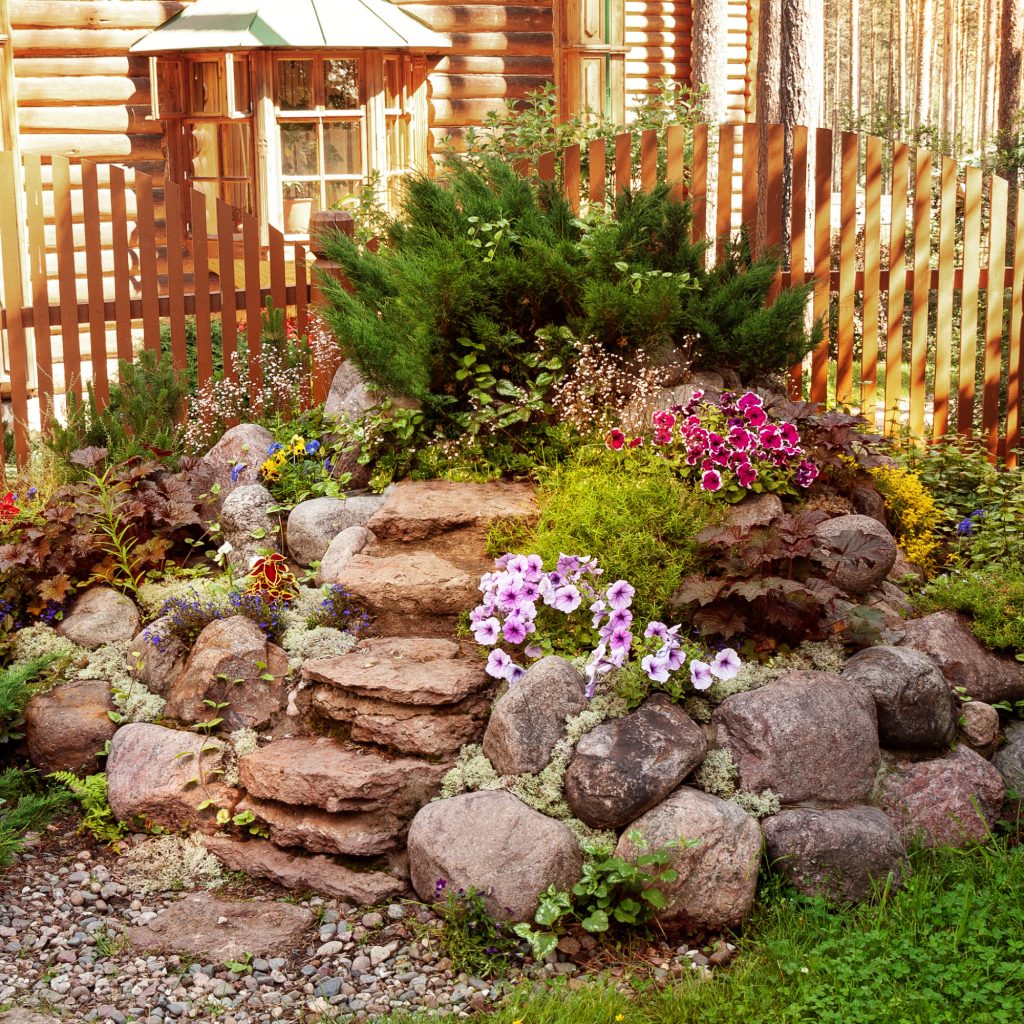
Imagine stepping into your backyard and being transported to a world of wonder and intrigue. Picture the delight of getting lost in nature’s puzzle, with twists and turns that challenge your sense of direction and spark joy.
Designing a garden maze isn’t just about landscaping; it’s about creating an experience, a place where you can escape, explore, and enjoy. You might think it’s a daunting task, but with the right guidance, it’s entirely within your reach. This article will show you how to transform your outdoor space into a captivating maze that enchants family and friends alike.
Let’s dive in and discover how you can craft a garden maze that becomes the talk of your neighborhood.
Credit: www.hortmag.com
Choosing The Location
Selecting a spacious, flat area ensures easy maze layout and maintenance. Prioritize sunlight exposure to keep plants healthy and vibrant. Consider accessibility for visitors, making the maze inviting and enjoyable.
Choosing the right location for your garden maze is crucial. It impacts the maze’s growth and appearance. A well-chosen location creates an inviting and beautiful space. Consider these key elements before deciding.Assessing Available Space
Evaluate the size of your garden. A larger space allows for intricate designs. Smaller areas can accommodate simpler mazes. Ensure there’s ample room for pathways. Measure the space accurately. Consider potential obstacles like trees or buildings. This helps in planning the layout effectively.Considering Sunlight And Soil
Observe the sunlight patterns in your garden. Most plants need sunlight to thrive. Choose a spot with adequate light exposure. Check the soil type as well. Some plants need specific soil conditions. Test the soil for nutrients and pH levels. Adjust the soil if needed. Healthy plants result in a lush, vibrant maze.Selecting A Maze Style
Choosing a maze style involves considering the space available and the desired complexity. Opt for symmetrical designs for a classic look, or go for freeform styles for a more natural feel.
Choosing the right maze style is a crucial step in designing a captivating garden maze. Each style offers a unique charm and caters to different tastes and space constraints. Whether you desire the classic allure of a traditional hedge maze, the sleek minimalism of a modern grass maze, or the vibrant beauty of a flower and shrub maze, your choice sets the tone for the entire garden experience.Traditional Hedge Mazes
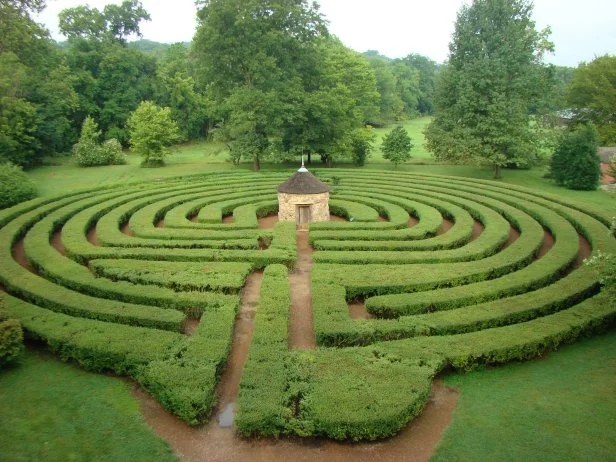
Traditional hedge mazes are synonymous with timeless elegance and mystery. They are typically constructed using dense, evergreen shrubs like yew or boxwood, which maintain their shape year-round. These mazes can become intricate puzzles, offering a sense of adventure as you navigate the winding paths. Consider the maintenance involved with hedges, as they require regular trimming to keep their shape. However, the reward is a living sculpture that adds a classic touch to any garden. Picture yourself wandering through a lush, green labyrinth where each twist and turn offers a new perspective.Modern Grass Mazes
Modern grass mazes are perfect for those who appreciate simplicity and ease of maintenance. These mazes are created using different heights of grass or mown paths. They blend seamlessly into the landscape, providing a more open and airy design. Grass mazes are an excellent choice if you’re looking for a seasonal maze that can change with the weather. They’re also ideal for spaces where a full hedge maze might feel too imposing. Imagine a breezy stroll through a maze where the gentle rustle of grass accompanies your every step.Flower And Shrub Mazes
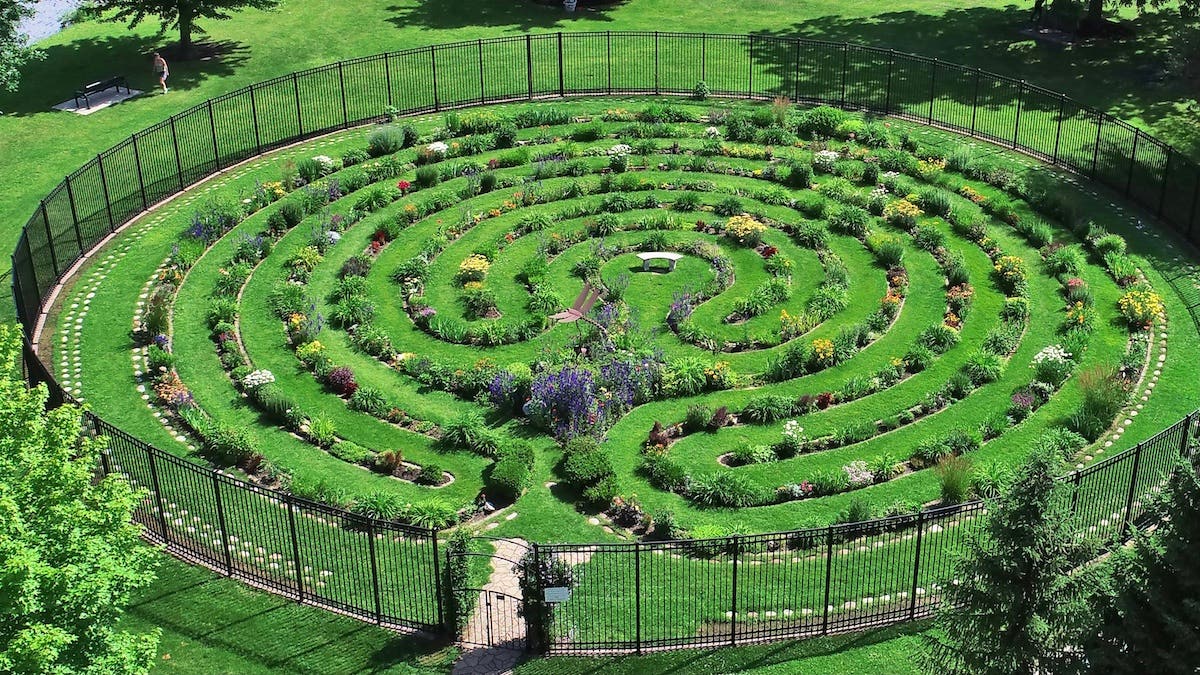
Flower and shrub mazes infuse your garden with color and fragrance, creating a sensory feast. These mazes can be crafted using a variety of plants, from fragrant lavender to vibrant roses or even low-growing shrubs. Designing a flower maze offers the opportunity to play with color schemes and seasonal blooms. They can attract pollinators like bees and butterflies, adding life and movement to your garden. Think about the joy of wandering through a maze where each turn reveals a new burst of color and scent, making every visit a fresh experience. What style speaks to you? Consider your space, climate, and maintenance preferences when selecting your maze style. Let your garden be an expression of your personal taste and a source of endless exploration.Planning The Maze Layout
Planning the maze layout is a crucial step in garden maze design. A well-thought-out layout ensures an engaging and functional maze. This stage involves creativity and precision. You need a balance between complexity and accessibility. Let’s explore the essentials of planning a captivating garden maze.
Creating A Scalable Design
Start with a simple sketch of your maze idea. Use graph paper or digital tools. This helps in visualizing the maze structure. Keep the design scalable. You may want to expand or modify it later. Consider the available space and future growth. A scalable design accommodates changes easily.
Include different path shapes and turns. This adds intrigue to the maze. Ensure there’s a clear start and end point. This guides visitors through the maze without confusion. The design should offer challenges but not frustration.
Incorporating Path Widths
Path width influences the maze’s accessibility and experience. Wider paths allow for comfortable movement. Narrow paths create a sense of mystery and challenge. For a family-friendly maze, use paths at least 3 feet wide. Narrower paths can be 2 feet wide for a more adventurous feel.
Consider the type of plants or materials used for the maze walls. Some plants might spread, reducing path width over time. Regular maintenance ensures paths remain clear and navigable. Thoughtful incorporation of path widths enhances the overall maze experience.
Credit: www.hgtv.com
Choosing Plant Materials
Designing a garden maze requires a keen eye for plant selection. The right plant materials ensure your maze remains lush and enchanting. Choosing the right plants influences not only the aesthetics but also the longevity and health of your maze. With thoughtful choices, your garden maze can thrive year-round and become a captivating outdoor feature.
Selecting Suitable Plants
Consider climate and soil when selecting plants. Hardy plants withstand weather changes better. Opt for evergreen varieties for year-round greenery. Choose plants with dense foliage for a more intricate maze. Fast-growing plants help your maze fill out quickly.
- Evergreen shrubs like boxwood are ideal.
- Consider hedging plants for structured pathways.
- Flowering plants can add seasonal color.
Understanding Growth Patterns
Understanding how plants grow helps in maze planning. Some plants spread quickly; others grow taller. Ensure the selected plants won’t outgrow their space. Regular trimming keeps the maze in shape. Choose plants that complement each other in growth.
- Check plant height and width at maturity.
- Think about root systems for stability.
- Consider maintenance needs for each plant.
Preparing The Ground
Start by clearing the area where the maze will be planted. Remove weeds, rocks, and debris. Outline the maze’s design using stakes and string to visualize paths and boundaries before planting.
Designing a garden maze is an exciting project, combining creativity and nature. Before you can start planting hedges or laying pathways, it’s crucial to prepare the ground properly. This foundational step ensures your garden maze will thrive and remain a delightful feature for years to come. Let’s dive into how you can effectively prepare the ground for your maze.Clearing And Leveling
Start by clearing the area of any debris, rocks, and unwanted vegetation. A clean slate will make your work easier and more precise. Use a hoe or a rake to remove smaller obstacles, and consider renting a mini-excavator for larger stones or stumps. Once cleared, focus on leveling the ground. Uneven terrain can cause drainage problems and make your maze difficult to navigate. Use a leveling tool or a simple board to check for high or low spots. Adjust these areas by adding or removing soil as needed.Soil Preparation Techniques
Quality soil is the backbone of any successful garden. To enhance your soil, begin by testing its pH and nutrient levels. This will guide you in adding the right amendments like lime or sulfur to balance acidity, or compost to boost nutrients. Consider the specific plants you plan to use in your maze. Different plants have varying soil needs. Tailor your soil preparation to meet these requirements, ensuring optimal growth. Add organic matter to improve soil structure and drainage. This simple step can significantly enhance plant health and vitality.Creating A Solid Foundation
Think about installing a weed barrier if you’re concerned about unwanted plants creeping into your maze. This can save you time and effort in the long run, reducing maintenance needs. Consider the maze’s pathways. Will they be grass, gravel, or something else? Each choice has implications for ground preparation. For instance, gravel paths will need a compacted base layer. Reflect on the maze’s future needs. Ensure you leave access points for irrigation or maintenance. This foresight can prevent headaches down the road. By preparing the ground carefully, you lay a solid foundation for your garden maze. Each step, from clearing debris to enriching soil, plays a crucial role in creating a maze that is both beautiful and sustainable. Are you ready to start this rewarding journey?Building The Maze
Crafting a garden maze involves choosing the right plants and layout. Consider paths and turns for intrigue and exploration. Ensure proper maintenance for lush growth and vibrant appearance.
Designing a garden maze can transform any outdoor space. It offers a tranquil escape, a playful challenge, and a touch of mystery. To create your own, follow these essential steps in building the maze. This process requires careful planning and patience. Let’s dive into the key components of building your garden maze.Marking Paths And Boundaries
Begin by sketching the maze layout on paper. Decide on the pattern and pathway width. Use a measuring tape to transfer the design to the ground. Mark the paths using string or spray paint. Ensure the paths are wide enough for comfortable walking. Clearly define where walls and openings will be. This step sets the foundation for a successful maze.Planting And Initial Care
Select plants suitable for your climate and soil. Evergreen hedges, like boxwood, are popular for mazes. Plant the hedges along the marked boundaries. Ensure plants are evenly spaced for uniform growth. Water them regularly, especially in the first few months. Mulch the base to retain moisture and suppress weeds. Prune plants to maintain shape and encourage dense growth. Regular care ensures the maze remains lush and inviting.Maintaining The Maze
Designing a garden maze involves choosing plants that grow well together and considering the layout for easy navigation. Paths should be wide enough for comfort, while hedges need regular trimming for neatness. Careful planning ensures a maze that’s both visually appealing and enjoyable to explore.
Maintaining the maze keeps it charming and functional. A garden maze requires regular care. This ensures it remains a beautiful and enjoyable feature. Regular upkeep also keeps pathways clear and hedges healthy. Proper maintenance can prevent overgrowth and potential hazards. Below are key aspects of maze maintenance.Regular Pruning And Shaping
Regular pruning is crucial for a tidy maze. Trim hedges to prevent them from becoming unruly. Pruning encourages healthy growth and maintains the desired shape. Aim for a consistent height across all sections. Use sharp shears for clean cuts. This reduces plant stress and promotes even growth. Pay attention to the maze’s overall symmetry. This enhances its visual appeal and navigability.Seasonal Maintenance Tips
Seasonal changes affect maze upkeep needs. In spring, check for winter damage. Replace any dead or damaged plants. Fertilize hedges for robust growth. In summer, water plants adequately. Protect them from harsh sun exposure. In autumn, clear fallen leaves from pathways. This prevents slippery surfaces and decay. In winter, monitor for frost damage. Prune sparingly to avoid stress. Regular seasonal checks ensure a thriving maze year-round.Enhancing The Experience
Designing a garden maze offers a unique outdoor adventure. Use hedges or tall plants to create winding paths. Add benches or sculptures for resting spots and visual interest.
Designing a garden maze is a journey of creativity and imagination. Enhancing the experience goes beyond the basic layout. It’s about making your maze a memorable destination. Think about what will captivate your visitors and keep them intrigued. Small touches can transform a simple walk into an adventure. Let’s dive into some ideas to elevate your maze experience.Adding Decorative Elements
Infuse personality into your maze with decorative elements. Consider statues or themed sculptures at key junctions. These can serve as fascinating landmarks and surprise visitors as they navigate through. Colorful flowers can add a visual treat, while a water feature might provide a soothing ambiance. Imagine the sound of trickling water as you wander through the greenery. Lighting can dramatically change the mood. Use solar lights for an eco-friendly option that illuminates paths after dark, creating a magical atmosphere.Incorporating Seating Areas
Create resting spots for visitors to pause and enjoy the surroundings. Benches or small seating nooks offer a place to relax and take in the scenery. These areas can be strategically placed at scenic points or near interesting features. This encourages visitors to linger and appreciate the design. Consider adding a covered pavilion for a shaded retreat. This not only enhances comfort but also invites longer visits, allowing guests to fully immerse in the maze experience. Remember, every detail contributes to the overall feel of your maze. How will you make yours unforgettable?
Credit: in.pinterest.com
Frequently Asked Questions
What Materials Are Best For Garden Mazes?
Choose durable materials like hedges, fences, or stone walls for your maze. Hedges provide a natural look, while stone walls offer longevity. Consider maintenance and aesthetic appeal when selecting materials.
How Do I Plan A Maze Layout?
Start with a simple design and gradually increase complexity. Use grid paper or digital tools to sketch your layout. Ensure paths are wide enough for easy navigation.
How Long Does It Take To Grow A Hedge Maze?
Growing a hedge maze can take 3-5 years. Choose fast-growing plants to speed up the process. Regular trimming and maintenance are essential for healthy growth.
Can A Maze Fit In A Small Garden?
Yes, small gardens can host mazes using compact designs. Opt for low-growing plants or miniature hedges. Creative layouts maximize space while still providing a challenge.
Conclusion
Crafting a garden maze can be a rewarding project. It offers beauty and fun for everyone. Start with a clear plan and simple design. Choose plants that suit your climate and space. Remember to maintain paths for easy navigation. Use hedges or fences for clear boundaries.
Consider adding decorations for a personal touch. Pay attention to maintenance, keeping paths clean and plants healthy. A well-designed maze becomes a special place for reflection and enjoyment. Enjoy the creative journey and the peaceful retreat it brings. Your garden maze awaits, ready to captivate and inspire.







