Imagine stepping into your backyard and being greeted by a stunning garden fence that not only enhances the beauty of your outdoor space but also reflects your personal style. Designing a garden fence is more than just a practical task; it’s an opportunity to transform your garden into a private oasis.
Whether you want to create a cozy retreat or a bold statement, the right garden fence can make all the difference. This guide will show you how to design a fence that complements your garden’s aesthetics and fulfills your needs.
You’ll discover tips and tricks that will make the process easy and enjoyable. Ready to turn your garden into an inviting haven? Let’s dive into the world of garden fence design and unlock the secrets to crafting a space you’ll love.
Choosing The Right Materials
Selecting the best materials ensures a durable and attractive garden fence. Consider options like wood, vinyl, or metal. Each material offers unique benefits, balancing aesthetics and maintenance needs.
Choosing the right materials for your garden fence is crucial. Materials impact durability, appearance, and maintenance needs. The ideal choice depends on your budget, style, and climate.Wood Options
Wood is a classic choice for garden fences. It offers a natural look that blends well with greenery. Several types of wood suit different needs:- Cedar:Resists rot and insects. Has a pleasant aroma.
- Pine:Affordable and easy to work with. Needs regular treatment.
- Redwood:Durable and beautiful. More expensive than other options.
Metal Choices
Metal fences provide strength and security. They have a modern appearance. Common metal options include:- Wrought Iron:Elegant and sturdy. Needs rust protection.
- Aluminum:Lightweight and rust-resistant. Easy to maintain.
- Steel:Strong and durable. Can be heavy and costly.
Vinyl And Composite
Vinyl and composite materials are popular for their low maintenance. They resist weather and pests. Here are some features:- Vinyl:Available in many styles and colors. Easy to clean.
- Composite:Made from recycled materials. Looks like wood but lasts longer.
Credit: xtremeedeals.com
Determining Fence Purpose
Defining the purpose of your garden fence is crucial. It could offer privacy, enhance security, or simply beautify the space. Understanding its role helps in selecting the right design and material.
Determining the purpose of your garden fence is crucial. It guides the design and material choice, ensuring the fence meets your needs. Whether for privacy, beauty, or functionality, understanding the purpose helps create a harmonious garden space.Privacy And Security
A fence for privacy keeps unwanted eyes out. Choose tall panels or solid materials like wood. For added security, consider a fence with locking gates. This deters intruders and ensures a safe garden environment.Decorative Features
Decorative fences add charm to your garden. Use wrought iron or picket styles for elegance. Incorporate trellises or lattices for a unique look. These elements enhance the garden’s visual appeal, making it inviting.Animal Barriers
Protect your garden from animals with the right fence. A sturdy wire mesh can keep out rabbits and deer. Ensure the fence is high enough to deter jumping or climbing. This keeps your plants safe and thriving.Design Styles And Aesthetics
Designing a garden fence blends functionality with style. Choose materials that complement your garden’s theme. Consider colors and patterns that enhance the overall aesthetic.
Designing a garden fence involves more than just picking materials. The style and aesthetics of your fence play a crucial role. It can transform your outdoor space into a charming retreat or a sleek modern haven. Selecting the right design reflects your personality and complements your garden’s ambiance.Modern And Minimalist
Modern fences focus on clean lines and simplicity. They often use materials like metal or composite. These fences blend with contemporary architecture. Minimalist designs prioritize function over form. They provide privacy without being overwhelming. Neutral colors and geometric shapes are common. This style suits urban gardens with a sleek finish.Rustic And Traditional
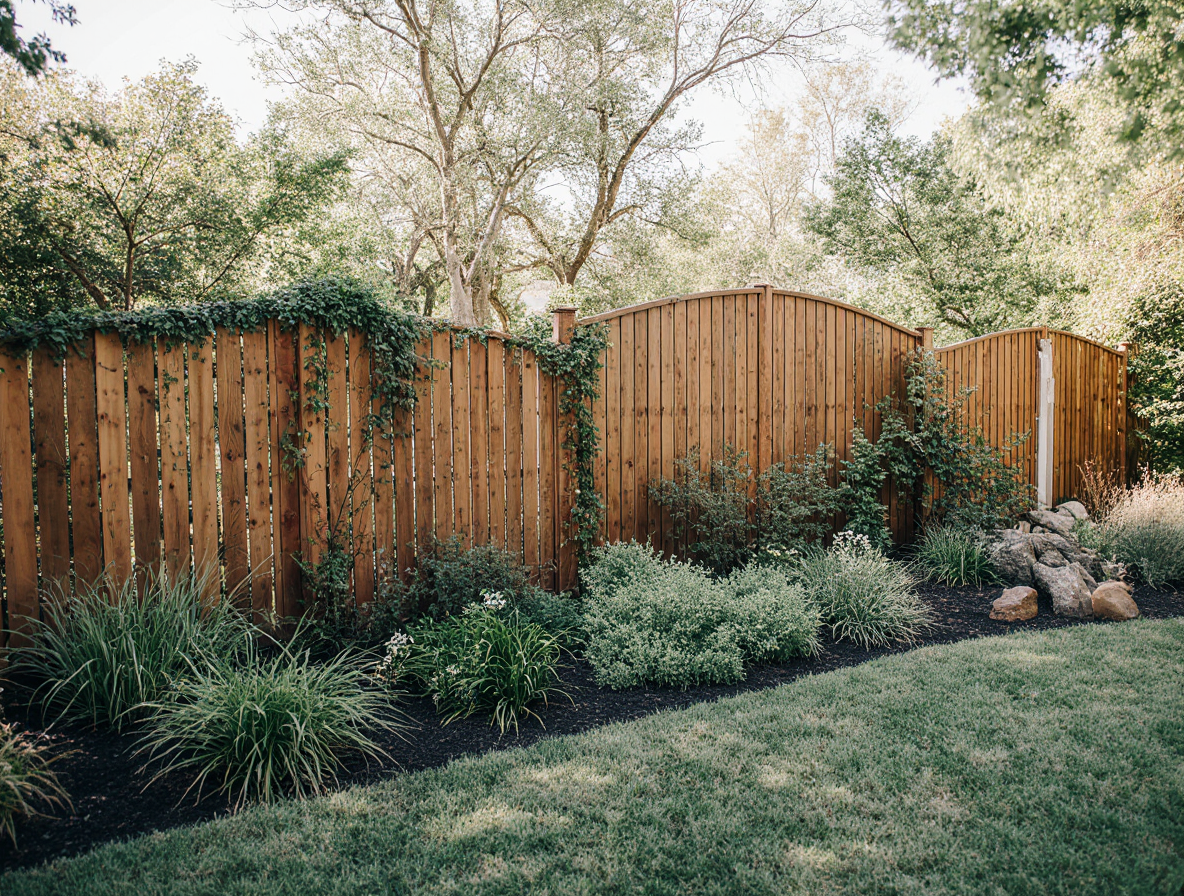
Rustic fences bring warmth and charm. Wood is the preferred material, often in natural finishes. These fences evoke a cozy countryside feel. Traditional designs may include pickets or lattice patterns. They work well in gardens with lush greenery. The weathered look adds character and nostalgia. This style is ideal for cottage-style homes.Eclectic And Artistic
Eclectic fences are unique and expressive. They mix materials and colors creatively. Artistic designs might feature murals or intricate carvings. This style breaks conventional boundaries. It adds personality and flair to your garden. Recycled materials can be used for added interest. These fences are perfect for artistic souls.Planning Fence Layout
Crafting a garden fence layout involves measuring space and selecting materials that blend with the landscape. Consider the style and height to balance privacy and aesthetics. Thoughtful planning ensures a harmonious and functional garden design.
Designing a garden fence is an exciting opportunity to enhance both the aesthetics and functionality of your outdoor space. It’s not just about choosing the right materials or colors; planning the fence layout is crucial for ensuring it serves its purpose effectively. Taking the time to map out your design can save you from future headaches and help your garden become a true extension of your home.Mapping The Perimeter
Begin by measuring the perimeter of your garden. This might seem straightforward, but it’s essential to get accurate measurements. Use a tape measure and jot down the dimensions. Consider using stakes and string to outline where your fence will go. Walking around your marked perimeter provides a tangible sense of how your fence will fit into the garden space. Does it align with your vision?Considering Terrain And Slope
Every garden has unique features, and terrain plays a significant role in fence design. Is your garden flat, or does it have slopes? A slope can impact the fence’s height and stability. If your garden is uneven, consider how a stepped fence design might look. It can add character while accommodating the natural lay of the land.Incorporating Gates And Entrances
Think about accessibility. Where will you place gates and entrances? These are not just practical elements; they define how you and others interact with the garden. Decide on the number and size of gates based on usage. For instance, a wider gate might be necessary for lawn equipment or furniture. Reflect on your daily routine. Could a strategically placed entrance make your garden more welcoming?Incorporating Plants And Greenery
Incorporating plants and greenery can transform a garden fence into a vibrant, living structure. Choose climbing plants like ivy or jasmine for a lush look. Hanging flower pots add bursts of color and charm, enhancing the fence’s visual appeal.
Incorporating plants and greenery into your garden fence design adds life and beauty. A green fence not only enhances your garden’s appeal but also supports biodiversity. Integrating plants can soften the look of a fence and create a vibrant backdrop. Below are some creative ways to incorporate plants into your garden fence design.Vertical Gardens
Vertical gardens make excellent use of limited space. Attach planters or pockets to your fence to grow herbs, flowers, or vegetables. Choose plants that thrive in your climate. Succulents and ferns work well for a vertical garden. Ensure proper drainage in your planters to keep plants healthy. Regular maintenance is key for a flourishing vertical garden.Climbing Plants
Climbing plants can transform a plain fence into a lush green wall. Install a trellis or wire for plants like ivy, jasmine, or climbing roses. These plants add height and interest to your garden fence. Climbing plants can also provide shade and privacy. Choose species that suit your climate and lighting conditions.Hedge Integration
Hedges are a natural way to blend a fence with the garden. Plant a row of shrubs along the fence line. Boxwood, laurel, and privet are popular hedge choices. Hedges offer privacy and reduce noise pollution. Prune regularly to maintain their shape and health. Integrating hedges can create a seamless transition between your garden and fence.Budgeting And Cost Considerations
Designing a garden fence involves careful budgeting and cost considerations. Choose materials that fit your budget without compromising quality. Consider long-term maintenance costs to ensure your garden fence remains both beautiful and durable.
Designing a garden fence can be an exciting project, but understanding the budgeting and cost considerations is crucial to make informed decisions. Knowing where your money will go can help you balance aesthetics with functionality and ensure your fence stands the test of time without breaking the bank. This section will guide you through the essential financial aspects of building the perfect garden fence.Material Costs
Choosing the right materials for your garden fence is a pivotal step. Materials can significantly vary in price, impacting your overall budget. – Wood is often the most cost-effective option, providing a natural look that complements any garden. However, it may require more maintenance over time. – Vinyl offers durability and low maintenance but comes with a higher initial cost. – Metal fences, such as aluminum or wrought iron, provide strength and longevity, yet they can be pricey. Consider how each material aligns with your budget and the aesthetic you wish to achieve.Labor Expenses
Labor costs can be a substantial part of your fencing budget. Hiring professionals ensures quality and saves time, but it can be expensive. – If you’re handy with tools, a DIY approach might save you money. Just ensure you have the necessary skills and equipment. – Request quotes from different contractors to compare prices and services. – Factor in the complexity of your fence design, as intricate designs may require more skilled labor, increasing costs. Ultimately, it’s about balancing cost with the assurance of a job well done.Long-term Maintenance
Don’t overlook the long-term maintenance costs when planning your garden fence. A fence that requires constant upkeep can drain your wallet over time. – Wood fences need regular staining or painting to protect against weather damage. – Vinyl and metal fences generally require less maintenance, which can save you money in the long run. Consider creating a maintenance schedule for your chosen material to prevent unexpected expenses. Are you prepared to manage these costs over the years? Balancing initial costs with long-term savings is key to a successful garden fence project.Diy Vs. Professional Installation
Choosing between DIY and professional installation affects your garden fence design. DIY offers creativity and cost savings, while professional installation ensures durability and precision. Consider your skills and budget for the best decision.
Choosing between DIY and professional installation for your garden fence can be a tough decision. Both options have their own perks and pitfalls. Let’s dig into some key factors that might help you decide the best route for your project.Assessing Skill Level
Before diving into a DIY project, ask yourself about your comfort level with tools and construction tasks. If you’ve built furniture or tackled home improvement projects, you might find this to be an exciting challenge. However, if you’re new to handling power tools, a professional might be the safer choice. Consider taking a short workshop or seeking advice from a handy friend to boost your confidence.Time And Effort
Time is a precious resource, especially if you have a busy schedule. DIY projects can be rewarding but often take more time than anticipated. A professional can save you time and ensure a quicker completion. Think about your upcoming commitments and decide if you can afford to spend weekends on this project.Potential Challenges
DIY projects often come with unexpected hurdles. Uneven ground, tough soil, or complex designs can be tricky to handle without experience. Hiring a professional means they bring expertise and problem-solving skills to the table. Weigh the potential for frustration against the satisfaction of completing the project yourself. Reflect on what will bring you more joy: the pride of a DIY achievement or the peace of mind knowing it’s done right by a pro.Regulations And Permits
Understanding local regulations is essential for designing a garden fence. Obtain necessary permits to ensure compliance with legal requirements. This prevents potential fines and ensures your fence design meets safety standards.
Designing a garden fence involves more than just picking the perfect style and material. Regulations and permits play a critical role in ensuring your fence is not only beautiful but also legally compliant. Before you dig in, it’s crucial to understand the rules that govern your area. Ignoring these can lead to costly fines or even having to tear down your fence. Let’s dive into the key areas you should consider.Local Zoning Laws
Understanding local zoning laws is essential. These laws dictate where you can place structures on your property. They ensure your fence doesn’t obstruct views or interfere with utilities. Visit your local city planning department or their website. This will help you access specific zoning maps and regulations. Be sure to check if your area has any special restrictions, like historical districts.Property Lines
Knowing your property lines is crucial before erecting a fence. A mistake here can lead to disputes with neighbors. Use a surveyor to confirm your exact property boundaries. This small investment can save you from future headaches. If you’re unsure, consider discussing plans with your neighbors to maintain good relations.Height Restrictions
Every locality has specific height restrictions for fences. These are usually in place to maintain neighborhood aesthetics and safety. Check the maximum height allowed in both the front and backyard areas. Sometimes, front yards have stricter limits compared to backyards. Adjusting your design to these limits ensures compliance and avoids potential fines. By paying attention to these regulations, your garden fence project will be smooth and stress-free. Have you considered how these rules might influence your design choices?Enhancing Security Features
Enhancing security features in garden fence design involves choosing sturdy materials and ensuring proper height. Incorporating lockable gates and anti-climb designs adds extra protection.
Enhancing the security features of your garden fence is crucial. A well-designed fence not only beautifies your garden but also protects it. Security measures help deter intruders, keeping your space safe. Let’s explore some effective ways to enhance security.Adding Locks And Latches
Locks and latches provide basic security for garden gates. Choose sturdy materials for durability. Install locks at a height that’s hard for children to reach. For added security, consider using combination locks. These prevent easy access without a code.Installing Motion Sensors
Motion sensors alert you to any movement near the fence. They are easy to install and maintain. Place them at strategic points around your garden. Some sensors also come with lights, enhancing visibility at night. This can scare away potential intruders.Using Security Cameras
Security cameras offer real-time surveillance of your garden. Choose cameras with night vision capabilities. Ensure they cover all entry points of the fence. Position cameras at a height that offers a wide view. Connect them to your smartphone for easy monitoring.
Credit: m.youtube.com
Maintaining Your Garden Fence
Design a garden fence by choosing materials that complement your landscape. Consider wood for a natural look or metal for durability. Add decorative elements like lattice or climbing plants to enhance visual appeal.
Maintaining your garden fence is crucial for ensuring its longevity and keeping your garden looking pristine. Neglecting this task can lead to costly repairs or even replacement. But don’t worry, with a little effort, you can keep your fence in top shape. Imagine the satisfaction of having a fence that not only stands strong but also adds beauty to your garden. Let’s dive into some practical ways to achieve this.Regular Cleaning
Cleaning your garden fence regularly helps prevent the buildup of dirt and mold. A simple mixture of soap and water can do wonders. Grab a brush and scrub the fence gently. Pay attention to corners where grime tends to accumulate. Consider using a pressure washer for tougher stains. However, be cautious with the pressure settings to avoid damaging the wood or paint. Remember, a clean fence not only looks good but also helps prevent deterioration.Repairing Damages
Spotting damages early can save you from bigger headaches down the road. Inspect your fence monthly for signs of wear and tear. Look for loose nails, broken panels, or rotting wood. If you find any issues, address them promptly. Tighten loose nails with a hammer. Replace broken panels to maintain the fence’s integrity. Don’t let small problems fester into major repairs.Weatherproofing Techniques
Weatherproofing is essential to protect your fence from the elements. Applying a sealant can shield it from rain and sun. Choose a sealant suitable for your fence material, whether it’s wood, vinyl, or metal. A coat of paint also adds an extra layer of protection. Opt for weather-resistant paint to enhance durability. Remember, the goal is to prevent moisture from seeping in and causing damage. Have you ever noticed how some fences age gracefully while others fade quickly? The secret lies in regular maintenance and smart weatherproofing. Keep your fence looking fresh and sturdy, and it will reward you with years of service.
Credit: www.youtube.com
Frequently Asked Questions
What Materials Are Best For Garden Fences?
Wood, metal, and vinyl are popular materials for garden fences. Wood offers a natural look, while metal is durable and modern. Vinyl requires minimal maintenance and is weather-resistant. Choose a material based on your garden’s style, budget, and maintenance preferences to ensure a perfect fit.
How Tall Should A Garden Fence Be?
The ideal height for a garden fence varies. Typically, a height of 4 to 6 feet is common. Consider the purpose: privacy, security, or decoration. Local regulations might dictate specific height requirements. Always check these before starting your design to ensure compliance.
How Do I Design A Garden Fence Layout?
Start by assessing your garden’s size and shape. Consider elements like gates, pathways, and existing plants. Sketch a rough design, taking into account sunlight and wind patterns. This ensures the fence complements your garden’s aesthetics and functionality, creating a harmonious outdoor space.
What Are Popular Garden Fence Styles?
Popular garden fence styles include picket, lattice, and modern vertical slats. Picket fences are classic and charming, while lattice adds elegance. Modern vertical slats offer a sleek look. Choose a style that complements your garden’s design and personal taste for the best aesthetic appeal.
Conclusion
Designing a garden fence adds charm and privacy to your space. Choose materials wisely for durability and style. Remember, the right height and color enhance the garden’s beauty. A good fence design blends with nature and meets your needs. Start with a plan, considering space and budget.
Involve creativity to reflect your personality in the design. Maintenance plays a key role in keeping the fence looking fresh. Enjoy the process and the transformation it brings. With these tips, create a garden fence that is both functional and visually appealing.
Happy gardening!