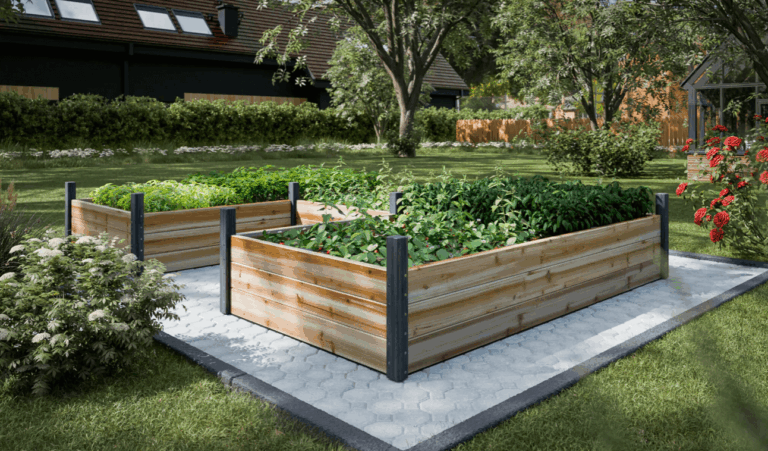
Imagine stepping out onto your patio, surrounded by a beautiful garden bed that perfectly complements your outdoor space. It’s a place where you can relax, entertain, and enjoy nature’s vibrant colors and soothing fragrances.
If you’ve ever wondered how to transform your patio into such a personal oasis, you’re in the right place. Designing a garden bed around your patio doesn’t have to be complicated. With the right tips and a little creativity, you can create a stunning landscape that enhances your home and provides a serene escape from daily life.
Ready to dive into the world of garden design and turn your patio into a picturesque haven? Let’s get started!
Choosing The Right Location
Designing a garden bed around your patio is an exciting project that can transform your outdoor space into a lush retreat. But before you start digging, it’s essential to choose the right location for your garden bed. The location you choose will impact the health of your plants and the overall aesthetic appeal of your garden. Consider factors like sunlight, shade, and accessibility to make sure your garden is both beautiful and functional.
Assessing Sunlight And Shade
Sunlight is a crucial factor in determining the success of your garden bed. Different plants have varying sunlight requirements. Spend a day observing how the sun moves across your patio area. Is it bathed in sunlight all day, or does it only get morning sun? Use this information to decide which plants will thrive.
Don’t forget about shade. Trees, buildings, and even your patio structure can cast shadows that influence plant growth. Knowing where these shade patterns fall will help you select plants that prefer lower light conditions, ensuring your garden bed flourishes.
Considering Accessibility
Accessibility is another key consideration. Ask yourself: how easy is it to reach the garden bed from your patio? If you plan on regularly tending to your plants, you’ll want a location that’s easily accessible. You don’t want to be navigating obstacles just to water your flowers.
Think about pathways. Are they clear and easy to walk? Are there potential trip hazards? Clear pathways not only make maintenance easier but also invite guests to explore your garden. Consider laying stepping stones or creating a simple path to improve accessibility.
Choosing the right location for your garden bed is more than just picking a spot. It’s about understanding the dynamics of sunlight, shade, and accessibility to create a space that you and your plants will love. What’s your biggest challenge when deciding where to place a garden bed? Share in the comments below!
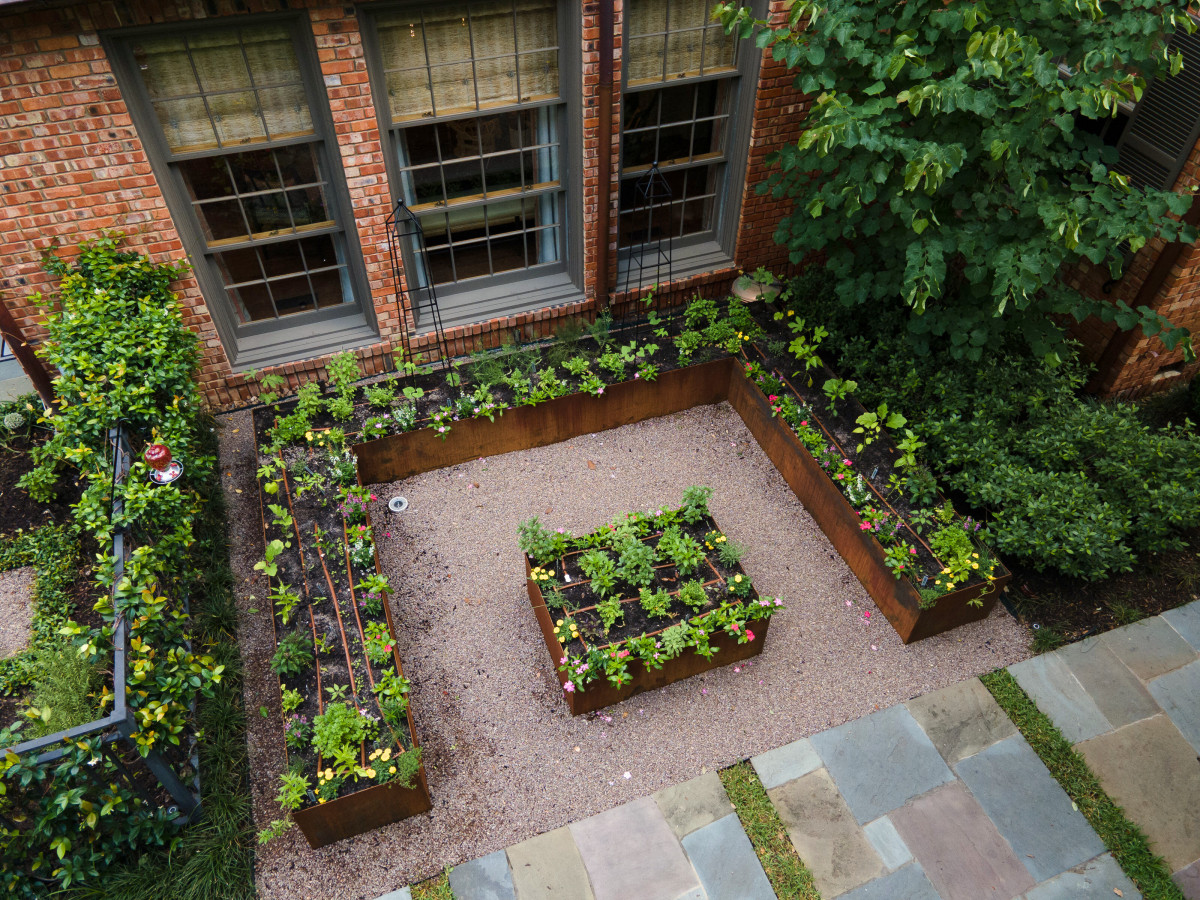
Credit: www.gardenary.com
Selecting Plants For Your Garden Bed
Designing a garden bed around a patio involves selecting plants that complement the space. Choose plants with varying heights and colors to add depth and interest. Consider using native species for easy maintenance and a natural look.
Selecting plants for your garden bed is more than just picking your favorite flowers and shrubs. It’s about creating a harmonious and thriving environment that complements your patio. The right plants can transform your garden bed into a vibrant sanctuary. Before you start shopping for plants, take a moment to consider your garden’s climate, soil, and the amount of sunlight it receives.Deciding On Plant Types
Begin by assessing the space around your patio. Do you want tall plants for privacy or shorter ones for unobstructed views? If you’re looking for low-maintenance options, native plants are an excellent choice as they are well-suited to the local climate and soil conditions. Consider mixing perennials and annuals. Perennials, such as lavender and hostas, return each year, providing a stable foundation. Meanwhile, annuals like marigolds can add bursts of color and variety. This combination ensures your garden bed remains lively and interesting throughout the seasons.Choosing Seasonal Blooms
A well-designed garden bed should offer interest throughout the year. Plan for a succession of blooms by selecting plants that flower at different times. Spring bulbs like tulips can kick off the season with vibrant colors, followed by summer perennials like daylilies. Think about autumn and winter too. Ornamental grasses and evergreens like boxwood can provide structure and greenery even during the colder months. Have you ever noticed how a hint of green can brighten a dreary winter day? By planning for every season, you’ll create a garden that continually delights. When selecting plants, always check the plant tags for information about bloom time and care requirements. It helps you ensure that each plant fits well into your garden’s overall design. By thoughtfully selecting plants for your garden bed, you’ll create a beautiful and functional space that enhances your patio and invites you to spend more time outdoors.Preparing The Soil
Preparing the soil is crucial for designing a garden bed around a patio. Ensure the soil is well-drained and rich in nutrients. Remove weeds and debris, then mix in compost to enhance its quality.
Designing a garden bed around your patio can transform your outdoor space into a lush retreat. But to ensure your plants thrive, preparing the soil is crucial. Healthy soil sets the foundation for vibrant growth, turning your garden bed into a lively extension of your patio.Testing Soil Quality
Before planting, understanding your soil’s composition is essential. Conduct a simple soil test to determine its pH level and nutrient content. You can buy a home testing kit or send a sample to a local agricultural extension service. Knowing whether your soil is acidic or alkaline will guide your plant choices. Different plants thrive in different pH levels. The test also reveals nutrient deficiencies, helping you decide on necessary amendments.Amending Soil For Better Growth
Once you know your soil’s composition, you can improve it for plant health. If your soil is too acidic, add lime to raise the pH. Conversely, if it’s too alkaline, sulfur can help lower it. Enhance nutrient content by mixing in organic matter like compost or well-rotted manure. These additions improve soil texture, promoting better water retention and root growth. Consider adding mulch on top to maintain moisture and regulate soil temperature. This step not only benefits your plants but also reduces the time you spend watering. Is there a part of your garden that always seems to dry out too quickly? Amending your soil could be the key to solving this issue and achieving a thriving garden bed.Designing The Layout
Designing the layout of a garden bed around a patio enhances outdoor beauty and functionality. Choose plants that complement the patio’s style. Arrange them thoughtfully to create a harmonious blend between the garden and the patio area.
Designing the layout of a garden bed around your patio transforms the space. It becomes a beautiful and functional area for relaxation. Thoughtful design ensures a harmonious blend of plants, paths, and seating.Creating Visual Balance
Visual balance is key in garden bed design. Use plants of varying heights and colors. Place taller plants at the back, shorter ones at the front. This creates depth and interest. Choose colors that complement your patio furniture. A mix of greens and vibrant blooms adds charm. Symmetry in plant placement can offer a formal look. For a more natural feel, try asymmetrical arrangements. Both styles can enhance your patio’s appeal.Incorporating Pathways And Borders
Pathways guide visitors through your garden. They also protect plants from foot traffic. Use materials like stone, gravel, or wood for paths. These materials add texture and visual interest. Ensure paths are wide enough for comfortable walking. Borders define the garden bed’s edges. They prevent soil erosion and keep mulch in place. Use stones, bricks, or metal edging for durable borders. Borders and pathways together create a neat and organized garden look.Adding Decorative Elements
Incorporate decorative elements to enhance your garden bed around the patio. Use colorful plants, charming stones, and eye-catching sculptures. These additions create a welcoming and visually appealing outdoor space.
Adding decorative elements to your garden bed around a patio can transform the space. It enhances both beauty and functionality. Thoughtful decoration creates a welcoming atmosphere. It also reflects your personal style. Let’s explore ways to add charm and elegance.Using Mulch And Stones
Mulch and stones add texture and contrast. They help control weeds and retain moisture. Choose mulch in colors that match your patio. Organic mulch enriches the soil. It decomposes over time, adding nutrients. Stones provide a clean, modern look. Use gravel or pebbles for pathways. Larger stones can act as borders. They define the garden bed’s shape. Combine mulch and stones for a layered effect. This creates visual interest.Integrating Water Features
Water features bring tranquility to your garden. The sound of flowing water relaxes the mind. Consider a small fountain or birdbath. These attract birds and butterflies. A pond adds a natural element. It can house aquatic plants or fish. Ensure the water feature complements your garden’s size. Too large can overwhelm the space. Position it as a focal point for maximum impact.
Credit: www.instagram.com
Maintaining Your Garden Bed
Designing a garden bed around your patio enhances outdoor beauty and functionality. Use colorful plants and varied heights for visual interest. Integrate paths and seating to create a welcoming and practical space.
Maintaining a garden bed around your patio is crucial for its longevity. A well-kept garden enhances the beauty of your outdoor space. Regular upkeep prevents weeds and keeps plants healthy. This section covers essential tips for garden bed maintenance.Pruning And Weeding
Pruning helps plants grow stronger. Remove dead or overgrown branches. This encourages new growth and keeps plants tidy. Use sharp shears for clean cuts. Weeding is vital to stop unwanted plants from spreading. Pull weeds by hand or use a hoe. Regular weeding keeps your garden neat and healthy.Seasonal Care Tips
Adapt your care routine to the seasons. In spring, fertilize your plants for growth. Summer requires more watering due to heat. In fall, mulch helps retain moisture and insulates roots. Winter calls for protection from frost. Cover delicate plants with fabric or mulch to shield them. Each season brings unique challenges and opportunities. Adjust your care methods accordingly.Enhancing Patio Connection
Designing a garden bed around a patio enhances its connection to nature. It creates a seamless transition between indoor and outdoor spaces. Thoughtful design boosts relaxation and enjoyment.
Choosing Complementary Furniture
Select furniture that harmonizes with the garden’s theme. Wooden pieces blend naturally with greenery. Metal options add a modern touch. Ensure comfort and durability.
Cushions in earth tones complement outdoor surroundings. Match colors with flowers for a cohesive look. Functional furniture is key for relaxation.
Lighting For Ambiance
Soft lighting creates a welcoming atmosphere. String lights add charm and warmth. Solar lights are eco-friendly and efficient.
Highlight pathways with subtle lighting. Illuminate flower beds for evening beauty. Adjust brightness to suit different occasions.
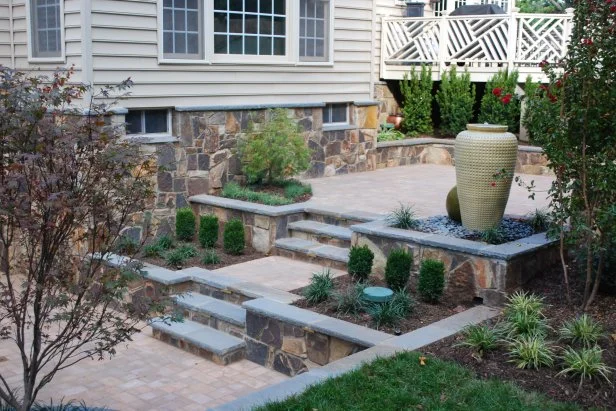
Credit: www.hgtv.com
Frequently Asked Questions
How Do I Start Designing A Garden Bed?
Begin by assessing the space and sunlight around your patio. Choose plants suitable for your climate and soil type. Sketch a design with varying heights and colors to create visual interest. Consider incorporating pathways for accessibility and adding features like borders or mulch for a polished look.
What Plants Are Best For A Patio Garden Bed?
Select plants that thrive in your climate and match the sunlight exposure. Consider low-maintenance options like perennials, shrubs, and ornamental grasses. Herbs and flowering plants add fragrance and color. Mix textures and heights for a dynamic appearance. Ensure the chosen plants complement the patio’s style and your personal preferences.
How Can I Maintain My Garden Bed?
Regularly water your plants, especially during dry spells. Remove weeds to prevent them from competing for nutrients. Prune plants to encourage growth and maintain shape. Add mulch to retain moisture and suppress weeds. Fertilize periodically to provide essential nutrients. Inspect for pests and diseases, and address issues promptly.
Should I Use Raised Garden Beds Around My Patio?
Raised beds offer better drainage and can improve soil quality. They are easier to maintain and provide defined boundaries. Consider using them if your soil is poor or compacted. They also allow for better control over the planting environment. Raised beds can enhance the aesthetic appeal of your patio garden.
Conclusion
Creating a garden bed around your patio enhances outdoor beauty. It offers a cozy retreat. Use vibrant flowers and lush greenery. They add color and life. Arrange plants to balance height and texture. This creates visual appeal. Regular care keeps your garden fresh.
Watering and pruning are key. Simple designs suit small spaces. Larger patios can handle complex layouts. Add personal touches like garden lights. Or a small fountain for calmness. Enjoy your outdoor space. Relax and unwind in your garden. Your patio becomes more inviting with thoughtful design.
Gardening becomes a rewarding hobby. Nature is just a step away.







