Imagine stepping into your backyard and feeling like you’ve entered a tranquil oasis, designed just for you. Your garden isn’t just a patch of grass; it’s a living space that reflects your personality and style.
Designing garden architecture can transform any outdoor area into a serene retreat. But how do you start? What elements should you consider to make your garden both functional and beautiful? You’ll discover simple, effective strategies to design your garden architecture.
We’ll walk you through essential tips and tricks to help you create a space that will captivate your senses and bring joy to your daily life. Whether you’re dreaming of lush greenery or a minimalist haven, understanding the core principles of garden design is key. Dive in, and let your creativity flourish as you learn how to craft an outdoor space that is uniquely yours.
Planning Your Garden Space
Designing a garden architecture involves choosing plants, pathways, and features that complement each other. Use colors and textures to create harmony and balance. Consider sunlight, soil, and water needs for successful growth.
Planning your garden space is like painting on a blank canvas. It involves creativity, vision, and a bit of strategy. A well-planned garden offers peace and beauty. Whether you have a small balcony or a large backyard, careful planning is key. Let’s explore how to transform your space into a garden paradise.Assessing The Site
Begin by understanding your garden’s environment. Observe the sunlight patterns. Note which areas get full sun and which are shaded. Check the soil quality. Is it sandy, clay, or loamy? Each type affects plant growth differently. Consider the climate and weather conditions. Knowing your garden’s strengths and limitations helps in designing it effectively.Setting Your Goals
Decide the purpose of your garden. Is it for relaxation, growing vegetables, or entertaining guests? List your priorities and wish-list items. Maybe you want a water feature or a play area for kids. These goals guide your design choices. Be clear about what you desire to create a fulfilling garden space.Choosing A Style
Selecting the right style for garden architecture involves considering personal taste and the space available. Explore various themes like modern, rustic, or classical to match your surroundings. Focus on creating a harmonious blend of plants, structures, and pathways for a cohesive look.
Choosing a garden style sets the tone for your outdoor space. It’s crucial to decide how you want your garden to feel. This choice impacts design elements, plant selections, and overall atmosphere. Understanding style options helps create a cohesive garden design.Formal Vs. Informal
Formal gardens emphasize symmetry and order. They feature geometric shapes and structured layouts. Straight lines and clipped hedges are common. These gardens often include fountains or statues as focal points. Informal gardens embrace natural shapes and curves. They favor a relaxed, organic feel. Winding paths and varied plant sizes create a casual ambiance. Colorful flowers and textured foliage enhance the informal style.Incorporating Local Culture
Local culture influences garden design in meaningful ways. Traditional elements can personalize your garden. Consider native plants and materials for authenticity. This approach reflects the area’s natural beauty and heritage. Using local art and sculptures adds cultural significance. These pieces can be focal points or accents. They tell stories and connect your garden to community traditions.Selecting Plants And Materials
Designing a garden requires thoughtful selection of plants and materials. This process shapes the garden’s look and feel. It influences maintenance and sustainability. Choose wisely for a beautiful, lasting garden.
Understanding Plant Types
Plants vary in type, size, and care needs. Consider native plants first. They are adapted to local climate and soil. They need less water and care. Perennials are excellent for lasting beauty. They return each year, reducing replanting efforts. Annuals add seasonal color. They bloom vividly but need replacing yearly.
Shrubs and trees add structure and shade. Choose those that fit the space and sunlight. Groundcovers help prevent weeds. They fill spaces and add greenery. Consider flowering plants for color. Choose those with varying blooming seasons. This ensures flowers throughout the year.
Sustainable Material Choices
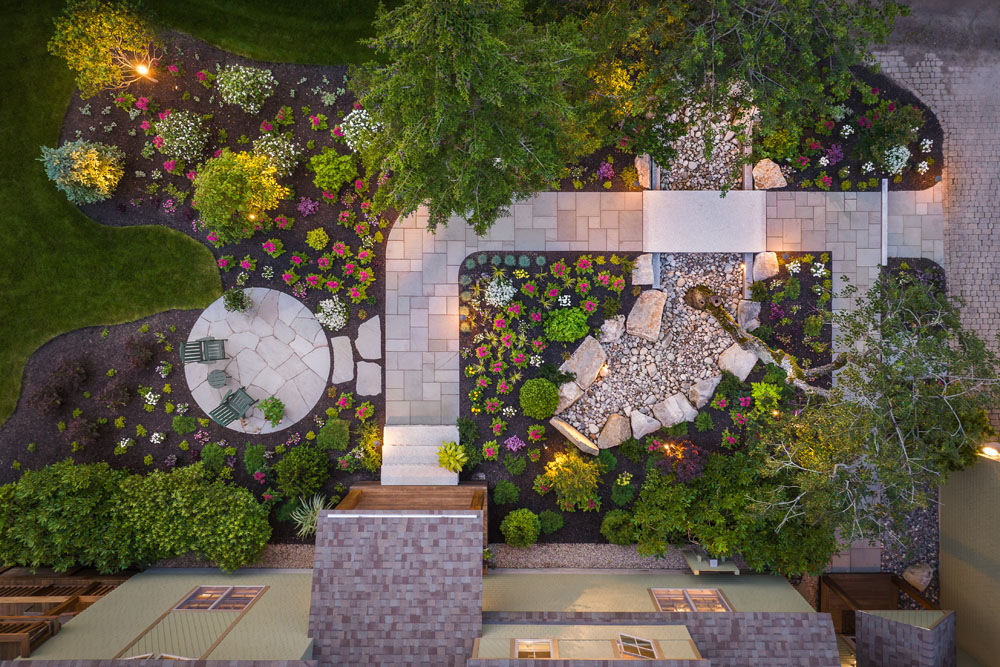
Materials impact the garden’s environmental footprint. Opt for sustainable choices. Recycled materials are eco-friendly. They add unique character to paths and borders. Natural stones offer durability and elegance. They blend well with plants. Wood is versatile but choose treated or recycled types. They resist weather and pests.
Use local materials when possible. They reduce transportation impact and costs. Mulch conserves water and nourishes soil. It comes in organic forms like bark or leaves. Pebbles and gravel provide drainage and texture. They are low-maintenance and visually appealing.
Consider solar-powered lighting for night ambiance. It saves energy and complements eco-friendly designs. Sustainable materials enhance garden longevity and environmental harmony.
Credit: mainehomedesign.com
Creating Focal Points
Creating focal points in garden architecture draws attention and enhances visual interest. Use elements like sculptures, fountains, or distinct plants to capture the eye. These features guide exploration and create a harmonious outdoor space.
Creating focal points in garden architecture draws the eye. These elements create interest and guide visitors through the space. A well-placed focal point enhances the garden’s aesthetic appeal. It can transform a simple garden into a captivating retreat. Choosing the right focal points involves creativity and an understanding of the space.Using Sculptures And Structures
Sculptures add a touch of art to any garden. They can reflect personal style and add elegance. Choose sculptures that complement the garden’s theme. Place them where they can be admired from different angles. Structures like gazebos or pergolas also serve as focal points. They provide shade and a place to relax. Ensure they blend with the garden’s overall design.Highlighting Natural Features
Natural features create effortless focal points. A large tree can become the centerpiece of the garden. Water features like ponds or fountains add movement and sound. These elements engage the senses and soothe the mind. Use rocks or boulders to frame flower beds. This creates contrast and texture in the garden design.Balancing Color And Texture
Balancing color and texture in garden design enhances visual appeal and harmony. Use bright flowers against green foliage for contrast. Mix smooth and rough plants for interesting layers.
Creating a harmonious garden involves more than just planting your favorite flowers. It’s about crafting a visual symphony where color and texture play a crucial role. Balancing these elements can transform your outdoor space into a personal oasis. You might wonder how to achieve that perfect blend that feels both natural and artful. Let’s dive into some practical and actionable insights to help you design a garden that delights the senses.Seasonal Planting Tips
To keep your garden vibrant year-round, consider the changing seasons. Choose plants that bloom at different times to ensure continuous color. For example, daffodils and tulips can herald the spring, while chrysanthemums and asters can keep the fall lively. Plan your planting schedule by mapping out which plants will thrive in each season. This approach not only maintains color balance but also reduces the workload of replanting. Bulbs in the fall, perennials in the spring—these simple choices can make a huge difference. Incorporating evergreens can provide a consistent backdrop for seasonal colors. Their lush greenery can highlight the vibrant hues of seasonal blooms, making your garden visually appealing even in the colder months.Textural Contrasts
Texture in your garden can be as important as color. It adds depth and interest, turning a flat landscape into a dynamic composition. Consider mixing plants with different leaf shapes and sizes for a rich tapestry. Pairing broad-leafed hostas with fine-textured ferns creates an exciting visual contrast. This interplay draws the eye and highlights each plant’s unique characteristics. You can also use hardscaping elements like stone paths or wooden benches to introduce textural variety. A rough stone path winding through soft grass can create a striking contrast that invites exploration. When planning your garden, think about how different textures will interact. Will a smooth lawn next to a gravel path highlight the beauty of each? This thought process can help you create a garden that is as engaging to touch as it is to see. Balancing color and texture in your garden design is a creative and rewarding challenge. By considering seasonal planting and embracing textural contrasts, you’ll craft a space that is not only beautiful but also ever-changing and engaging. What’s your next garden project going to be?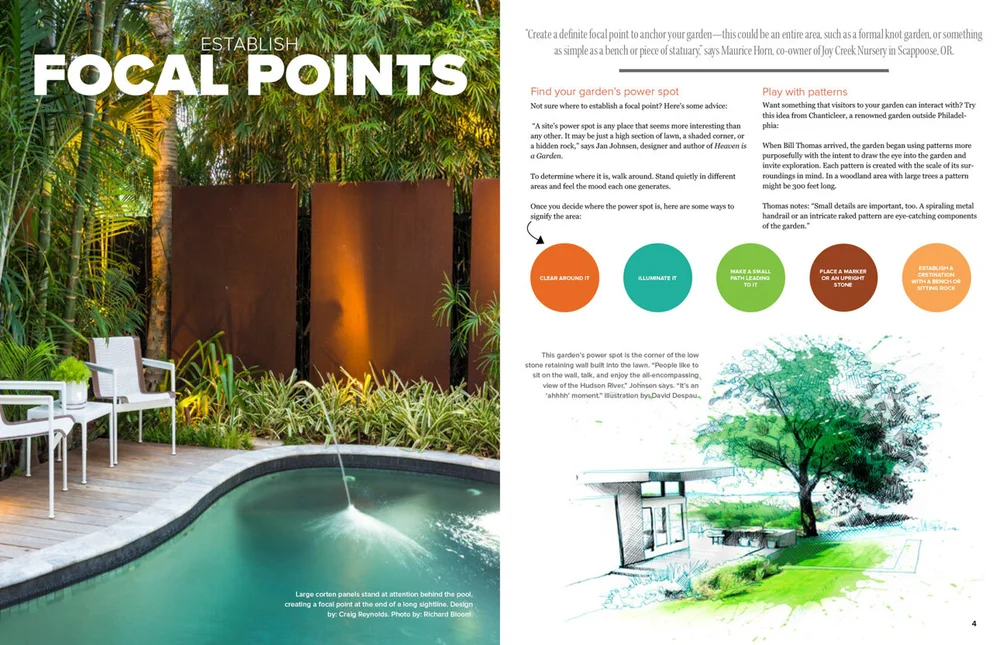
Credit: www.craigreynolds.net
Incorporating Water Features
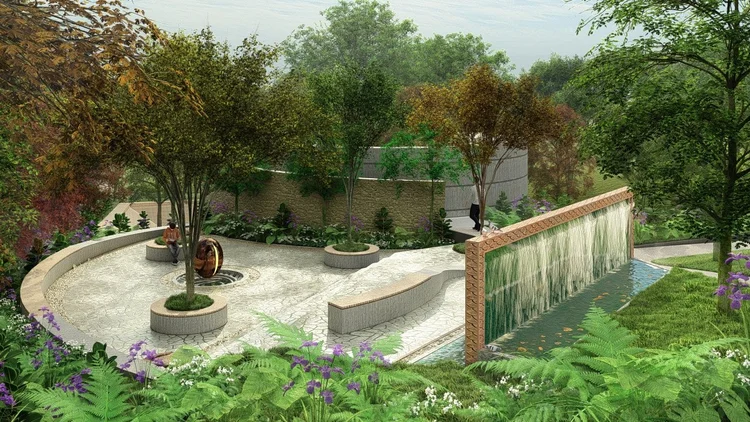
Designing garden architecture can be enhanced by adding water features. These elements bring tranquility and movement to outdoor spaces. Fountains, ponds, or waterfalls create focal points that enrich the garden’s aesthetic appeal.
Incorporating water features into your garden can elevate its beauty. They add a sense of tranquility and elegance. The sound of flowing water soothes the senses. Water features can serve as focal points. They can also support local wildlife, attracting birds and butterflies. When designing your garden, consider adding one or more water elements. This section will explore different types and their maintenance needs.Types Of Water Features
Water features come in various forms. Each type offers unique benefits and aesthetic appeal.- Ponds:Ponds are versatile and can house fish and plants. They create a natural habitat for wildlife.
- Fountains:Fountains add elegance and the soothing sound of water. They come in many styles and sizes.
- Waterfalls:Waterfalls bring a dramatic effect. They can be standalone or part of a pond.
- Streams:Streams mimic natural water flow. They add movement and life to the garden.
- Water Walls:Water walls are modern and striking. They are perfect for small spaces.
Maintenance Considerations
Maintaining water features ensures their longevity and beauty. Regular care keeps water clean and healthy.- Cleaning:Clean filters and remove debris regularly. This keeps water clear and fresh.
- Pump Care:Check and maintain pumps to ensure proper water flow. They are vital for functionality.
- Seasonal Maintenance:Prepare features for winter if needed. This prevents damage from freezing.
- Algae Control:Use treatments or natural methods to control algae growth. This keeps water clean and appealing.
- Plant Care:Trim aquatic plants to prevent overgrowth. This maintains a balanced ecosystem.
Optimizing Lighting
Designing a garden architecture involves optimizing lighting to create ambiance and highlight features. Proper lighting enhances pathways, accentuates plants, and ensures safety. Use a mix of solar lights, spotlights, and lanterns for a warm, inviting garden space.
Optimizing the lighting in your garden can transform its appearance. It sets the mood and highlights features. Proper lighting enhances beauty and ensures safety.Types Of Garden Lighting
Choosing the right lighting type is essential. Each type serves a distinct purpose.- Path Lights: Illuminate walkways and guide visitors safely.
- Spotlights: Highlight trees or architectural elements.
- String Lights: Create a festive atmosphere for gatherings.
- Solar Lights: Eco-friendly options that harness sunlight.
- Accent Lights: Add depth by focusing on specific areas.
Enhancing Safety And Aesthetics
Lighting plays a crucial role in garden safety. It helps prevent accidents during night-time. Properly placed lights deter intruders. For aesthetics, lighting creates visual interest. It casts shadows and adds dimension. Use warm lights for a cozy feel. Cool lights create a modern look. Experiment with lighting angles. Enhance plant textures and colors. Adjust brightness for different moods.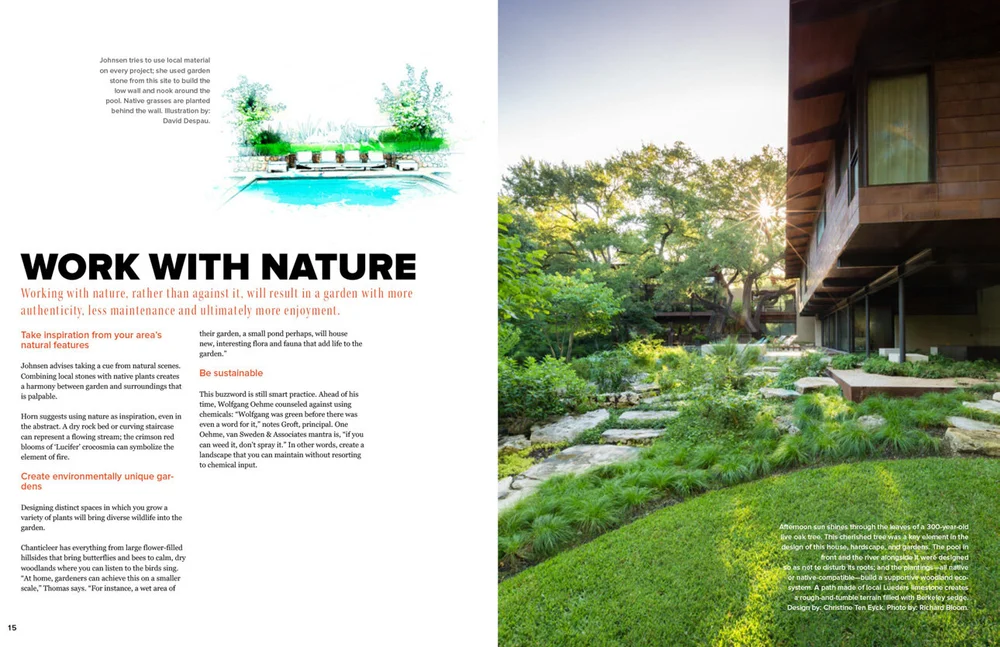
Credit: www.craigreynolds.net
Ensuring Sustainability
Thoughtful garden architecture promotes sustainability. Use native plants to reduce water usage. Design with natural elements for environmental harmony.
Designing a garden with sustainability in mind is not just a trend; it’s a necessity for preserving our natural resources and supporting biodiversity. By focusing on sustainable practices, you can create a garden that thrives while minimizing its impact on the environment. This approach not only benefits the planet but also enhances the beauty and health of your garden.Water Conservation Techniques
Using water wisely is crucial in sustainable garden design. Consider installing a rainwater harvesting system to collect water from your roof and store it for future use. This simple solution can significantly reduce your dependency on municipal water supplies. Drip irrigation is another effective technique to conserve water. It delivers water directly to the plant roots, minimizing evaporation and runoff. By adjusting the system to your garden’s specific needs, you ensure that each plant gets just the right amount of water. Mulching is a natural way to retain soil moisture. A layer of organic mulch can reduce evaporation, keep the soil cool, and suppress weed growth. It’s an easy addition that can make a big difference in your garden’s water efficiency.Organic Gardening Practices
Organic gardening is about working with nature, not against it. Start by using compost as a natural fertilizer to enrich the soil. Composting not only recycles kitchen and garden waste but also improves soil structure and fertility. Avoid chemical pesticides and opt for natural pest control methods. Encourage beneficial insects like ladybugs and lacewings, which prey on common garden pests. Companion planting can also help; plants like marigolds naturally deter pests and promote healthy growth. Crop rotation is another key practice. By rotating crops, you prevent soil depletion and reduce the buildup of pests and diseases. It keeps your garden productive and healthy year after year. Have you ever thought about how your garden can give back to the environment? By implementing these sustainable practices, you create a thriving ecosystem that supports both your plants and the planet. What changes can you make today to ensure a greener tomorrow in your garden?Engaging The Senses
Design a garden that engages the senses by incorporating fragrant flowers, textured plants, and vibrant colors. Add water features for soothing sounds and pathways with varied textures. Include seating areas for relaxation and enjoying the surroundings.
Designing a garden that engages the senses creates a unique experience. The garden becomes more than just a visual delight. It becomes a place of relaxation and interaction. Each element in the garden can evoke feelings and memories. Let’s explore how to design a garden that speaks to all your senses.Scented Plants
Scented plants transform a garden into a fragrant paradise. Lavender, rosemary, and jasmine are popular choices. They fill the air with sweet, calming aromas. Choose plants that bloom at different times. This ensures a continuous scent throughout the year. Plant them near pathways or seating areas. This way, their fragrance is always within reach.Sound And Movement
Sound adds another layer to your garden’s atmosphere. Water features like fountains and ponds create soothing sounds. The gentle trickle of water can calm the mind. Wind chimes also bring a musical element. Choose chimes made from different materials. They produce varied sounds in the breeze. Grasses and trees that sway create movement. Their rustling leaves add a natural soundtrack. Movement and sound make your garden lively and dynamic.Frequently Asked Questions
What Are The Basics Of Garden Architecture?
Garden architecture involves designing outdoor spaces with elements like plants, structures, and pathways. It focuses on creating a harmonious balance between aesthetics and functionality. Understanding the site’s natural conditions and selecting appropriate plants are crucial. Incorporating water features or sculptures can add unique character to the garden design.
How Do I Choose Plants For My Garden?
Choose plants based on your garden’s climate, soil type, and sunlight. Consider each plant’s growth habits and maintenance needs. Native plants are often a good choice as they’re adapted to local conditions. Prioritize diversity and seasonal interest to ensure your garden is visually appealing year-round.
What Are Common Garden Design Styles?
Common garden design styles include formal, informal, cottage, and contemporary. Formal gardens feature symmetrical layouts and manicured plants. Informal gardens have a natural, relaxed appearance. Cottage gardens are lush and colorful, often with a mix of flowers and vegetables. Contemporary gardens emphasize clean lines and minimalism.
How Important Are Pathways In Garden Design?
Pathways are crucial for guiding movement and enhancing garden aesthetics. They define spaces and provide access to different garden areas. Materials like gravel, stone, or wood can be used for pathways. Their design should complement the overall garden style, ensuring functionality and visual appeal.
Conclusion
Creating a garden architecture is rewarding. Start small and plan wisely. Consider plants, paths, and seating areas. Use materials that complement the surroundings. Remember, balance and harmony are key. Water features can add tranquility. Lighting enhances mood and safety. Choose native plants for easy care and sustainability.
Experiment with shapes and textures. Regular maintenance keeps the garden thriving. Personal touches make it unique. Invite nature into your space with bird feeders or butterfly gardens. Your garden should reflect your style. Enjoy the process and the beauty it brings.
A well-designed garden becomes a cherished retreat.