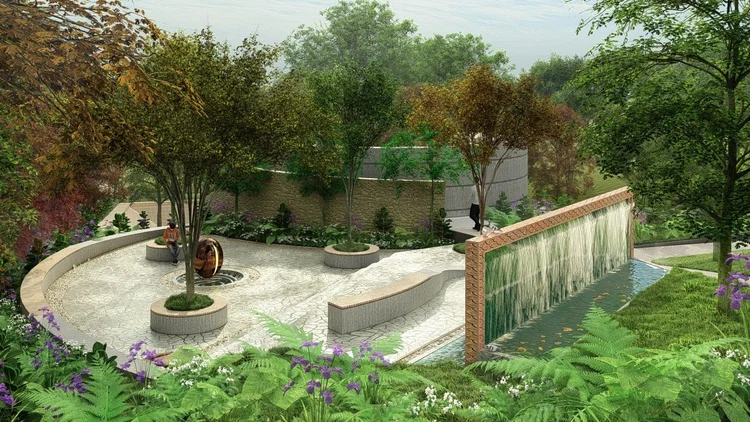
Imagine stepping into your garden and being greeted by an exquisite landscape that feels like a personal oasis. Designing garden architecture is more than just planting flowers; it’s about creating a harmonious space that reflects your style and enhances your outdoor experience.
Whether you’re looking to add a touch of elegance with a pergola, create a cozy corner with a bench, or carve pathways that invite exploration, each element plays a vital role in shaping your garden’s atmosphere. You might be wondering how to begin transforming your outdoor space into a masterpiece.
The answer lies in understanding the principles of garden design and how they apply to your unique setting. This article will guide you through the steps to design a garden architecture that not only stands out but also aligns perfectly with your vision. As you dive deeper, you’ll discover simple yet effective strategies that can turn your garden into the envy of the neighborhood. Keep reading to uncover the secrets to creating a garden that feels like a natural extension of your home.
Choosing The Right Style
Selecting the ideal style for garden architecture enhances your outdoor space’s charm. Consider the layout, materials, and plant choices to create a cohesive design. Keep the style simple and aligned with your personal taste for a harmonious look.
Choosing the right style for your garden architecture is crucial. It sets the tone and vibe of your outdoor space. A well-chosen style can transform your garden into a personal oasis. Before you start, consider what appeals to you. Do you lean towards modern minimalism or rustic charm? Your garden should reflect your personality and complement your home.Understanding Your Space
Take a good look at your garden’s size and layout. A small garden might benefit from a minimalist style, using clean lines and simple structures. Larger gardens can afford more elaborate designs, like a Victorian or Japanese style.Complementing Your Home’s Architecture
Your garden should seamlessly blend with your home’s architecture. A sleek, contemporary house pairs well with modern garden designs, while a cottage-style home might look best with a traditional English garden. Ensure the transition from indoor to outdoor feels natural.Considering Climate And Environment
The climate plays a significant role in style selection. Mediterranean gardens thrive in hot, dry climates with drought-resistant plants like lavender and olive trees. In contrast, a lush, tropical style suits humid environments.Reflecting Personal Taste
Think about what makes you feel at peace. Perhaps a Zen garden with its simplicity and tranquility appeals to you. Or maybe an English cottage garden, bursting with color and fragrance, feels more inviting.Incorporating Functionality
Consider how you will use your garden. If you host gatherings, a style with ample seating and open spaces might suit you. For a peaceful retreat, opt for secluded nooks and quiet pathways.Evaluating Maintenance Requirements
Different styles demand varying maintenance levels. A formal garden with manicured hedges requires regular upkeep. Conversely, a naturalistic style with native plants can be more forgiving.Seeking Inspiration
Gather ideas from garden tours, magazines, or online platforms. You might discover a style you hadn’t considered. Keep a notebook or digital folder of designs that catch your eye. Choosing a garden style is a personal journey. What style resonates with you?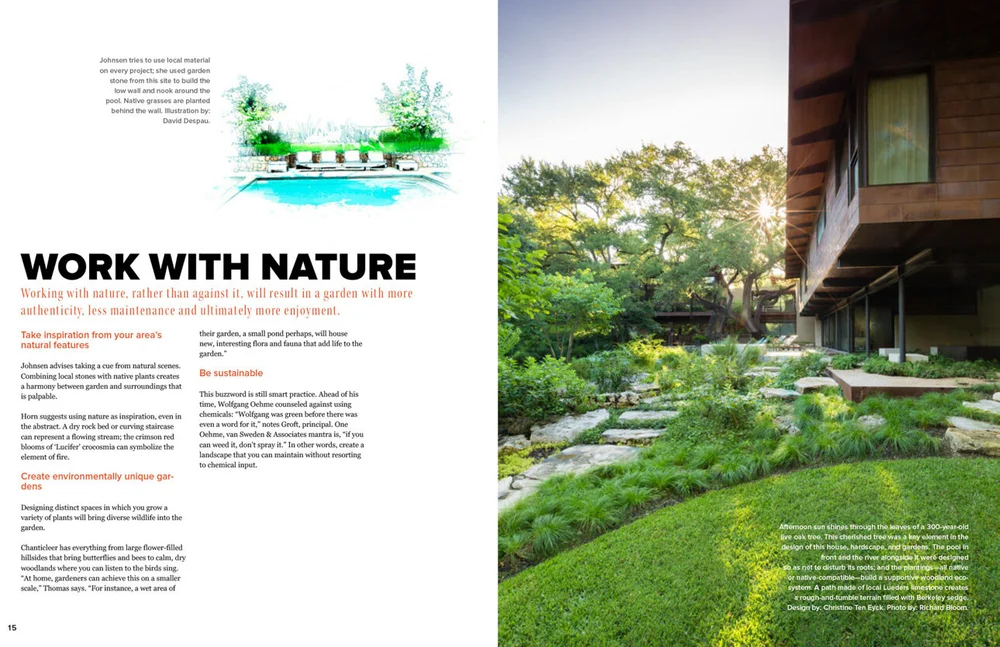
Credit: www.craigreynolds.net
Planning The Layout
Designing a garden architecture involves planning the layout with creativity and functionality in mind. Balance aesthetics with practicality, ensuring pathways and plant placements enhance the garden’s beauty while providing easy access and maintenance.
Planning the layout of your garden architecture is an exciting step. It sets the foundation for a beautiful outdoor space. A well-thought-out plan ensures harmony and functionality. Begin by considering the natural elements and your personal preferences. Creating a clear layout helps in visualizing the final look.Site Assessment
Start with a thorough site assessment. Observe your garden’s natural features. Take note of sunlight patterns and shade areas. Identify existing plants, trees, and structures. Consider the soil type and drainage conditions. Make a list of elements you want to keep or remove. Understanding these factors helps in effective planning.Zoning And Space Allocation
Think about zoning and space allocation carefully. Define distinct areas for different activities. For example, a relaxing zone, a play area, or a vegetable patch. Use paths or borders to separate these zones. Consider the size and shape of each area. Ensure easy access and movement between zones. Proper zoning enhances the garden’s functionality and beauty.Selecting Plant Varieties
Choosing the right plant varieties creates a harmonious garden architecture. Consider color, texture, and height to enhance visual appeal. Select plants that thrive in your climate to ensure longevity and vibrant growth.
Selecting the right plant varieties for your garden architecture can transform your outdoor space into a vibrant oasis. The choice of plants not only dictates the aesthetic appeal but also affects the functionality and sustainability of your garden. Imagine walking through a garden arch that bursts with colors throughout the year, each bloom telling its own story. It’s essential to choose plants that complement each other and thrive in your specific environment. Let’s delve into the intricacies of selecting plant varieties, focusing on climate considerations and seasonal blooms.Climate Considerations
Understanding your local climate is crucial when selecting plant varieties. You wouldn’t want your beloved roses to wilt under harsh sunlight or freeze during the winter months. Instead, consider native plants that are naturally adapted to your region’s climate. They require less maintenance and are more resistant to pests and diseases. Think about the microclimates within your garden. Perhaps one corner gets more sunlight while another is shaded. Utilize these differences to your advantage by choosing plants suited for each spot. Consider how humidity, wind, and precipitation affect plant growth. Are there drought-tolerant varieties that could thrive despite sporadic rainfall?Seasonal Blooms
A garden that changes with the seasons offers a dynamic and captivating experience. Selecting plants with staggered blooming periods ensures your garden remains vibrant year-round. Look for perennial flowers that bloom at different times, providing a continuous display of color. Consider plants with interesting foliage or berries that add visual interest even when flowers are absent. You might incorporate spring bulbs like daffodils and tulips, followed by summer favorites such as lilies and sunflowers. Have you thought about how autumn leaves or winter evergreens could enhance your garden’s appeal? Incorporate annuals for a splash of seasonal color and variety. These plants can be easily changed each year, allowing you to experiment with new themes or color palettes. What combinations could surprise and delight visitors to your garden? By thoughtfully selecting plant varieties, your garden architecture can become a harmonious blend of nature’s finest offerings.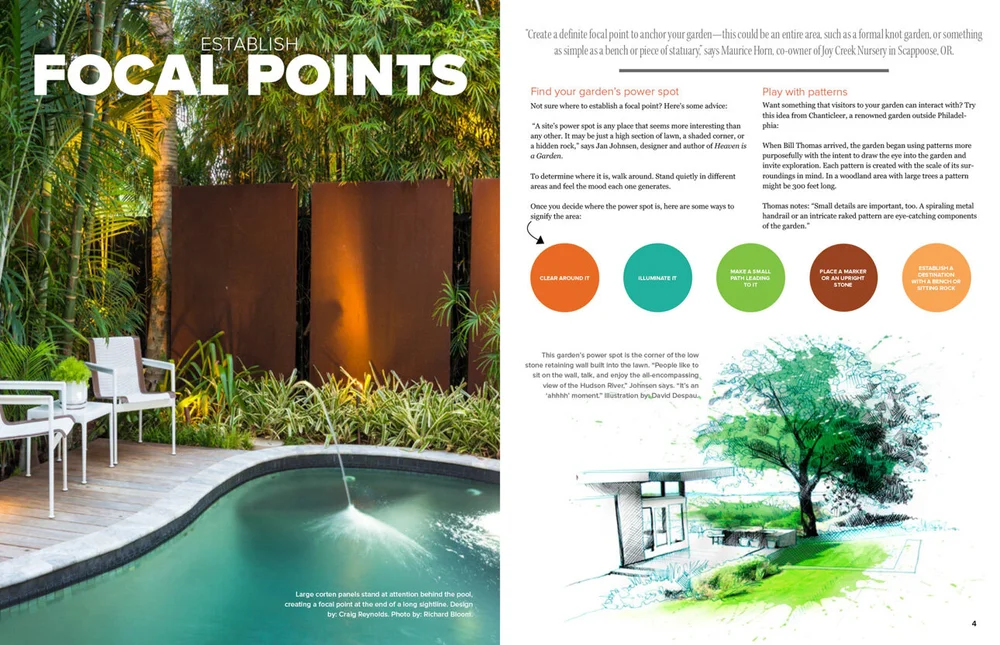
Credit: www.craigreynolds.net
Incorporating Water Features
Water features add tranquility and beauty to garden architecture. They create a soothing atmosphere and enhance the visual appeal. Incorporating water elements can transform a garden into a serene retreat. Explore different options to make your garden a peaceful haven.
Fountains And Ponds
Fountains provide a focal point and bring elegance. Their gentle sound calms the mind. Choose from various styles like tiered, wall, or birdbath fountains. Ponds offer a natural habitat for plants and fish. They create a vibrant ecosystem. Incorporate lily pads and koi fish for added charm.
Water Conservation Tips
Water features can be eco-friendly. Use recirculating pumps to minimize water usage. Collect rainwater in barrels for your pond. Install timers to control water flow. Choose native plants that require less water. Regular maintenance prevents leaks and saves water.
Adding Hardscape Elements
Enhance your garden’s appeal by integrating hardscape elements like stone pathways or wooden benches. These features add structure and beauty. They provide balance and contrast with the natural elements, creating a harmonious outdoor space.
Adding hardscape elements to your garden design can transform an ordinary outdoor space into a stunning landscape. These elements create structure and define areas within your garden. They provide a beautiful contrast to the lush greenery and add functionality. Hardscape features such as pathways, patios, walls, and fences serve as the backbone of your garden. They guide visitors, create privacy, and offer places to gather and relax.Pathways And Patios
Creating pathways in your garden is like drawing a map for discovery. A well-placed path leads the eye and the feet, inviting exploration. Consider using materials like stone, gravel, or brick for durability and aesthetic appeal. Patios offer a place to sit and enjoy the beauty of your garden. Choose materials that complement your home and garden style. A small patio with a couple of chairs can become your favorite morning coffee spot. Think about how you move through your garden. Do your paths lead to focal points or areas of interest?Walls And Fences
Walls and fences do more than mark boundaries; they create privacy and support climbing plants. A stone wall can add a rustic feel, while a wooden fence offers a classic look. Consider the height and material of your walls or fences. They should match your garden’s style and not overwhelm the space. You might even use a low wall as a seating area in a cozy corner of your garden. Think about how these structures can enhance your garden’s functionality. Are there spots where a bit more privacy is needed?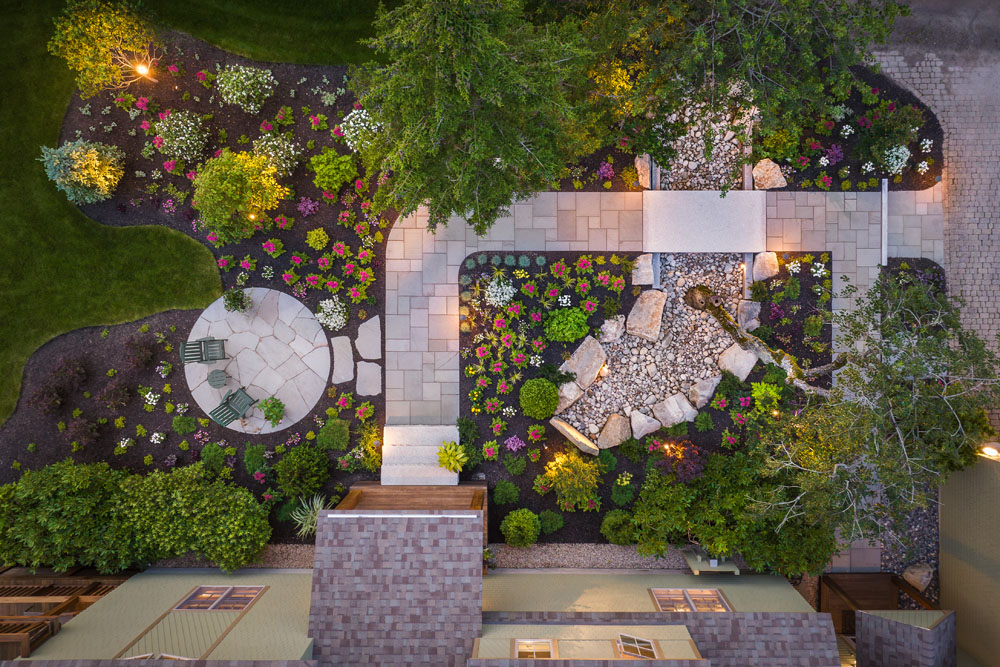
Credit: mainehomedesign.com
Lighting And Ambiance
Lighting transforms garden architecture, creating mood and highlighting features. Ambient lighting enhances pathways and focal points elegantly.
Lighting and ambiance play a crucial role in garden architecture, transforming your outdoor space into a magical retreat. The right lighting can highlight your garden’s beauty and create an inviting atmosphere for evening gatherings. As you design your garden, consider how lighting can enhance not just visibility, but also the mood and overall experience of your outdoor space.Types Of Outdoor Lighting
There are several types of outdoor lighting to consider, each serving a different purpose. Path lights are perfect for illuminating walkways and ensuring safety. Spotlights can be used to highlight specific features like trees or sculptures, adding drama and focus. String lights, on the other hand, create a whimsical and festive feel, ideal for patios or around dining areas. You might even experiment with solar-powered lights for an eco-friendly option, which are great for areas that receive ample sunlight during the day.Creating Mood With Light
Lighting can dramatically change the mood of your garden. Soft, warm lights create a cozy and inviting atmosphere, perfect for intimate gatherings. Bright, cool lights are better suited for functional areas where tasks are performed, like outdoor kitchens. Consider using dimmable lights to adjust the brightness according to the occasion. Imagine hosting a garden party where the lighting slowly transitions from vibrant and lively to soft and mellow as the night progresses. Wouldn’t that create a memorable experience for your guests? Think about how you use your garden and what ambiance you want to create. Is it a tranquil retreat or a lively entertaining space? Tailoring your lighting choices to your garden’s function will enhance its beauty and usability.Sustainability Practices
Creating a garden that is both beautiful and environmentally responsible is a rewarding endeavor. Sustainability practices in garden architecture are essential for maintaining the ecological balance, conserving resources, and enhancing biodiversity. By thoughtfully choosing materials and plants, you can design a garden that is not only stunning but also sustainable. Let’s explore some key sustainability practices you can adopt.
Eco-friendly Materials
Choosing eco-friendly materials is a simple yet impactful way to promote sustainability in your garden architecture. Opt for materials that are locally sourced, recycled, or renewable. Bamboo and reclaimed wood are excellent choices for structures like pergolas or trellises.
Consider using permeable paving to reduce runoff and improve water absorption. These materials are not only sustainable but also add an aesthetic appeal to your garden. What materials have you explored in your own garden?
Native Plant Integration
Integrating native plants into your garden design is another effective sustainability practice. Native plants are adapted to local climates and soils, requiring less water and maintenance. They provide essential habitats for local wildlife, enhancing the ecological balance.
Research plants that thrive naturally in your area and consider their benefits to local fauna. By choosing native species, you not only support biodiversity but also create a garden that is easier to maintain. Have you noticed how your garden thrives with native plants?
Maintenance And Upkeep
Designing garden architecture requires regular care to maintain its beauty. Trim plants, clean pathways, and check structures for damage. Regular upkeep ensures your garden arch remains a stunning focal point.
Designing a garden is a rewarding endeavor, but maintaining its beauty requires consistent care and attention. The joy of watching your garden flourish is matched by the need to keep it in its best shape. Effective maintenance ensures your garden remains a stunning and healthy space year-round. Let’s dive into some key aspects of garden upkeep that will keep your outdoor sanctuary thriving.Regular Pruning Techniques
Regular pruning is essential to promote healthy growth and shape your plants. By trimming dead or overgrown branches, you encourage new growth and prevent disease. It’s like giving your garden a fresh haircut, allowing it to look neat and well-kept. Use sharp, clean tools to avoid damaging plants. Prune during the right season for each plant type. For instance, prune flowering shrubs right after they bloom to avoid cutting off next year’s blossoms.Soil And Fertilization
Healthy soil is the foundation of a vibrant garden. Regularly check your soil’s condition to ensure it has the right nutrients. You can enrich your soil with organic compost or a balanced fertilizer to promote plant health. Consider conducting a soil test to understand its pH and nutrient levels. This will guide you in choosing the right fertilizers. Remember, over-fertilizing can harm your plants, so follow recommended guidelines for application. Engage with your garden regularly and notice how it responds to your care. Does it look lush and vibrant, or are there areas that need more attention? Remember, your garden will reflect the effort and love you put into maintaining it.Frequently Asked Questions
What Is Garden Architecture?
Garden architecture involves designing outdoor spaces using plants, structures, and pathways. It blends aesthetics with functionality to create a harmonious environment. Key elements include layout planning, choice of plants, and integration of features like water bodies or seating areas. This design enhances the beauty and usability of garden spaces.
How To Choose Plants For A Garden?
Select plants based on climate, soil type, and garden style. Consider the sunlight each area receives and choose plants accordingly. Opt for a mix of perennials and annuals for year-round interest. Ensure plants complement each other in color, height, and texture for a cohesive look.
What Materials Are Best For Garden Structures?
Common materials for garden structures include wood, metal, and stone. Wood offers a natural look but requires maintenance. Metal is durable and modern, suitable for sleek designs. Stone provides a classic, timeless appearance. Choose materials that match the garden’s aesthetic and withstand local weather conditions.
How Do Pathways Enhance Garden Design?
Pathways guide movement and create structure in garden layouts. They connect different areas, making the garden accessible. Materials like gravel, stone, or brick add texture and style. Well-designed pathways enhance the garden’s visual appeal and functionality, inviting exploration and enjoyment of the space.
Conclusion
Crafting garden architecture is both fun and rewarding. A well-designed garden arch enhances beauty and offers a peaceful retreat. Start with a simple plan. Think about the space and plants you love. Consider light, water, and the overall design theme.
Use natural materials for a harmonious look. Experiment with textures and colors. Small touches can make a big impact. Regular maintenance keeps your garden vibrant. Enjoy the process. Each step brings you closer to your dream garden. With these tips, you can create a beautiful, serene garden space.
Happy gardening!