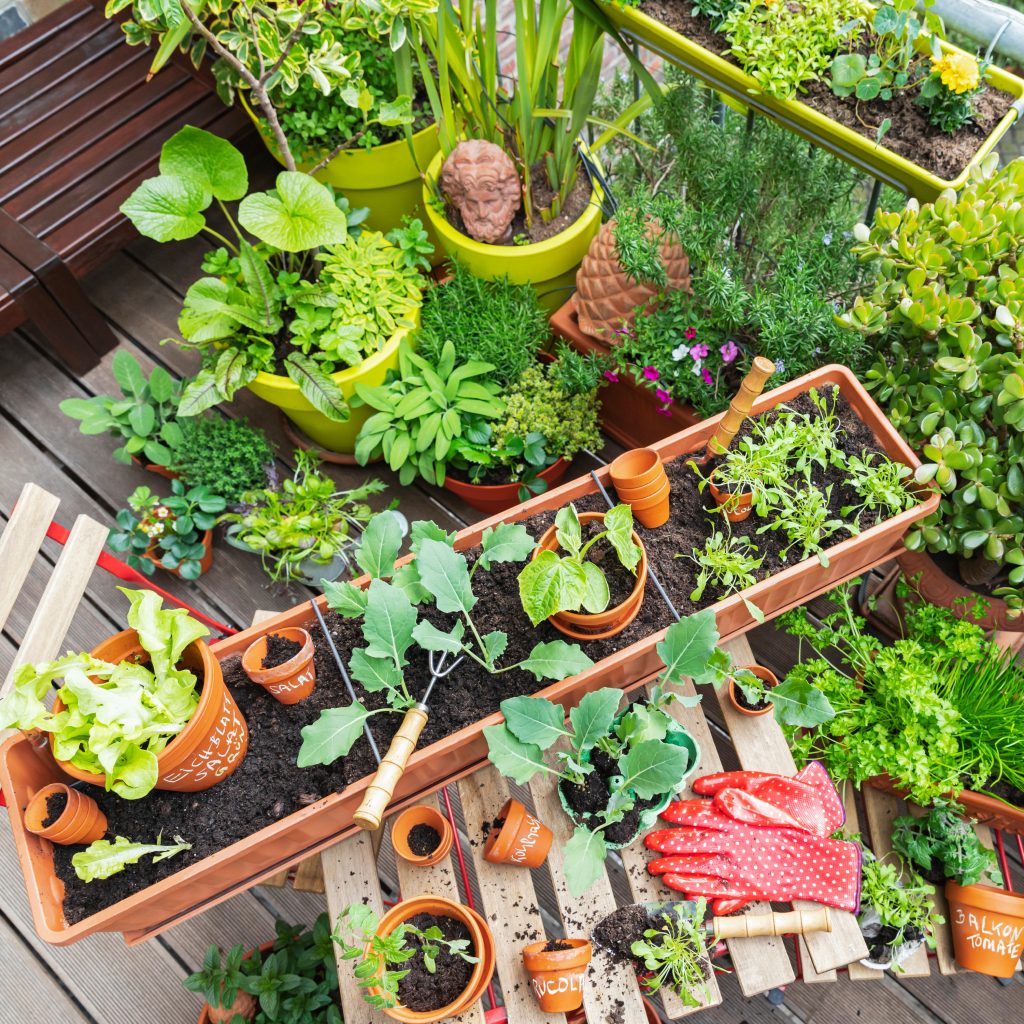
Imagine stepping into your backyard and being greeted by a vibrant array of fruits and vegetables, fresh and ripe for the picking. Designing your own fruit and vegetable garden can be both rewarding and therapeutic, offering you the joy of fresh produce right at your fingertips.
You might think it’s a daunting task, but with a little guidance, it’s easier than you imagine. This guide is here to simplify the process for you, turning your gardening dreams into reality. Whether you’re a seasoned gardener or a complete novice, you’ll find practical tips and creative ideas to help you design a garden that thrives.
Get ready to transform your outdoor space into a lush paradise, where each visit is a feast for the senses and a step toward a healthier lifestyle. Dive in, and let’s unlock the secrets to creating a flourishing fruit and vegetable garden that you’ll love.
Choosing The Right Location
Sunny spots are ideal for a thriving garden. Good soil drainage is also essential for healthy growth. Consider proximity to water sources for easier maintenance.
Choosing the right location for your fruit and vegetable garden is crucial. It affects growth, yield, and plant health. A well-chosen spot ensures your plants thrive. Consider sunlight, soil, and convenience.Sunlight Requirements
Most fruits and vegetables need ample sunlight. Ensure your garden gets 6-8 hours daily. Shadows from trees or buildings can limit sunlight. Observe the area throughout the day. Check for any obstructions that might block sunlight.Soil Quality And Drainage
Healthy soil is vital for plant growth. Test the soil for nutrients and pH balance. A simple soil test kit can guide you. Ensure the soil drains well. Waterlogged soil can harm plant roots. If drainage is poor, consider raised beds.Accessibility And Convenience
Your garden should be easy to reach. Close proximity to your home is ideal. This makes watering and maintenance easier. Consider paths for easy access. Make sure tools and resources are nearby. A convenient location encourages regular garden care.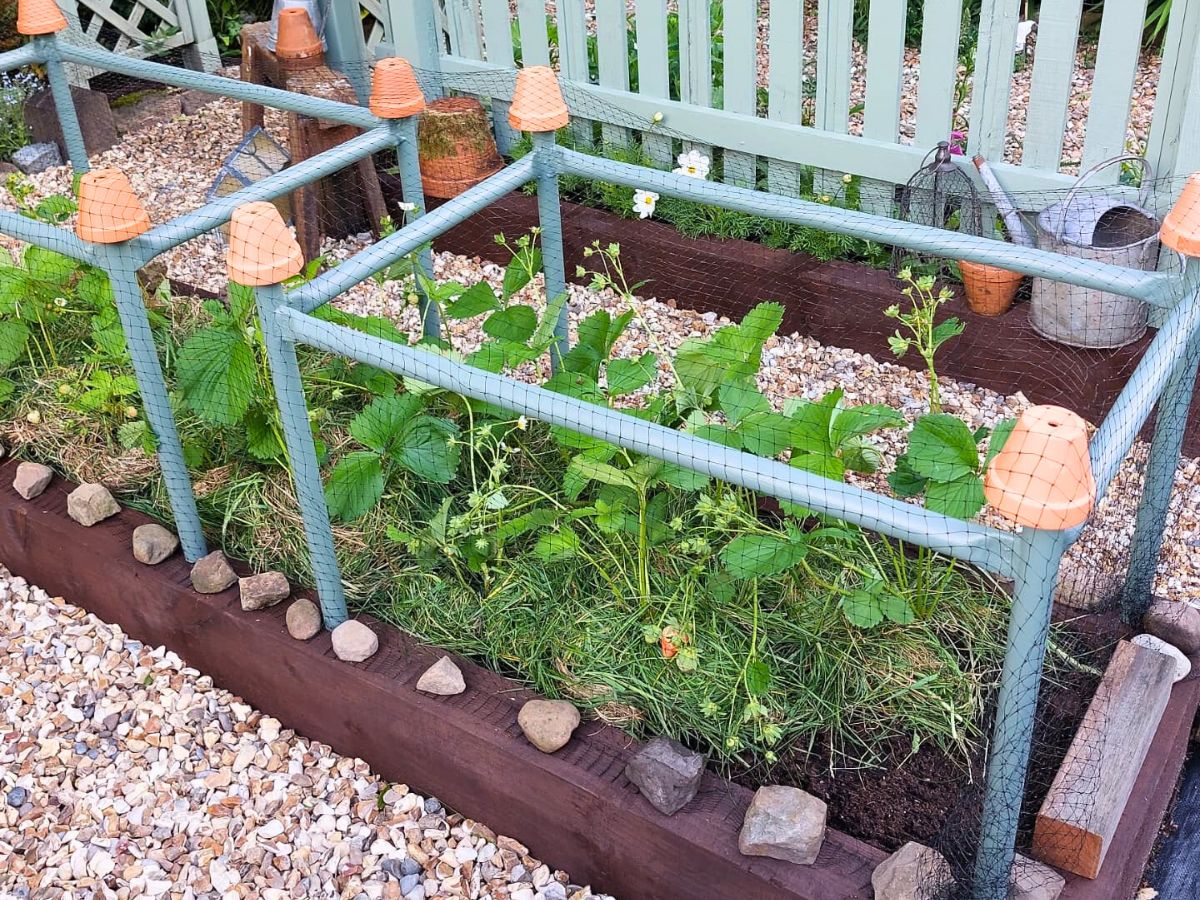
Credit: thursd.com
Planning Your Garden Layout
Designing a fruit and vegetable garden begins with choosing the right location. Consider sunlight, soil quality, and water access. Plan pathways for easy access and organize plants by their growth needs.
Planning your garden layout is a crucial step in creating a fruitful space. It involves careful thought about plant placement, spacing, and relationships. A well-planned garden can maximize yields and minimize problems. Let’s explore some key strategies for effective garden planning.Row Vs. Bed Planting
Choosing between row and bed planting affects your garden’s success. Row planting involves long, straight lines. It works well for larger spaces and easy access. Bed planting groups plants in rectangular or square sections. This method is ideal for small gardens. It allows for intensive planting and better soil management. Consider your space and needs to decide the best method.Companion Planting
Companion planting is the practice of growing certain plants together. Some plants help each other by repelling pests or enhancing growth. For instance, basil and tomatoes grow well together. Basil improves the flavor of tomatoes and deters insects. Research which plants are beneficial companions. This can lead to a healthier, more productive garden.Space Optimization
Maximizing space is essential for a thriving garden. Vertical gardening is a great option for small areas. Use trellises or stakes to grow climbing plants. Interplanting is another technique. Plant fast-growing crops alongside slower ones. This allows you to harvest one while the other matures. Plan pathways and access points carefully. This ensures you reach all plants without compacting the soil.Selecting Fruits And Vegetables
Designing a fruit and vegetable garden involves selecting plants that suit your climate and space. Consider soil quality, sunlight, and water needs. Choose diverse fruits and vegetables to ensure year-round harvest.
Selecting fruits and vegetables for your garden is an exciting journey that can shape your gardening experience. To begin, think about what you love to eat and what grows well in your area. Choosing wisely can mean the difference between a thriving garden and a struggling one. Imagine plucking fresh tomatoes or biting into a crisp apple grown in your own backyard.Climate Considerations
Understanding your climate is crucial. Some fruits and vegetables thrive in warm, sunny conditions, while others prefer cooler climates. For instance, strawberries and apples flourish in temperate zones, whereas citrus fruits like lemons and oranges thrive in subtropical areas. Look into your local climate data to make informed decisions. It’s also beneficial to talk to local gardeners or visit nearby farms to see what grows well.Seasonal Planting
Timing is everything when it comes to planting. Consider what grows best in each season. Spring is ideal for planting leafy greens and root vegetables, while summer is perfect for tomatoes, peppers, and zucchini. If you’re keen on winter gardening, think about kale and Brussels sprouts. Planning your garden around the seasons ensures a steady harvest throughout the year. Have you ever thought about staggering your planting times for continuous yields?Crop Rotation
Crop rotation is a game-changer for maintaining soil health. By rotating crops, you prevent soil depletion and reduce pest buildup. For example, after growing legumes like peas or beans, switch to root crops like carrots or potatoes. This method helps replenish soil nutrients and keeps your garden thriving. Consider creating a simple rotation chart to keep track of your planting cycles. Have you noticed how some plants seem to flourish more when rotated properly?Preparing The Soil
Healthy soil is crucial for a thriving fruit and vegetable garden. Begin by testing the soil’s pH and nutrient levels. Use organic matter like compost to enrich and prepare the soil for planting.
Preparing the soil is the first step in designing a fruitful garden. A healthy garden starts with rich, well-prepared soil. Proper soil preparation ensures your fruits and vegetables thrive. Let’s explore some essential techniques for preparing your soil.Testing Soil Ph
Testing the soil pH helps determine the acidity or alkalinity. Most fruits and vegetables prefer a pH between 6.0 and 7.0. You can use a simple pH test kit from garden centers. Follow the instructions to test your soil accurately. Adjusting the pH helps plants absorb nutrients effectively.Amending With Organic Matter
Organic matter improves soil structure and fertility. Compost, manure, and peat moss are excellent choices. These materials enrich the soil with nutrients. Spread a layer of organic matter over your garden bed. Mix it well into the topsoil using a spade or tiller. Amended soil retains moisture and supports plant growth.Mulching Techniques
Mulching helps retain soil moisture and suppress weeds. Organic mulches like straw, wood chips, or leaves are ideal. Apply a layer of mulch around your plants after planting. Ensure the mulch doesn’t touch the plant stems. Mulching also improves soil temperature regulation. It keeps your garden healthy and productive.Planting Techniques
Designing a fruit and vegetable garden involves careful planning of planting techniques. These techniques ensure healthy growth and abundant harvests. Let’s explore key planting methods for a thriving garden.
Seed Starting
Seed starting is an essential step in garden planning. Choose quality seeds for the best results. Use seed trays or small pots with drainage holes. Fill them with a light, well-draining soil mix. Sow seeds according to the depth specified on the packet. Water gently to keep the soil moist but not soggy. Place trays in a warm, sunny spot. Use a grow light if natural light is insufficient. Keep the soil temperature consistent for optimal germination.
Transplanting Seedlings
Transplanting seedlings requires care to avoid shock. Wait until seedlings have at least two true leaves. Harden them off by exposing them gradually to outdoor conditions. Choose a cloudy day for transplanting to minimize stress. Dig a hole slightly larger than the root ball. Remove the seedling from its container, keeping the root ball intact. Place it in the hole and cover with soil. Water thoroughly to settle the soil around the roots.
Proper Spacing
Proper spacing is vital for healthy plant growth. Overcrowding leads to competition for resources. Check the spacing requirements on seed packets or plant labels. Use a measuring tape to ensure accurate spacing. This allows air circulation and reduces disease risk. It also ensures each plant gets adequate sunlight. Proper spacing contributes to a more productive garden.
Watering And Irrigation
Designing a fruit and vegetable garden requires efficient watering and irrigation. Proper planning ensures each plant gets enough water. Consider drip systems or soaker hoses to minimize water waste and promote healthy growth.
Watering and irrigation are crucial aspects of designing a thriving fruit and vegetable garden. Without the right approach, your garden may struggle to produce healthy crops. To ensure success, understanding the best practices for watering and irrigation is essential.Drip Vs. Sprinkler Systems
Choosing between drip and sprinkler systems depends on your garden’s needs. Drip systems offer precise water delivery directly to the plant roots. They minimize water wastage and are ideal for conserving resources. On the other hand, sprinkler systems cover a larger area and can be efficient for gardens with a wide variety of plants. Consider your garden layout and water availability to make the best choice.Watering Schedules
Establishing a watering schedule is vital for maintaining plant health. Consistent watering supports growth and prevents stress. Early morning or late afternoon is usually the best time to water, as the sun is less intense. This reduces evaporation and allows your plants to absorb moisture effectively. Reflect on your climate and seasonal changes to adjust your schedule accordingly.Rainwater Harvesting
Rainwater harvesting is an eco-friendly method to supplement your garden’s water needs. Collecting rainwater reduces reliance on municipal water and lowers costs. Simple systems like rain barrels can be easily integrated into your garden design. Not only does this practice support sustainability, but it also helps you make the most of nature’s resources. Have you considered harnessing rain to nurture your garden?Pest And Disease Management
Designing a fruit and vegetable garden requires effective pest and disease management. Implementing crop rotation and companion planting can deter pests. Regular monitoring and timely removal of affected plants help maintain a healthy garden.
Managing pests and diseases is vital in a fruit and vegetable garden. Healthy plants yield more and stay vibrant. Understanding natural methods and common issues helps keep your garden thriving. Let’s explore effective strategies for managing pests and diseases.Natural Pest Control
Natural pest control keeps your garden eco-friendly and safe. Use companion planting to deter pests. Plant basil near tomatoes; it repels aphids. Garlic wards off many insects and improves plant health. Hand-picking insects is effective for small gardens. Remove caterpillars and beetles early in the morning. Introduce barriers like nets to prevent insect damage. Neem oil and soap sprays are good organic options. Use them to treat plants without harming beneficial insects.Identifying Common Diseases
Early identification of diseases saves your crops. Look for wilting, spots, or unusual growths on leaves. Yellowing leaves may indicate nutrient deficiencies or disease. Powdery mildew appears as white powder on leaves. It thrives in humid conditions. Blight causes dark spots and can destroy plants quickly. Regularly inspect your plants for these signs. Remove infected leaves to stop disease spread. Clean tools to avoid transferring diseases between plants.Using Beneficial Insects
Beneficial insects help control pests naturally. Ladybugs eat aphids, keeping them in check. Lacewings devour pests like caterpillars and beetles. Encourage these insects by planting flowers like dill and fennel. Provide habitat by avoiding pesticides that kill beneficial insects. Balance in your garden helps reduce pest problems. Attract birds with feeders to eat insects. They help maintain the ecosystem’s health.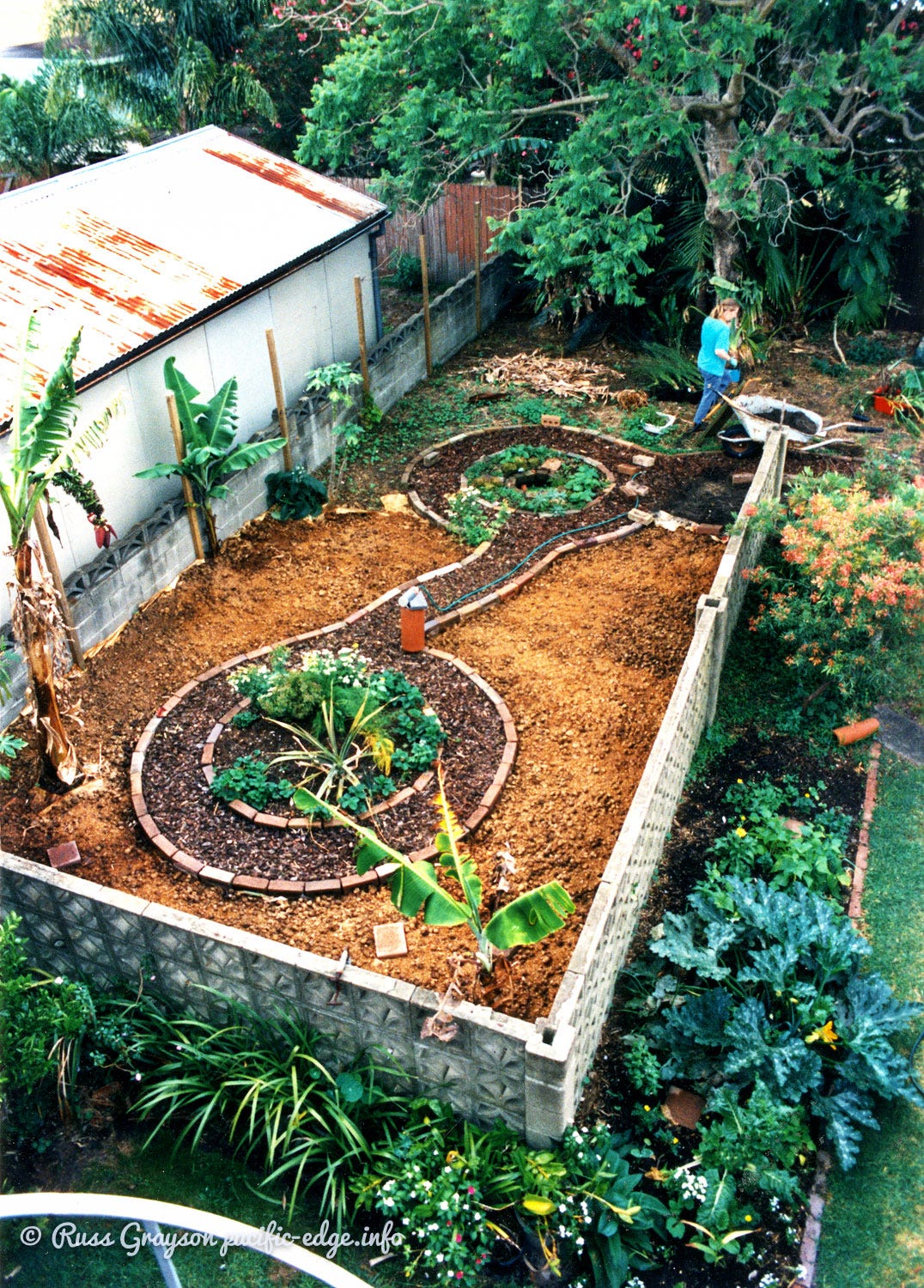
Credit: medium.com
Maintaining Your Garden
Designing a fruit and vegetable garden involves choosing a sunny location with fertile soil. Plan the layout to optimize space and accessibility. Select plants that thrive in your climate, ensuring a mix of fruits and vegetables for variety and sustainability.
Maintaining your fruit and vegetable garden is a rewarding journey that ensures a bountiful harvest. Paying attention to its care not only nurtures healthy plants but also enhances your gardening skills. The key to a thriving garden lies in understanding the essential tasks that keep your plants happy and productive. Let’s dive into the practical aspects of garden maintenance that will keep your fruit and vegetable garden flourishing.Regular Weeding
Weeds can be garden invaders, stealing nutrients and sunlight from your plants. Make it a habit to inspect your garden weekly. Pull out weeds by the root to prevent them from growing back. Consider using mulch to suppress weed growth while retaining soil moisture. A clear garden bed allows your fruits and vegetables to thrive without competition.Pruning And Trimming
Pruning is more than just a haircut for your plants; it’s vital for their health. Regular trimming encourages new growth and prevents diseases. Focus on removing dead or diseased branches and leaves. This not only shapes your plants but also improves air circulation. Ever noticed how a pruned tomato plant produces juicier fruits? Give it a try in your garden.Soil Health Monitoring
Healthy soil is the foundation of a productive garden. Test your soil’s pH and nutrient levels periodically. Add organic matter like compost to boost soil fertility. Notice how your plants respond—are the leaves vibrant and green? Soil health directly impacts plant growth, so keep an eye on it. A simple soil test kit can be your best friend in understanding your garden’s needs. By focusing on these maintenance tasks, you can ensure a thriving fruit and vegetable garden. What new gardening skills will you master this season?Harvesting Techniques
Designing a fruit and vegetable garden involves planning efficient harvesting techniques. Consider the plant’s growth habits and maturity times. Organize plants for easy access and maximum yield.
Harvesting your fruits and vegetables is a rewarding experience, a moment when all your hard work comes to fruition. But to ensure the best flavor and freshness, it’s crucial to use the right techniques. From knowing when your crops are ripe to understanding how to store them, these tips will help you make the most of your harvest.Timing For Ripeness
Timing is everything when it comes to harvesting. Picking fruits and vegetables at their peak ensures maximum flavor and nutritional value. – Tomatoes: Wait until they are fully red and slightly soft to the touch. – Leafy Greens: Harvest early in the morning when they are crisp and hydrated. – Root Vegetables: Check the tops; if they are lush and green, the roots are likely ready. Have you ever harvested too early and been disappointed by the taste? Waiting just a few more days can make all the difference.Methods For Different Crops
Different crops require different harvesting methods to maintain their quality. Understanding these methods can prevent damage and preserve your produce. – Cutting: For herbs like basil and mint, use scissors to snip leaves, promoting more growth. – Twisting: Gently twist off cucumbers and peppers to avoid pulling the plant. – Pulling: Carrots and radishes benefit from a firm, gentle pull straight from the soil. It’s fascinating how a simple technique can affect the longevity and taste of your harvest. Which method will you try first?Post-harvest Storage
Proper storage extends the life of your fruits and vegetables, allowing you to enjoy them long after picking. Knowing the right conditions can prevent spoilage and waste. – Cool and Dark: Potatoes and onions last longer in a cool, dark place. – Refrigeration: Leafy greens and berries stay fresh in the fridge, preferably in a crisper drawer. – Room Temperature: Tomatoes should ripen further at room temperature before refrigeration. Storing your harvest correctly can be as important as harvesting itself. How will you adjust your storage habits to keep your produce fresh?
Credit: www.youtube.com
Seasonal Care Tips
Designing a fruit and vegetable garden requires thoughtful planning. Consider the local climate and seasonal changes for optimal growth. Choose crops suited to the season to ensure a bountiful harvest.
As seasons change, your garden needs special care. Each season brings unique challenges and opportunities for your fruit and vegetable garden. Understanding these seasonal care tips ensures your garden thrives year-round. Let’s explore how to nurture your garden through winter, spring, and summer.Preparing For Winter
Winter can be harsh. Protect your plants from frost with mulch. Mulch insulates the soil and retains warmth. Cover delicate plants with burlap or frost cloth. This shields them from cold winds and freezing temperatures. Prune dead branches to prevent disease. Remove fallen leaves and debris. They can harbor pests and diseases. Ensure good drainage to avoid waterlogged soil. Waterlogged soil can harm roots.Springtime Preparations
Spring is a time of renewal. Start by cleaning up your garden. Remove winter debris to make space for new growth. Test your soil’s pH. Adjust it with lime or sulfur if needed. Plan your planting schedule. Some seeds need early sowing indoors. Transplant seedlings outside once frost danger passes. Fertilize with compost to boost soil nutrients. Compost enriches the soil naturally. Set up irrigation systems for efficient watering. Watering is crucial for young plants.Summer Maintenance
Summer brings heat. Keep plants hydrated with regular watering. Water early morning or late afternoon. This prevents evaporation loss. Use mulch to retain moisture in the soil. Mulch keeps roots cool and damp. Watch for pests like aphids and caterpillars. Control them with natural repellents or manual removal. Prune overgrown plants to improve air circulation. Good air circulation reduces disease risk. Harvest ripe fruits and vegetables regularly. Regular harvesting promotes more production.Frequently Asked Questions
What Tools Do I Need To Design A Garden?
To design a fruit and vegetable garden, you’ll need basic tools like a spade, hoe, and rake. Additionally, consider using a measuring tape, garden gloves, and a wheelbarrow. These tools help prepare the soil, plant seeds, and maintain your garden efficiently.
How Do I Choose The Right Garden Location?
Select a spot with at least 6-8 hours of sunlight daily. Ensure the soil is well-draining and fertile. Avoid areas with strong winds or heavy shade from trees. Proximity to a water source can also make maintenance easier and more efficient.
What Vegetables Are Best For Beginners?
For beginners, consider planting easy-to-grow vegetables like lettuce, radishes, and tomatoes. These plants require minimal care and have high success rates. They’re also quick to harvest, providing rewarding results for first-time gardeners.
How Do I Plan Garden Layout Effectively?
Start by sketching a simple layout on paper. Group plants with similar sunlight and water needs together. Consider using raised beds or rows for better organization. Leave paths for easy access to plants, ensuring convenience while tending to your garden.
Conclusion
Designing a fruit and vegetable garden is rewarding. Start small and plan well. Choose easy-to-grow plants for beginners. Use your garden space wisely. Consider sunlight and water needs. Rotate crops each season to keep soil healthy. Composting improves soil quality naturally.
Keep pests away with natural methods. Enjoy fresh produce from your garden. Share your harvest with family and friends. Gardening connects you to nature and provides fresh food. Begin your gardening journey today and embrace the benefits. Happy gardening!







