Imagine stepping into your backyard and being greeted by a beautifully structured herb garden, where each plant serves a purpose and adds a touch of elegance to your space. Designing a formal herb garden is not just about planting; it’s about creating an oasis that offers both beauty and functionality.
You might wonder how to transform your outdoor area into a sophisticated sanctuary. It’s simpler than you think, and you can achieve this with a few strategic steps. This guide is crafted just for you, promising to unlock the secrets of creating a formal herb garden that will not only enhance your landscape but also elevate your culinary adventures.
Picture yourself gathering fresh herbs from your meticulously arranged garden, adding a burst of flavor to your meals. As you delve deeper, you’ll discover how easy it can be to organize and maintain a garden that reflects your personal style while providing a serene escape. Let’s explore how you can turn your dream into reality, one herb at a time.
Choosing The Right Location
Selecting an ideal spot is crucial for a formal herb garden. Ensure the location receives ample sunlight and has well-drained soil. A sheltered area protects herbs from strong winds, enhancing growth and structure.
Choosing the right location for your formal herb garden is crucial. A well-chosen spot ensures healthy growth and an aesthetically pleasing layout. Factors like sunlight, soil, and water access are essential. Each plays a vital role in your garden’s success.Sunlight Requirements
Herbs need sunlight to thrive. Most herbs require at least six hours of direct sun daily. Choose a location that receives ample sunlight. Morning sun is ideal for many herbs. Avoid shaded spots or areas with tall trees. Consider the sun’s position throughout the year. Seasonal changes affect sunlight exposure.Soil Conditions
Healthy soil promotes strong herb growth. Test the soil in your chosen location. Herbs prefer well-drained soil with a neutral pH. Avoid areas with heavy clay or sandy soil. Amend the soil with organic matter if needed. This improves drainage and nutrient content. Raised beds can solve soil issues effectively.Proximity To Water Source
Herbs need regular watering, especially in dry spells. Ensure your garden is near a water source. This makes watering tasks easier and faster. Consider installing a drip irrigation system. It provides consistent moisture without overwatering. Avoid areas prone to waterlogging. Excess water harms herb roots.Selecting Herbs For Your Garden
Designing a formal herb garden involves careful planning and selection. Choose herbs that complement each other in color and height. Arrange them in symmetrical patterns to create a visually appealing layout.
Selecting the right herbs for your formal herb garden is crucial. Your choices will define the garden’s look, fragrance, and utility. Consider culinary, medicinal, aromatic, and decorative herbs. Each type offers unique benefits and characteristics. Let’s explore these categories to help you make informed decisions.Popular Culinary Herbs
Culinary herbs bring flavor to your dishes. They’re essential in any kitchen garden. Basil is a favorite for its sweet aroma and versatility. Use it in pasta, salads, and sauces. Rosemary adds a woody scent and is great for roasting meats. Thyme offers a subtle taste, perfect for soups and stews. Mint is refreshing and ideal for teas and desserts. Oregano enhances Italian dishes with its robust flavor.Medicinal Herb Options
Medicinal herbs support health and wellness. Lavender is calming and helps with sleep. Echinacea boosts the immune system. Chamomile soothes anxiety and aids digestion. Calendula is known for healing skin irritations. Lemon balm is uplifting and reduces stress.Aromatic And Decorative Choices
Aromatic herbs fill your garden with delightful scents. They also add visual appeal. Sage has a strong fragrance and silvery leaves. It’s striking in any garden. Lemon verbena releases a citrus aroma, refreshing the air. Marigold’s bright blooms are eye-catching and repel pests. Sweet alyssum is both pretty and fragrant, creating a lovely border.Designing The Layout
Designing a formal herb garden involves creating symmetrical patterns and defined pathways. Use geometric shapes to structure the garden for an elegant look. Select herbs that complement each other in size and color to enhance visual appeal.
Designing the layout of a formal herb garden is an exciting task. The layout defines the garden’s beauty and utility. A well-thought-out design enhances the garden’s elegance. It also makes herb cultivation more efficient and enjoyable.Symmetrical Patterns
Symmetry is a key feature of formal herb gardens. It brings order and balance. Divide the garden into equal sections. Use geometric shapes like squares, circles, or rectangles. Plant herbs in mirrored patterns on each side. This creates a harmonious look. Symmetrical designs are pleasing to the eye.Garden Pathways
Pathways guide you through the garden. They offer easy access to herbs. Choose materials like gravel, brick, or stone. Arrange them in straight lines or curves. Keep paths wide enough for easy movement. Pathways also add structure and charm. They highlight the garden’s layout.Incorporating Focal Points
Focal points draw attention and add interest. Place a statue, birdbath, or sundial in the center. Use larger plants or a small tree as a centerpiece. Focal points create visual interest. They make the garden more inviting. Plan their placement carefully for maximum effect.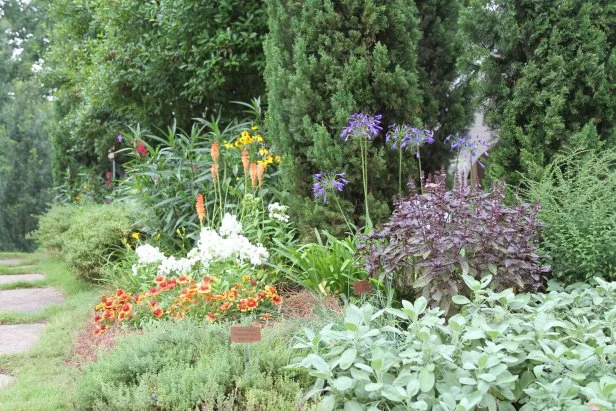
Credit: www.hgtv.com
Planting Techniques
Designing a formal herb garden involves careful planning. Begin by choosing a symmetrical layout, such as a square or circle. Use hedges or borders to define the space, adding pathways for easy access. Select herbs based on color, height, and texture to create visual appeal.
Planting techniques are crucial to designing a formal herb garden that flourishes with vitality and beauty. The art of planting involves careful consideration of how each herb will thrive, interact, and visually contribute to the garden’s overall harmony. Let’s dive into some essential aspects to ensure your formal herb garden not only looks stunning but also grows robustly.Seed Vs. Seedlings
Choosing between seeds and seedlings can set the tone for your gardening journey. Seeds offer a more hands-on experience, allowing you to nurture your herbs from their inception. They are often more economical and provide a wider variety of herb options. However, they require patience and a bit more effort in the initial stages. Seedlings, on the other hand, offer an instant gratification. They are well-suited for those who prefer a quicker start to their garden. Seedlings eliminate the guesswork of germination and can give your garden a head start, especially in regions with shorter growing seasons.Spacing For Growth
Proper spacing is vital for healthy growth and aesthetic appeal. Herbs need room to breathe and expand. Crowded plants can lead to stunted growth and increased susceptibility to diseases. As a rule of thumb, small herbs like chives and parsley require less space, while larger ones like rosemary and sage need more. Consider how tall and wide your herbs will grow. Visualize their mature size and plan accordingly. Proper spacing not only ensures healthier plants but also keeps your garden looking neat and organized.Companion Planting
Companion planting can transform your herb garden into a thriving ecosystem. Some herbs naturally repel pests or enhance the growth of their neighbors. For example, planting basil alongside tomatoes can improve tomato flavor and deter aphids. Think about the interactions between plants. Which herbs complement each other in terms of growth and pest control? Pairing herbs wisely can create a symbiotic environment that boosts productivity and reduces the need for chemical interventions. Have you ever wondered which herbs work best together? Try experimenting with different combinations and observe the results. Your garden could surprise you with its resilience and vibrancy when plants work in harmony.Maintenance And Care
Designing a formal herb garden demands regular upkeep for beauty and health. Prune herbs to encourage growth and remove weeds to maintain order.
Designing a formal herb garden brings beauty and utility to any space. Proper maintenance and care ensure that your garden thrives throughout the seasons. Consistent attention to watering, pest management, and pruning is crucial. Each of these aspects plays a significant role in the health and productivity of your herbs. Let’s explore how to maintain and care for your formal herb garden effectively.Watering Schedules
Establishing a consistent watering schedule is vital for your herb garden. Most herbs prefer well-drained soil, so avoid overwatering. Check the soil moisture regularly. Use your finger to test if the top inch of soil is dry. If so, it’s time to water. Early morning is the best time for watering. This allows the foliage to dry during the day, reducing the risk of disease.Pest Management
Pests can disrupt the harmony of your herb garden. Regular inspection helps in early identification of problems. Look under leaves and along stems for signs of infestation. Use natural remedies like neem oil or insecticidal soap. Encourage beneficial insects, such as ladybugs, to control pests naturally. Keep your garden clean by removing debris, which can harbor pests.Pruning And Harvesting
Regular pruning keeps herbs healthy and encourages new growth. Remove dead or diseased leaves immediately. Harvest herbs in the morning after the dew has dried. This preserves the oils in the leaves, enhancing flavor. Cut stems above a leaf node to promote bushier growth. Frequent harvesting encourages herbs to produce more leaves. Maintaining a formal herb garden requires dedication but rewards with lush growth and fragrant herbs. By following these simple care tips, your herb garden will flourish.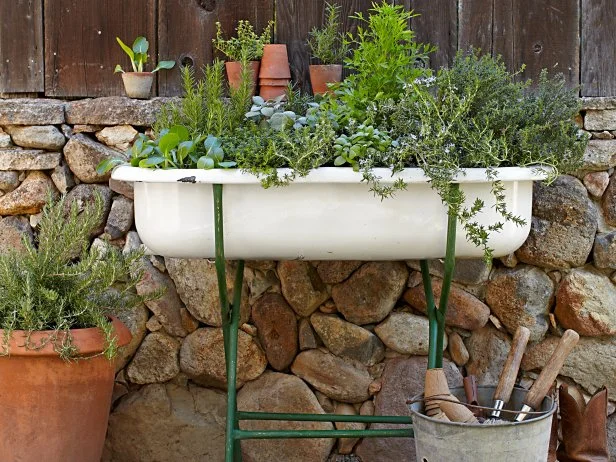
Credit: www.hgtv.com
Incorporating Decorative Elements
Enhance your formal herb garden with decorative elements like stone pathways, elegant fountains, and ornate garden benches. These features add charm and structure, creating a visually appealing space for relaxation and enjoyment.
Incorporating decorative elements can transform a formal herb garden into a captivating space. These additions do more than beautify; they enhance the garden’s ambiance. Strategic use of sculptures, edging, and lighting creates a cohesive and inviting environment.Adding Garden Sculptures
Garden sculptures add personality to your herb garden. Select pieces that complement the garden’s theme. Opt for natural materials like stone or metal. Position sculptures to draw the eye or highlight specific areas. A well-placed sculpture can become a focal point. Ensure they are proportional to the garden size for balance.Using Edging Materials
Edging defines garden boundaries, adding structure and neatness. Materials like brick, stone, or wood offer durability and style. Select an edging that matches the garden’s formal design. Properly installed edging keeps herbs contained. It also makes pathways clear, enhancing accessibility.Enhancing With Lighting
Lighting adds drama and functionality to your herb garden. Use solar lights to illuminate pathways and features. Choose low-voltage options for energy efficiency. Highlight key areas like water features or sculptures. Lighting extends usability into the evening. It creates a magical, welcoming atmosphere after sunset.Seasonal Considerations
Designing a formal herb garden requires careful planning for seasonal changes. Consider plant growth patterns and sunlight needs throughout the year. Select herbs that thrive in varying climates to ensure a lush and vibrant garden in all seasons.
Designing a formal herb garden involves more than just arranging plants in neat rows. Seasonal considerations play a crucial role in ensuring your garden thrives throughout the year. By planning ahead, you can protect your herbs from harsh weather, manage extreme temperatures, and encourage robust growth.Winter Protection Strategies
Winter can be harsh, but with a few proactive steps, you can safeguard your herbs. Consider using mulch to insulate the soil and retain moisture. A layer of straw or wood chips can protect the roots from freezing. Potted herbs can be moved indoors or to a sheltered spot. If you have larger plants, use burlap wraps to shield them from frost. A personal trick I’ve found effective is to use cloches, which act like mini greenhouses, keeping the cold at bay.Summer Heat Management
The summer sun can be relentless. To prevent your herbs from wilting, ensure they have adequate water. Drip irrigation systems are excellent for maintaining consistent moisture without overwatering. Shade cloths can provide relief during peak sun hours, especially for more delicate herbs like basil. If you’re like me and enjoy spending time in the garden, consider building a simple trellis that offers both support and shade.Preparing For Spring Growth
Spring is synonymous with growth, and your herb garden should be ready to burst into life. Start by clearing away any debris left over from winter. This not only tidies up your garden but also prevents pests and diseases. Prune back dead or damaged growth to encourage new shoots. A light application of balanced fertilizer can give your herbs the nutrients they need to thrive. As you prepare, think about how your garden will look and function; a well-designed layout can make all the difference. Have you considered how these seasonal strategies can transform your herb garden? Each season brings its own challenges and rewards, and with thoughtful planning, your herb garden can flourish year-round.
Credit: www.veranda.com
Frequently Asked Questions
What Is A Formal Herb Garden?
A formal herb garden is a structured garden with geometric patterns. It often uses symmetrical designs and defined pathways. This style enhances visual appeal and organization. Common herbs include rosemary, thyme, and lavender. It’s ideal for those who appreciate order and aesthetic charm in gardening.
How Do I Start Designing A Herb Garden?
Begin by choosing a location with full sunlight. Plan your layout, considering symmetry and pathways. Select herbs based on your preferences and climate. Prepare the soil, ensuring it’s well-drained. Regular maintenance, like pruning and watering, is crucial. This helps your garden thrive beautifully and efficiently.
What Are Popular Herbs For Formal Gardens?
Popular herbs include rosemary, lavender, and thyme. These herbs are favored for their aromatic qualities and visual appeal. They thrive in structured environments and offer culinary uses. Consider these herbs for a classic, elegant garden design. They’re easy to maintain and enhance garden aesthetics.
How Can I Maintain My Herb Garden?
Regularly prune to encourage growth and maintain shape. Water adequately, ensuring soil is not waterlogged. Monitor for pests and diseases, treating promptly. Fertilize occasionally to boost growth. Seasonal care, like mulching, helps protect plants. Consistent maintenance ensures a thriving, beautiful herb garden.
Conclusion
Designing a formal herb garden is a rewarding project. It enhances your outdoor space beautifully. Start with a clear plan. Choose herbs that suit your climate. Arrange them symmetrically for a classic look. Use paths to create a structured layout.
Keep up with regular maintenance. Trim and water your herbs often. This keeps them healthy and lush. A formal herb garden adds elegance to any home. It’s a great way to enjoy fresh herbs. Plus, it offers a serene retreat.
Embrace your green thumb and enjoy the process. Your garden will thrive with love and care.