
Imagine stepping into a garden where tranquility and safety meet, designed especially for those living with dementia. This special place isn’t just about blooms and greenery; it’s a sanctuary that nurtures the senses and supports well-being.
Creating a dementia-friendly garden is more than a task—it’s a heartfelt endeavor to enhance the quality of life for your loved ones. You might wonder how colors, scents, and layout can make such a profound difference. You’re about to discover the secrets that transform ordinary gardens into extraordinary experiences.
By the end of this article, you’ll know exactly how to cultivate a space that offers comfort, joy, and peace to those who need it most. Ready to uncover the simple steps that can make a big impact? Let’s dive in!
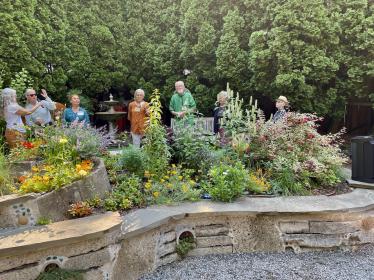
Credit: thememoryhub.org
Understanding Dementia And Its Impact
Creating a dementia-friendly garden involves using simple paths and bright colors to aid memory. Plants with familiar scents can trigger positive memories. Comfortable seating areas provide rest and encourage social interaction.
Understanding dementia and its impact is crucial for designing a supportive garden. Dementia affects memory, thinking, and behavior. It presents unique challenges for those living with it. A garden can offer peace and joy when designed with these needs in mind.Cognitive And Sensory Challenges
Dementia affects how the brain processes information. Individuals may struggle with memory and attention. They might also face difficulties in judging distances or recognizing patterns. Sensory perception may change too, affecting how they experience the world. Gardens should include clear paths and simple layouts. This helps reduce confusion and enhance safety. Bright, contrasting colors can aid in recognition. Use plants with different textures and scents. This engages the senses and creates a stimulating environment.Emotional And Psychological Needs
Gardens can support emotional well-being. They offer a sense of calm and comfort. Those with dementia may feel anxious or frustrated. A well-designed garden can provide a serene escape. Include spaces for rest and reflection. Seating areas with shade offer comfort. Familiar plants and flowers evoke positive memories. This can foster a sense of connection and belonging. A garden should feel safe and welcoming. Fences or hedges define boundaries and provide security. This reduces feelings of vulnerability. Ensure pathways are smooth and non-slip to prevent falls. Simple, thoughtful design makes a garden accessible and enjoyable for all.Core Principles Of Dementia-friendly Design
Designing a dementia-friendly garden focuses on simplicity and safety. Clear pathways help prevent confusion and ensure easy navigation. Incorporating familiar plants and sensory elements can stimulate memory and provide comfort.
Designing a dementia-friendly garden is a thoughtful endeavor that can significantly enhance the quality of life for individuals living with dementia. By focusing on the core principles of dementia-friendly design, you can create a space that offers safety, clarity, and engagement. These elements are essential for providing comfort and stimulation while minimizing confusion and stress. Let’s dive into the key principles that can guide you in crafting such a nurturing environment.Safety First
Safety should be at the heart of your garden design. Consider installing non-slip pathways to prevent falls, and ensure that paths are wide enough for mobility aids. Barriers or fences can provide security without feeling restrictive. Lighting is crucial, especially for evening visits. Solar lights can illuminate paths, helping to avoid trips or disorientation. Moreover, avoid plants with thorns or toxic properties that might pose a danger. Reflect on your own garden experiences. Have you ever stumbled on uneven ground or felt uneasy in dimly lit areas? Imagine how much more challenging that would be for someone with dementia.Simplicity And Clarity
A clear and simple layout can reduce confusion and help individuals navigate the garden with ease. Use straightforward pathways that loop back to the starting point to prevent getting lost. Limit the variety of plants and colors to avoid overwhelming the senses. Choose calming colors and familiar plants that evoke memories or have a soothing effect. Think about your favorite garden spots. Are they cluttered or serene? Simplifying the space can make it inviting and easy to enjoy for anyone.Encouraging Engagement
Gardens are not just for viewing; they are meant to be experienced. Include interactive elements like sensory plants that invite touch, smell, and sound. Raised beds can encourage gardening activities, allowing individuals to plant or pick herbs and flowers. Seating areas encourage social interaction. A bench under a shady tree can be a perfect spot for conversation or quiet reflection. Water features can add a soothing auditory element and attract birds and wildlife, creating a lively environment. Consider moments when you felt connected to nature. How did these experiences enrich your life? By designing a garden that encourages engagement, you provide opportunities for joy and connection.Choosing The Right Plants
Selecting suitable plants enhances a dementia-friendly garden. Opt for fragrant flowers and easy-care shrubs to stimulate senses. Choose vibrant colors and varied textures to create engaging visual experiences.
Creating a dementia-friendly garden involves careful plant selection. The right plants can enhance comfort and safety. They provide sensory stimulation and seasonal beauty. Thoughtful choices can transform a garden into a therapeutic space.Selecting Non-toxic Varieties
Safety is a priority in a dementia-friendly garden. Choose non-toxic plants to avoid accidental ingestion. Opt for plants like lavender, marigolds, or sunflowers. These are safe and easy to maintain. They also offer visual and sensory appeal.Incorporating Sensory Plants
Sensory plants engage different senses, providing comfort and relaxation. Fragrant herbs like rosemary and mint stimulate the sense of smell. Textured plants like lamb’s ear and ornamental grasses invite touch. Bright blooms like daisies and pansies add visual delight.Seasonal Interest And Color
A vibrant garden offers year-round interest. Select plants that bloom in different seasons. Spring bulbs like tulips provide early color. Summer flowers like geraniums and asters maintain vibrancy. Autumn brings the rich hues of chrysanthemums and sedum. Winter interest can come from evergreen shrubs and berries. This variety keeps the garden lively and engaging throughout the year.Creating Accessible Pathways
Creating accessible pathways involves thoughtful design to enhance navigation for those with dementia. Clearly marked paths with smooth surfaces reduce confusion and ensure safety.
Creating pathways that are accessible is crucial when designing a dementia-friendly garden. These paths act as guides, ensuring safe navigation, reducing anxiety, and promoting independence. By focusing on key elements like smooth surfaces, visual cues, and resting areas, you can create a welcoming space that encourages exploration and engagement.Smooth And Level Surfaces
Imagine walking with unsteady feet on a gravel path. It’s not comforting, right? Dementia-friendly pathways should be smooth and level to prevent tripping hazards. Opt for materials like concrete or asphalt, which provide a stable surface. Avoid materials that can shift, like pebbles or loose bricks. Regularly check for uneven areas, especially after harsh weather. Your attention to these details can make a significant difference in ensuring safety.Clear Visual Cues
Visual cues can be lifesavers in a dementia-friendly garden. Use bright colors or different textures to define pathways. This helps in easy navigation and reduces confusion. Think about the garden you visited that had clear signs. Remember how easy it was to find your way around? Similarly, place directional signs with simple symbols to guide visitors.Integrating Resting Areas
Long walks can be tiring, especially for those with dementia. Integrate resting areas along the pathways. Install benches or chairs at regular intervals. Consider shaded spots or areas with pleasant views for these rest stops. They not only provide physical relief but also offer a moment to relax and enjoy the garden’s beauty. By focusing on these aspects, you can craft pathways that welcome and support those with dementia, making your garden a serene haven.Incorporating Therapeutic Elements
Designing a dementia-friendly garden involves adding therapeutic elements like sensory plants and gentle pathways. These features help create a calming and safe environment.
Incorporating therapeutic elements into a dementia-friendly garden can greatly enhance the well-being of its visitors. These elements engage the senses and provide a calming environment. They also promote interaction and memory recall. Below, we explore three key therapeutic elements: water features, art and sculpture, and interactive activities.Water Features And Their Benefits
Water features bring tranquility to a garden. The sound of flowing water soothes the mind. It helps reduce stress and anxiety. Watching water can also captivate and calm individuals. Consider adding a small fountain or pond. Ensure it’s safe and accessible for everyone.Art And Sculpture In Gardens
Art and sculptures add visual interest. They can spark conversations and memories. Choose pieces that are colorful and engaging. They should be easy to see and touch. Sculptures can serve as landmarks, aiding navigation. Opt for themes that resonate with nature and history.Interactive And Hands-on Activities
Interactive activities invite participation. They encourage movement and exploration. Set up a sensory garden with herbs and plants. Allow visitors to touch and smell. Create paths for walking or wheelchairs. Place benches for rest and reflection. Activities like planting or picking flowers engage the senses. They also promote a sense of accomplishment.
Credit: www.rightathome.net
Designing For Safety And Security
Creating a dementia-friendly garden involves thoughtful design to enhance safety and comfort. Incorporate clear pathways, secure boundaries, and calming sensory features. Ensure easy access and seating to promote relaxation and enjoyment.
Designing a dementia-friendly garden requires careful thought about safety and security. A secure environment helps individuals with dementia feel relaxed and protected. Safety features are essential, ensuring the garden is both inviting and safe. With proper design, a garden can offer peace and enjoyment. Let’s explore key aspects of creating a safe and secure garden.Fencing And Boundaries
Solid fencing creates a secure perimeter. It prevents wandering and offers privacy. Choose materials that blend with the garden’s aesthetic. Gates should be easy to operate and lock securely. Clearly marked boundaries help avoid confusion and provide a sense of enclosure.Lighting Considerations
Proper lighting reduces the risk of falls. Install soft lights along pathways and entrances. Use motion sensors to illuminate dark areas. Ensure lights are non-glaring to avoid discomfort. Consider solar-powered options for energy efficiency. Lighting should guide and reassure, enhancing safety and accessibility.Emergency Features And Accessibility
Emergency features are vital for quick responses. Install easy-to-reach emergency buttons. Ensure pathways are wide enough for wheelchairs. Use non-slip surfaces to prevent accidents. Accessible seating offers rest areas. Emergency plans should be clear and visible. Safety and accessibility ensure a comfortable experience for everyone.Engaging The Senses
Designing a dementia-friendly garden involves engaging the senses through fragrant flowers, textured plants, and soothing sounds. Encourage interaction with nature using vibrant colors and varied plant heights. Create a safe, accessible space that stimulates memory and provides calmness.
Creating a dementia-friendly garden goes beyond simply planting flowers and shrubs. It’s about crafting an environment that engages the senses, stimulates memories, and provides comfort. This sensory engagement can help reduce anxiety and improve mood, offering therapeutic benefits. Let’s delve into how you can design your garden to be a sensory haven.Fragrance And Texture
Imagine walking through a garden where the air is filled with the soothing aroma of lavender or the invigorating scent of rosemary. Fragrant plants can evoke memories and create a calming atmosphere. Consider planting herbs like mint or thyme near pathways where their scent will be released as you brush past. Textures also play a crucial role in sensory stimulation. Think about the feel of soft lamb’s ear or the ruggedness of tree bark. Encourage tactile exploration by incorporating plants with varied textures, allowing hands to wander and discover.Soundscapes And Auditory Elements
Sound can significantly influence how we feel in a space. A gentle breeze rustling through bamboo or the melodic trickle of a water feature can create a soothing background. Wind chimes can add a pleasant auditory dimension, though it’s important to choose tones that are not too jarring. Birdsong is another delightful addition. By adding bird feeders, you invite these natural musicians into your garden. Their presence can offer comfort and a sense of connection with nature.Visual Stimulation
Colorful flowers and varied plant heights can create visual intrigue and stimulate the mind. Consider using a mix of perennials that bloom at different times, ensuring a continual display of color. Pathways lined with vibrant flowers can guide visitors and provide a sense of direction, reducing confusion. Don’t forget about lighting; soft, warm lighting can create a safe and inviting atmosphere for evening strolls. Engaging all the senses in a garden can transform it into a sanctuary. How will you design yours to be a place of comfort and joy?Maintenance And Upkeep
Regular maintenance ensures a safe and inviting garden for those with dementia. Check pathways for hazards like uneven stones. Trim plants to prevent overgrowth and maintain clear visibility.
Designing a dementia-friendly garden requires thoughtful planning not only in its initial setup but also in its ongoing maintenance and upkeep. A garden that is easy to maintain will ensure that it remains a serene and therapeutic environment for its users. By choosing the right plants and involving the right people, you can create a space that continues to thrive with minimal effort.Low-maintenance Plant Choices
Selecting the right plants is crucial in reducing the upkeep of your dementia-friendly garden. Opt for perennials that can withstand local weather conditions without needing constant attention. Lavender and sedum are great examples; they are hardy, require little watering, and provide sensory benefits through their texture and scent. Groundcovers like thyme or creeping phlox can eliminate the need for frequent weeding and mowing. They spread naturally, covering the soil and preventing weed growth. Choose plants with different bloom times to ensure there’s always something flowering, reducing the need for seasonal replanting.Involving Caregivers And Residents
Engaging caregivers and residents in the maintenance of the garden fosters a sense of community and shared responsibility. Encourage them to participate in simple tasks like watering or deadheading flowers. This can be both a therapeutic activity for residents and a practical help for caregivers. Consider organizing regular garden days where everyone can contribute to its upkeep. This not only keeps the garden in good shape but also strengthens bonds among residents and staff. Are there specific tasks that bring joy or calm to certain residents? Tailor their involvement to these activities.Regular Safety Checks
Safety should be a priority in any garden, especially in one designed for individuals with dementia. Schedule regular safety checks to ensure that pathways are clear and free of hazards like fallen branches or uneven stones. Make sure that all garden tools are stored safely and out of reach of residents who might accidentally harm themselves. Is the lighting adequate for evening strolls? Proper lighting can prevent accidents and make the garden accessible at all times of the day. By focusing on these aspects, you can ensure that your dementia-friendly garden remains a beautiful and safe haven for all who use it.
Credit: dementiafriendlydesign.com
Frequently Asked Questions
What Plants Are Best For Dementia Gardens?
Choosing plants with sensory appeal is vital for dementia gardens. Opt for colorful flowers, fragrant herbs, and textured foliage. Lavender, rosemary, and sunflowers stimulate senses and memories. Ensure plants are non-toxic and easy to maintain, providing a safe environment. These features enhance enjoyment and therapeutic benefits for those with dementia.
How Can I Make Paths Dementia-friendly?
Dementia-friendly paths should be wide and level with non-slip surfaces. Use contrasting colors for edges to aid navigation. Circular pathways can prevent confusion and encourage movement. Incorporate resting spots with comfortable seating. These features promote independence, safety, and ease of movement for individuals with dementia.
Why Are Sensory Features Important In Dementia Gardens?
Sensory features engage multiple senses, aiding memory recall and relaxation. Incorporate water elements, textured plants, and aromatic flowers. These elements stimulate sight, touch, smell, and hearing. Sensory gardens create calming environments, reducing anxiety and agitation, and enhancing overall well-being for individuals living with dementia.
How To Ensure Safety In Dementia Gardens?
Safety is crucial in dementia gardens. Use secure fences and gates to prevent wandering. Remove hazards like sharp tools and toxic plants. Ensure paths are level and well-lit. Regular maintenance prevents accidents and ensures a safe, welcoming space. These measures protect individuals while encouraging freedom and exploration.
Conclusion
Creating a dementia-friendly garden enriches lives. It offers peace and joy. A well-designed space encourages exploration and relaxation. Simple paths and familiar plants enhance comfort. Safety remains a top priority. Use clear signs to guide. Sensory elements like fragrant flowers uplift spirits.
Bright colors and soft textures soothe anxiety. Regular maintenance keeps the garden inviting. Involve loved ones in the process. Their input adds personal touch. Remember, the garden is more than plants. It’s a sanctuary. A place of healing and connection.
Building such a garden brings hope and happiness. Let’s nurture these special spaces together.







